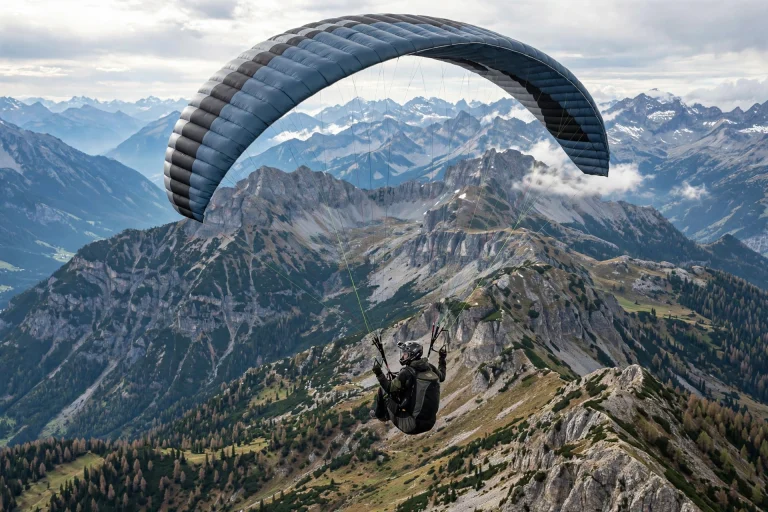
In general terms, choosing a paragliding helmet means finding a light, well-ventilated, open-face helmet that fits snugly, lets you hear your variometer and radio clearly, and is certified for air sports — then trying it on with your instruments in place before you buy. A paragliding helmet is worn for hours at a time, so comfort and hearing matter just as much as protection.
Paragliding is a gentle-looking sport that still carries real risk: a bad launch, a collapse, or a hard landing can all bring your head into contact with the ground, a rock, or your own equipment. The right helmet protects you without getting in the way of the flying, and the wrong one will distract you for the whole flight.
What Type of Paragliding Helmet Should You Choose?
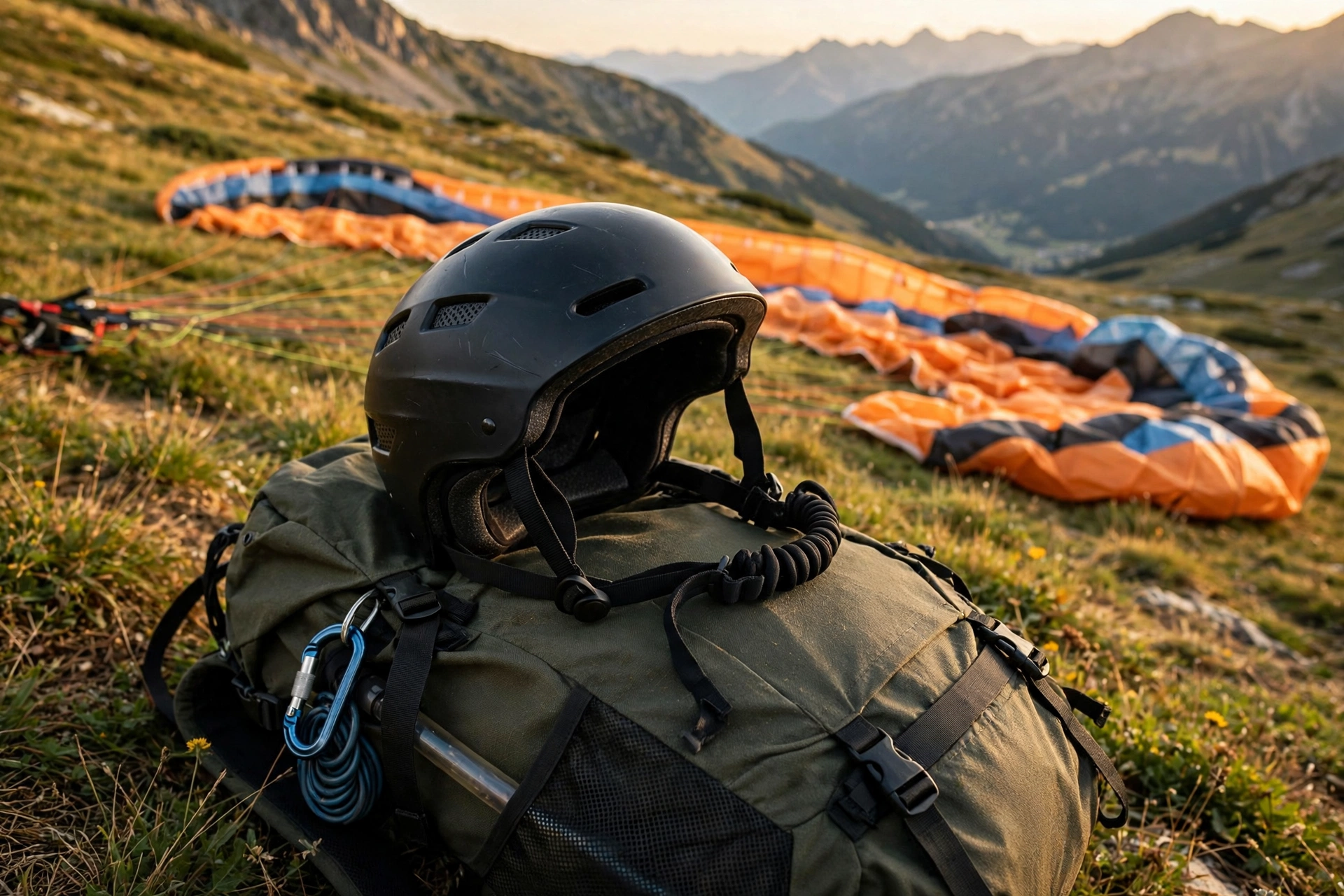
Most paragliding pilots wear open-face helmets. An open-face design keeps the ears uncovered for hearing, keeps the face cool in warm air, and gives an unrestricted field of view — all important when you are scanning the sky for other pilots and reading the terrain below. Full-face paragliding helmets exist, and some pilots prefer them for extra face protection, but they are heavier, warmer, and harder to hear through.
Weight is a major factor. A paragliding flight can last several hours, and a heavy helmet will tire your neck and make you less comfortable as the flight goes on. Look for a light helmet — the difference of a few hundred grams is noticeable over a long flight — but do not sacrifice fit or certification for weight alone. A light helmet that fits badly is worse than a slightly heavier one that fits well.
Ventilation matters too, but differently from other sports. Paragliding speeds are low, so vents must work without much airflow to help them. Look for vents placed where the slow-moving air can reach them, and a lining that wicks sweat rather than trapping it. A helmet that is comfortable on the ground in summer will usually be comfortable in the air too.
How Should a Paragliding Helmet Fit?
A paragliding helmet should sit level, cover the forehead, and stay put when you shake your head gently — the same basic fit test as any helmet. The chin strap should be snug, with room for only one or two fingers beneath it, and the cheek pads should touch firmly without squeezing. Because you will wear it for hours, pay extra attention to pressure points: a spot that feels slightly tight in the shop will feel much worse after two hours in the air.
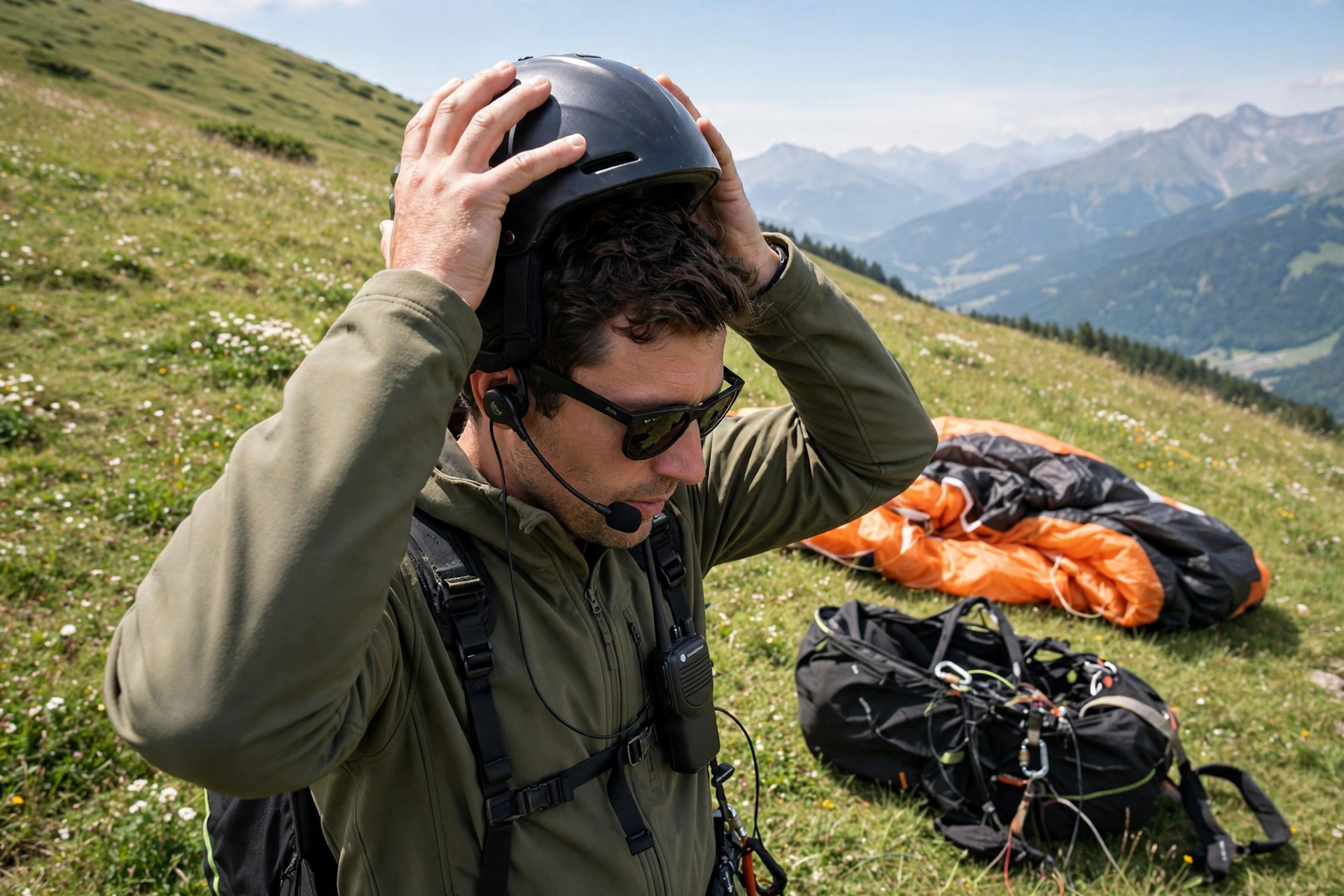
Try the helmet on with everything you will fly with: sunglasses or goggles, a radio earpiece, and a hat or balaclava if you fly in cold weather. A helmet that fits perfectly on a bare head can become tight once earphones are added, and a visor that works with sunglasses may not work with goggles. Testing the full set-up avoids surprises at launch.
Also check the fit in a flying position. Sit in your harness if you can, lean back as you would in flight, and turn your head to look behind you — the movement you use to check for other pilots and to look for lift. The helmet should move with your head, not slide over it, and it should not press on your neck or catch on the harness straps.
What About Hearing and Instruments?
Hearing is one of the most important features of a paragliding helmet, and it is easy to overlook when shopping. Your variometer tells you when you are climbing or sinking by beeping, and your radio connects you to your instructor and fellow pilots. A helmet that muffles those sounds makes you a worse, less safe pilot, however well it protects your head.
Look for helmets with open or thinly padded ear areas, and check whether the helmet has cut-outs or pockets for earphones. Some helmets are designed with radio earpieces in mind, with channels for the cable and space for the speaker. If you use a particular radio or earpiece, bring it when you try helmets on and check that it fits and sounds clear.
The variometer itself is usually worn on the leg or chest, not on the helmet, so its sound must travel to your ears through the air. A helmet with thick ear padding will block that sound, especially in wind. Test this in the shop if you can: have someone play a beeping sound at arm’s length and check you can hear it clearly with the helmet on.
Which Certification Should a Paragliding Helmet Have?
Paragliding helmets are typically certified to a European standard for air sports, which tests them for the kinds of impacts a paraglider pilot is likely to face. Look for the certification label inside the helmet, and buy from a paragliding specialist who can explain what the label means. A helmet without a recognised air-sport certification may be a climbing, cycling, or ski helmet in disguise — and those are designed for different impacts.
Be cautious of helmets marketed for several sports at once. A helmet that claims to suit paragliding, climbing, and cycling may be a compromise in all three, and its fit and features may not suit paragliding well. A dedicated paragliding helmet is usually the better choice, especially for a beginner who needs every advantage.
And remember that certification is only part of the picture — fit is what makes any helmet’s protection work, including systems that address angled impacts, as explained in this guide to what MIPS means for helmets. A certified helmet that does not fit you is not a safe helmet, whatever its label says.
What Else Is Worth Considering?
A visor is worth thinking about. Many paragliding pilots fly without one, using sunglasses instead, but a visor protects your eyes from wind, rain, and insects, and it can be a real comfort on a long, cold flight. If you choose a helmet with a visor, check that it opens and closes easily with gloves on, and that it does not fog up — some visors have anti-fog coatings or vents to help.
Removable, washable linings are a practical bonus. A paragliding helmet is worn for hours in sun and sweat, and a lining you can wash keeps it fresh and comfortable. Check whether the lining comes out easily and whether spares are available, since a fresh lining can extend the life of a helmet you love.
Finally, think about how you will carry and store the helmet. Paragliding kit gets packed, unpacked, and transported constantly, and a helmet that lives loose in a kit bag will get scratched and dented. A helmet bag, or a dedicated pocket in your paragliding rucksack, protects your investment and keeps the helmet ready for the next flight.
Frequently Asked Questions
Q: Can I use a cycling helmet for paragliding?
A: In general terms, no — cycling helmets are designed for different impacts and usually lack the ear coverage and hearing design a paragliding helmet needs. Use a helmet certified for air sports.
Q: Do I need a visor on a paragliding helmet?
A: Not necessarily. Many pilots fly with sunglasses or goggles instead, but a visor adds wind and rain protection, so the choice depends on your flying conditions and comfort.
Q: How long does a paragliding helmet last?
A: In general terms, a well-cared-for helmet lasts several seasons, but age, sun exposure, and any hard knock all count. Check the manufacturer’s guidance and replace a helmet that has taken a heavy impact.

Olivia
Writer at Helmet Today, covering helmet reviews, fit and riding safety.