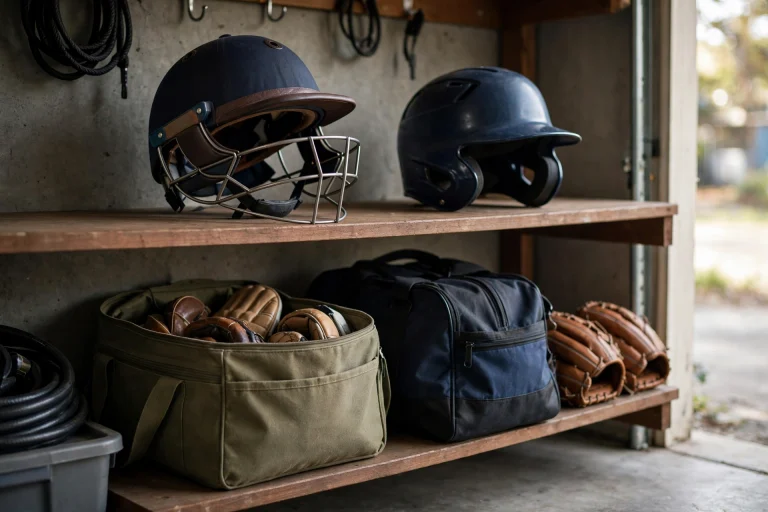
In general terms, to stop a batting helmet slipping when running, tighten the chin strap, make sure the helmet is the right size, and adjust the internal padding so the shell sits snugly — a helmet that fits properly stays put through a sprint, while a loose one will slide no matter how you adjust it. A slipping helmet is more than an annoyance: it can slide over your eyes mid-run, distract you at the moment you need to watch the ball, and leave your head less protected if you fall.
The good news is that most slipping problems have simple causes — a strap left loose, pads that have flattened, or a helmet that was never the right size. This guide works through the fixes in order, from the quickest adjustments to the point where a different helmet is the honest answer.
Is the Chin Strap the Problem?
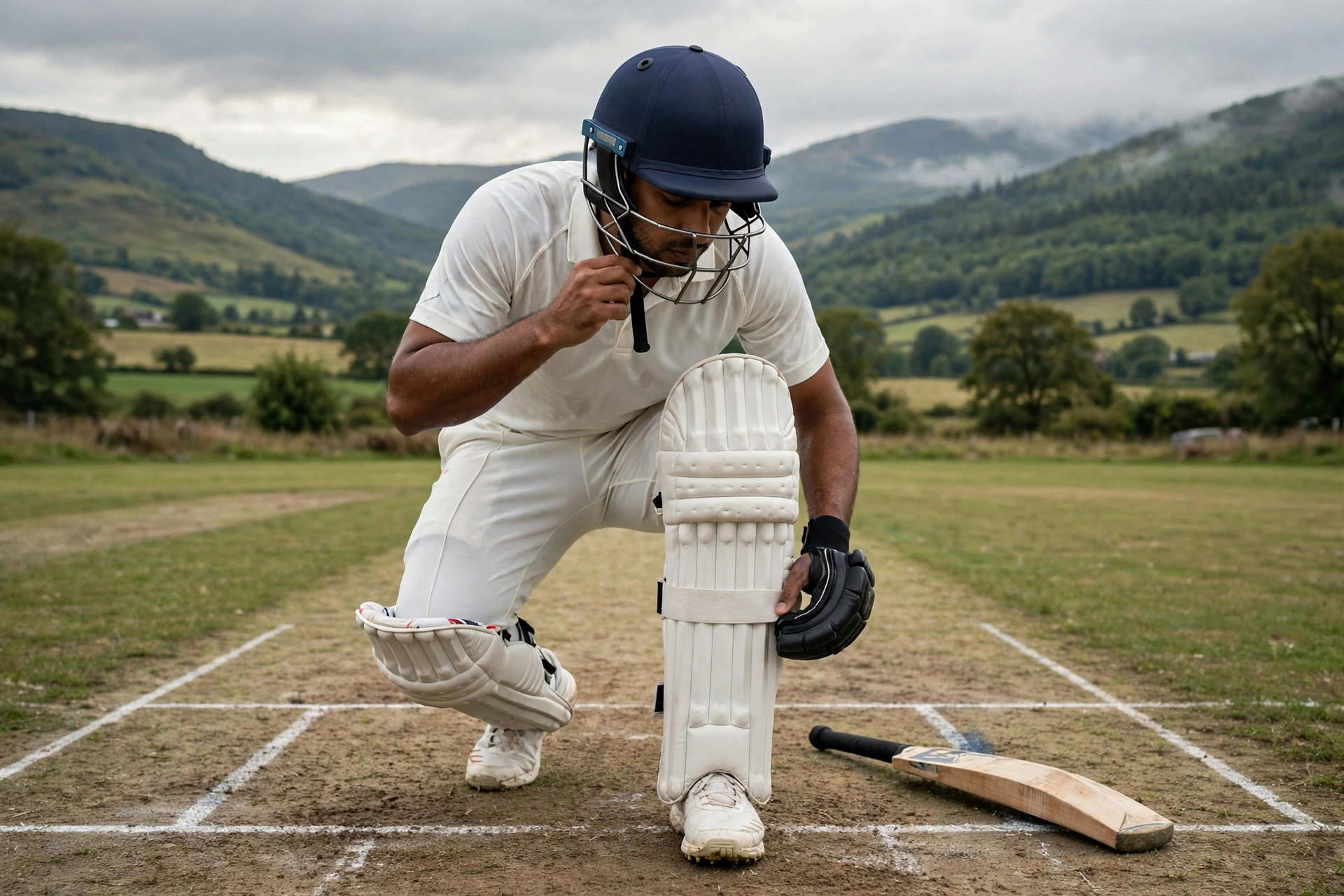
Start with the chin strap, because it is the most common cause and the easiest fix. Many players fasten the strap loosely for comfort, or leave it undone altogether, and then wonder why the helmet moves. The strap should be snug enough that you can fit no more than a finger or two between the strap and your chin, and it should hold the helmet firmly when you shake your head.
Check the strap itself as well as how tight it is. Straps stretch with use, and a stretched strap will not hold tension even when adjusted to its shortest setting. If the strap is frayed, stretched, or the buckle slips under pressure, replace the strap — most manufacturers sell replacements, and it is a small fix for a real safety issue.
Also check how the strap is routed. On some helmets the strap can be threaded incorrectly after the padding has been removed for cleaning, which changes how it pulls on the shell. If the strap feels uneven — tighter on one side than the other — remove it and re-thread it following the manufacturer’s layout.
Is the Helmet the Right Size?
If the strap is tight and the helmet still slips, size is the next suspect. A helmet that is too large will slide regardless of the strap, because the shell itself has room to move around the head. The helmet should feel snug all round, with the padding touching the head evenly, and it should not rock forward or backward when you shake your head firmly.
Players sometimes buy a larger helmet deliberately, planning to grow into it or to fit a thick cap underneath, and that is a common cause of slipping. A helmet bought for next season does not protect properly this season. Buy the size that fits now, and if a young player is between sizes, choose the smaller one and use the adjustable padding to fine-tune the fit.
Head shape matters too. Some helmets suit rounder heads and others suit longer ones, so a helmet that is the right size on paper can still slip if its shape does not match yours. Trying helmets on before buying, rather than ordering by size alone, is the best way to avoid this.
Can Padding and Fit Systems Fix Slipping?
Most modern batting helmets have adjustable padding or a fit system that can tighten the fit without changing the shell size. Thicker pads, extra pad inserts, or a dial-fit system can take up the slack that lets a helmet slide. If your helmet came with spare pads of different thicknesses, try a thicker set before assuming the helmet is the wrong size.
Padding also wears out. Foam pads flatten with use, sweat, and heat, and a helmet that fitted well when new can start slipping after a season or two simply because the pads have thinned. Replacement pads are usually inexpensive and can restore the original fit — check the manufacturer’s spares before replacing the whole helmet.
What you wear under the helmet affects fit as well. A thick cap, a bulky sweatband, or a hood can all change how the helmet sits and how it grips. In general terms, wear the same thin layer under the helmet that you tried it on with, and if you change what you wear underneath, re-check the fit and the strap.
Does Running Technique Make Slipping Worse?
Running itself can expose a marginal fit. When you sprint, your head moves sharply, you may look down at the ground or across at the fielder, and the helmet’s weight shifts with each stride. A helmet that feels fine standing still can start to slide once you are running at full pace, which is why it is worth testing the fit with a short sprint, not just in front of a mirror.
One habit that makes slipping worse is pushing the helmet back on the head, which many players do unconsciously between balls. A helmet pushed back sits higher on the forehead and is more likely to slide forward over the eyes when you run. Get into the habit of settling the helmet level, with the brim just above the eyebrows, before you take guard.
Sweat also plays a part. On a hot day, sweat makes the inside of the helmet slippery and the pads less grippy, which is why a helmet that holds fine in the nets can slip in a match. A thin, absorbent sweatband worn under the helmet can help, provided it does not change the fit too much — try it in practice before relying on it in a game.
When Is It Time for a Different Helmet?
If you have tightened the strap, replaced worn pads, and adjusted the fit system, and the helmet still slips when you run, the honest answer is that the helmet does not fit you. No adjustment can fix a shell that is fundamentally the wrong size or shape for your head, and continuing with a slipping helmet means running with reduced protection and a distraction you do not need.
When shopping for a replacement, take the time to try it on properly: shake your head, jog on the spot, and bend forward as if you were sprinting for a run. A helmet that stays put through those movements is one you can trust in a match. And remember that fit is what makes any helmet’s protection work — including systems that address angled impacts, as explained in this guide to what MIPS means for helmets.
Frequently Asked Questions
Q: Why does my batting helmet slip only when I run?
A: Running shakes the head sharply and shifts the helmet’s weight, which exposes a loose strap, flattened pads, or a shell that is slightly too large — problems that may not show when you are standing still.
Q: Should I wear a cap under my batting helmet to stop it slipping?
A: In general terms, a thin cap or sweatband can help grip, but a thick cap can make the fit worse by pushing the helmet up. Try the helmet with whatever you plan to wear underneath before a match.
Q: Can I fix a slipping helmet with a tighter chin strap alone?
A: Sometimes, but if the shell is too large or the pads are worn flat, a tighter strap only pulls an ill-fitting helmet harder against your chin. Check size and pads as well as the strap.

Olivia
Writer at Helmet Today, covering helmet reviews, fit and riding safety.