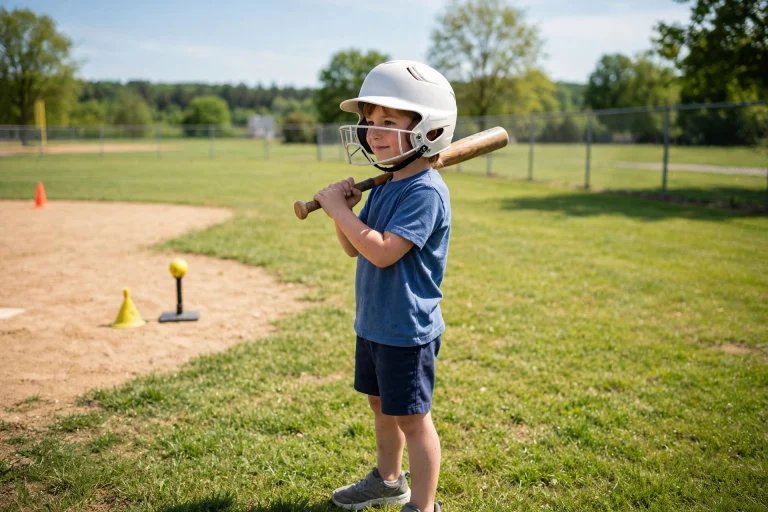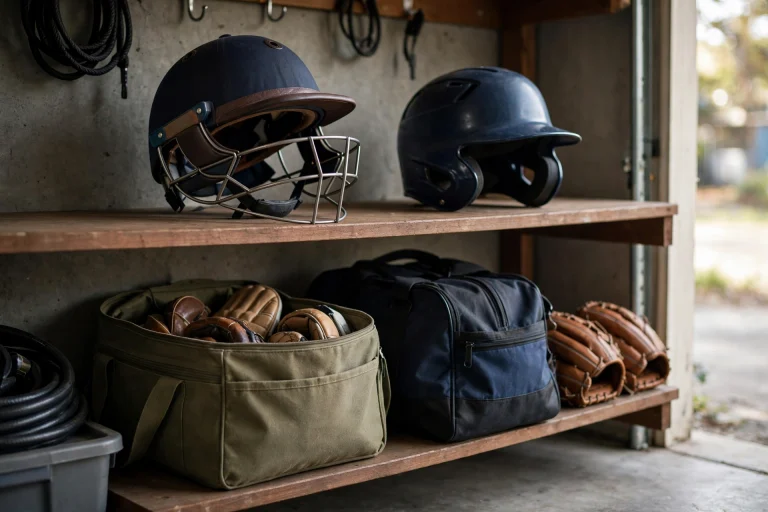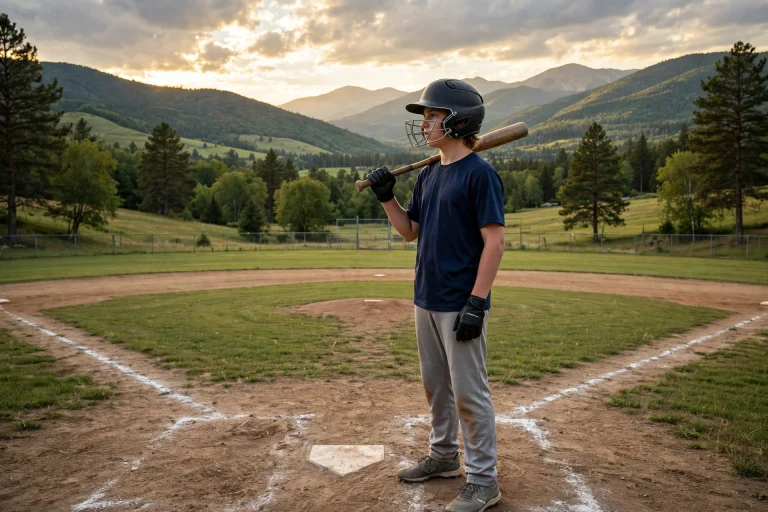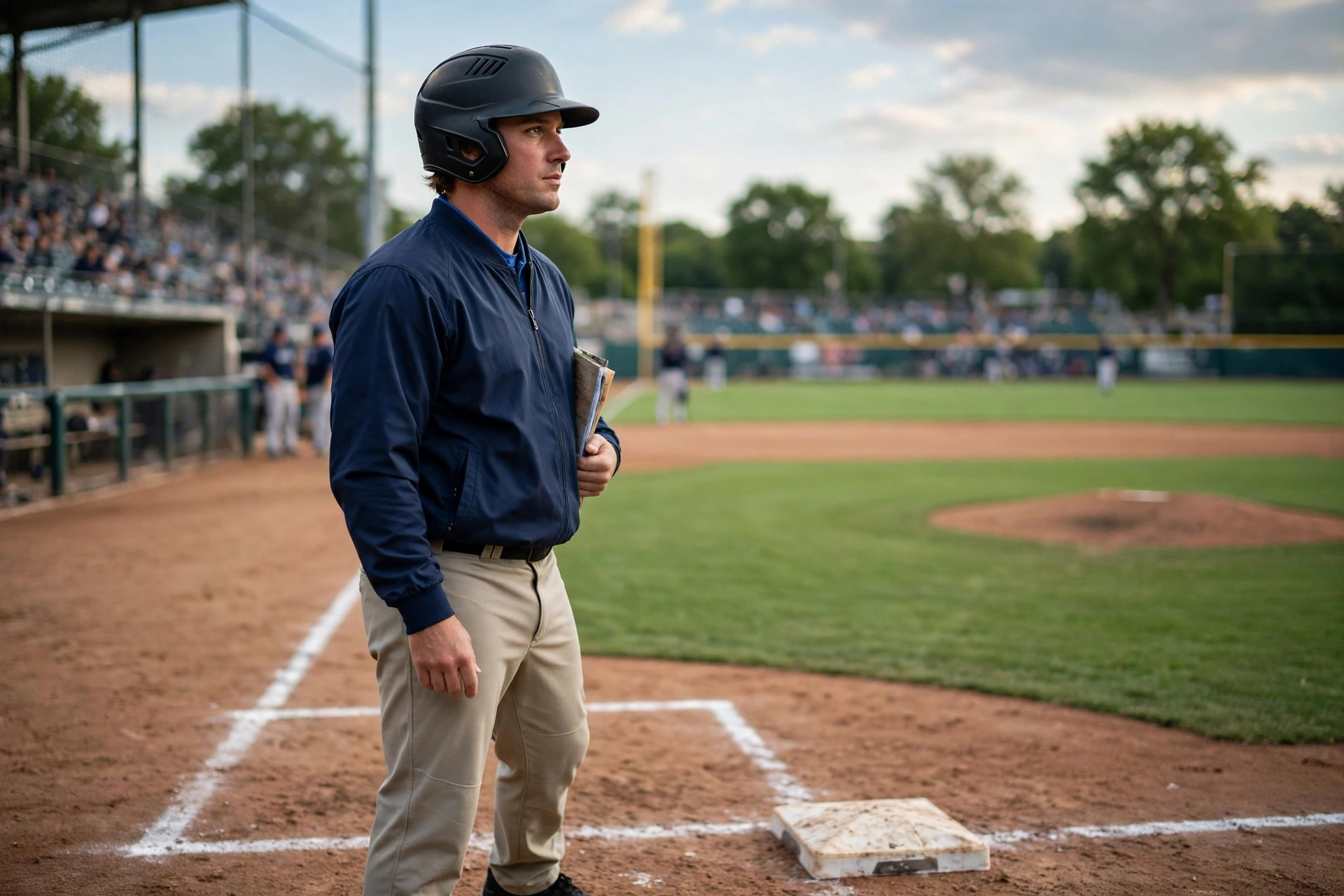
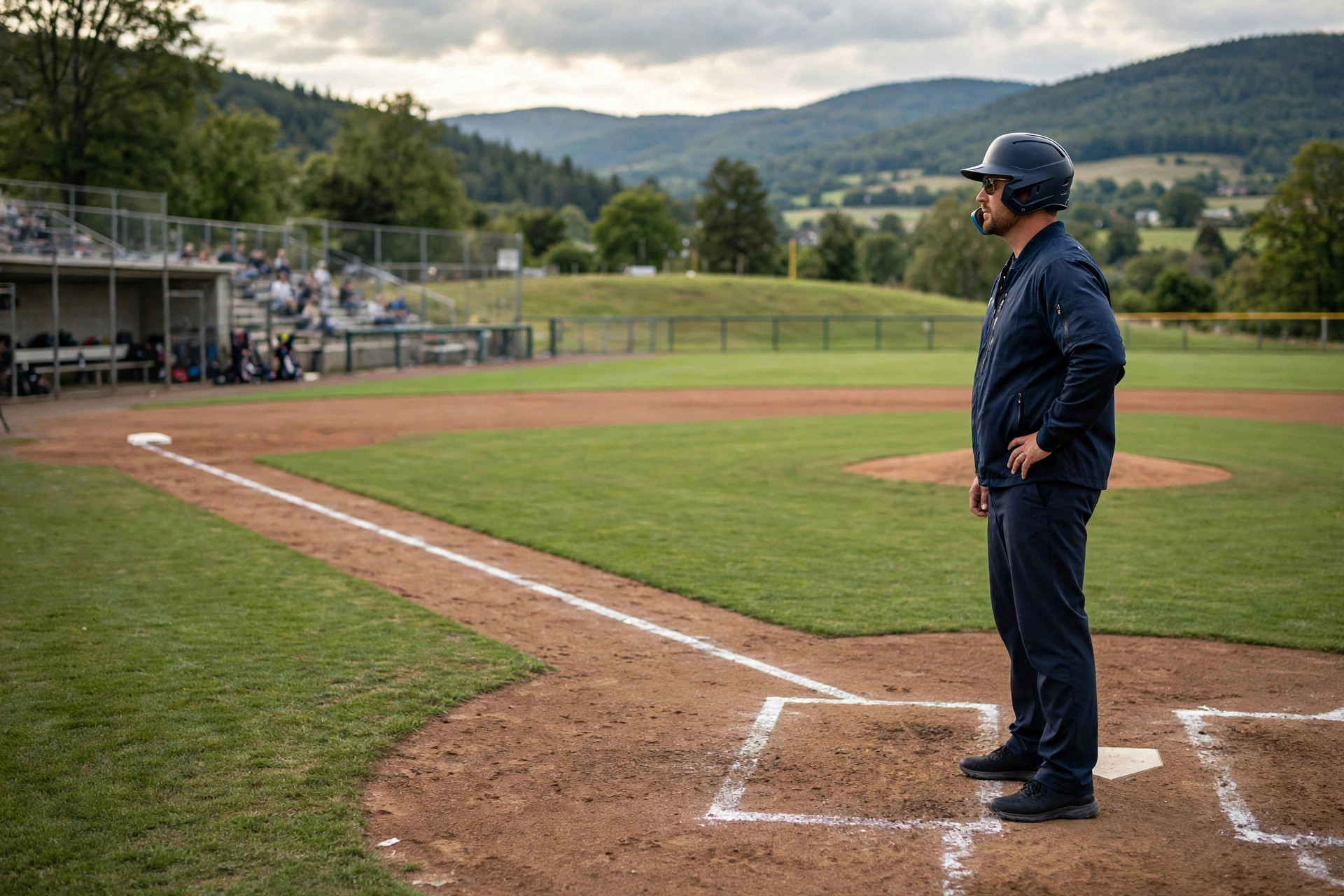
In general terms, whether base coaches wear a helmet depends on the league: many youth and amateur leagues require first and third base coaches to wear one, while at higher levels it is often optional — but a coach standing in the coach’s box is close to batted balls and wild throws, so wearing one is sensible wherever the rules allow or require it. The coach’s box sits just metres from the batter and the base path, which puts coaches in the line of foul balls, overthrows, and hard-hit balls that nobody has time to dodge.
This guide covers which leagues require coach helmets, what kind of helmet coaches wear, and how coaches can stay safe in the box without getting in the way of play.
Do Leagues Require Base Coaches to Wear Helmets?
Youth leagues are the strictest. Many youth baseball and softball leagues require base coaches to wear a batting helmet while in the coach’s box, and some extend the rule to adult coaches as well as players acting as coaches. The reason is straightforward: young players hit unpredictable balls, throws go astray, and the coach is standing in an exposed position.
Adult amateur leagues vary. Some require helmets for base coaches, some recommend them, and some have no rule at all. Even where there is no rule, many experienced coaches choose to wear one, particularly when coaching younger or less experienced players whose throws and hits are harder to predict.
At the professional level, the picture is different: in general terms, professional base coaches traditionally have not worn helmets, though that has been debated after incidents in which coaches were struck by batted balls. Whatever the level, the safest approach is to check your league’s rules before the season and to wear a helmet if the rules require it — or if you judge the risk warrants it.
What Kind of Helmet Do Base Coaches Wear?
Where a helmet is required, a standard batting helmet is normally what coaches wear. It is the helmet already available in the dugout, it meets the league’s equipment rules, and it protects against the same risks — batted and thrown balls — that batters face. Some leagues specify that the coach’s helmet must match the team’s batting helmets, so check whether your league has a uniform rule.
Fit matters for coaches just as it does for batters. A helmet that is too loose can slip when the coach moves quickly, ducks, or turns to watch a play, and a helmet that is too tight becomes a distraction over a long game. Coaches who wear a cap should try the helmet over the cap they actually wear, and adjust the strap so the helmet stays put.
Some coaches prefer a helmet with a face guard or an attached jaw guard for extra protection, particularly when coaching younger players. In general terms, extra face protection is a personal choice unless the league specifies it, but it is worth considering if you coach in a league where hard-hit balls and wild throws are common.
What Are the Risks for a Base Coach?
The main risk is a foul ball. A batter fouling a pitch straight back or down the line can send the ball directly at the coach’s box at speed, with very little time to react. First base coaches face foul balls from right-handed batters, and third base coaches from left-handed batters, but any coach can be caught by an unexpected deflection.
Overthrows are another risk. A throw to first or third base that sails past the fielder can travel straight into the coach’s box, and a coach watching the runner rather than the ball may not see it coming. Wild pickoff throws and throws from the outfield add to the exposure.
Batted balls hit fair can also reach a coach. A hard ground ball down the line, or a ball deflected off a fielder, can arrive at the coach’s box fast and at an awkward angle. Coaches are also at risk from collisions: a runner sliding into the base or a fielder chasing a ball can collide with a coach who is standing close to the action.
How Can Base Coaches Stay Safe in the Box?
Staying alert is the first defence. A coach in the box should watch the batter and the ball, not just the runner, and should be ready to duck or step back. Standing too close to the base path, or drifting out of the box towards fair territory, increases the risk — stay in the box, and keep a clear escape route behind you.
Positioning helps too. In general terms, coaches should stand at the back of the box when the batter is likely to foul balls their way, and should avoid turning their back on the play to argue, signal, or talk to the dugout. A coach who is facing the action has a better chance of reacting to a ball than one who is looking away.
Communication with players matters as well. Let runners know where you are, and make sure fielders know the coach’s box is occupied. In youth games, coaches should also remind young players that the coach is not a target and that throws should go to the base, not through the box.
Should Coaches Wear Helmets Even When Not Required?
In general terms, yes — the risk is real even where the rules do not mandate a helmet, and the cost of wearing one is small. A batting helmet is light, familiar, and already in the dugout, and wearing one sets a good example for young players, who are more likely to wear their own helmets properly when they see adults doing the same.
Some coaches worry that a helmet looks unnecessary or undermines their authority, but that concern fades quickly against the reality of a ball striking an unprotected head. Coaches are also role models: a youth player who sees their coach wearing a helmet learns that head protection is normal, not optional. And remember that fit is what makes any helmet’s protection work — including systems that address angled impacts, as explained in this guide to what MIPS means for helmets.
Frequently Asked Questions
Q: Do base coaches have to wear a helmet?
A: It depends on the league — many youth leagues require it, adult leagues vary, and professional rules differ. Check your league’s rules before the season.
Q: What helmet should a base coach wear?
A: In general terms, a standard batting helmet is the usual choice, and it should fit snugly and be worn with the chin strap fastened. Some coaches add a face guard for extra protection.
Q: Why do coaches need helmets if they are not batting?
A: Because the coach’s box sits close to the batter and the base path, coaches are exposed to foul balls, overthrows, and deflected batted balls, often with very little time to react.

Olivia
Writer at Helmet Today, covering helmet reviews, fit and riding safety.