In general terms, most security guards do not wear helmets as part of their everyday uniform, but guards in certain roles — such as those working on construction sites, at large events, or in higher-risk environments — may wear a helmet when the site or task risk assessment calls for it. For most guarding work, the risks are different from those that helmets protect against, so a helmet is not usually part of the kit.
Security work covers a huge range of roles, from retail and office reception to construction site gatehouses and event stewarding, and helmet use varies just as much. This guide explains, in general terms, when security guards do wear helmets, what kind they wear, and why most do not.
Why Don’t Most Security Guards Wear Helmets?
For a guard on a routine post — a shop entrance, an office lobby, a residential gate — the main risks are not head impacts. The job depends on visibility, communication, and a professional appearance, and a helmet would add little protection while making communication harder and the guard less approachable. Employers assess risk for each post, and where head injury is not a significant risk, a helmet is simply not issued.
That is the same principle that applies to all protective equipment: it is provided where the risk assessment identifies a hazard it protects against, not as a default. A helmet is not a general-purpose safety accessory — it is a specific tool for a specific hazard. Issuing helmets where they are not needed would add cost, discomfort, and distraction without reducing risk.
When Do Security Guards Wear Helmets?
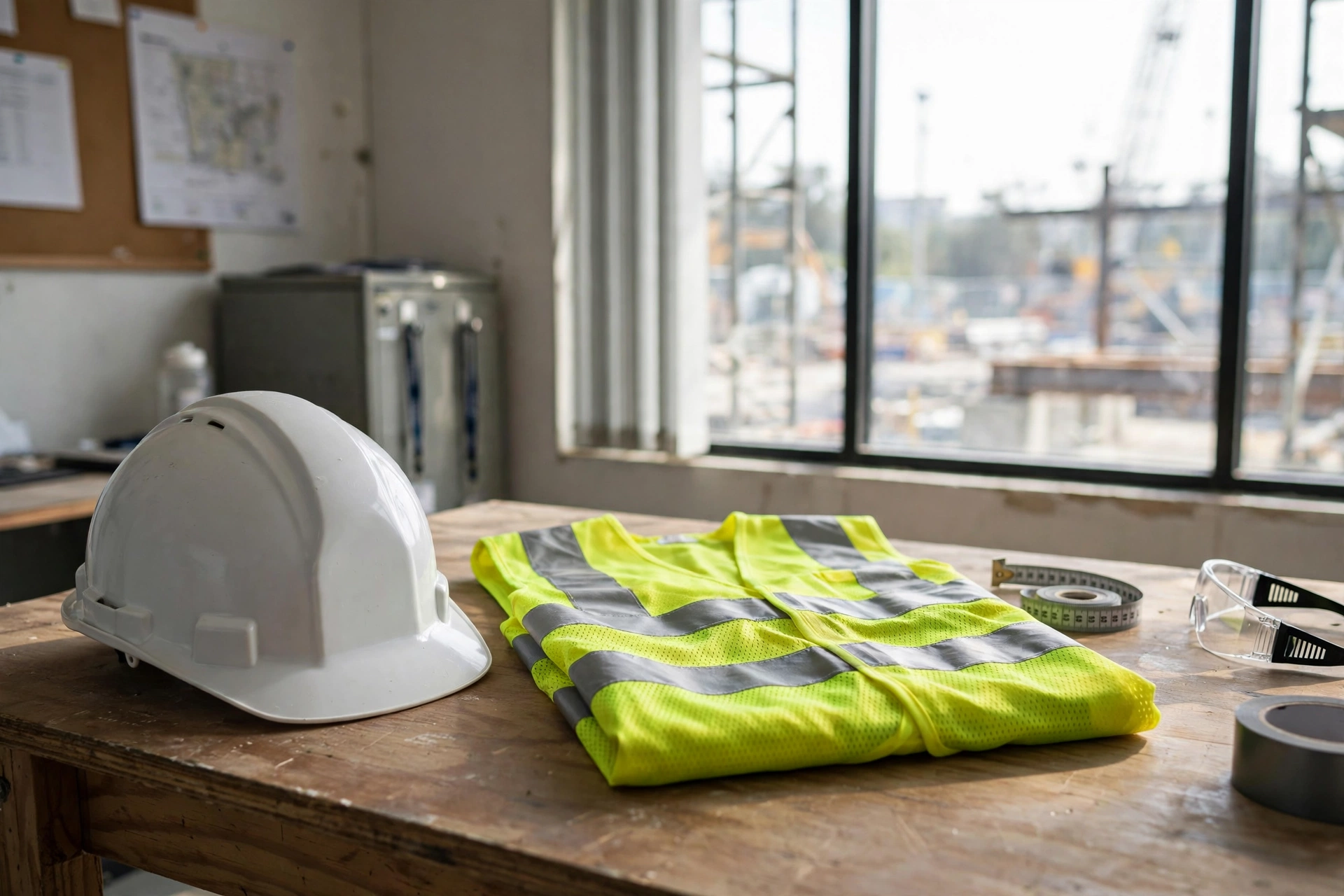
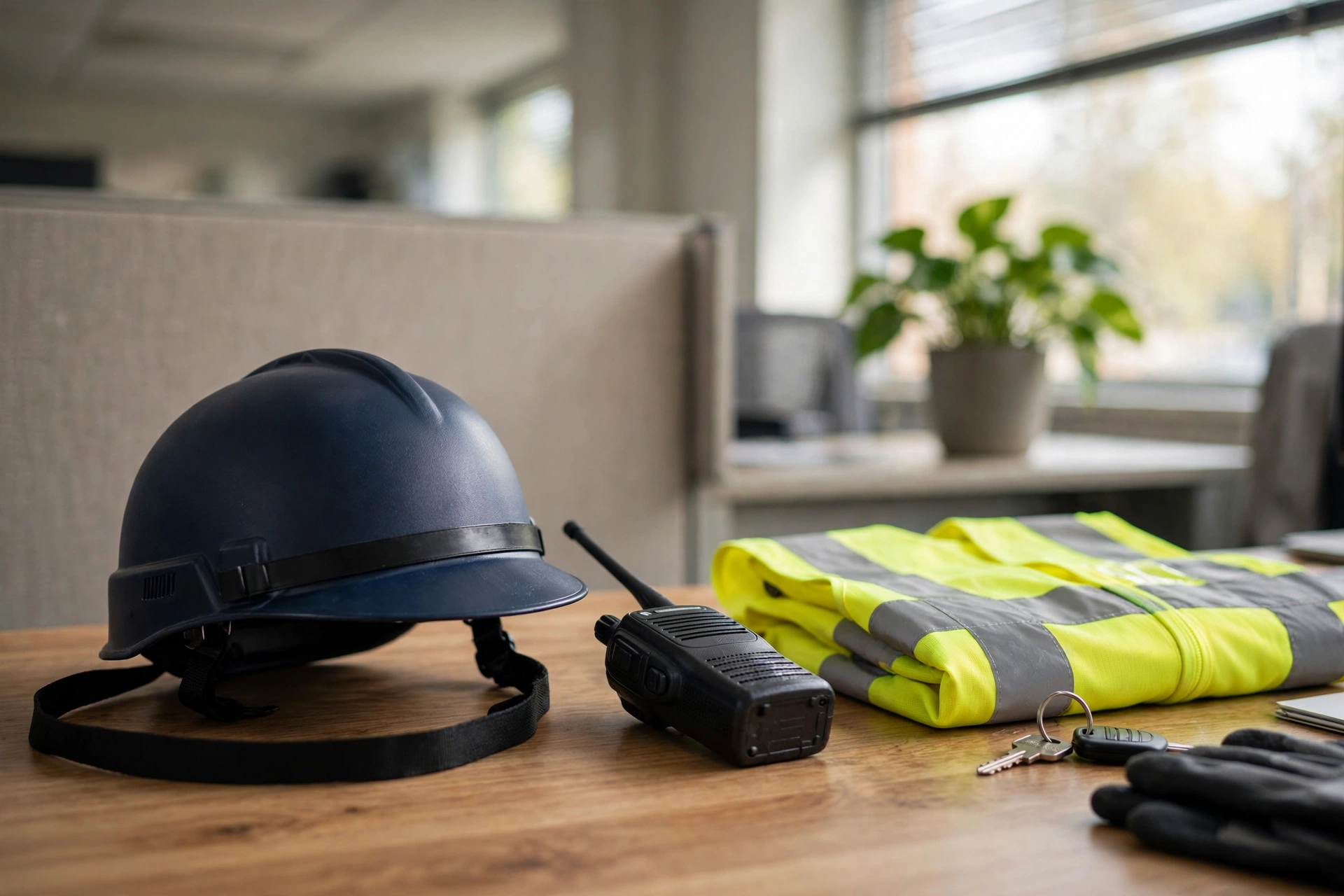
Guards wear helmets when their post involves a head-injury hazard. The most common case is construction or industrial sites, where guards may work near moving vehicles, overhead work, or areas with falling-object risk. On such sites, the guard is often subject to the same site rules as everyone else, including wearing a hard hat in designated areas. The helmet in that case is a standard industrial hard hat, not a ballistic or tactical helmet.
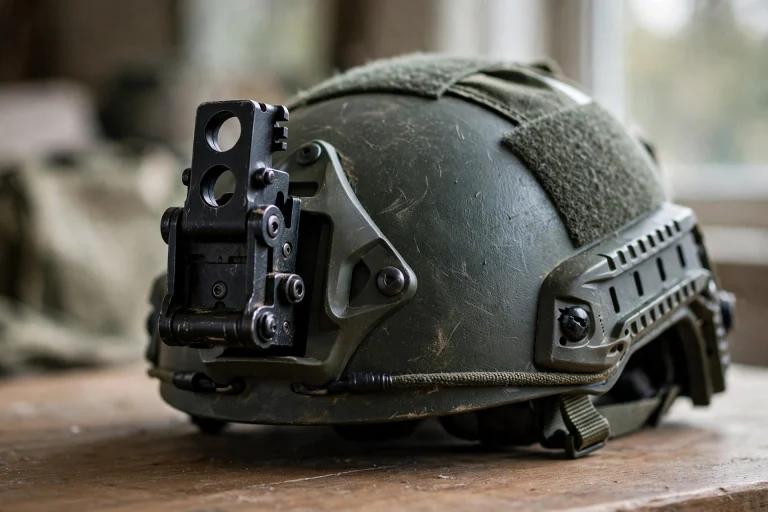
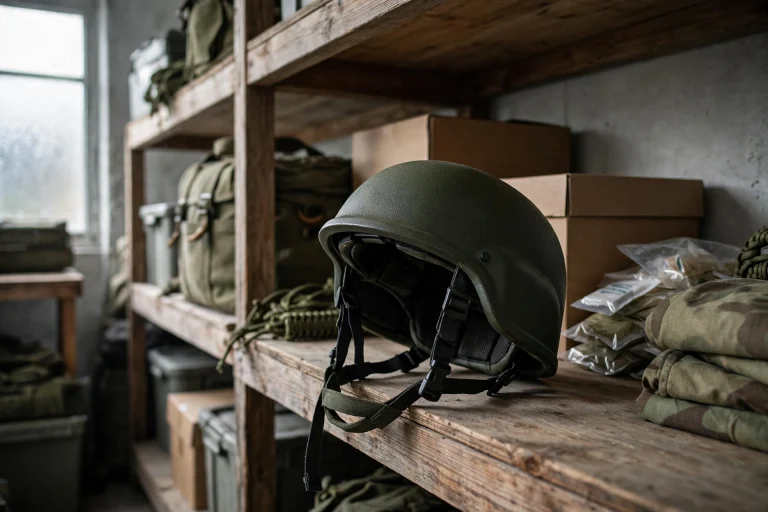
Event security is another case. Stewards and guards at large events, festivals, or stadiums may wear helmets where crowd management or thrown objects are a foreseeable risk — typically a public-order style helmet with a visor, similar to those used in policing. In higher-risk environments, such as guarding valuable goods in transit or working in areas with a weapons risk, a guard may be issued a ballistic helmet as part of a wider protective set. In general terms, the helmet always follows the assessed risk of the specific post, not the job title.
Another case is site patrols after hours. A guard checking a dark construction site at night faces the same falling-object and trip hazards as daytime workers, plus the added risk of poor visibility. In that situation the helmet is worn alongside a torch and high-visibility clothing, and the combination — head protection, visibility, and light — is what the risk assessment calls for. The guard’s employer should make clear which areas of the site require the helmet and which do not, so there is no guesswork on patrol.
What Kind of Helmet Do Security Guards Wear?
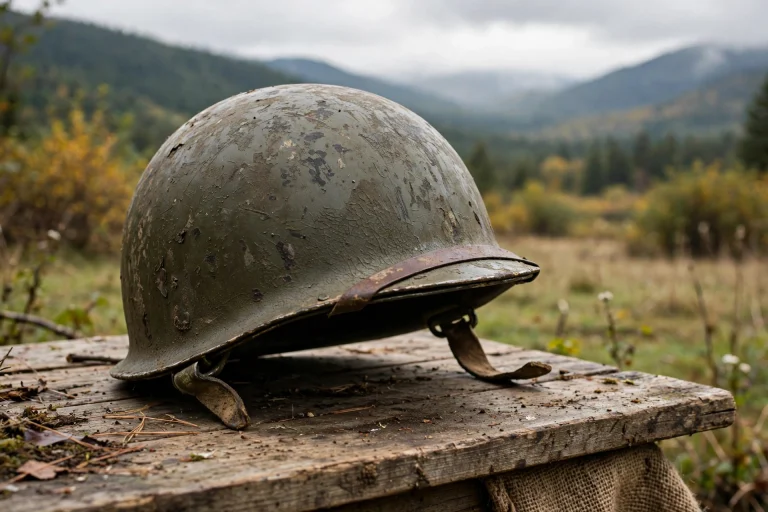
It depends entirely on the hazard. On a construction site, it is an industrial hard hat meeting the site’s head protection requirements, often with the guard’s company identification. At events, it may be a public-order helmet with a face visor. In higher-risk roles, it may be a ballistic helmet, sometimes with a cover. Each type is designed and tested for its own hazard, and they are not interchangeable.
What they have in common is that they are issued, fitted, and maintained by the employer, not chosen by the individual guard. The employer is responsible for making sure the helmet meets the relevant standard, fits the wearer, and is inspected and replaced when needed. A guard who is issued a helmet should also be trained in how to wear it correctly — a helmet worn tilted, loose, or with the strap undone does not protect as intended.
Do Security Guards Choose Their Own Helmets?
In general terms, no. Like police and military personnel, security guards wear the equipment their employer provides for the role. This is partly about standards and maintenance — the employer needs to know every helmet in use is inspected and within its service life — and partly about consistency and identification, since a guard’s appearance is part of the role.
That said, a guard who feels their post carries a head-injury risk that is not being addressed should raise it with their supervisor or safety representative. Risk assessments are meant to be reviewed, and a change in the site, the event, or the working conditions can change the equipment needed. Raising the issue through the proper channel is more effective than buying a helmet independently, which would not be part of the employer’s inspection system and might not meet the required standard. Some helmets also include features such as a low-friction layer for angled impacts; reading about what MIPS is for helmets can help you understand that kind of feature in general terms.
Does Wearing a Helmet Change How a Guard Works?
Yes, in practical ways. A helmet affects hearing, peripheral vision, and comfort, and it changes how the guard is perceived by the public. A hard hat on a construction site is expected and unremarkable; a ballistic helmet at a shopping centre entrance would be alarming and counterproductive. That is one reason helmets are matched to the post: the equipment should suit the environment, not just the hazard.
Training matters too. A guard issued a helmet needs to know how to fit it, when to wear it, and how to look after it — and when to take it off. A helmet left on when it is not needed, or worn incorrectly when it is, creates its own problems. Good practice is to treat the helmet as part of the post’s procedures, with the same clarity as any other part of the role.
Frequently Asked Questions
Q: Do shopping centre security guards wear helmets?
A: In general terms, no. Retail and lobby posts rarely involve a head-injury hazard, so a helmet is not usually part of the uniform for those roles.
Q: Do construction site guards wear hard hats?
A: Yes, often. Guards working on construction or industrial sites are usually subject to the same site rules as other workers, including wearing a hard hat in designated areas.
Q: Can a security guard buy their own ballistic helmet?
A: In general terms, guards wear employer-issued equipment, so a personally bought helmet would not be part of the employer’s inspection and replacement system. Any concern about risk should be raised with a supervisor.

Olivia
Writer at Helmet Today, covering helmet reviews, fit and riding safety.