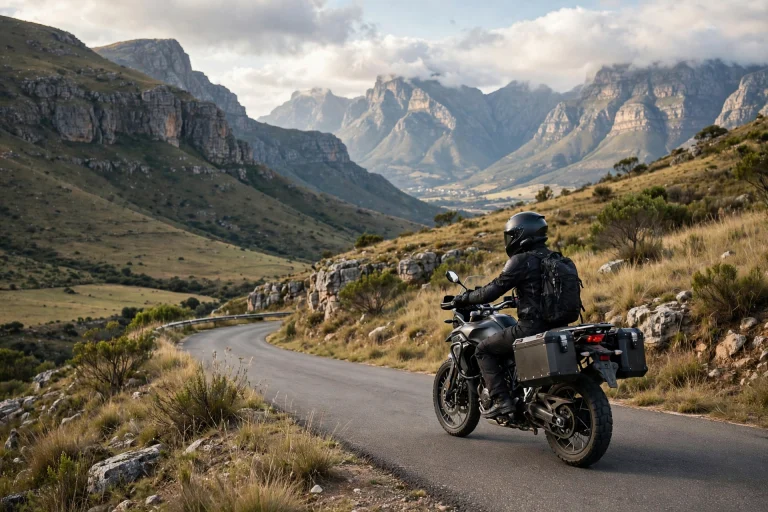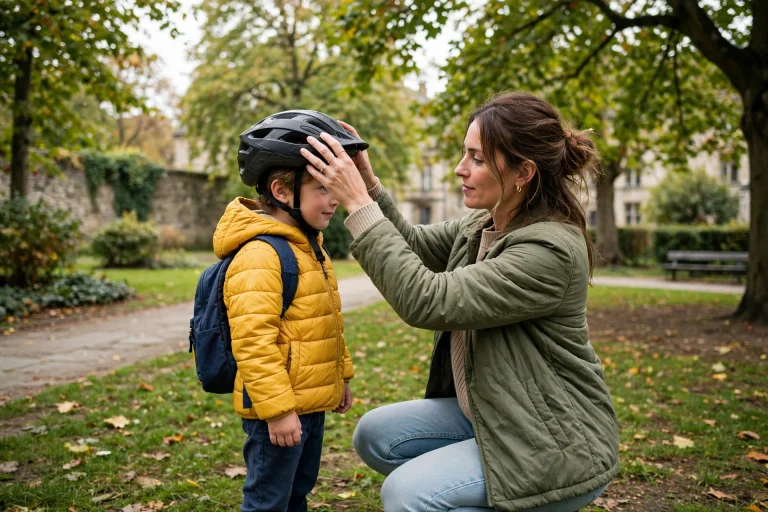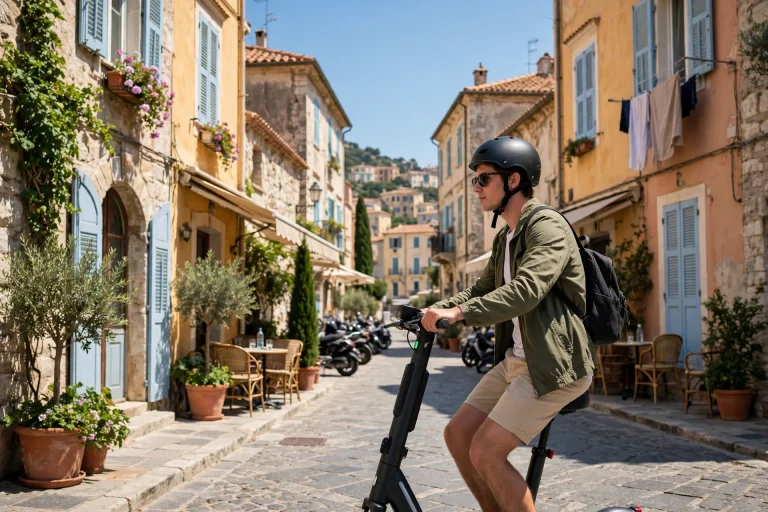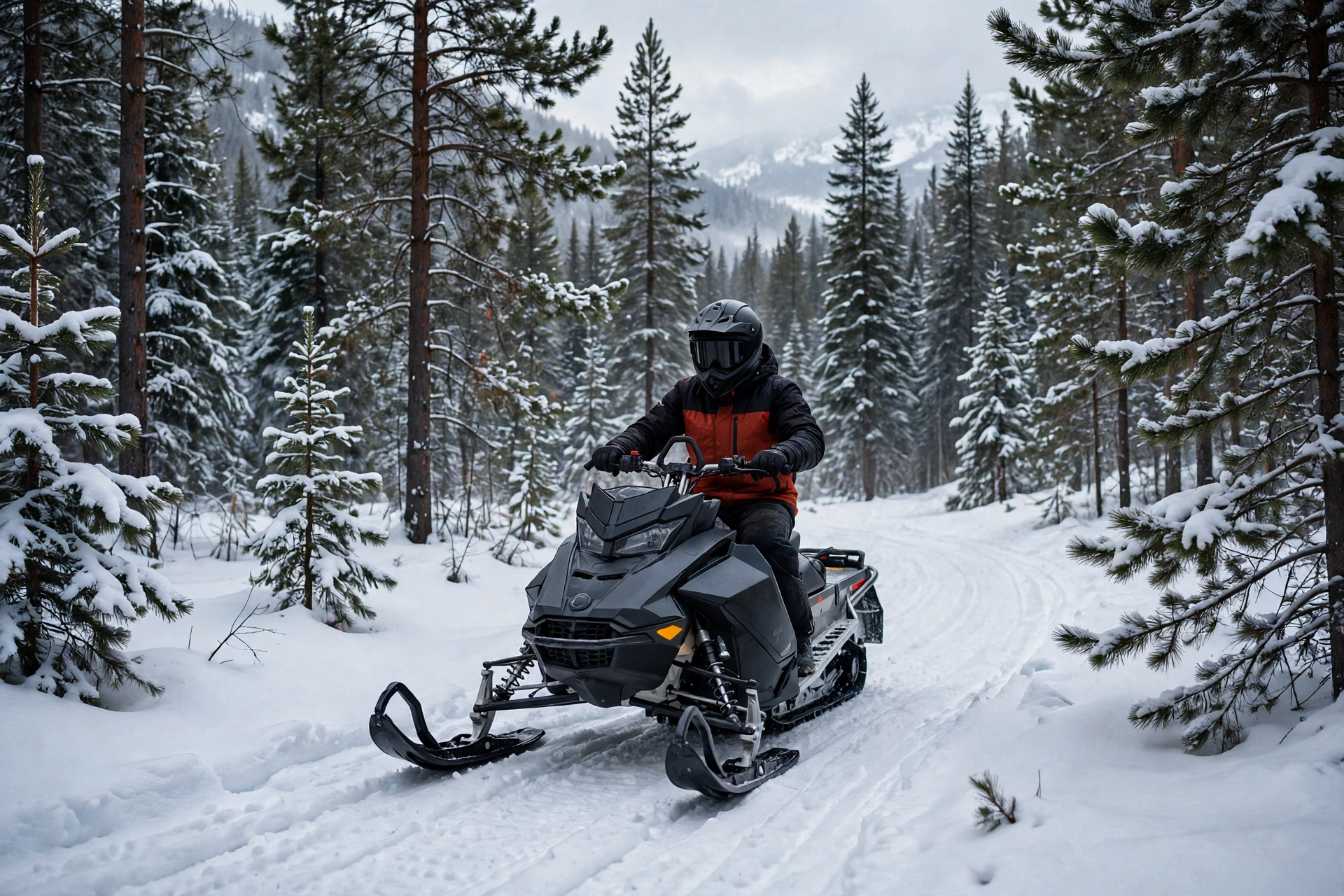
In general terms, snowmobile riders in Canada are required to wear a helmet in most provinces and territories, but the precise rules — which standard applies, who is covered, and where the requirement applies — vary by jurisdiction, so riders should check the current rules where they plan to ride. Snowmobiling is a major winter activity across Canada, and the helmet rules reflect the real risks of high speeds, hard snow, trees, and collisions on shared trails. The broad picture is consistent even where the details differ: a helmet is expected, not optional.
This guide explains, in general terms, how snowmobile helmet laws work across Canada, what counts as a suitable helmet, and what riders, passengers, and visitors should know. It is general information only, not legal advice, and it avoids specific fines or statute numbers, since those vary and change.
Do You Have to Wear a Helmet on a Snowmobile in Canada?
In general terms, yes, in most provinces and territories. Operators and passengers of snowmobiles are commonly required to wear an approved helmet, properly fastened, when riding on public land, organised trails, and highways, and in many jurisdictions the requirement extends more broadly. Some jurisdictions have narrower provisions or exemptions, particularly for certain work uses or private land, but these are exceptions to a general rule, not the norm.
Because each province and territory writes its own rules, a rider who travels between jurisdictions should check each one separately. A snowmobile trip that crosses a provincial boundary can cross into a different legal framework, and trail organisations may also set their own conditions for using their trails, such as requiring a trail pass or membership. Checking before the trip takes minutes and avoids an unpleasant stop on the trail, and it also helps you plan fuel, accommodation, and emergency contacts along a route that may pass through remote country where help is far away.
What Counts as an Approved Snowmobile Helmet?
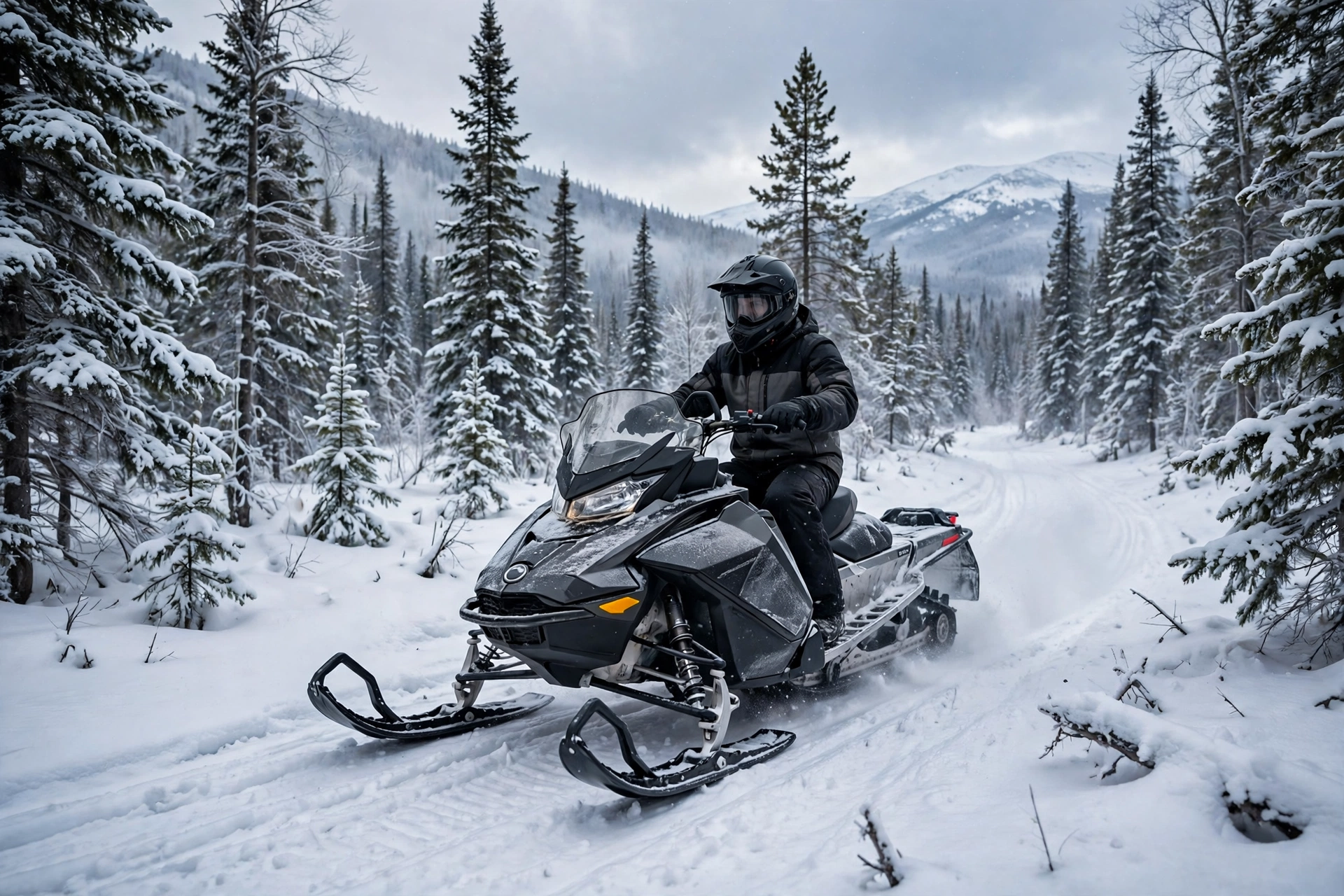
In general terms, an approved snowmobile helmet is a full-face or modular helmet that meets a recognised standard for motorised use and is designed for cold-weather riding, with a visor or goggles, insulation, and a breath system that reduces fogging. A bicycle helmet, ski helmet, or hard hat is not a substitute: each is built for different impacts and conditions, and a helmet that fogs, freezes, or fits poorly in winter is a hazard in itself.
Fit matters as much as certification. A snowmobile helmet is worn over a balaclava and sometimes a neck warmer, so try it on with the layers you will actually wear. It should sit level, cover the forehead, and stay stable when you move your head, with the chin strap snug. A helmet that has been in a crash should be replaced, since the liner may have absorbed an impact invisibly, and visors should be kept clean and scratch-free for clear vision.
Do Passengers and Young Riders Have Extra Rules?
Passengers on snowmobiles are, in general terms, subject to the same helmet requirement as operators in jurisdictions that permit passengers, and many jurisdictions only allow passengers on snowmobiles designed for two riders. Carrying a passenger on a single-rider machine can breach vehicle rules as well as helmet rules, so riders should check both before taking someone along.
Young riders receive particular attention. Provinces and territories commonly set minimum ages for operating snowmobiles, sometimes with supervision or training conditions for younger riders, and helmet requirements apply to young operators and passengers alike. Families planning a snowmobile outing should check the age and helmet rules for their destination together, since the two are often linked, and should never treat a child riding as a passenger as exempt from the helmet rule.
What About Private Land, Lakes, and Work Use?
Private land and frozen lakes are common grey areas. Some jurisdictions apply helmet requirements mainly to public land and organised trails, while private land use may sit under different provisions. Frozen lakes add their own hazards — ice conditions, pressure ridges, and other riders — that make helmets just as important there as on a trail. The safety case for a helmet does not change with land ownership.
Work use, such as trappers, guides, and utility workers using snowmobiles on the job, may fall under occupational safety rules as well as trail law, and employers may set their own helmet requirements. Anyone using a snowmobile for work should check both frameworks. For recreational riders, the simplest rule covers every situation: helmet on, every ride, whatever the land.
What Should Visitors and Rental Riders Know?
Visitors renting snowmobiles in Canada should confirm the helmet requirement in that province or territory, whether the rental includes a suitable helmet in their size, and any trail pass or trail rules that apply. Rental operators and tour guides normally supply helmets and explain the local rules, but the rider remains responsible for wearing the helmet properly and for following trail rules.
Insurance is worth a check too. Travel or personal insurance may include conditions about helmets or licensed operation, and a claim after an accident can be affected if a required helmet was not worn. Experienced riders who bring their own helmet should make sure it meets an accepted standard and suits winter conditions. For background on how helmet liners manage impact forces, this explanation of modern helmet liner systems is worth reading.
How Can Riders Stay Current on Provincial Rules?
Provincial and territorial rules change from time to time, and trail organisations update their guidance each season. Before a trip, check the relevant provincial government pages and the local trail association’s current guidance, and confirm details with your rental operator or guide on arrival. That check is quick, and it is the only way to be sure about the jurisdiction you will actually ride in.
Whatever the current local detail, the habit that satisfies the law in most of Canada and protects the rider everywhere is the same: an approved, well-fitting snowmobile helmet, fastened, on every ride, for operator and passenger alike.
Frequently Asked Questions
Q: Is a helmet required for snowmobiling in Canada?
A: In general terms, yes in most provinces and territories, but details vary by jurisdiction. Check the current rules where you plan to ride.
Q: Can I wear a ski helmet on a snowmobile?
A: No, in general terms. Snowmobile helmets meet recognised standards for motorised use and are designed for cold, speed, and visor use, while ski helmets are built for different conditions.
Q: Do snowmobile passengers need helmets?
A: In general terms, yes, where passengers are permitted. Passengers must usually wear an approved helmet, and many jurisdictions only allow passengers on two-rider machines.

Olivia
Writer at Helmet Today, covering helmet reviews, fit and riding safety.