
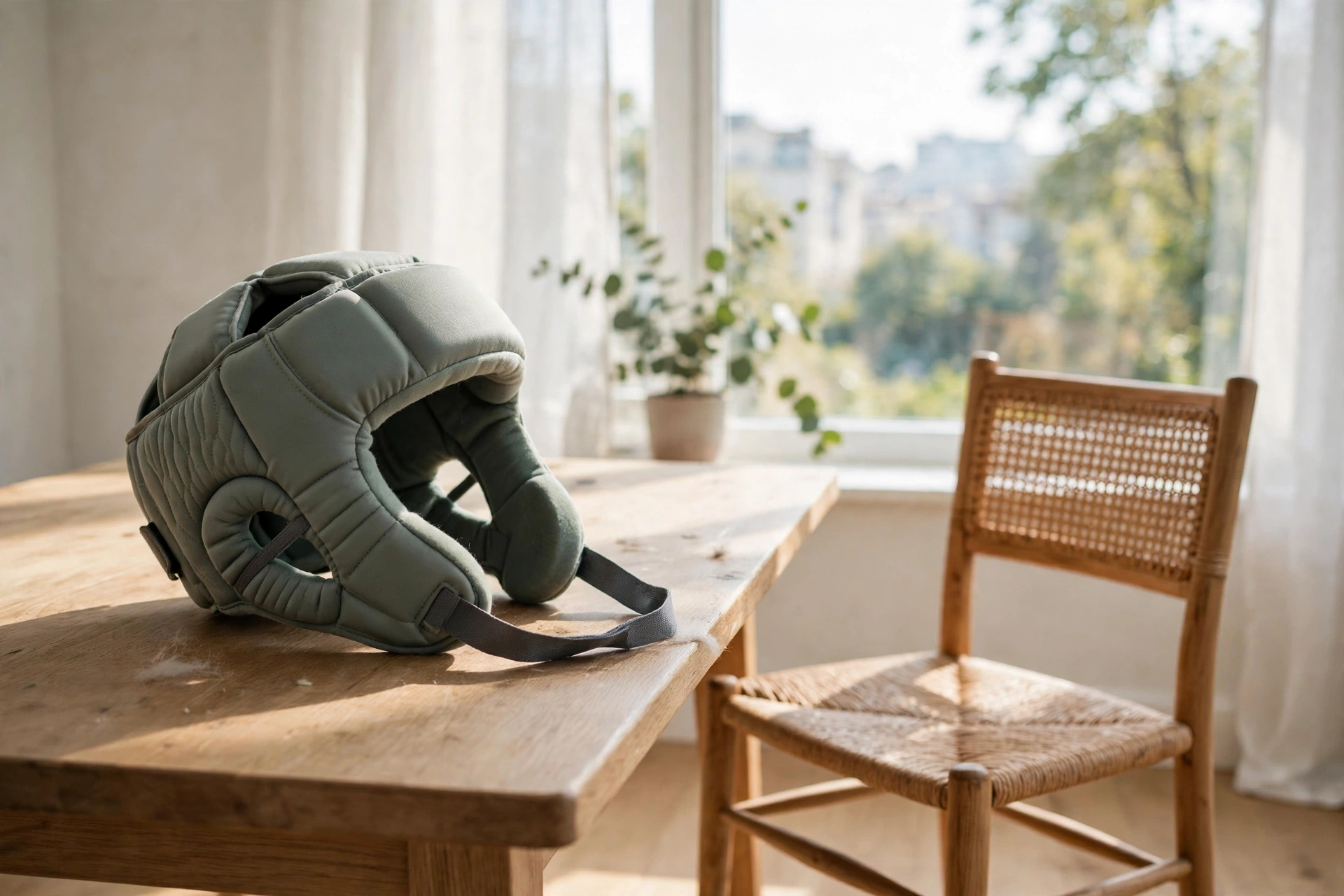
A protective helmet for epilepsy is a soft, lightweight helmet worn to cushion the head if a seizure causes a sudden fall. It is not a treatment for epilepsy, and it does not prevent seizures. Its job is narrower and practical: when a person falls without warning and cannot protect their head, the helmet absorbs some of the impact and reduces the risk of cuts, bruising, and more serious head injury.
Protective helmets for epilepsy are discussed most often for people whose seizures involve sudden falls, and they come in several soft designs that balance protection, comfort, and appearance. This guide explains, in general terms, what these helmets are, how they differ from sports helmets, how fit is checked, and what families should discuss with a clinician. It is general information only, not medical advice for any individual.
What Is a Protective Helmet for Epilepsy?
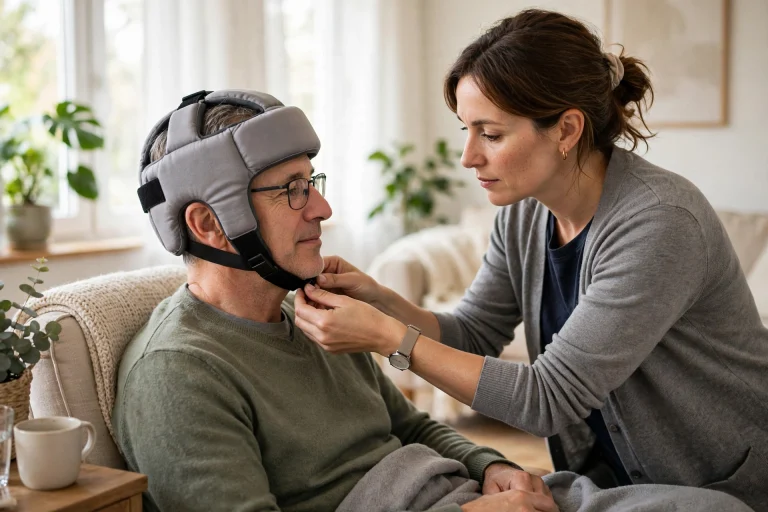
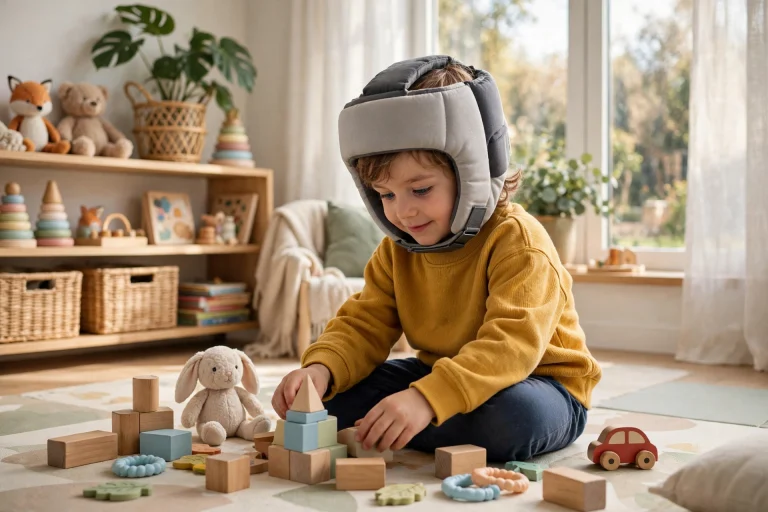
A protective helmet for epilepsy is a soft helmet made of foam with a fabric cover, shaped to fit the head closely and held in place by a chin strap or harness. Unlike a bicycle or ski helmet, it has no hard outer shell, because it is designed for a different situation: a fall from standing height onto a floor or furniture, rather than a high-speed crash. The soft construction keeps it light and comfortable enough to wear for long periods, which matters because a helmet only helps when it is actually worn.
These helmets are sometimes called seizure helmets, soft helmets, or protective headgear, and the names vary by maker and country. What they share is a focus on everyday wear: they are meant to be worn at home, at work, at school, or outdoors, without drawing excessive attention or getting in the way of daily life. Some models are designed to look like an ordinary cap, which helps people who feel self-conscious wearing obvious protective gear in public.
It is worth being clear about what the helmet cannot do. It does not reduce seizure frequency, it does not warn of a coming seizure, and it does not protect the rest of the body in a fall. It is one part of a broader safety plan that may include medication, supervision, home adjustments, and advice from the person’s clinician about activities and environments.
How Does It Differ From a Sports Helmet?
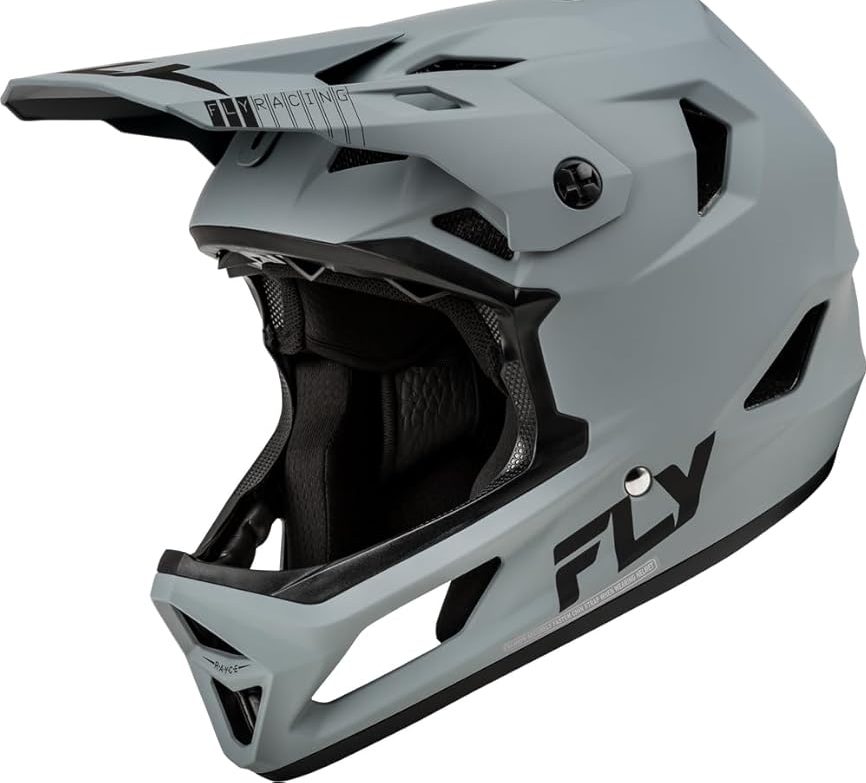
The differences start with the kind of impact each helmet is built for. A sports helmet is tested against high-speed impacts — a cyclist hitting the road, a skier hitting a tree — and it uses a hard shell and a crushable foam liner to manage that energy once. After a serious impact, a sports helmet is usually replaced. A protective helmet for epilepsy, by contrast, is built for repeated low-speed falls: it uses softer foam that springs back, so it can be worn day after day and survive many minor knocks.
Weight and comfort are the next differences. Sports helmets are worn for hours at a time during an activity, but they can be taken off afterwards. A protective helmet for epilepsy may be worn for most of the day, so it needs to be lighter, better ventilated, and less restrictive. A heavy, hot helmet that is worn inconsistently protects less than a lighter helmet worn every day, so comfort is a safety feature, not a luxury.
Appearance and coverage differ too. Sports helmets are openly sporty, with vents, peaks, and bright colours. Protective helmets for epilepsy tend to be plainer, with coverage that can be chosen to suit the person’s needs — full coverage for maximum protection, or a more open design that leaves the ears free for hearing and comfort. The right balance depends on the individual’s fall pattern and daily activities, and it is worth discussing with a clinician rather than guessing. If you are learning about helmet features in general, reading about what MIPS is for helmets can help you understand a sports helmet technology that does not apply to soft protective helmets.
How Is Fit Checked?
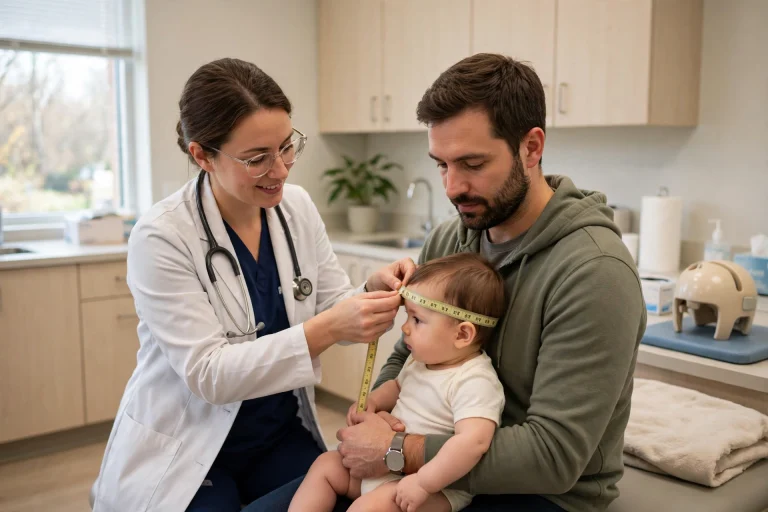
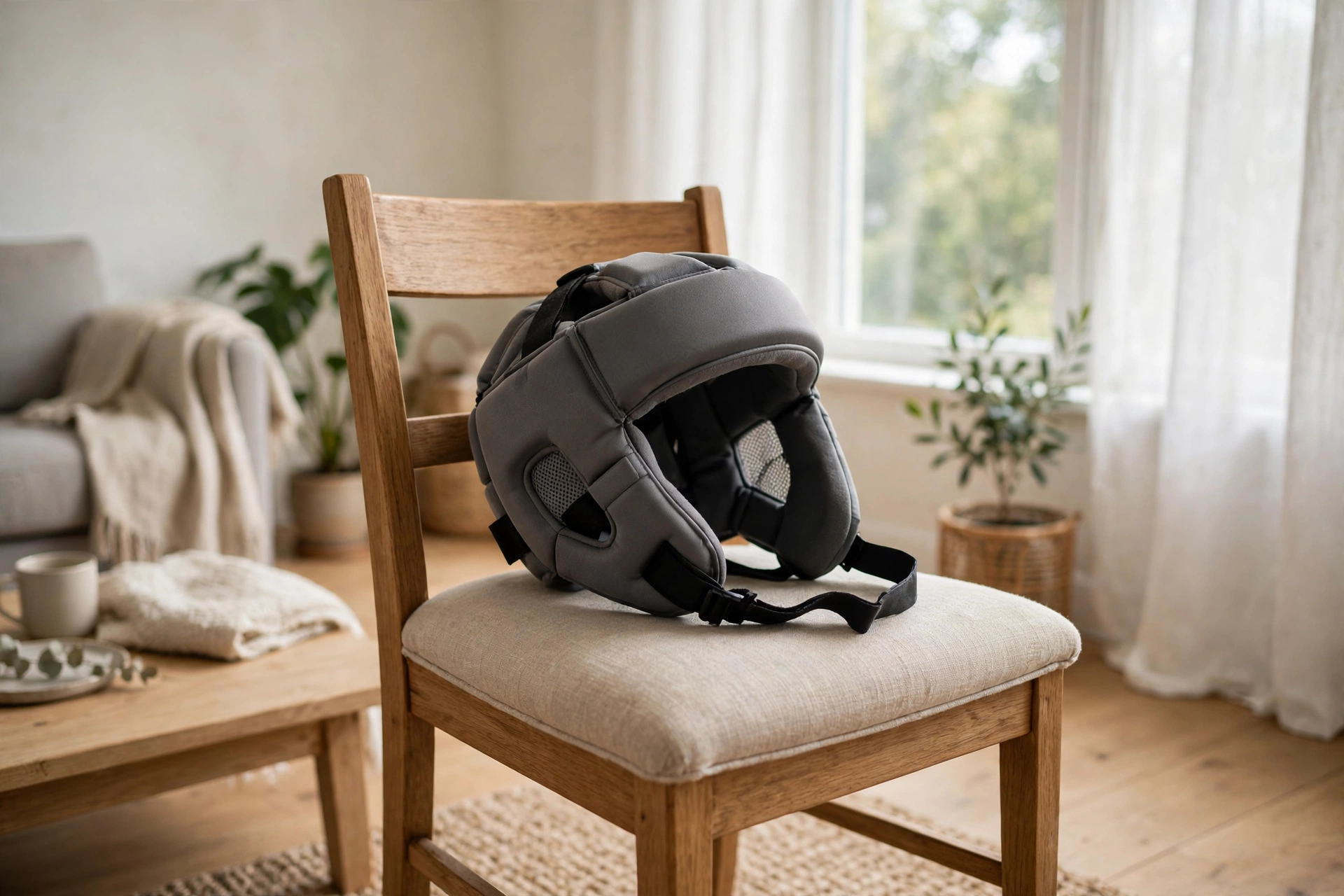
Fit starts with measurement. The head is measured around its widest part, usually just above the eyebrows and ears, and the result is matched to the maker’s size chart. Because sizing varies between makers, a measurement is only a starting point: the helmet should then be tried on and checked in person, ideally with the clinician or supplier who recommended it.
A well-fitting protective helmet sits level on the head, covering the forehead without sliding down over the eyes, and feels snug all around without pressing painfully anywhere. The chin strap should be snug enough that the helmet does not shift when the head is shaken gently, but not so tight that it is uncomfortable or restricts jaw movement. If the wearer also uses glasses or hearing aids, the helmet should be checked with those in place, since they change how it sits.
Fit should be rechecked over time, especially for children who are growing, and after any change in hairstyle, weight, or head shape. Straps stretch, foam compresses, and a helmet that fitted well six months ago may fit less well now. A regular fit check — at clinical appointments or at home using the maker’s guidance — keeps the helmet doing its job.
What Should Families Discuss With a Clinician?
Families considering a protective helmet for epilepsy should discuss when it should be worn. Some people need it mainly during certain activities or at certain times of day, while others benefit from wearing it for most waking hours. The pattern depends on when seizures happen, where the person spends time, and what surfaces they might fall onto. A clinician who knows the seizure history can help set a wearing pattern that is realistic and safe.
It is also worth discussing the environment alongside the helmet. Softening hard corners, choosing safer flooring where possible, and planning supervision for higher-risk activities can reduce injury risk further. A helmet is one layer of protection, and it works best as part of a plan that also looks at where falls happen and what the person lands on.
Finally, discuss review and replacement. Ask how often the helmet should be checked, what signs mean it needs replacing, and what to do after a particularly hard fall. Knowing the plan in advance avoids uncertainty at a stressful moment, and it keeps the helmet in good condition for as long as it is needed. Remember that this article is general information only; decisions for an individual should always follow their own clinician’s advice.
Frequently Asked Questions
Q: Does a protective helmet for epilepsy cure or control seizures?
A: No. It does not affect seizures themselves in any way. It only cushions the head during a fall, and seizure management remains a matter for the person’s clinician.
Q: Is a protective helmet for epilepsy the same as a bicycle helmet?
A: No. A bicycle helmet has a hard shell and a crushable liner designed for high-speed crashes, while a protective helmet for epilepsy is soft, lightweight, and designed for repeated low-speed falls and all-day wear.
Q: How long does a protective helmet for epilepsy last?
A: It depends on use, care, and the maker’s guidance. Foam compresses and straps stretch over time, and a helmet that has taken hard falls or no longer fits snugly should be checked and possibly replaced.

Olivia
Writer at Helmet Today, covering helmet reviews, fit and riding safety.