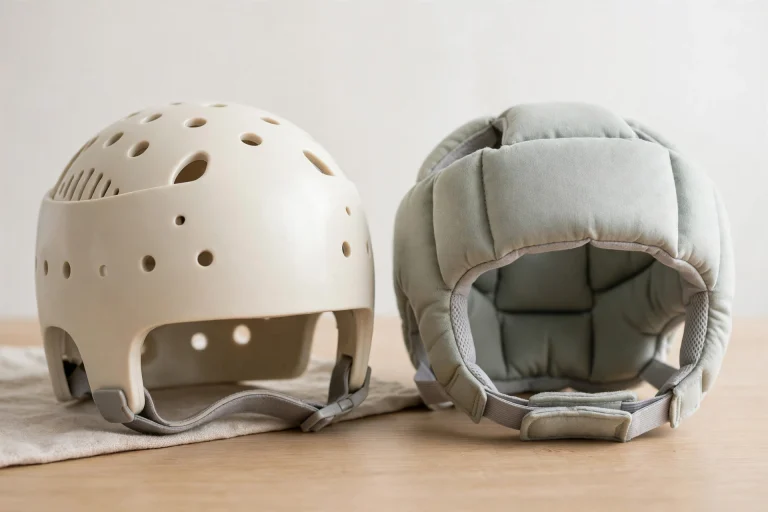
Cranial Helmet Fitting Appointments: What Happens
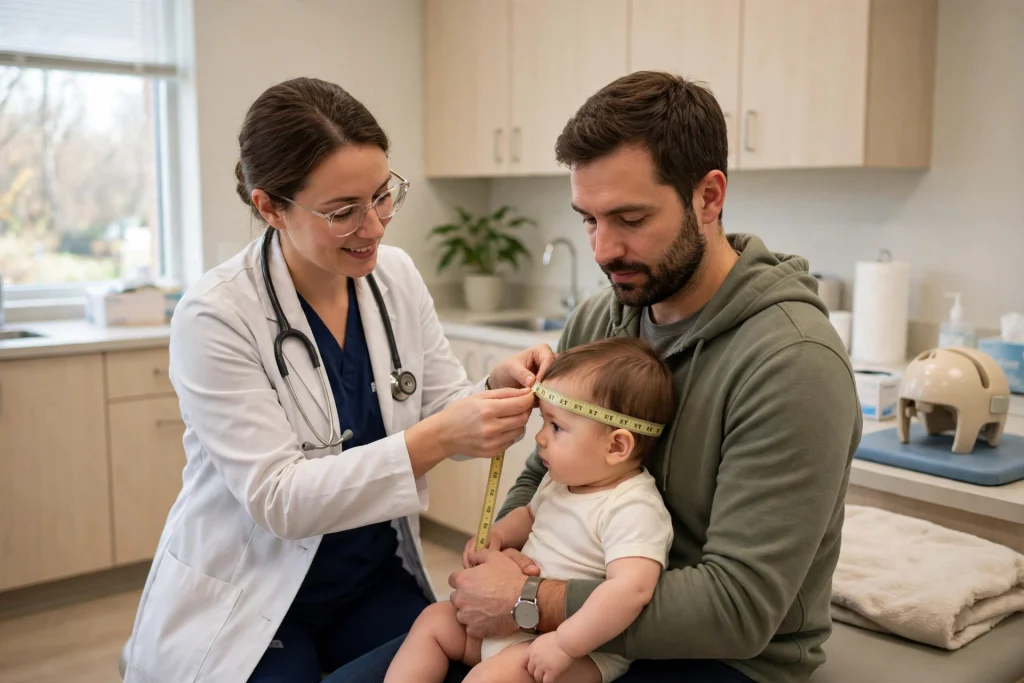
At a cranial helmet fitting appointment, a clinician measures and scans the baby’s head, checks the shape, and — at later visits — fits the custom helmet, adjusts it, and reviews progress. The first…
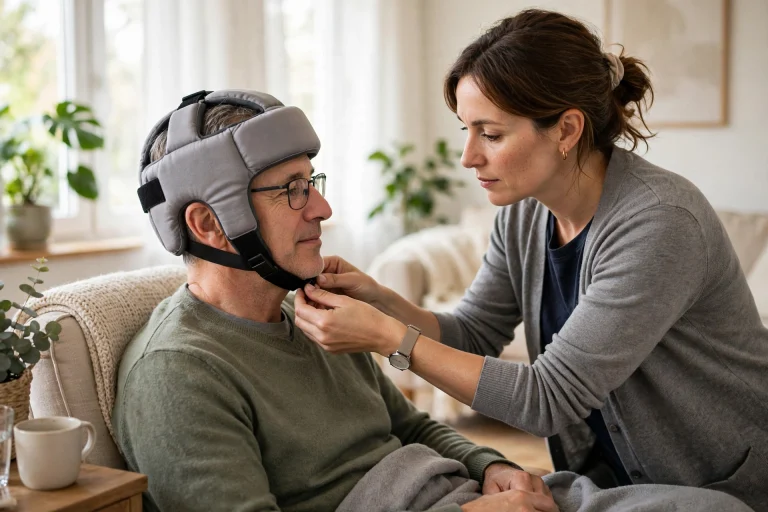
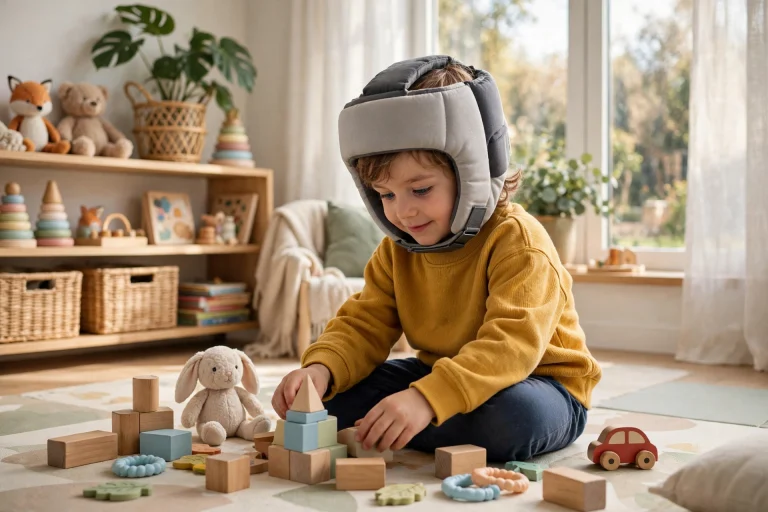
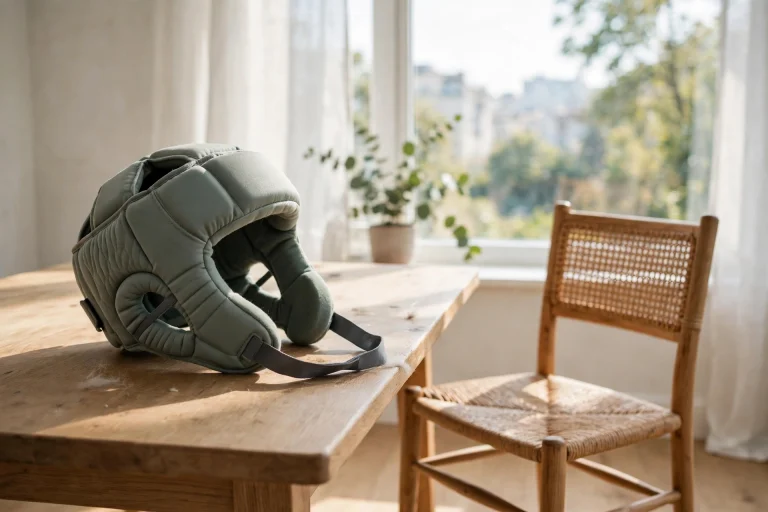
To fit a medical protective helmet, measure the head, choose the size that matches, then check that it sits level, feels snug…
Whether children with special needs need protective helmets depends on the individual child, their activities, and their risk of head injury —…
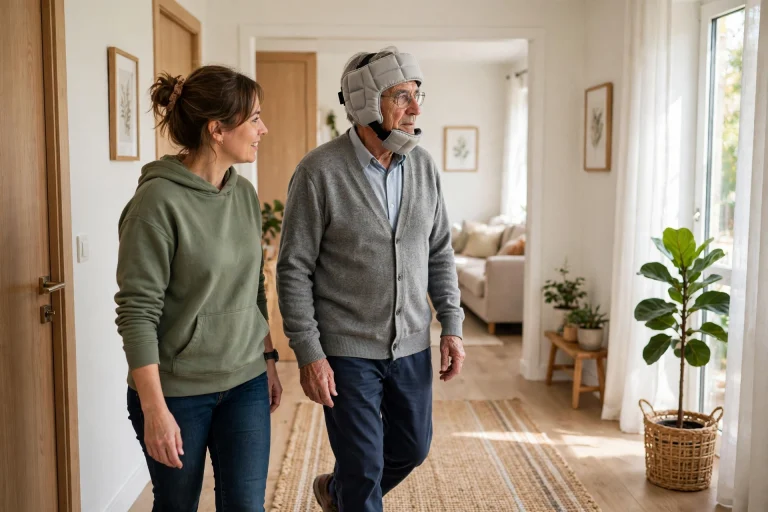
To choose a soft head protector for elderly fall safety, start with fit and comfort, then check coverage, weight, ventilation, and ease…
A protective helmet for epilepsy is a soft, lightweight helmet worn to cushion the head if a seizure causes a sudden fall.…
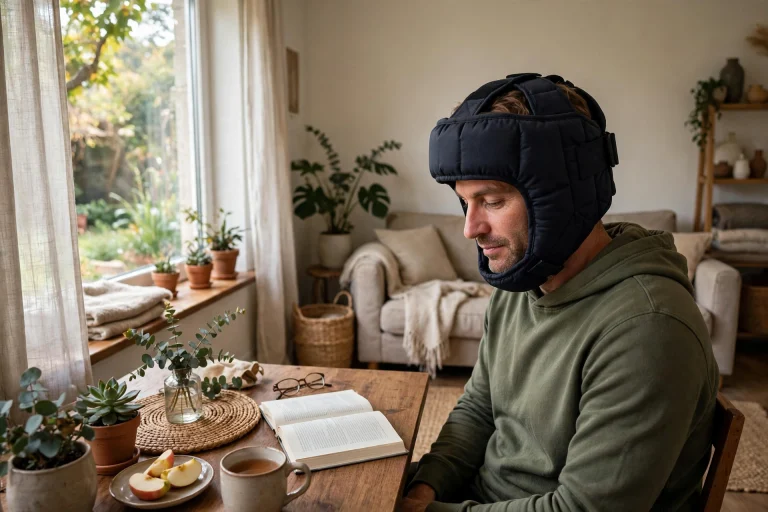
Yes, some adults do wear medical helmets for seizures, in general terms, when a clinician judges that head protection could reduce injury…
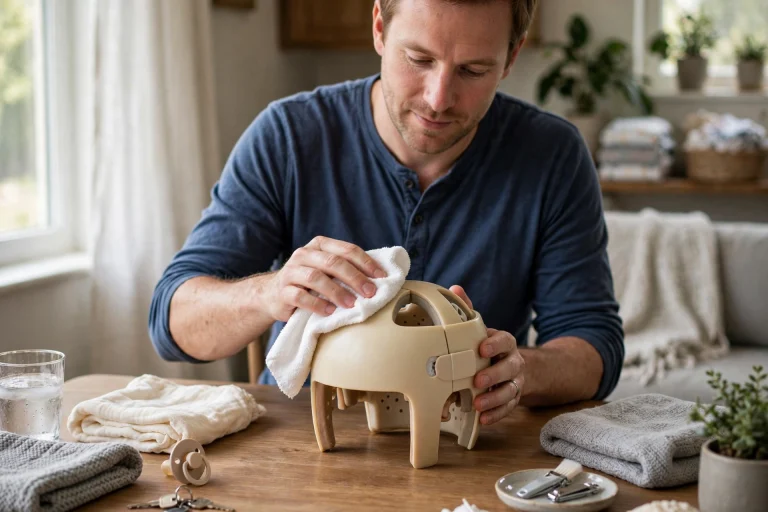
To clean a cranial helmet, wipe the outside and inside with a soft cloth dampened with mild soap and water, then let…
The difference between a cranial helmet and a regular baby helmet is purpose: a cranial helmet is a custom medical device that…
A cranial helmet for babies is a lightweight, custom-shaped helmet worn by an infant to help guide the shape of the head…