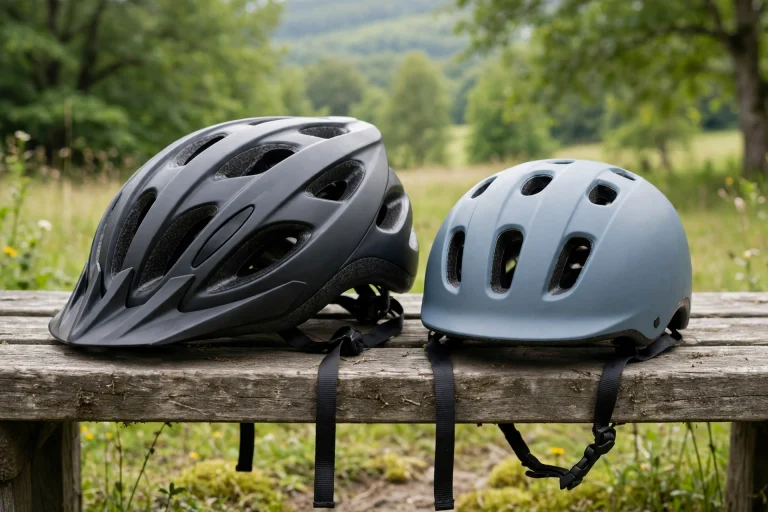
No, not all helmets protect equally in a crash — helmets differ in design, materials, fit, and the standard they are built to, and those differences affect how much protection they give. Two helmets can look almost identical on a shop shelf and still perform differently when they hit the ground. The good news is that any helmet certified to the right standard for its sport offers a real level of protection; the differences are in the details, not in whether a helmet works at all.
This question matters because it shapes how people shop. If all helmets protected equally, price and looks would be the only things to compare. In reality, the choice is more interesting: some helmets are better at certain kinds of impact, some fit certain head shapes better, and some offer extra coverage. This guide explains what makes helmets different and how to choose one that protects you well.
Why Do Helmets Look So Similar?
Most helmets look similar because they solve the same basic problem in the same basic way: a hard outer shell spreads the force of an impact, and a foam liner inside crushes to absorb energy. That combination has been the foundation of helmet design for decades, and it works. Whether the helmet is for cycling, skiing, or motorcycling, the shell-and-liner idea is the same, so the shapes end up similar too.
But the baseline is a minimum, not a ceiling. Some helmets go well beyond it, with better liners, smarter shell shapes, and extra features that help in particular kinds of crash. The differences are often hidden inside the helmet, where you cannot see them, which is why two helmets that look the same from the outside can protect differently.
What Makes One Helmet Protect Differently from Another?
The liner is one of the biggest factors. Most helmets use a foam liner, but the density, thickness, and quality of that foam vary. A well-designed liner crushes in a controlled way over a wide range of impact speeds, while a cheaper liner may work well at one speed and less well at another. Some helmets use more than one density of foam, with softer foam for low-speed impacts and firmer foam for harder ones.
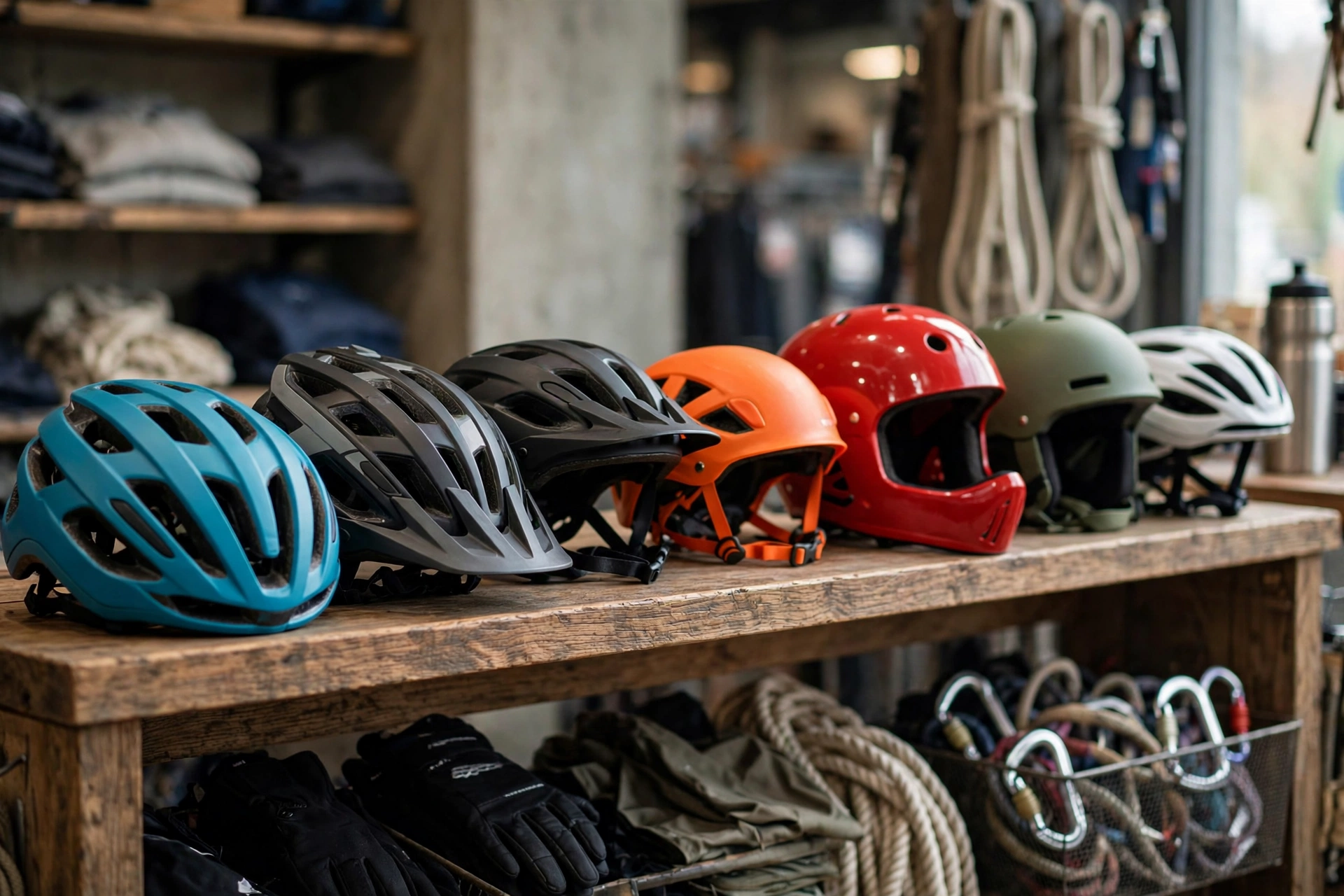
The shell matters too. A shell that is too stiff may pass more force to the head, while one that is too soft may crack or deform too easily. The shape of the shell affects how the helmet slides on the ground: a smooth, rounded shell is less likely to catch and twist the head than one with sharp edges or protruding parts. Coverage also differs — a full face helmet protects the chin and jaw, while an open face helmet does not, and that is a real difference in protection.
Extra technologies add further differences. Some helmets include a slip liner that lets the shell move slightly against the head in an angled impact, which can reduce the twisting forces on the brain. Others use a different liner material or a multi-part design. If you are learning about how helmets handle different kinds of impact, reading about what MIPS is for helmets can help you understand one of the technologies used in modern helmet design.
Do Standards Mean All Certified Helmets Are Equal?
In general terms, no. A standard sets a minimum level of protection, not a single level. Every helmet that passes the standard meets that minimum, but some helmets pass with a comfortable margin while others only just pass. The standard also tests only certain kinds of impact, usually a straight drop onto a flat or curved surface, and helmets can differ in how they handle impacts the standard does not test, such as angled hits.
Standards also differ between sports and countries. A bicycle helmet standard tests for the speeds and impacts of cycling, while a motorcycle helmet standard tests for higher speeds and different conditions. A helmet that meets one standard may not meet another, and using a helmet for the wrong sport can leave you with less protection than you think. Always check that the helmet is certified for the sport you will use it for.
What Should You Check Before Choosing?
Start with the standard. Look for the certification label inside the helmet and make sure it matches your sport. A helmet without a recognised certification should not be used for that sport, however good it looks. The label is the simplest check you can make, and it is worth doing before anything else.
Next, check the fit. A helmet that fits well will protect you better than a more expensive helmet that fits badly, because a well-fitting helmet stays in place and lets the liner work as designed. Try on several helmets, shake your head, and choose the one that sits level, feels snug all round, and stays put.
Finally, consider coverage and features. If you ride downhill or on a motorcycle, a full face helmet gives extra protection for the chin and jaw. If you ride in traffic, a helmet with good visibility and ventilation may be more useful. Think about the risks of your sport and choose a helmet whose design matches them.
Does Price Tell You How Much Protection You Get?
Price is a rough guide at best. A more expensive helmet often has a lighter shell, better ventilation, a nicer finish, and extra features — but those things are about comfort and convenience, not necessarily about protection. A well-made budget helmet that meets the right standard and fits well can protect you just as well in a straightforward impact as a helmet costing several times as much.
That said, very cheap helmets with no recognised certification should be avoided. If a helmet has no label, no maker you can trace, and no standard it claims to meet, there is no way to know whether it will protect you at all. The safest approach is to set a minimum: certified to the right standard, fits well, and from a maker you trust. Above that minimum, spend extra on comfort, weight, and features that make you more likely to wear it.
In short, do not judge a helmet by its price tag alone. Judge it by its standard, its fit, and its design for your sport. Those three things tell you far more about protection than the number on the shelf.
Frequently Asked Questions
Q: Is the most expensive helmet always the safest?
A: No. Price often reflects weight, ventilation, finish, and extra features rather than protection. A certified helmet that fits well can protect just as well as a much more expensive one in a straightforward impact.
Q: Does a certified helmet guarantee protection in every crash?
A: No helmet can guarantee protection in every crash, as crashes vary in speed, angle, and surface. A certified helmet gives a tested level of protection, and a good fit and correct use make that protection work as well as possible.
Q: Are helmets from different brands tested the same way?
A: In general terms, helmets certified to the same standard are tested to the same requirements. But makers may also do extra internal testing, so two helmets with the same certification can still differ in how they handle impacts the standard does not cover.

Olivia
Writer at Helmet Today, covering helmet reviews, fit and riding safety.