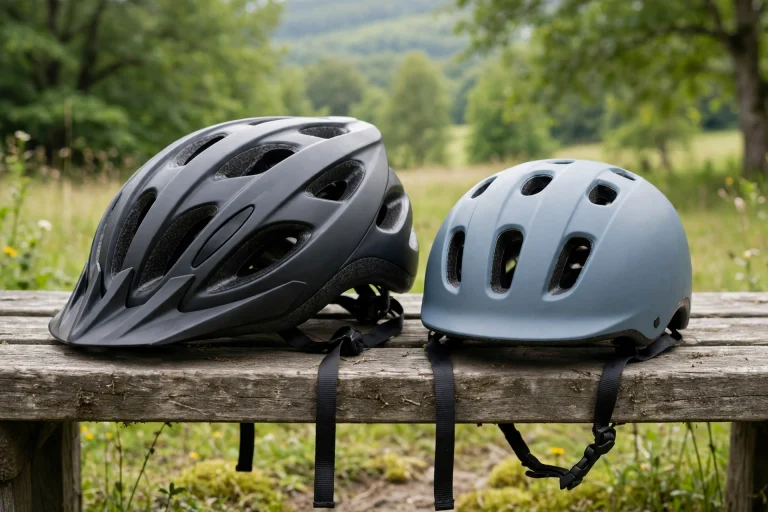
Yes, a helmet can be too tight to be safe — a helmet that squeezes your head too hard is uncomfortable, distracting, and may not sit correctly, which can reduce the protection it offers in a crash. A helmet should feel snug, but snug is not the same as tight. The difference matters, because a helmet that hurts to wear is a helmet you will want to take off, loosen, or wear pushed back — and any of those choices makes it less safe.
Fit is one of the most important parts of helmet safety, yet it is also one of the most misunderstood. Many riders believe that tighter is better, and that a helmet should feel as firm as possible. This guide explains how a helmet should fit, what happens when it is too tight, and how to tell the difference between a good snug fit and a fit that is too tight.
How Should a Helmet Fit?
A well-fitting helmet sits level on your head, covering the forehead without sitting too low over the eyes or too high on the forehead. It should feel snug all round, with the padding in even contact with your head, and it should stay put when you shake your head gently from side to side. There should be no gaps between the padding and your head, and no pressure points that hurt after a few minutes.
The strap should fasten snugly under the chin, with room for about two fingers between the strap and your chin. The helmet should not slide forward over your eyes when you push it from behind, and it should not slide back to expose your forehead when you push it from the front. A helmet that passes these checks is fitting well, even if it feels a little firm at first.
What Happens When a Helmet Is Too Tight?
The most obvious problem with a helmet that is too tight is discomfort. Pressure on the forehead, the temples, or the top of the head can quickly turn into a headache, and a headache makes it hard to concentrate on the road. A rider who is distracted by pain is less aware of traffic, less able to make good decisions, and more likely to make a mistake.
In general terms, a helmet that is too tight can also sit too high on the head, because the shell cannot settle down over a head it is squeezing. When a helmet sits too high, it leaves more of the forehead and the back of the head exposed, and the liner may not be in the right place to absorb an impact. Fit and position go together, and both suffer when a helmet is too small.

Can a Tight Helmet Be Less Safe in a Crash?
Yes, in general terms a helmet that is too tight can be less safe in a crash, though not for the reason many people expect. The danger is not that the tightness itself damages your head, but that a too-tight helmet is more likely to be worn wrongly, loosened, or left at home. The safety of a helmet depends on it being on your head, in the right position, with the strap fastened — and a painful helmet works against all three.
There is also a more direct issue: a helmet that is too small may not cover as much of the head as it should. If the shell sits high because it cannot fit over the widest part of your head, the forehead, temples, and back of the head get less coverage. In a crash, the parts of the head that are not covered are the parts that are not protected.
How to Tell If Your Helmet Is Too Tight
There are several clear signs that a helmet is too tight. The first is pain: if the helmet presses hard on your forehead or temples and the pressure does not ease after a few minutes, it is too tight. A good fit feels firm and secure, not painful. Headaches after short rides are another warning sign.
Look at the marks the helmet leaves. A snug helmet may leave light, even marks on the skin that fade quickly. A too-tight helmet leaves deep red lines, especially across the forehead, and those lines may still be visible long after you take the helmet off. If you can see a clear line where the helmet edge dug in, the helmet is too small or the wrong shape for your head.
Check the position too. Put the helmet on and look in a mirror: it should sit level, about two fingers above your eyebrows. If it sits high and you cannot pull it down without forcing it, it is too tight. And if you find yourself loosening the strap or pushing the helmet back just to make it bearable, trust that feeling — the helmet does not fit.
What Should You Do If Your Helmet Is Too Tight?
The first step is to check whether the helmet has adjustable padding. Many helmets come with thinner cheek pads or a different liner size that can be swapped in, and a small change can make a big difference. Some helmets also have an adjustable dial at the back that changes the fit around the head, though this adjusts the cradle rather than the shell size. If you are learning about how helmets handle different kinds of impact, reading about what MIPS is for helmets can help you understand one of the technologies used in modern helmet design.
If the shell itself is too small, no amount of adjustment will fix it, and the honest answer is to change the helmet. Measure your head with a tape measure, just above the eyebrows, and compare the result with the maker’s size chart. Head shapes differ too — some heads are rounder, some are longer — so a helmet that is too tight in one brand may fit perfectly in another. Try on several brands and shapes before you buy.
When buying a new helmet, wear it in the shop for at least ten minutes. Walk around, shake your head, and see whether any pressure builds up. A helmet that feels comfortable after ten minutes is far more likely to be comfortable on a long ride. Remember: snug is good, tight is not, and a helmet you enjoy wearing is a helmet you will actually wear.
Frequently Asked Questions
Q: Should a new helmet feel tight at first?
A: A new helmet should feel snug and firm, and the padding may settle slightly over the first few weeks. But it should not cause pain or a headache. If it hurts within minutes, it is too tight rather than just new.
Q: Can a too-tight helmet cause headaches?
A: Yes. Pressure on the forehead and temples from a helmet that is too small is a common cause of riding headaches. A correctly sized helmet that fits evenly should not cause this kind of pain.
Q: Is a tight helmet safer because it cannot come off?
A: No. A helmet that is too tight can sit too high, leave parts of the head exposed, and tempt the rider to loosen the strap or remove it. A snug, well-positioned helmet with a fastened strap is the safer choice.

Olivia
Writer at Helmet Today, covering helmet reviews, fit and riding safety.