Yes, you still need a helmet for slow, short rides — most falls happen close to home, at low speed, and on familiar roads, not on long fast journeys. A short trip to the shops, a slow ride to school, or a gentle spin around the block can feel too safe to bother with a helmet. But the ground is just as hard at five miles an hour as it is at twenty, and a simple fall can still injure your head.
It is tempting to skip the helmet when the ride is short. The helmet feels like a hassle, the distance feels trivial, and the route feels familiar. This guide explains why short, slow rides still carry risk, what kinds of crashes happen at low speed, and how to make wearing a helmet a habit even for the shortest trips.
Why Do Short Rides Feel Low Risk?
Short rides feel low risk because the journey itself feels easy. The distance is small, the speed is low, and the route is one you have ridden many times before. There is no long road, no busy traffic, and no high speed to worry about, so the helmet can feel unnecessary — like wearing a seat belt for a drive around the corner.
Familiarity plays a big part in this feeling. When you know every turn, every pothole, and every junction on a route, your brain stops treating it as dangerous. But familiarity does not make the road safer: it only makes you less alert. A driver pulling out of a driveway, a pedestrian stepping off the pavement, or a patch of wet leaves can appear on a familiar road just as easily as on a strange one.
Can a Crash Happen at Low Speed?
Yes, crashes happen at low speed all the time, and they can still cause head injuries. A wheel can slip on a wet drain cover, catch in a tram track, or hit a pothole you did not see. A dog can run out in front of you, a car door can open, or your foot can slip off a pedal. None of these need high speed to throw you off balance, and once you start to fall, gravity does the rest.
At low speed, the fall is often sudden and sideways. You may not have time to put a hand out, and your head can hit the pavement, a kerb, or a parked car. The height of the fall matters as much as the speed: falling from the saddle of a bike puts your head a good distance above the ground, and that drop alone is enough to cause a serious injury.
What About Quiet Streets and Cycle Paths?
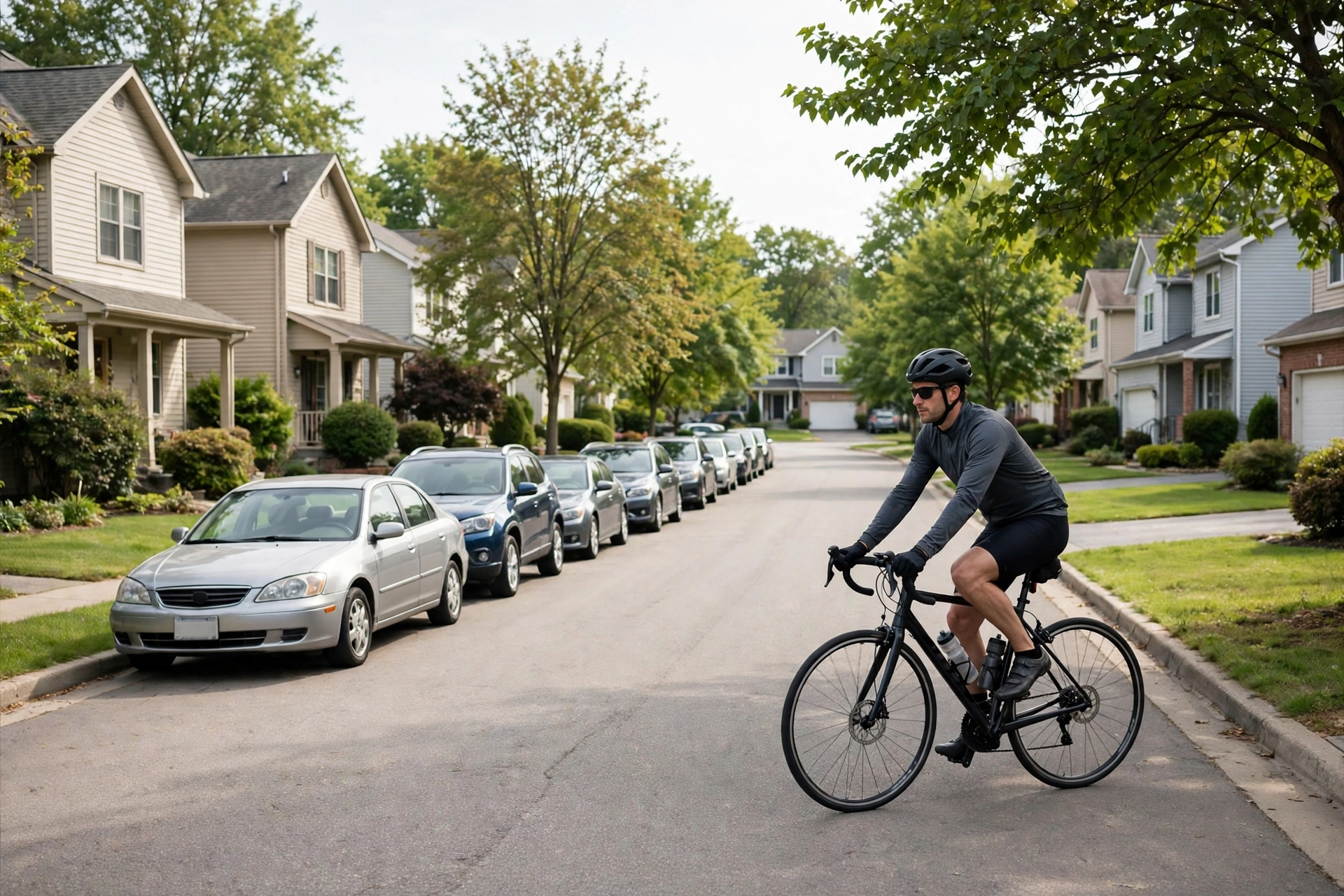
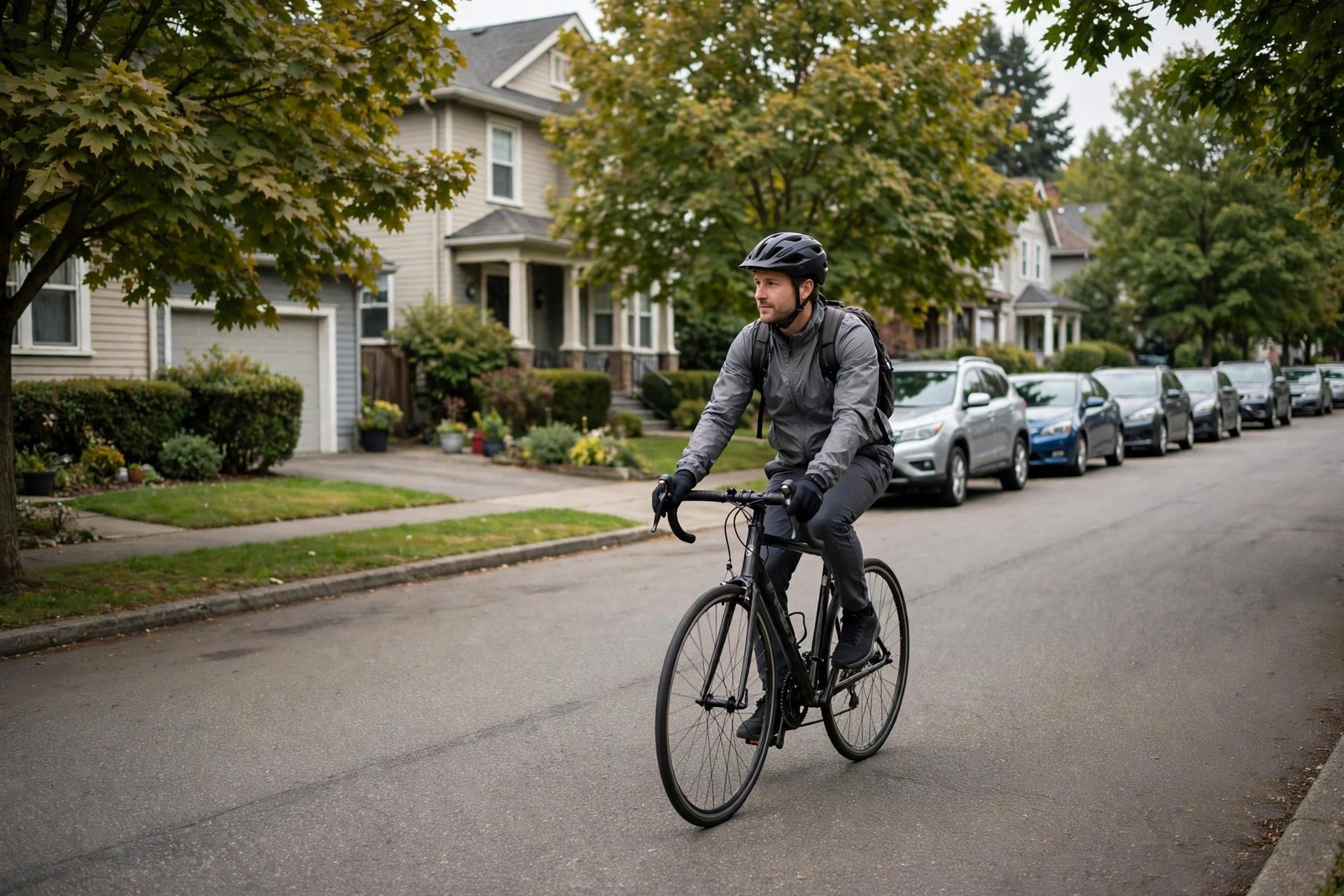
Quiet streets and cycle paths feel safer than busy roads, and in many ways they are: there is less traffic, lower speeds, and fewer large vehicles. But they have their own hazards. A cycle path can be shared with pedestrians, dogs, and children, any of whom can change direction without warning. A quiet street can have parked cars, blind driveways, and junctions where drivers do not expect a cyclist.
Surfaces on quiet routes can also be a problem. Leaves, gravel, mud, and wet patches are common on paths that see less maintenance, and they can make a wheel slip without warning. Bollards, kerbs, and narrow gates on cycle paths have caught out many riders who were going slowly and felt perfectly safe.
The point is not that quiet routes are dangerous, but that they are not risk-free. A helmet is cheap insurance for the kinds of small, unexpected events that happen on any route, however quiet. If you are learning about how helmets handle different kinds of impact, reading about what MIPS is for helmets can help you understand one of the technologies used in modern helmet design.
How Do Helmets Help on Short Trips?
A helmet helps on a short trip in exactly the same way it helps on a long one: by absorbing some of the energy if your head hits the ground. The foam liner crushes on impact and spreads the force over a longer time, which can turn a serious head injury into a minor one. That protection does not depend on how far you rode before the fall.
Helmets also help in a less obvious way: they make a habit. If you wear a helmet on every ride, including the short ones, you never have to decide whether this particular ride is worth it. The decision is already made, and the helmet simply becomes part of getting on the bike, like checking the brakes. That habit is what keeps you protected on the day something unexpected happens.
Finally, wearing a helmet on short rides sets a good example, especially for children. A child who sees an adult wear a helmet for a trip to the shops is far more likely to wear one themselves. Short rides are often family rides, and the example you set on them matters.
How Can You Make Helmet-Wearing a Habit for Short Rides?
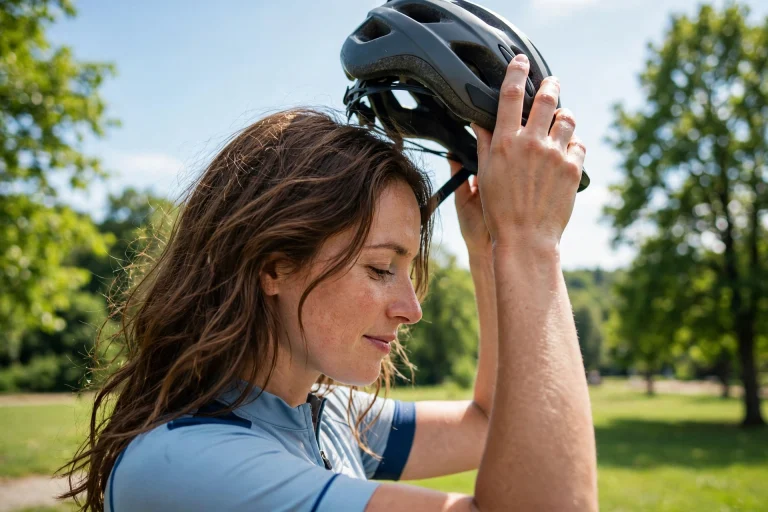
The easiest trick is to keep your helmet where you keep your bike, not buried in a cupboard. If the helmet is hanging on the handlebars or sitting by the door, putting it on takes seconds and there is no excuse to skip it. A helmet that is easy to grab is a helmet that gets worn.
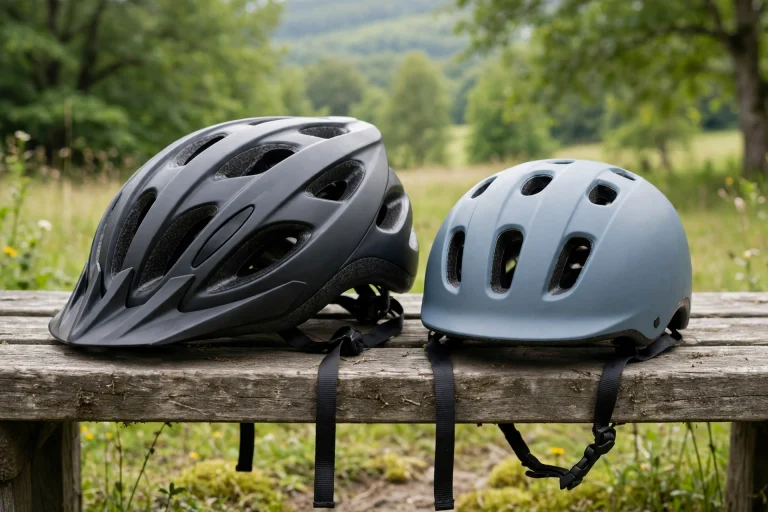
Choose a helmet that is comfortable and easy to put on. A helmet with a simple, quick-adjust strap and good ventilation is much more likely to be worn for a five-minute ride than a heavy, fiddly one. If your current helmet is uncomfortable, it may be worth trying a lighter, better-fitting model for everyday trips.
It can also help to think of the helmet as part of the bike rather than part of the outfit. You would not ride with flat tyres just because the trip is short, and the same logic applies to the helmet. Once it becomes automatic, you will barely notice it — until the day you are glad you wore it.
Frequently Asked Questions
Q: Do I need a helmet for a ride around the block?
A: Yes, in general terms it is best to wear a helmet even for a ride around the block. Falls at low speed on familiar streets are common, and a helmet protects your head if you fall, however short the ride.
Q: Is a crash at low speed really dangerous?
A: Yes, it can be. A fall from a bike puts your head a good distance above the ground, and hitting pavement or a kerb can cause a serious injury even at low speed, especially if you have no time to break the fall.
Q: What if I am only riding on a cycle path with no cars?
A: A helmet is still worth wearing. Cycle paths have their own hazards, such as pedestrians, dogs, wet leaves, and narrow gates, and a fall on a path can injure your head just as a fall on a road can.

Olivia
Writer at Helmet Today, covering helmet reviews, fit and riding safety.