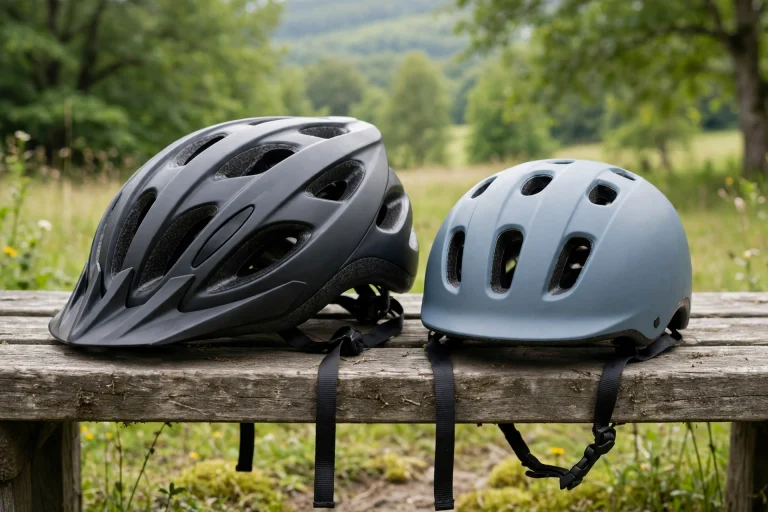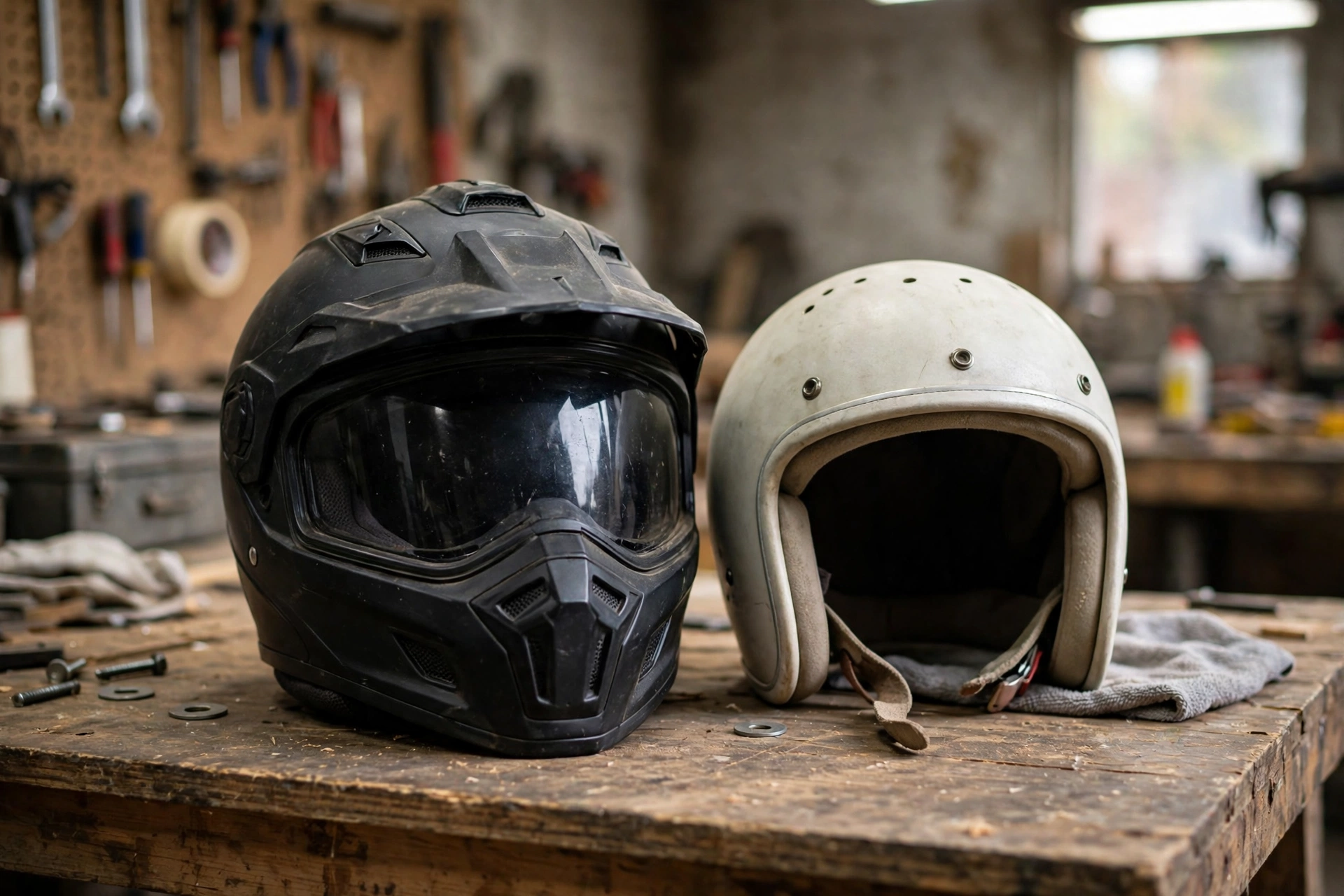
No, a heavier helmet is not always safer — weight on its own tells you very little about how well a helmet protects your head in a crash. A heavier helmet may simply be made from different materials, have extra features such as a visor or a built-in light, or be designed for a different sport altogether. Safety depends on the design, the fit, and the standard the helmet meets, not on how much it weighs on the scales.
The idea that heavier means safer is easy to understand. A heavy object feels solid and tough, while a light one can feel flimsy. But a helmet is not a brick wall: it protects you by absorbing energy in a controlled way, and that job is done by the liner and the shell working together. This guide explains why some helmets are heavier than others, what weight does and does not tell you, and what to look for instead.
Why Do Some Helmets Weigh More Than Others?
Helmets differ in weight for many reasons. A full face motorcycle helmet weighs more than a lightweight road cycling helmet because it covers more of the head, has a chin bar, a visor, and a thicker liner. A downhill mountain bike helmet weighs more than a cross-country one because it is built for bigger impacts and rougher terrain. The weight reflects the job the helmet is designed to do.
Materials matter too. Some helmets use a heavier shell material, while others use a lighter composite. Extra features add weight as well: a flip-up visor, a sun peak, a communication system, or a built-in light all add grams. Even the padding and the strap hardware contribute. Two helmets that look similar can weigh quite differently because of what is inside them.
Does Extra Weight Mean Extra Protection?
In general terms, no. Extra weight does not automatically mean extra protection. A helmet protects you by managing the energy of an impact: the liner crushes in a controlled way and spreads the force over a longer time, so less of it reaches your head. That process depends on the quality of the liner, the shape of the shell, and how well the helmet fits — not on how heavy the whole thing is.
In fact, a very heavy helmet can bring its own problems. Extra weight on the head can tire the neck on a long ride, and in a crash the extra mass can add to the forces on the neck. That is why many modern helmets are designed to be as light as possible while still meeting their safety standard. Engineers work hard to remove weight without removing protection, because a lighter helmet that meets the standard is, in general terms, a better helmet to wear all day.
When Can a Heavier Helmet Be a Drawback?
A heavier helmet is most noticeable on long rides. After an hour or two, the extra weight can make the neck ache, especially if you ride in a position where your head is tilted forward. That tiredness can make it harder to concentrate, and a tired rider is a less safe rider. For children, older riders, and anyone with a neck or shoulder problem, weight matters even more.
Weight can also affect comfort in hot weather. A heavier helmet often has more padding and less ventilation, which can make it feel hotter and more tiring. A rider who is uncomfortable is more likely to fiddle with the helmet, loosen the strap, or take it off at the first chance — all of which reduce protection far more than a few extra grams ever could.
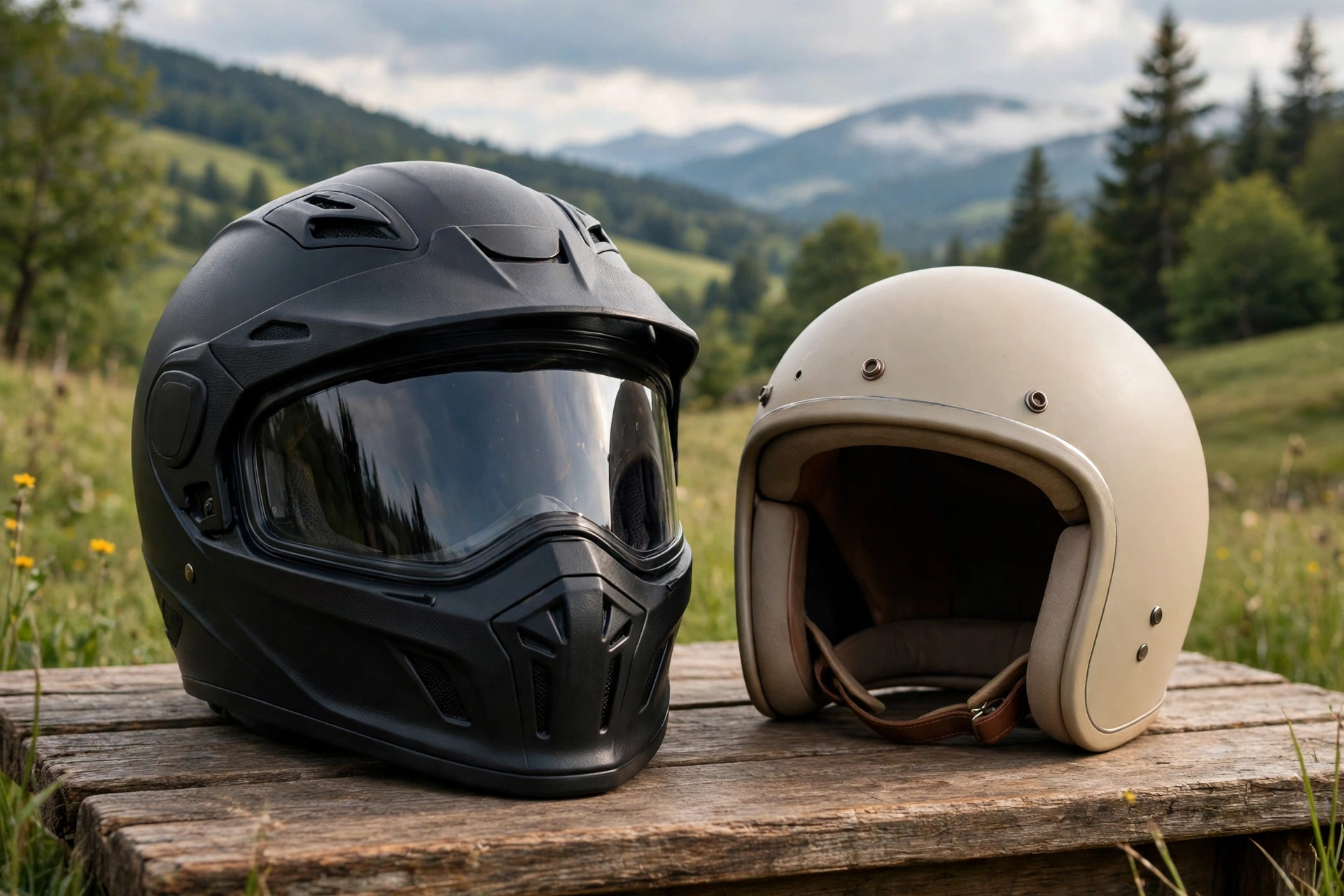
That is not to say that a heavier helmet is always a bad choice. A full face helmet for downhill riding or motorcycling is heavier because it has to do a bigger job, and that weight is worth it. The point is that weight should be judged against the helmet’s purpose, not treated as a measure of safety on its own.
What Matters More Than Weight?
The first thing to check is the standard the helmet meets. A helmet certified to the standard for its sport has passed tests for impact absorption, strap strength, and coverage. That certification tells you far more about safety than the weight does. Always check the label inside the helmet and make sure it matches the sport you will use it for.
Fit comes next. A helmet that fits well stays in place in a crash and lets the liner do its job. A helmet that is too loose can shift or come off, while one that is too tight is uncomfortable and may not sit correctly. No amount of weight can make up for a poor fit, and a light helmet that fits perfectly will protect you better than a heavy one that wobbles. If you are learning about how helmets handle different kinds of impact, reading about what MIPS is for helmets can help you understand one of the technologies used in modern helmet design.
Finally, think about comfort and ventilation. A helmet you are happy to wear on every ride is far safer than a heavy, hot one you leave at home. Try helmets on, wear them for a few minutes in the shop, and choose the one that feels right for your head, your riding, and your climate.
How Should You Compare Helmets When Shopping?
Start by narrowing your choice to helmets made for your sport and certified to the right standard. Then try them on for fit, checking that each one sits level, feels snug all round, and stays put when you shake your head. Only then look at weight, and compare it between helmets of the same type and size.
Read reviews from riders who use the helmet in the same way you plan to, and pay attention to comments about comfort, ventilation, and noise as well as weight. A helmet that reviewers praise for all-day comfort is often a better buy than the heaviest one on the shelf, even if the heavy one feels more solid in your hands.
Remember that the best helmet is the one you will actually wear, every ride, without thinking twice about it. Weight is part of that decision, but it is only one part, and it should never be the deciding factor on its own.
Frequently Asked Questions
Q: Is a heavier motorcycle helmet safer than a lighter one?
A: Not necessarily. Safety depends on the design, the liner, the fit, and the standard the helmet meets. A lighter helmet that meets the same standard and fits well can protect just as well, and it is often more comfortable on long rides.
Q: Why are some helmets so light?
A: Modern helmets use lighter shell materials and carefully designed liners to cut weight without losing protection. A lighter helmet is easier on the neck and more comfortable to wear, which helps riders keep it on for every ride.
Q: Should I choose the lightest helmet I can find?
A: Not on weight alone. Choose a helmet made for your sport, certified to the right standard, and that fits well. Among helmets that meet those tests, a lighter one is usually the more comfortable choice.

Olivia
Writer at Helmet Today, covering helmet reviews, fit and riding safety.