Yes, helmet colour can affect safety in daylight — a bright, light-coloured helmet is generally easier for other road users to notice than a dark or black one, especially at a distance or in busy traffic. Colour does not change how a helmet protects your head in a crash, but it can change whether other people see you in time to avoid a crash in the first place. In daylight, being seen early is one of the best protections a rider has.
Riders often choose a helmet by how it looks, and there is nothing wrong with that — a helmet you like is a helmet you will wear. But colour is more than a style choice. This guide looks at how colour affects visibility in daylight, which colours work best, and what else you can do to make sure other road users spot you.
Why Does Helmet Colour Matter on the Road?
On the road, your helmet is the highest and often the most visible part of you. It sits above the traffic, above parked cars, and above the handlebars, so it is one of the first things another road user notices. A helmet that stands out against the background — the grey of the road, the green of trees, the colours of other vehicles — gives drivers and pedestrians a little more time to see you and react.
That extra moment matters. Many crashes happen because a driver did not see a rider in time, not because the driver was careless on purpose. A rider who is noticed a second earlier may be given more space, may be waited for at a junction, or may be passed more carefully. Colour cannot prevent every crash, but it can tilt the odds in your favour.
Colour also works together with movement. A bright helmet moving through traffic catches the eye more readily than a dark one, because the eye is drawn to contrast. In daylight, that contrast is what makes a bright helmet stand out against a dull background, even from a distance.
Are Bright Colours Easier to See in Daylight?
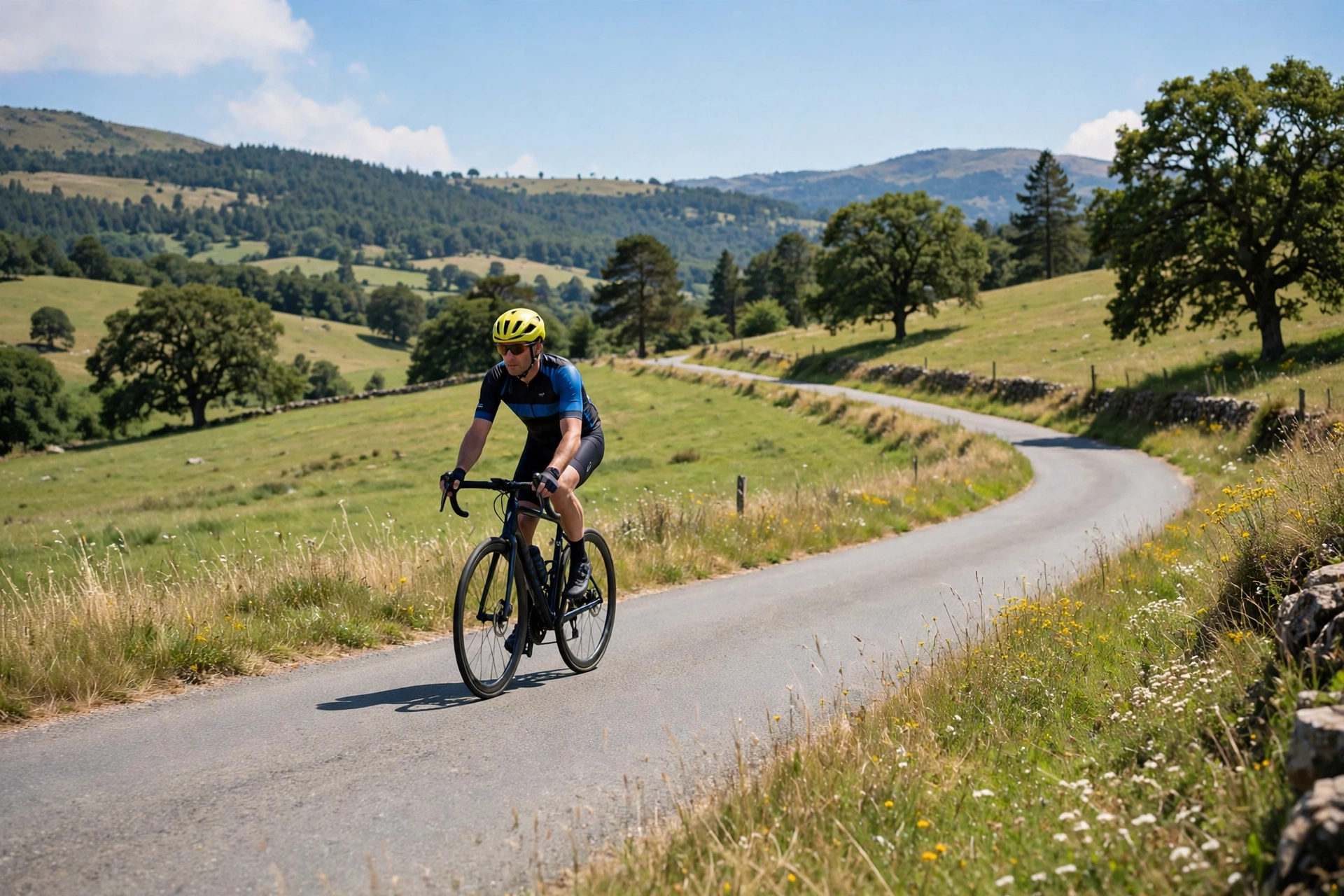
Yes, in general terms bright colours are easier to see in daylight than dark colours. White, yellow, orange, and bright red stand out against most road backgrounds, while black, dark grey, and dark blue tend to blend in. A white helmet, for example, contrasts strongly with dark tarmac and green hedges, and it is visible from a long way off in bright sun.
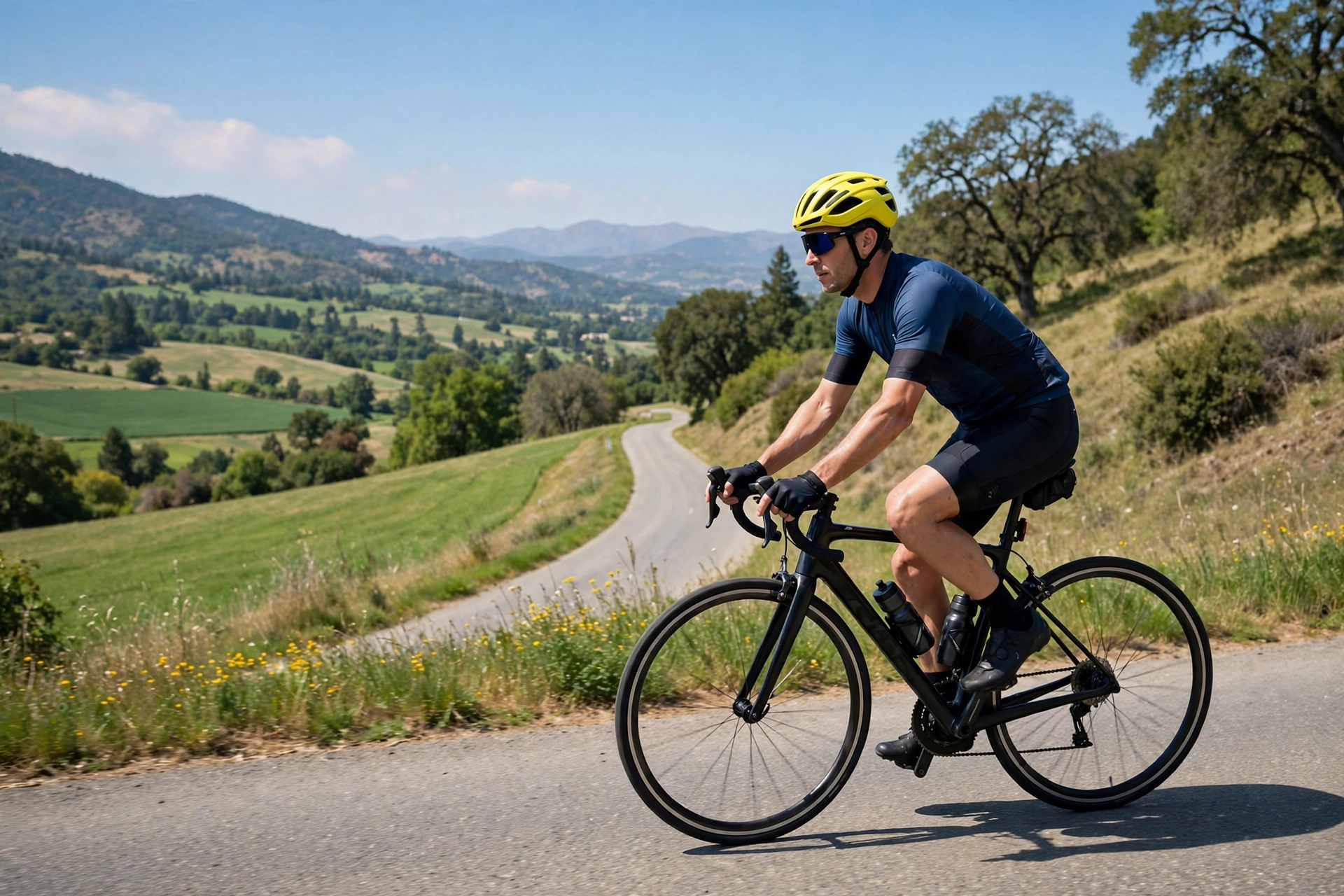
Fluorescent colours work particularly well in daylight. Fluorescent yellow, orange, and green are designed to be highly visible, and they can seem to glow in bright light because they convert some invisible light into visible light. That is why road workers, emergency services, and many cyclists choose fluorescent clothing — and the same logic applies to helmets.
That said, no colour is visible in every situation. A bright yellow helmet may blend in against a field of yellow flowers, and a white helmet may be less obvious against a bright sky. The best choice is a colour that contrasts with the places you ride most often, and a helmet that also has reflective details for lower light. If you are learning about how helmets handle different kinds of impact, reading about what MIPS is for helmets can help you understand one of the technologies used in modern helmet design.
Does a Dark Helmet Make You Harder to Spot?
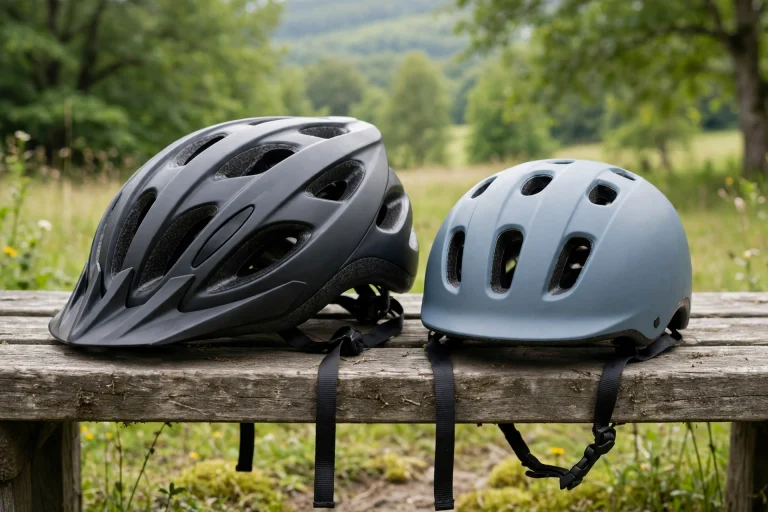
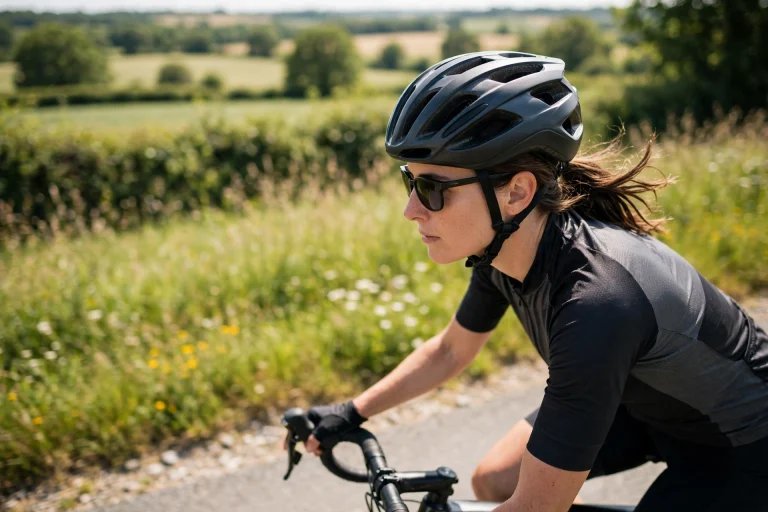
In general terms, yes — a dark helmet can make you harder to spot in daylight, especially against a dark background such as a shaded road, a tunnel entrance, or a line of dark vehicles. Black and dark grey helmets absorb light rather than reflecting it, so they offer little contrast with the road and the traffic around them.
That does not mean a dark helmet is unsafe. Many riders wear dark helmets every day without incident, because visibility depends on far more than colour: your position on the road, your lights, your clothing, and the attention of other road users all matter. A dark helmet worn with a bright jacket and lights is far more visible than a bright helmet worn with dark clothing and no lights.
If you love the look of a dark helmet, there are ways to make it more visible without giving it up. Reflective stickers, a bright cover, or a helmet with reflective panels can add contrast. A light-coloured peak or visor can help too. The goal is not to ban dark helmets, but to think about the whole picture — helmet, clothing, and lights together.
What Else Helps You Stay Visible?
Colour is only one part of being seen. Your position on the road matters a great deal: riding where drivers can see you, rather than hugging the kerb behind parked cars, makes you far more visible whatever colour your helmet is. A central, confident road position gives drivers a clear view of you and gives you a clear view of the road ahead.
Lights help in daylight too, not just at night. A flashing front light and a rear light make a rider stand out in bright sun, in shade, and in the glare of low sun. Many riders now use daytime lights as a matter of routine, and they are a simple, effective addition to a bright helmet.
Clothing completes the picture. A bright or fluorescent jacket, a light-coloured top, or reflective strips on your sleeves and legs all add to your visibility. Think of your helmet, jacket, and lights as a team: together they make you hard to miss, even in busy daylight traffic.
How Should You Choose a Helmet Colour?
Start by thinking about where and when you ride. If you ride mostly in daylight on busy roads, a bright colour — white, yellow, or orange — is a sensible choice. If you ride in a mix of conditions, a helmet with both a bright colour and reflective details gives you the best of both worlds.
Then think about what you will actually wear. A bright helmet you love and wear every day is far better than a fluorescent one you dislike and leave at home. If you prefer a dark helmet, pair it with bright clothing and lights so that your overall visibility stays high. The helmet is part of your visibility, not the whole of it.
Finally, remember that colour is a bonus, not a substitute for a good helmet. Fit, certification, and comfort come first. Once those are sorted, choose the brightest colour you are happy with — and enjoy being seen.
Frequently Asked Questions
Q: What is the most visible helmet colour in daylight?
A: In general terms, white, fluorescent yellow, and fluorescent orange are among the most visible colours in daylight, as they contrast strongly with roads, trees, and traffic. The best choice is one that stands out against the places you ride most.
Q: Is a black helmet unsafe?
A: Not necessarily. A black helmet is harder to spot than a bright one, but visibility also depends on your road position, clothing, and lights. Pairing a dark helmet with bright clothing and daytime lights keeps you easy to see.
Q: Do reflective stickers help in daylight?
A: Reflective stickers help most in low light, when headlights hit them, but they can also add contrast in daylight. Bright colours and lights are more effective in daylight, so use reflective details as an extra rather than a replacement.

Olivia
Writer at Helmet Today, covering helmet reviews, fit and riding safety.