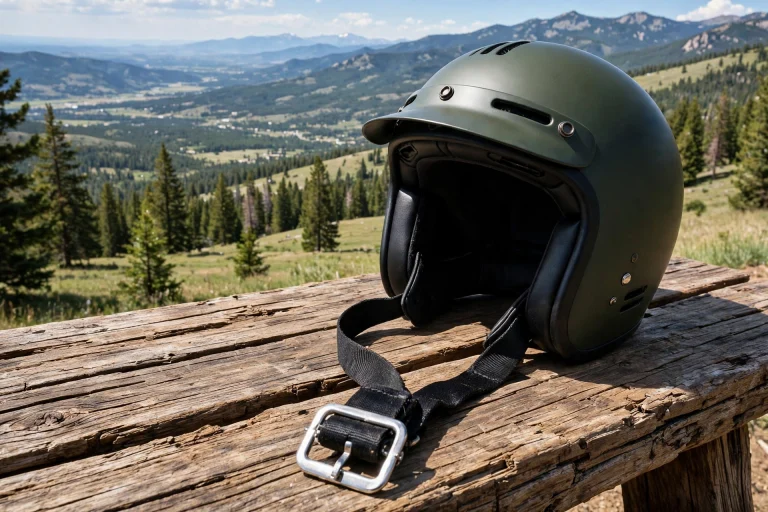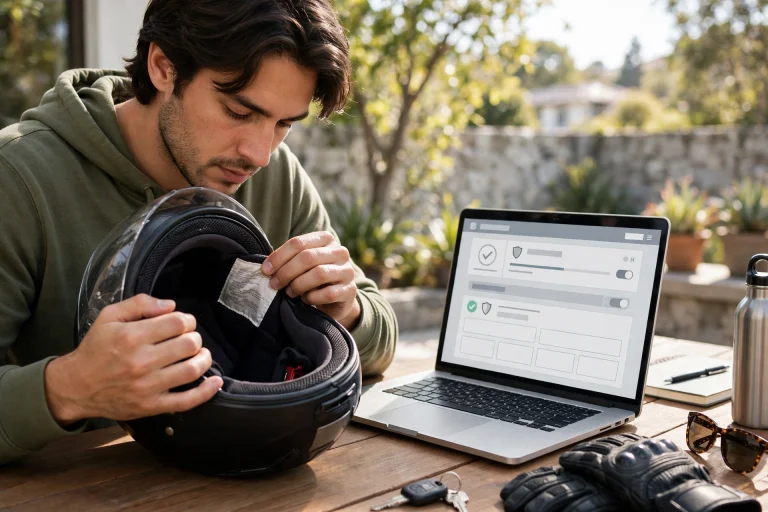
The ECE 22.06 label is the approval mark for a motorcycle helmet that meets the United Nations ECE Regulation 22.06 standard, and you read it by finding the circled E number, the approval number and the helmet type letters printed on a label sewn inside the helmet. The label proves the helmet passed the tests in the current version of the standard, which covers impact, penetration, strap strength and vision. If you buy a motorcycle helmet in Europe, this label is the mark to look for first.
Helmet labels can look like a jumble of numbers and letters, and it is easy to ignore them. Yet the label is the only quick way to tell whether a helmet has been tested to a recognised standard, and which version of that standard it meets. This guide explains what ECE 22.06 is, where to find the label, what each part means, and how to check it before you buy.
What Is the ECE 22.06 Standard?
ECE 22.06 is the current version of the United Nations regulation for motorcycle helmets, known in full as UN Regulation No. 22. It sets out the tests a helmet must pass before it can be sold as a protective motorcycle helmet in the countries that use the standard, which include most of Europe and many other countries around the world.
The 06 in the name is the series of amendments — the sixth update to the original regulation. Each update tightens the tests or adds new ones, so a helmet approved to 22.06 has passed more demanding tests than one approved to the older 22.05 version. The tests cover the shell and liner’s ability to absorb impact, the visor’s clarity and strength, the chin strap’s ability to stay fastened, and the helmet’s field of vision.
In general terms, the standard is a minimum: a helmet that passes it has shown it can protect to an agreed level in the test conditions. It does not guarantee protection in every crash, and it does not rank helmets against each other. It is a baseline, and a useful one, because it means every approved helmet has been checked in the same way.
Where Do You Find the ECE 22.06 Label?
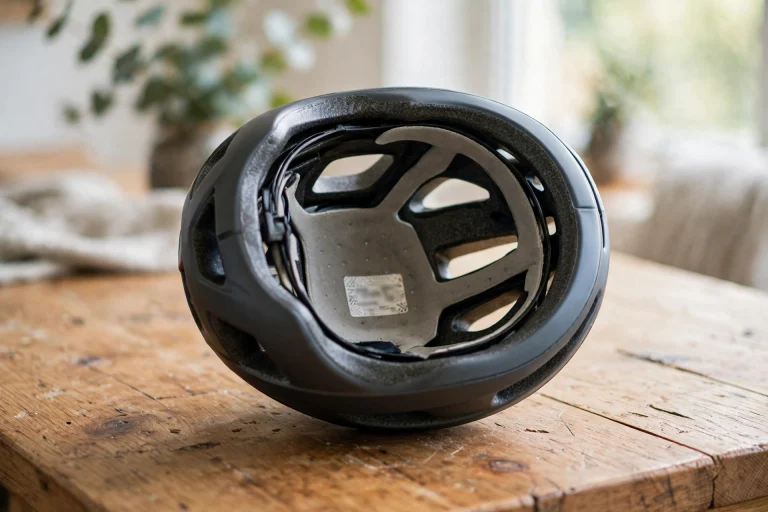
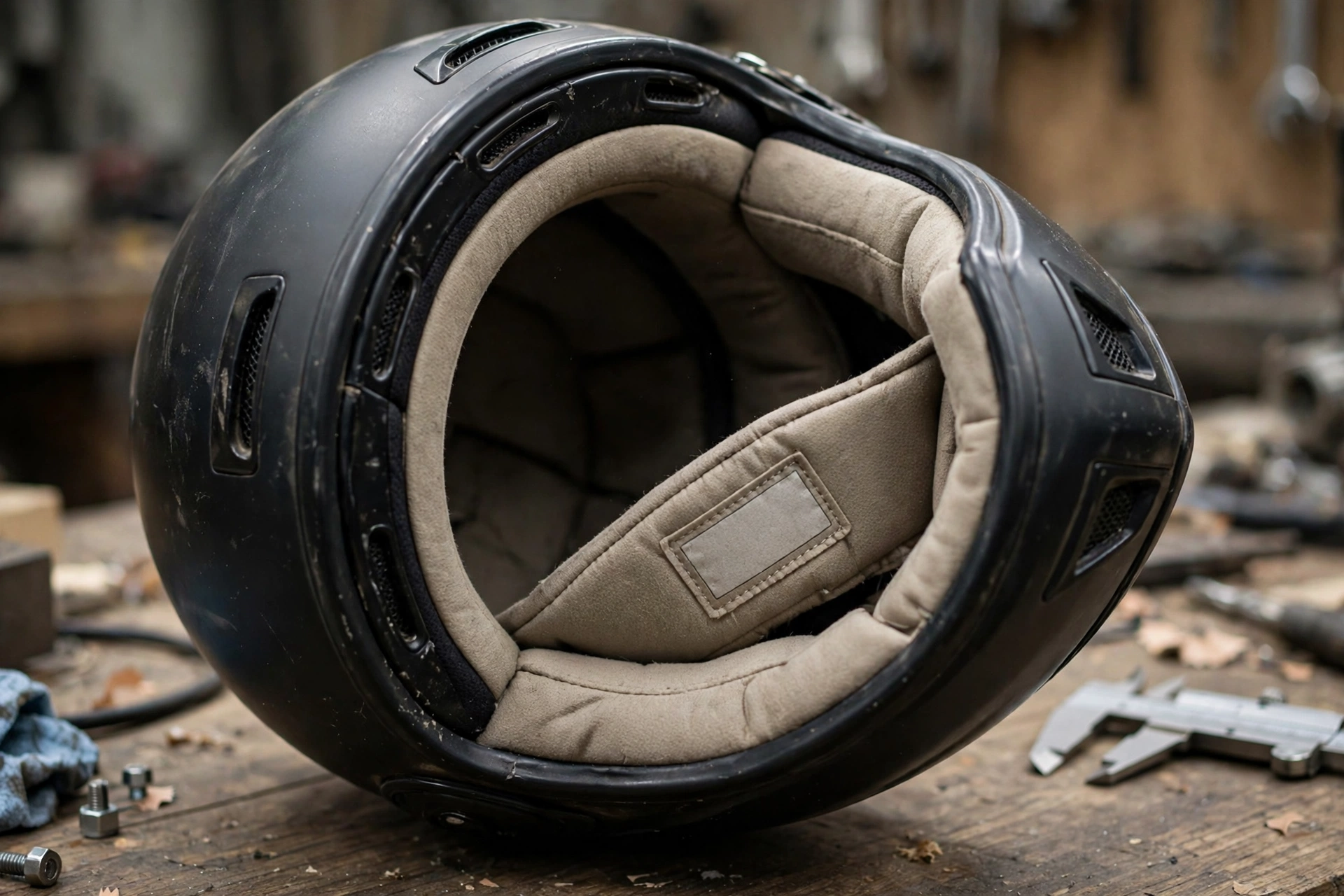
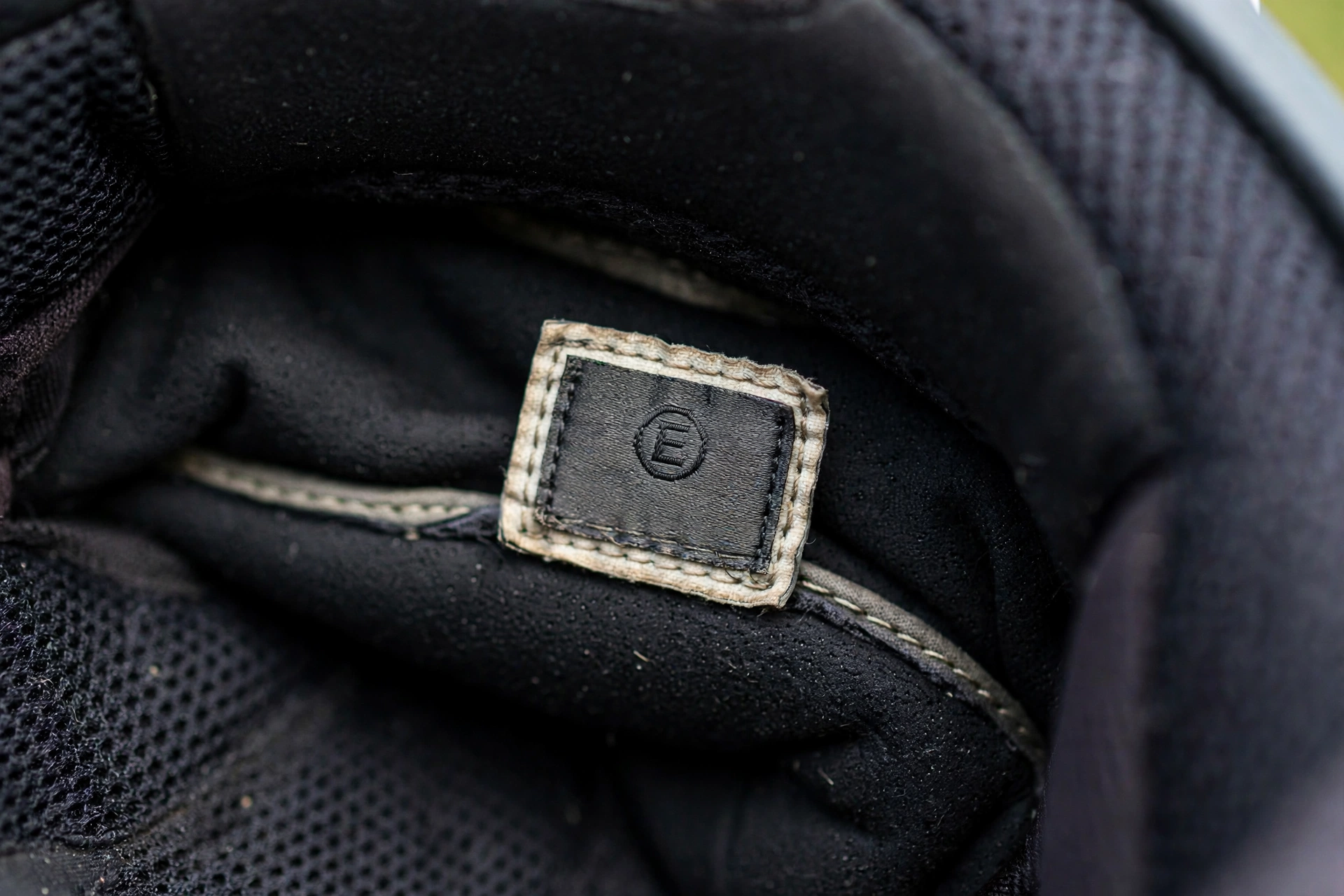
The label is usually sewn into the lining of the helmet, often on the chin strap or on a small tag inside the shell. It is a white or light-coloured label with black printing, and it should be easy to read when you look inside the helmet. Some helmets also carry the mark on the outside of the shell or on the visor, but the sewn-in label is the main one.
To find it, hold the helmet upside down and look inside, or run your finger along the chin strap until you feel the tag. The label may be folded or tucked under the lining, so take a moment to look properly. If you cannot find a label at all, treat that as a warning sign and ask the seller about it before you buy.
When buying online, ask the seller for a photo of the label, or check the helmet’s own listing for the approval details. A reputable seller should be able to show you the label or confirm the approval in writing. If the listing is vague about the standard, or the label in the photo is blurry, be cautious.
How Do You Read Each Part of the Label?
The label has several parts, and each one tells you something. The first is a circle with a capital E inside it, followed by a number — for example, E1 or E4. The E stands for the country that granted the approval, and the number is that country’s code: E1 is Germany, E2 is France, E3 is Italy, and so on. The country does not mean the helmet was made there; it means that country’s authority approved it.
Next to the E mark is the approval number, which usually starts with 22.06 followed by more digits. The 22.06 tells you the regulation and the series of amendments, and the digits after it are the individual approval number for that helmet model. This number is unique to the approval, so two different helmet models will have different numbers.
The label also shows the helmet type, using letters: J for an open face helmet without a chin bar, P for a full face helmet with a protective chin bar, and NP for a helmet with a chin bar that is not protective. Some labels also show the size and the production details. If you are learning how helmets handle different kinds of impact, reading about what MIPS is for helmets can help you understand one of the technologies used in modern helmet design.
What Is the Difference Between ECE 22.05 and 22.06?
ECE 22.05 was the previous version of the standard, and ECE 22.06 replaced it with tougher and wider tests. The newer version adds tests for angled impacts, which are common in real crashes, and it tests the helmet at more impact points and at different speeds. It also tightens the rules for visors and for accessories fitted to the helmet.
Another difference is that 22.06 tests the helmet as it will be sold, including any fitted accessories such as a sun visor or a communication system. Under the older version, accessories were sometimes tested separately or not at all. That means a 22.06 helmet has been checked in a form closer to the one you will actually wear.
In general terms, a 22.06 helmet has passed a more demanding set of tests than a 22.05 helmet, but a 22.05 helmet that is in good condition is still a tested helmet. The newer label is the one to look for when buying new, because it is the current standard and the one that new helmets must meet.
How Do You Check a Helmet Is Genuinely Approved?
Start by reading the label carefully and checking that the details make sense: the E mark and number should be clear, the approval number should start with 22.06, and the helmet type letters should match the helmet you are holding. A label that is blurry, misspelt or stuck on with glue rather than sewn in is a warning sign.
Next, check the helmet itself. A genuine approved helmet will have a consistent finish, a secure chin strap and a visor that fits well. If the helmet feels flimsy, the strap slips, or the lining is poorly fitted, be suspicious, even if the label looks right. The label is only as good as the helmet it is attached to.
Finally, buy from a reputable seller and keep the receipt. If you are unsure, ask the seller to confirm the approval in writing, or check with the helmet maker’s own website, where approved models are usually listed. A genuine helmet from a known maker, bought from a trusted shop, is very unlikely to carry a fake label — but a helmet from an unknown seller at a very low price deserves a careful look.
Frequently Asked Questions
Q: Is an ECE 22.05 helmet still legal to use?
A: In general terms, yes in most places that use the ECE system, but new helmets sold now must meet 22.06, so look for the newer label when buying.
Q: Does the E number tell me where the helmet was made?
A: No. The E number shows which country’s authority granted the approval, not where the helmet was manufactured.
Q: What do the letters J, P and NP mean on the label?
A: J means an open face helmet, P means a full face helmet with a protective chin bar, and NP means the chin bar is not protective.

Olivia
Writer at Helmet Today, covering helmet reviews, fit and riding safety.