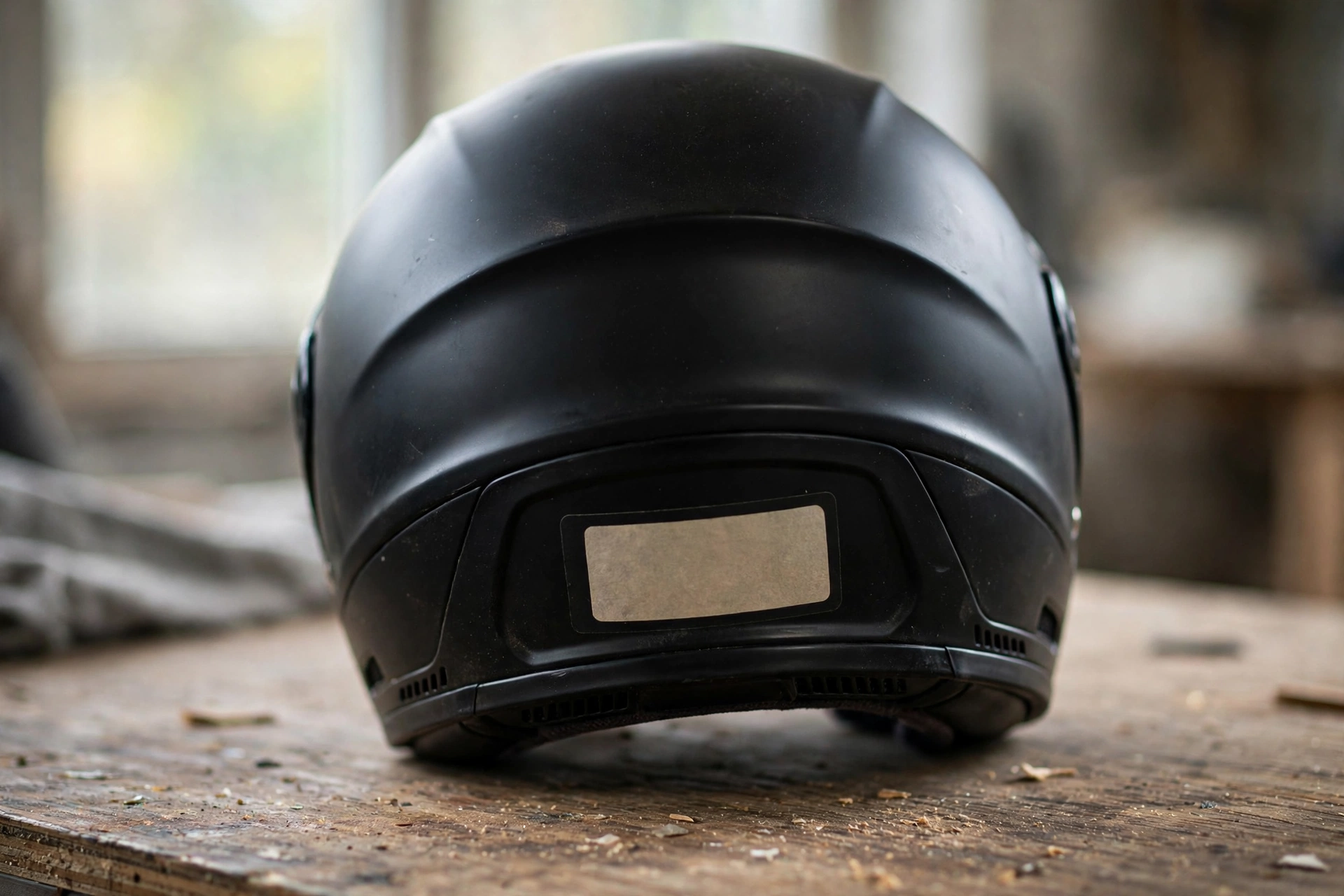
DOT FMVSS 218 is the United States federal safety standard for motorcycle helmets, and a helmet that meets it has been tested for impact protection, penetration resistance, and a secure retention system. In general terms, the standard sets out the minimum performance a motorcycle helmet sold in the United States should meet, and helmets that comply carry a DOT label on the back of the shell. It is the baseline standard that applies to motorcycle helmets in the United States, rather than a voluntary badge or a mark of extra quality.
For riders, the standard matters because it is the main way to tell whether a helmet has been made to a recognised safety benchmark. A helmet that meets DOT FMVSS 218 is not automatically the best helmet for every rider, and it does not guarantee comfort or a perfect fit, but it does mean the design has been put through the standard’s checks. This guide explains what the standard covers, how the label works, and what to check before you buy.
What Does DOT FMVSS 218 Cover?
DOT FMVSS 218 covers motorcycle helmets sold for road use in the United States. The standard looks at the helmet as a complete unit, including the outer shell, the impact-absorbing liner, and the chin strap and fastening system. In general terms, it sets requirements for how the helmet should perform in a controlled impact test, how well the shell resists penetration by a sharp object, and how securely the retention system holds the helmet in place.
The standard also covers the field of vision the helmet must allow, so that a rider can see enough of the road to ride safely. A helmet that blocks too much of the rider’s view would fail, even if its impact protection was sound. This is one reason why the standard looks at the whole helmet rather than only the shell: a safe helmet needs to protect the head and still let the rider see and hear what is happening around them.
How Is a Helmet Tested Under DOT FMVSS 218?
Under DOT FMVSS 218, helmets are tested in a laboratory using a headform fitted inside the helmet, which is then dropped onto a shaped surface to simulate an impact. In general terms, the test measures how much force reaches the headform during the impact, and the helmet must keep that force within the limits set by the standard. The helmet is tested at more than one point on the shell, because a real crash can strike almost anywhere on the helmet.
A separate penetration test checks whether a sharp, pointed object can pass through the shell and reach the headform. The retention system is also tested by applying a load to the chin strap, to check that it holds the helmet in place rather than stretching or coming undone. These checks are designed to work together: a helmet that absorbs impact well but slips off in a crash would not offer the protection a rider needs.
What Does the DOT Label Mean?
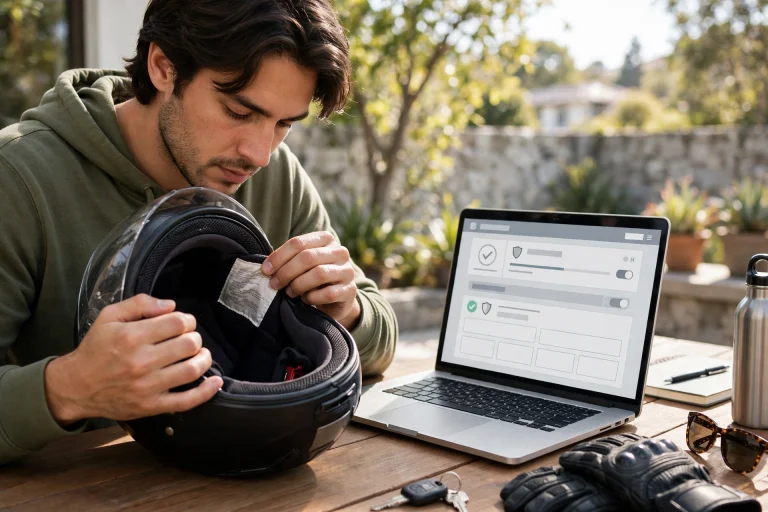
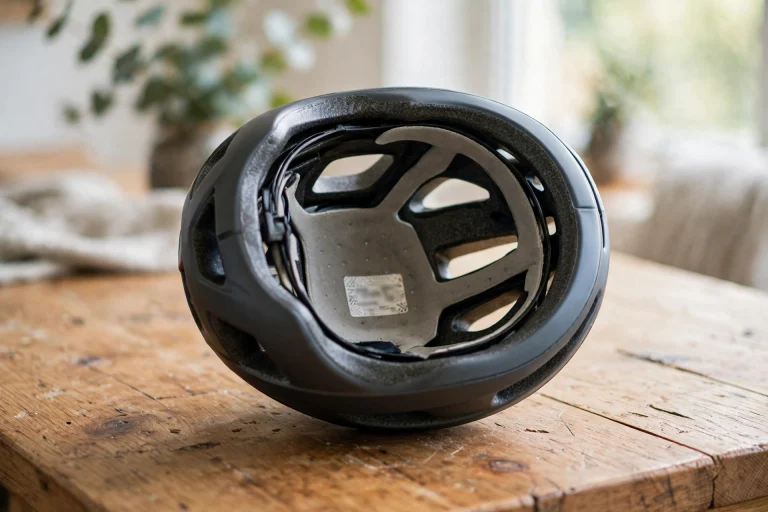
The DOT label is the mark that shows a helmet is claimed to meet FMVSS 218. It is usually found on the back of the outer shell, and it should be clearly visible and firmly attached. In general terms, the label means the manufacturer has certified that the helmet meets the standard, and the helmet is sold on that basis. Riders should look for a label that is neat, legible, and properly fixed to the shell, rather than a loose sticker that could have been added later.
It is important to understand how the label works. DOT certification is based on the manufacturer certifying that the helmet meets the standard, rather than on every helmet being tested by a government laboratory before sale. The authorities can test helmets that are on sale and take action if a helmet does not meet the standard, but the label itself is the manufacturer’s statement of compliance.
Is a DOT Helmet the Same as an ECE Helmet?
No, a DOT helmet and an ECE helmet are certified under different standards, even though both are motorcycle helmet standards. DOT FMVSS 218 is the United States standard, while ECE 22.06 is the standard used in Europe and in many other countries. In general terms, the two standards test helmets in different ways and place different emphasis on different parts of the test, so a helmet can meet one standard without meeting the other.
Many modern helmets carry both marks, because manufacturers make helmets for sale in more than one market. A helmet with both a DOT label and an ECE label has been made to meet both standards, which can be useful for riders who travel or who want the reassurance of two sets of checks. A helmet with only one mark is not automatically unsafe, but it is worth knowing which standard it meets and where that standard applies.
If you are learning how different helmet technologies work alongside safety standards, reading about what MIPS is for helmets can help you understand one of the features that some modern helmets include in addition to their certification.
What Should You Check Before Buying a DOT Helmet?
Start with the label. Check that the DOT label is present, legible, and fixed to the back of the shell. Then check the fit: the helmet should sit level on your head, feel snug all round without pressing hard in one place, and stay put when you shake your head gently. A helmet that meets the standard but does not fit you properly will not protect you as well as it should.
Next, look at the build. The shell should feel solid, the liner should be firm and evenly fitted, and the chin strap should fasten securely and hold the helmet in place. Check the visor, if the helmet has one: it should be clear, free of scratches, and easy to see through. Try the helmet on with the gear you normally wear, such as glasses, to make sure nothing presses or catches.
Finally, buy from a seller you trust and keep the receipt and any paperwork that comes with the helmet. If a helmet is damaged in a crash, it should be replaced, even if the damage is not easy to see, because the liner inside can be damaged in ways that are not visible from the outside. A helmet that meets DOT FMVSS 218 is a good starting point, but fit, condition, and proper use are what turn a certified helmet into real protection.
Frequently Asked Questions
Q: Does every motorcycle helmet sold in the United States have to meet DOT FMVSS 218?
A: In general terms, yes — motorcycle helmets sold for road use in the United States are expected to meet the standard, and they should carry the DOT label that shows the manufacturer has certified them as compliant.
Q: Does a DOT label mean a helmet is the safest helmet available?
A: No. The DOT label means the helmet meets the minimum requirements of the standard. Helmets can also meet other standards, and fit, condition, and correct use all affect how well a helmet protects you.
Q: Can a helmet lose its DOT compliance?
A: A helmet does not lose its label, but it can stop offering the protection it was designed for if it is damaged, badly worn, or altered. A helmet that has taken a hard impact should be checked and usually replaced.

Olivia
Writer at Helmet Today, covering helmet reviews, fit and riding safety.