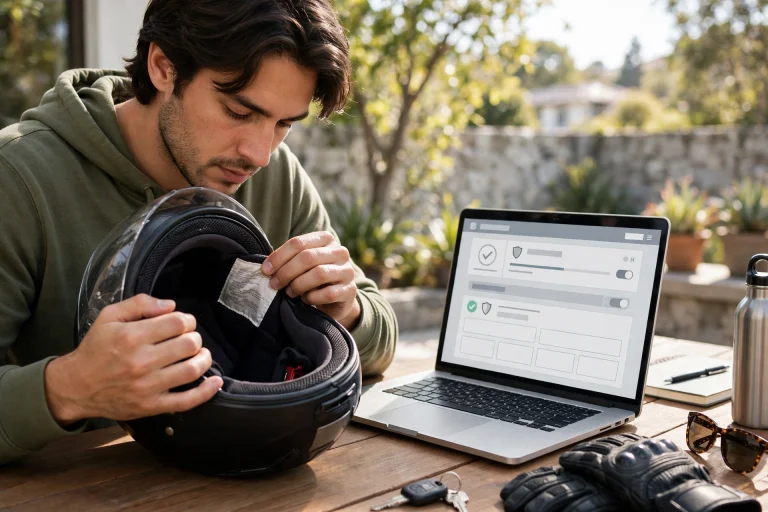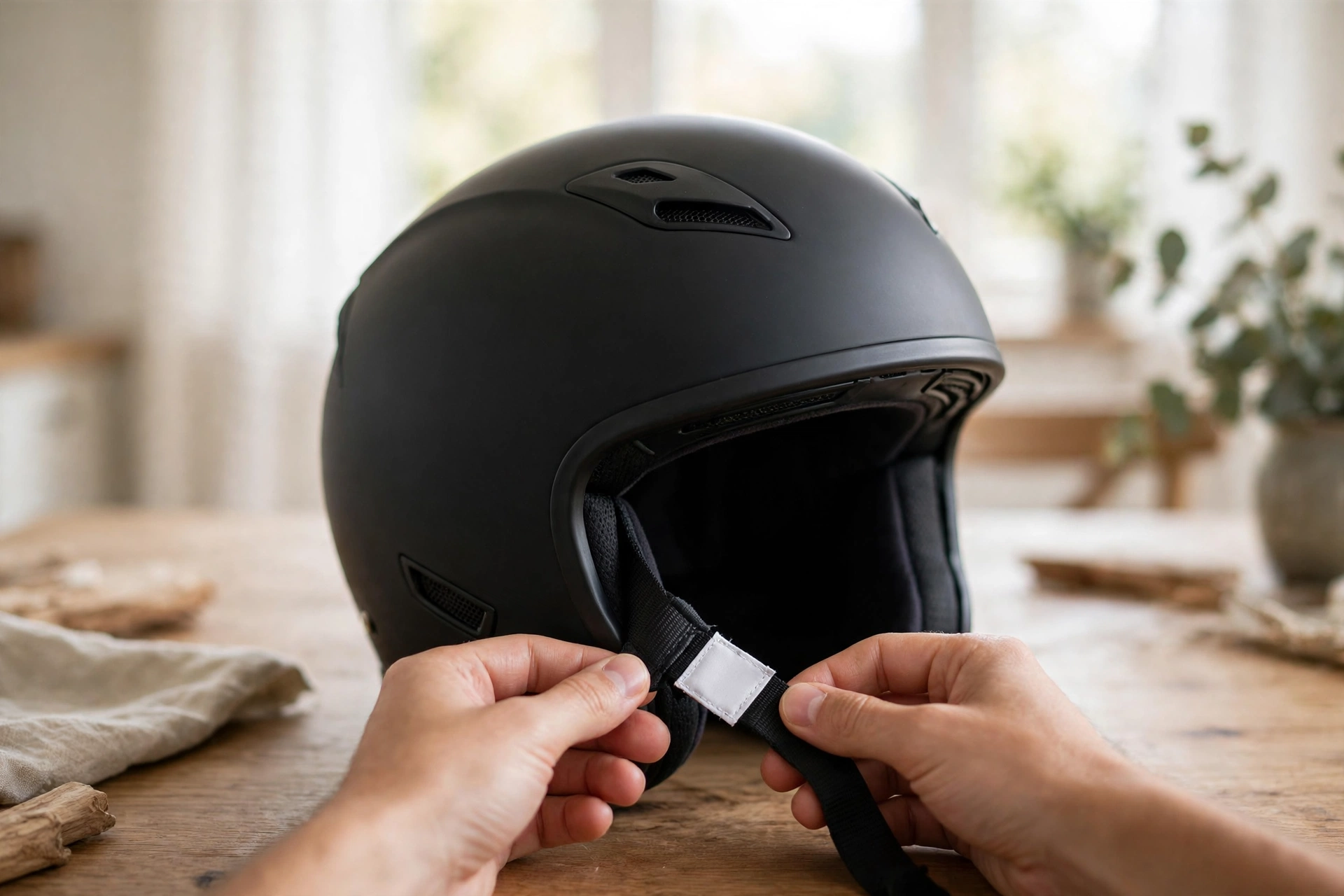
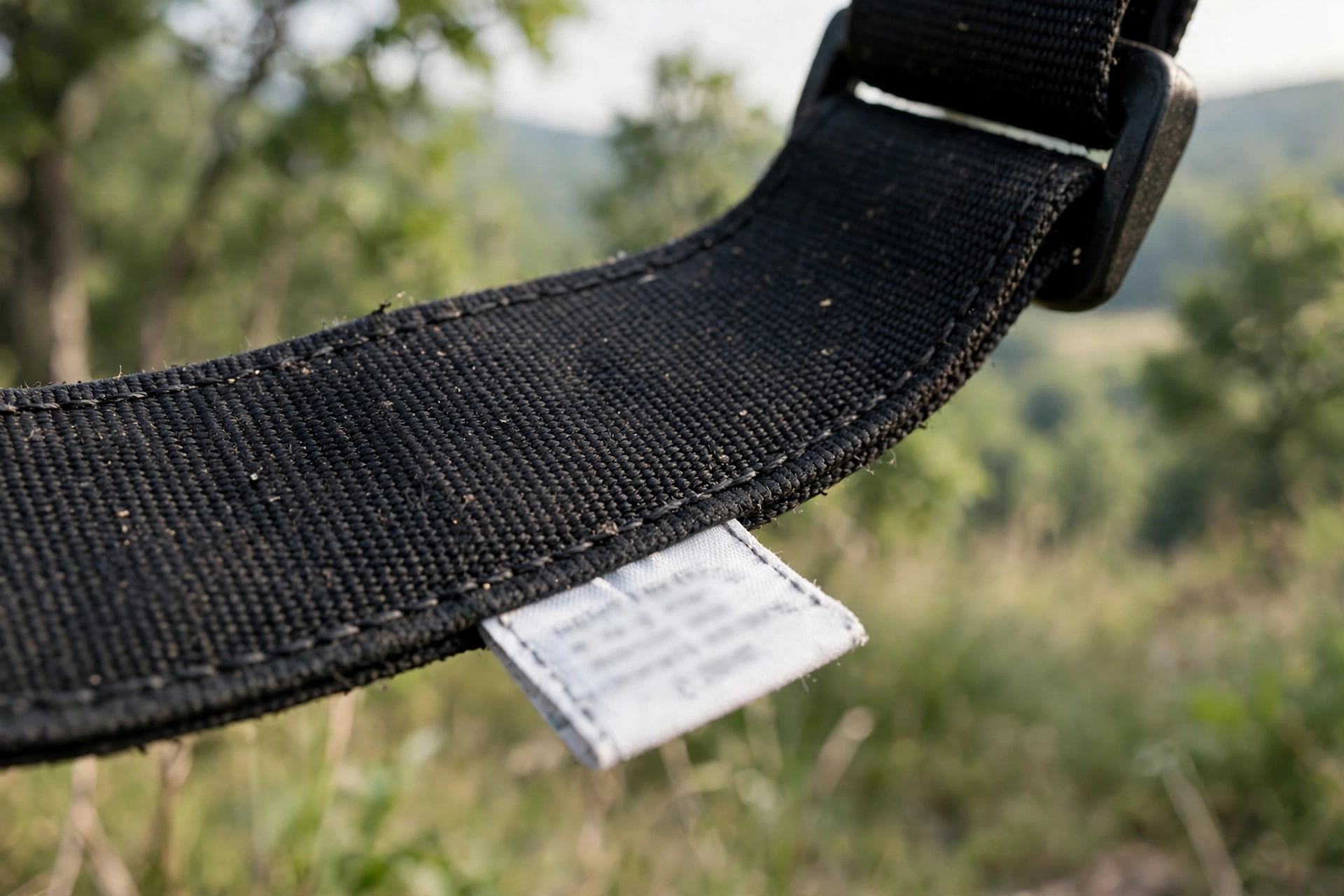
To check if a helmet is ECE 22.06 certified, look for the ECE label sewn into the chin strap or fixed inside the helmet, showing the approval number, the standard number 22.06, and the country code of the authority that granted the approval. In general terms, a genuine ECE 22.06 helmet carries a clear, permanent label with those details, and the label should match the helmet you are holding. If the label is missing, hard to read, or looks like a loose sticker, that is a reason to ask questions before you buy.
ECE 22.06 is the current version of the United Nations Economic Commission for Europe motorcycle helmet standard, used in Europe and in many other countries around the world. Because it is so widely used, it is also widely copied, so knowing how to read the label properly is a useful skill for any rider. This guide explains where to find the label, what each part of it means, and what else to check.
Where Is the ECE 22.06 Label on a Helmet?
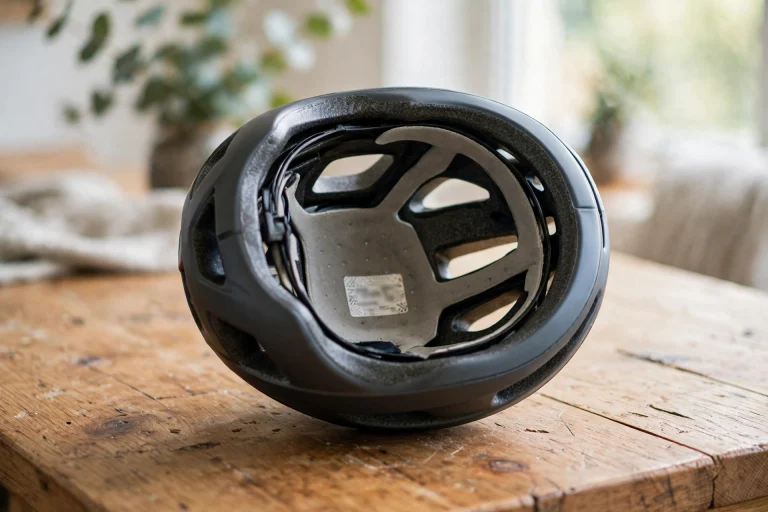
The ECE label is usually found on the chin strap, often as a small white or light-coloured tag sewn into the strap, or on a label fixed inside the helmet near the lining. In general terms, it should be in a place where it stays with the helmet and is not easy to remove without leaving a trace. Some helmets also carry an ECE mark on the outside of the shell, but the strap or lining label is the one that carries the full approval details.
When you check a helmet, take the time to find the label and read it properly. It may be tucked inside the lining or folded under the strap, so look carefully rather than assuming it is not there. If you are buying online, ask the seller for a clear photo of the label before you order, and check that the details in the photo match the helmet model and size you are buying.
How Do You Read the ECE 22.06 Label?
The ECE label carries a circle with the letter E followed by a number, which is the code of the country whose authority granted the approval. Next to it is the approval number, which is a long string of digits that identifies the specific approval. The label should also show the standard number, which for the current standard is 22.06, and may show the helmet type and size.
The approval number is the key detail. It is unique to the approval granted for that helmet model, and it should be printed clearly, without smudging or signs of tampering. In general terms, the label should also state whether the helmet is a full face, open face, or modular design, because the approval covers the helmet in the form it was tested.
What Is the Difference Between ECE 22.05 and ECE 22.06?
ECE 22.06 is the newer version of the standard, and it replaced ECE 22.05 for new approvals. In general terms, the newer version added more test points on the helmet, included tests at different impact speeds, and introduced checks for accessories such as visors and add-on parts. Helmets approved under ECE 22.05 were still sold for a time after the new version came in, but new helmet models are now approved under ECE 22.06.
For a rider buying a new helmet, the version number matters because it tells you which set of tests the helmet was approved under. A helmet labelled 22.06 has been approved under the current standard, while a helmet labelled 22.05 was approved under the older one. Both are real ECE approvals, but the newer version reflects the more recent testing approach.
If you are unsure which version a helmet carries, the label will tell you. Look for the number after the approval details: it should read 22.06 on a helmet approved under the current standard. If a seller describes a helmet as ECE 22.06 certified but the label says something else, trust the label and ask the seller to explain the difference.
How Can You Spot a Fake ECE Label?
Fake ECE labels are a real problem, especially with very cheap helmets sold online. In general terms, a fake label often looks wrong in small ways: the printing may be blurry or uneven, the label material may feel cheap, or the details may not match the helmet. A genuine label is usually sewn in neatly or fixed firmly, with clear, even printing that is easy to read.
Another sign is the price and the seller. A full face motorcycle helmet sold at a price far below what similar helmets cost, from a seller with no clear contact details or returns policy, deserves extra care. That does not prove the helmet is fake, but it is a reason to check the label closely and to look for other signs, such as a thin shell, a flimsy liner, or a chin strap that feels weak.
If you are learning about the technologies that can sit inside a certified helmet, reading about what MIPS is for helmets can help you understand one of the features some modern helmets include alongside their ECE approval.
What Else Should You Check Besides the Label?
The label is only part of the check. A genuine ECE 22.06 helmet should also fit well, feel solid, and be in good condition. Try the helmet on: it should sit level, feel snug all round, and stay put when you shake your head gently. The chin strap should fasten securely, the liner should feel firm and evenly fitted, and the visor should be clear and free of scratches.
Check the helmet for signs of damage or poor workmanship, such as loose lining, rough edges, or parts that do not sit properly. A helmet that has been dropped or damaged should not be sold as new, and a helmet with a cracked shell or a damaged liner should not be used at all. If you are buying a used helmet, be extra careful: you cannot always tell from the outside whether the liner inside has been damaged.
Finally, keep the paperwork that comes with the helmet, including the receipt and any manual or certificate. If you ever need to show that your helmet is certified, the label and the paperwork together make that much easier. A certified helmet that fits well and is in good condition is the combination that gives you real protection on the road.
Frequently Asked Questions
Q: Can I check an ECE 22.06 approval number online?
A: In general terms, there is no single public database that lists every ECE approval number for riders to search. The label on the helmet is the main evidence, so check it carefully and buy from a reputable seller.
Q: Does an ECE 22.06 label mean the helmet is legal everywhere?
A: No. ECE 22.06 is recognised in many countries, but helmet laws vary from place to place. Check the rules where you ride to make sure your helmet meets the local requirements.
Q: What should I do if my helmet has no ECE label?
A: If a helmet is sold as ECE certified but has no label, do not assume it is certified. Ask the seller for proof, and if they cannot provide it, choose a different helmet from a trusted source.

Olivia
Writer at Helmet Today, covering helmet reviews, fit and riding safety.