For older cyclists commuting to work, the right helmet is one that fits well, feels light and comfortable, ventilates properly, and helps you be seen in traffic — because a helmet you enjoy wearing is one you will wear every day. Commuting is different from weekend riding. You ride in traffic, in all weathers, often with a bag, and you need to arrive at work feeling fresh rather than hot and tired. The helmet you choose should suit that daily routine.
This guide explains what to look for in a commuter helmet as an older cyclist, from fit and weight to visibility, weather protection, and the practical details that make a daily ride easier. It is written in general terms, because every commute is different, but the checks here apply to most riders.
What Makes a Good Commuter Helmet for an Older Cyclist?
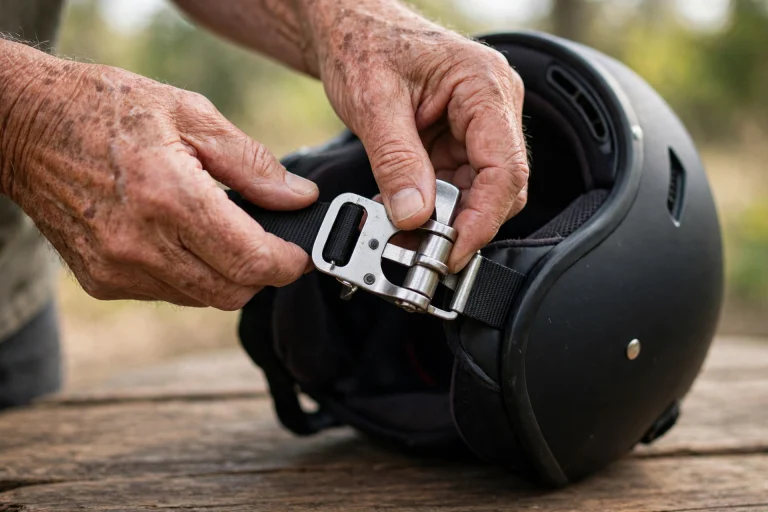
A good commuter helmet starts with fit. It should sit level on your head, feel snug all round without pressing, and stay put when you shake your head. The straps should form a V under each ear, and the buckle should sit comfortably under your chin. If the helmet rocks or slides, it is the wrong size or shape.
Weight matters on a daily ride. A heavy helmet can tire your neck, especially if your commute is long or hilly. Look for a light helmet that still meets the cycling standard you need, and try it on for several minutes to see how it feels. A helmet that feels balanced will seem lighter than one that pulls forward.
Ventilation is also important, because commuting in warm weather or uphill can make you hot quickly. Vents at the front and back let air flow through the helmet and help keep you cool. Look for a helmet with vents you can feel working when you ride, and padding that wicks sweat away from your forehead.
How Can a Helmet Help You Be Seen in Traffic?
Visibility is one of the most useful features of a commuter helmet. A bright colour, such as white, yellow, or orange, stands out in traffic far better than black or dark grey. Some helmets also have reflective details that catch car headlights in low light, which helps on early morning or evening commutes.
Some commuter helmets have a built-in rear light, or a mount for one. A light on your helmet sits higher than a light on your bike, which can make you easier to see over parked cars. If your helmet does not have a light, a small clip-on light can often be attached to the back.
In general terms, being seen is about more than your helmet. Bright clothing, lights on your bike, and riding in a clear road position all help. But a visible helmet is a good start, and it costs nothing extra to choose a bright one. A helmet with a bright colour and reflective details is one of the simplest ways to stand out, and it works in daylight as well as after dark.

What About Rain and Cold Weather?
Commuting means riding in the rain sometimes, and a helmet with a small peak or visor can help keep rain out of your eyes. Some helmets have a rain cover, or you can buy a separate helmet cover that fits over the top. A cover also adds a little warmth on cold mornings.
In cold weather, you may want to wear a thin cap or skullcap under your helmet. Check that the helmet still fits well with it on, because extra layers can make a helmet feel tight. Some helmets have a little extra room for this, or a fit system that adjusts easily.
Removable, washable padding is a real benefit for daily riders. Sweat builds up over a week of commuting, and padding you can take out and wash keeps the helmet fresh. If you are learning about how helmets handle different kinds of impact, reading about what MIPS is for helmets can help you understand one of the technologies used in modern helmet design.
How Do You Make a Helmet Comfortable for Daily Use?
Comfort comes from fit, weight, and padding working together. The fit system at the back of the helmet should adjust easily, ideally with one hand, so you can fine-tune it before each ride. The padding should feel soft against your head, not scratchy, and it should not press hard on your forehead.
Think about glasses too. Many older cyclists wear glasses, and a helmet that presses the arms into your temples will be uncomfortable within minutes. Try the helmet on with your glasses, and look for a model with a little extra room around the temples.
Also consider how the helmet works with your bag or panniers. A helmet with a ponytail opening or a low-profile back can sit more comfortably if you wear a backpack. Small details like this matter when you ride every day.
How Often Should a Commuter Helmet Be Replaced?
Replace your helmet after any crash or hard impact, even if you cannot see damage, because the liner inside can be damaged in ways that are not visible. Also replace it when the fit loosens, the straps fray, the buckle stops working smoothly, or the padding is worn out.
In general terms, a helmet used every day will wear out faster than one used occasionally. Check it regularly for cracks, loose parts, and faded straps. If you ride daily, a careful look every few months is a good habit.
Keeping a spare helmet is also worth considering if you commute daily. It means you are never tempted to ride without one while your main helmet is drying after a wash, or while you are waiting for a replacement part.
A short test ride before you buy is the best check of all: ride your usual route to work, and see how the helmet feels after twenty minutes in real traffic.
Frequently Asked Questions
Q: Do I need a special helmet for commuting, or will any bike helmet do?
A: Any bike helmet that fits well and meets the standard will protect you. A commuter helmet simply adds useful features, such as bright colours, a peak, and mounts for lights.
Q: Should an older cyclist choose a lighter helmet?
A: In general terms, yes. A lighter helmet is easier on the neck, especially on longer or hilly commutes. Compare models in the same style and choose the lightest one that fits well.
Q: Can I wear a cap under my cycling helmet in winter?
A: Yes, a thin cap or skullcap usually works well. Check that the helmet still sits level and feels snug with it on, and adjust the fit system if needed.

Olivia
Writer at Helmet Today, covering helmet reviews, fit and riding safety.