Yes, you can replace a helmet liner — in most helmets the liner is designed to come out, and swapping a worn or damaged one is one of the simplest ways to make an old helmet feel new again. The liner is the soft padding that sits between the hard shell and your head. It cushions impacts, absorbs sweat, and holds the helmet snugly in place. Over time it compresses, gets dirty, and loses its shape, which is when a replacement makes sense.
This guide explains how helmet liners work, when to replace one, how to choose the right replacement, and how to fit it yourself. It covers bicycle, motorcycle, and general sports helmets in general terms, because the basic idea is the same across types even though the details differ. If your liner is flat, smelly, torn, or loose, read on before you decide whether to replace the liner or the whole helmet.
What Does a Helmet Liner Do?
A helmet liner has three jobs, and all three matter every time you ride. First, it spreads the force of an impact across a wider area of your head, working together with the hard outer shell and the energy-absorbing foam underneath. Second, it keeps the helmet sitting in the right position, so it does not slide around or tip forward over your eyes. Third, it manages sweat and moisture, keeping you comfortable on long rides and stopping damp padding from irritating your skin.
The comfort liner also affects how the helmet feels from day to day. A fresh liner grips gently, wicks sweat away, and feels soft against your skin. A worn liner feels flat and slippery, lets the helmet move around, and can hold odours that no amount of airing seems to shift. That change in feel is often the first sign that a replacement is due, even if the helmet itself still looks fine from the outside.
When Should You Replace a Helmet Liner?
The most common reason to replace a liner is simple wear. If you ride regularly, the foam pads inside the liner compress over months of use, and the fabric stretches and thins. You may notice the helmet feels looser than it used to, even though you have not changed the fit system. You may find yourself tightening the retention dial further than before, or the helmet may rock side to side when you shake your head. These are signs that the liner is no longer doing its job of holding the helmet steady.
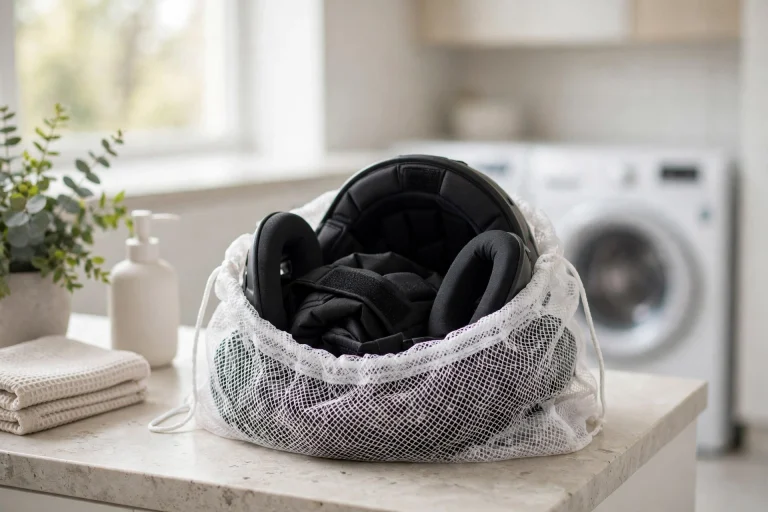
Hygiene matters too. Liners absorb sweat, sunscreen, and skin oils, and over time they can develop a smell that washing does not fully remove. Most liners can be washed by hand a few times, and that is worth trying first. But if the smell returns quickly after washing, or the fabric feels stiff and matted, a replacement liner will be far more pleasant to wear. If you are learning about how the rest of your helmet protects you, reading about what MIPS is for helmets can help you understand one of the safety systems that works alongside the liner.
How Do You Choose the Right Replacement Liner?
The golden rule is to match the liner to your exact helmet model. Liners are not universal: they are shaped to fit a particular shell, with fasteners in specific places and padding in specific thicknesses. Start by finding your helmet’s brand, model name, and size, which are usually printed on a label inside the helmet or on the box it came in. Then look for a liner made for that exact model and size.
Be careful with size. A liner for the same model in a different size may look similar but will not fit correctly, and a liner that is too thick can make the helmet feel tight and uncomfortable, while one that is too thin leaves the helmet loose. If the maker of your helmet does not sell a replacement liner for your model, check with a reputable dealer or the maker’s customer service before buying a generic alternative. In general terms, a liner that does not match your helmet is not a good substitute, however cheap it is.
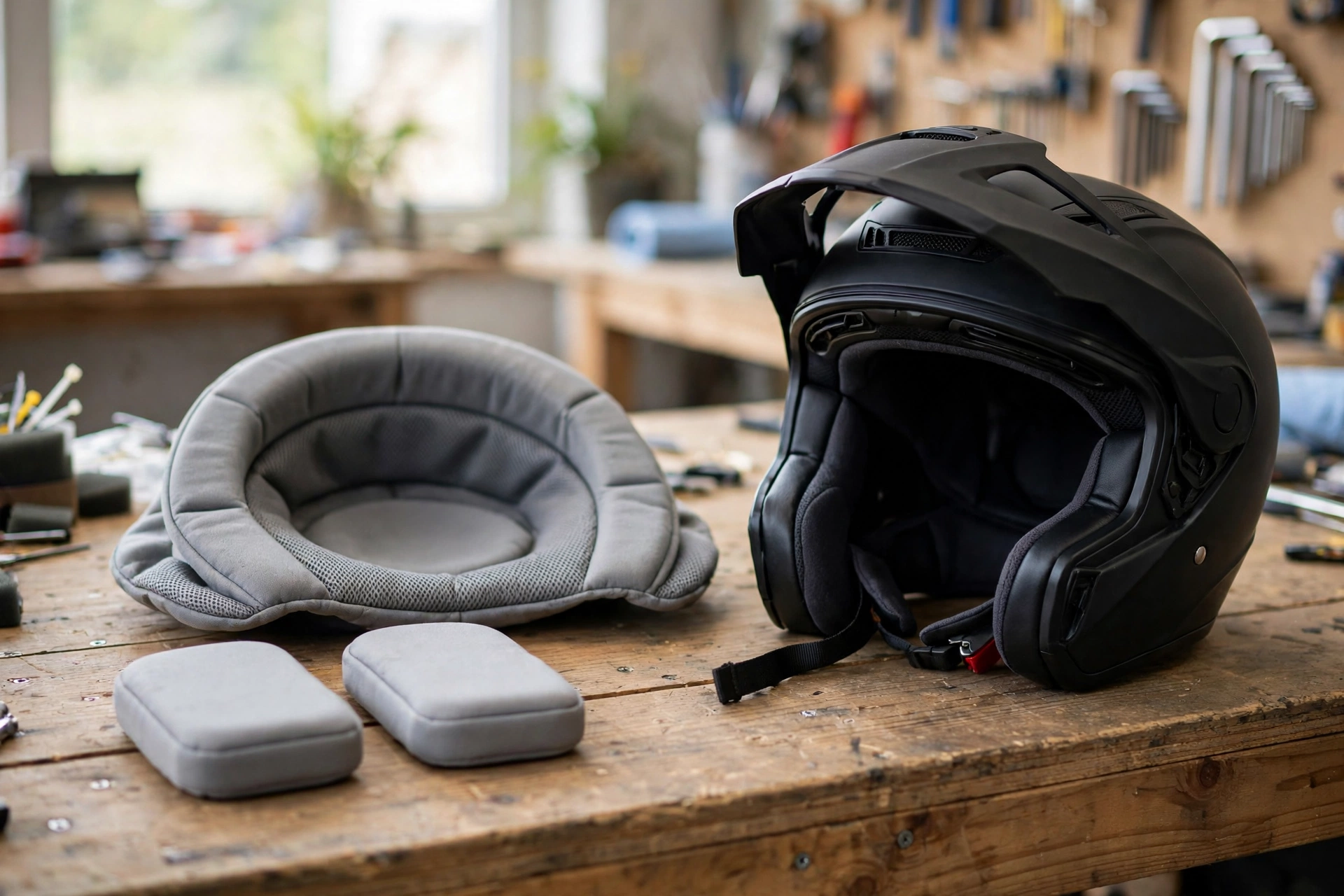
Also think about the material. Most replacement liners are made from moisture-wicking fabric over foam, much like the original. Some are sold as a full set — crown pad, cheek pads, and chin strap covers — while others are sold as individual pieces. Buying the full set is usually the simplest option if several parts are worn, while a single cheek pad may be enough if only one part has gone flat. Check what is included before you order, so you are not surprised when the parcel arrives.
How Do You Remove and Fit a New Liner?
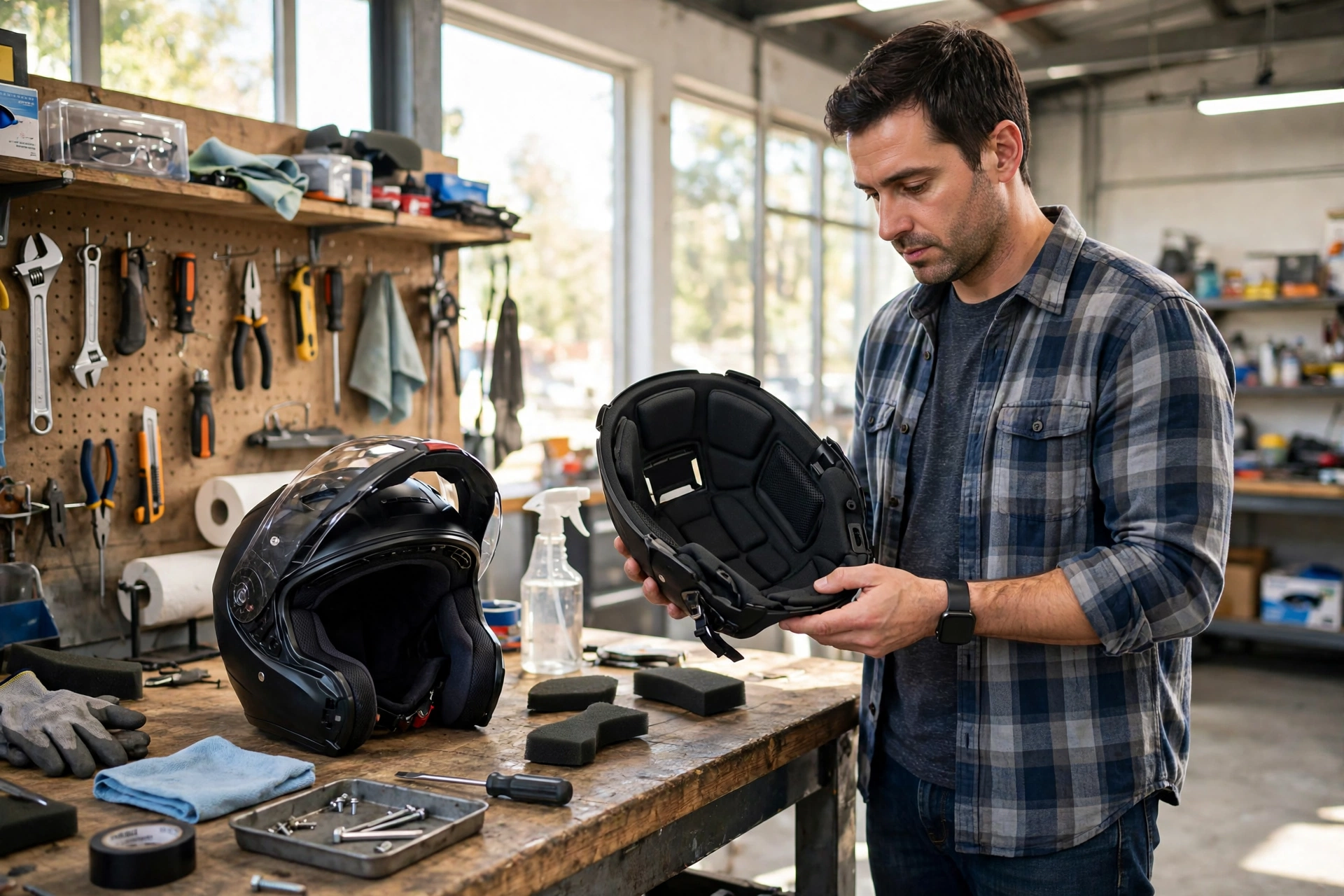
Removing an old liner is usually straightforward, but it pays to go slowly. Start by unfastening the chin strap and opening any vents. Then work around the inside of the helmet, gently pulling each pad away from its fastener. Most pads are held by small press studs or hook-and-loop patches, and they should come away with a firm but gentle pull. If a pad resists, look for the fastener rather than forcing it, because yanking can tear the fabric or pull the fastener out of the foam.
Before fitting the new liner, take a moment to clean the inside of the helmet. Wipe the EPS foam with a damp cloth and let it dry fully. This is also a good time to check the foam for cracks or dents, and to inspect the straps and buckles. If the foam underneath is damaged, a new comfort liner will not fix the problem, and the helmet itself may need replacing.
Can a New Liner Fix a Loose or Uncomfortable Helmet?
A new liner can fix a lot of fit problems, but not all of them. If the helmet has become loose simply because the old liner compressed, a fresh liner of the right thickness will often restore the original snug fit. Many riders are surprised by how much difference it makes — a helmet that felt sloppy can feel like new again after a liner swap. The same applies to comfort: fresh padding can remove pressure points caused by flattened foam.
In general terms, think of a liner replacement as maintenance, not a rescue. It is a sensible way to extend the life of a good helmet that still fits, and it is a cheap fix compared with buying a new helmet. But it is not a way to keep using a helmet that has been in a crash, has damaged foam, or never fitted properly in the first place. When in doubt, ask a knowledgeable dealer to check the helmet with you before you spend money on a liner.
Frequently Asked Questions
Q: Are helmet liners universal, or do I need one made for my helmet?
A: You need one made for your helmet model and size. Liners are shaped to match a specific shell, with fasteners in set places, so a generic or wrong-size liner is unlikely to fit properly.
Q: Can I wash a helmet liner instead of replacing it?
A: Yes, most comfort liners can be washed by hand in mild soapy water and left to air dry. Try washing first, and replace the liner only if it stays flat, torn, smelly, or loose after washing.
Q: How do I know if my helmet needs a new liner or a whole new helmet?
A: A new liner is enough if the shell, foam, straps, and retention system are all in good condition and the helmet still fits. If the foam is cracked, the helmet has been in a crash, or it never fitted well, replace the helmet itself.

Olivia
Writer at Helmet Today, covering helmet reviews, fit and riding safety.