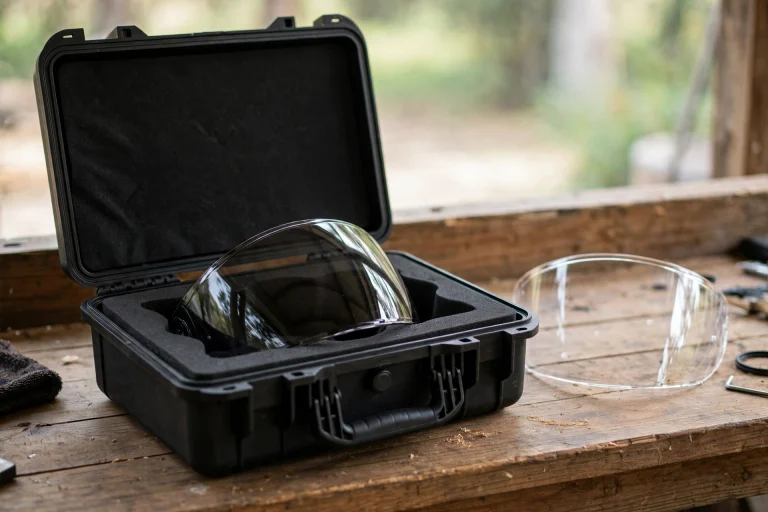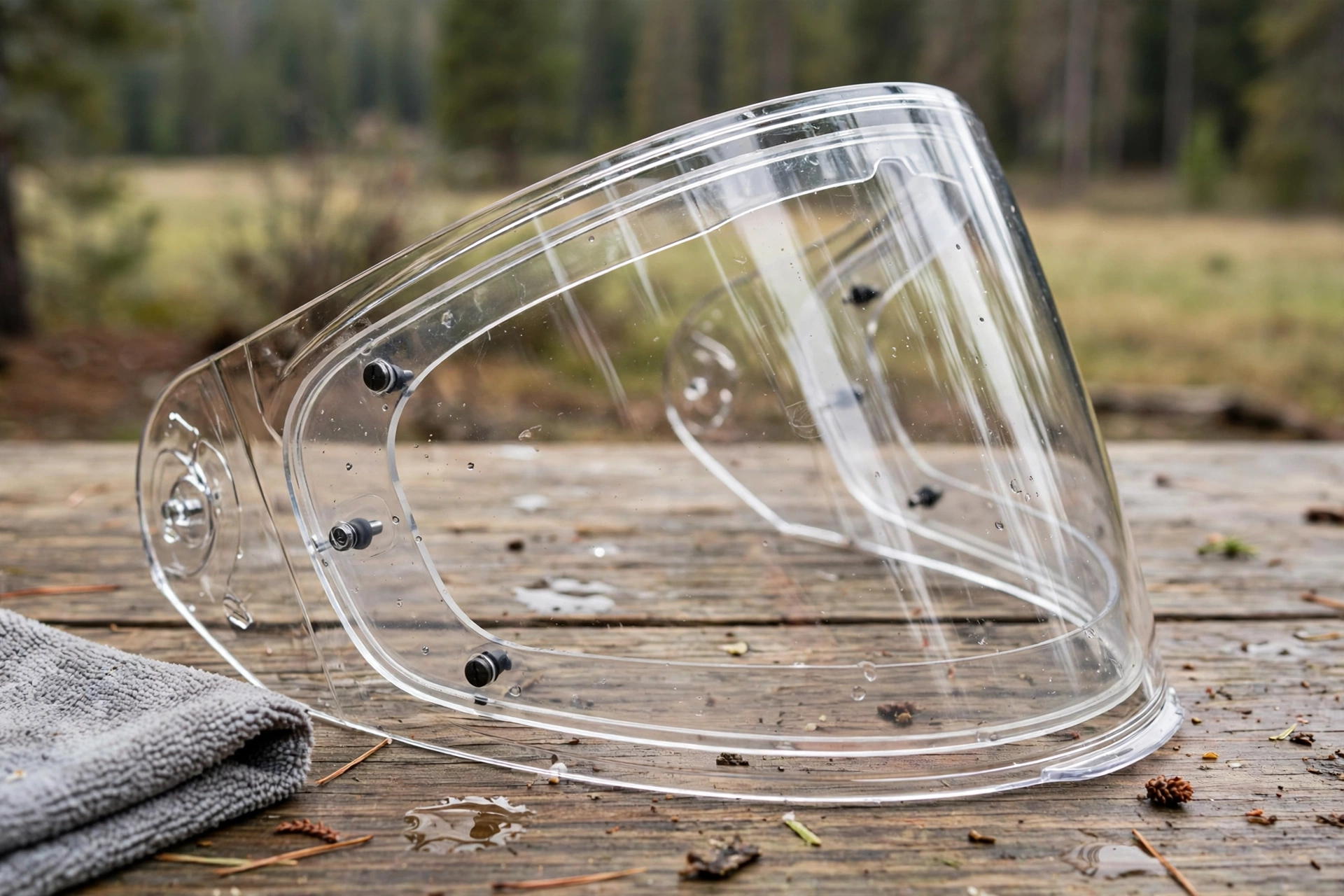
Yes, a Pinlock insert is a thin inner lens that fits inside a motorcycle helmet visor, and in general terms it is one of the most effective ways to stop the visor fogging up on cold or damp rides. It works by creating a double glazed effect: the insert sits a small distance from the inside of the visor, with a sealed pocket of air between the two layers, and that pocket reduces the temperature difference that causes condensation. Your warm breath still reaches the insert, but the air pocket insulates the visor, so moisture is far less likely to form into fog. Many riders who have struggled with a misted visor find that a Pinlock insert changes their winter riding completely.
What Is a Pinlock Insert and How Does It Work?
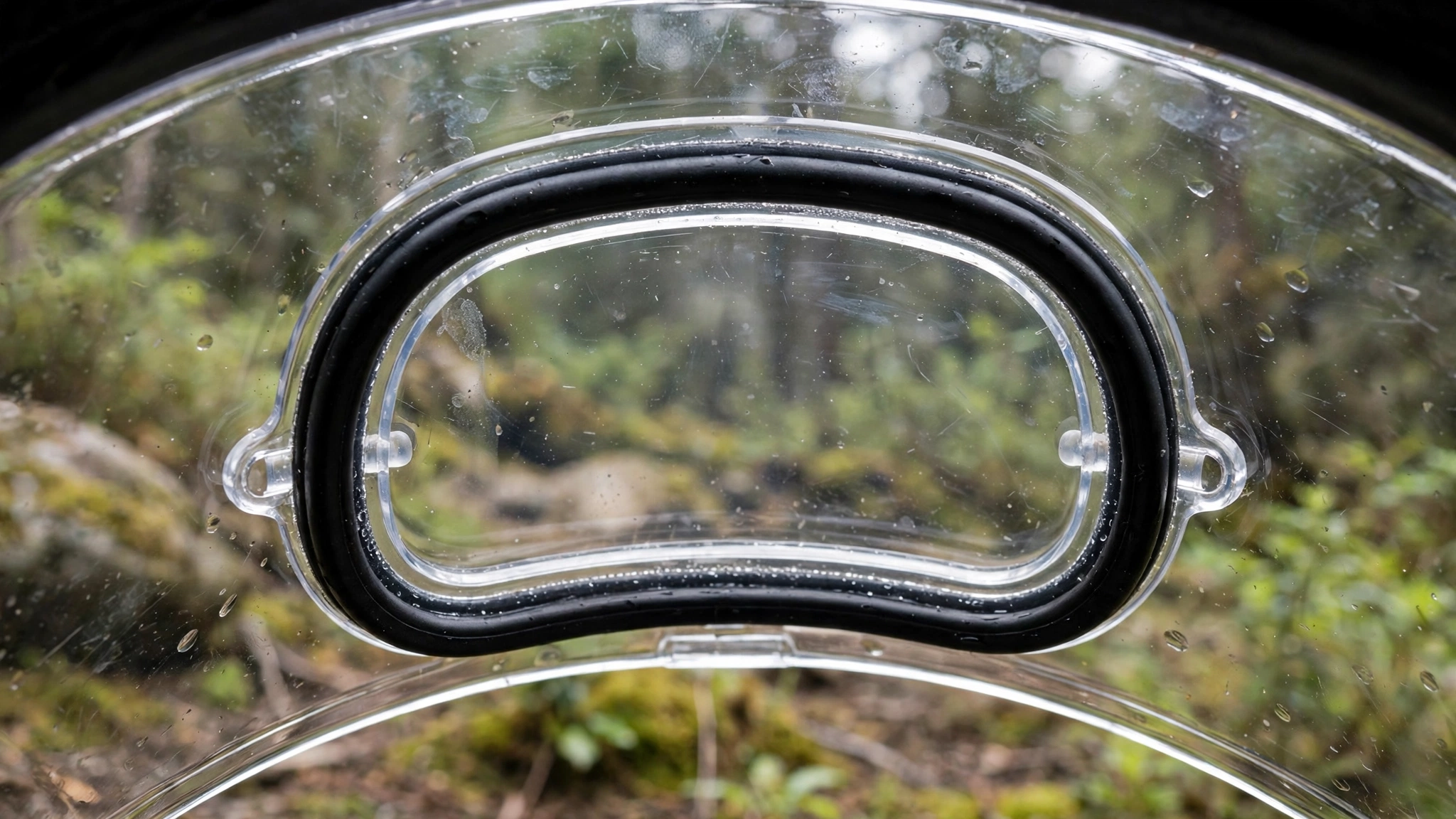
A Pinlock insert is a flexible, transparent lens made from a moisture absorbing material, shaped to fit inside your helmet visor. It attaches to two small pins on the inside of the visor, one on each side, and a soft silicone seal around its edge presses against the visor to create an airtight pocket between the insert and the visor. That pocket is the key to how it works.
Fog forms when warm, moist air meets a cold surface. Inside a helmet, your breath is warm and damp, and the visor on a cold day is much cooler. Without an insert, that warm air hits the cold visor directly and condenses into a fine mist. With a Pinlock insert, the warm air meets the insert first, and the pocket of air between the insert and the visor acts as insulation, so the visor itself stays closer to the temperature of the air inside the helmet. The result is far less condensation, and a much clearer view.
What Types of Pinlock Insert Can You Choose?
The most common type is the clear Pinlock insert, which is designed to give a clear view in all conditions. It is the right choice for most riders, because it works at night, in low light, and in daylight, and it does not change the colour of what you see. If you only buy one insert, it should be a clear one.
A third type is the insert with a stronger anti fog rating, often sold in different grades. In general terms, a higher grade insert is designed to cope with colder and more humid conditions, and it may have a thicker or more absorbent material. The right grade depends on the weather you ride in: a rider who commutes through a cold, wet winter may benefit from a stronger insert, while a rider in a milder climate may find a standard insert is enough.
How Do You Choose the Right Pinlock Insert?
The first step is to check whether your helmet and visor are Pinlock ready. Look for two small pins on the inside of the visor, one on each side, and check the helmet instructions or the maker’s website to see which insert fits your visor. The insert must match the visor model exactly, because the shape, size, and pin position are all specific. Buying the wrong insert is a common mistake, and it usually means the insert will not fit or will not seal.
The second step is to choose the tint. For most riders, a clear insert is the best choice, because it can be used at any time of day and in any light. A tinted insert is useful if you ride a lot in bright sunshine, but it should not be your only insert if you also ride at night or in low light. If you want a tinted insert, consider keeping a clear one as well, so you can change according to the ride.
It is also worth checking whether the insert is genuine. A genuine Pinlock insert is made to a consistent standard and is shaped for your visor, while a cheaper copy may not seal as well or may distort your view. If you are unsure, buy from the helmet maker or a trusted supplier, and check that the packaging and the insert itself look right. Learning about what MIPS is for helmets can also help you understand the other safety features built into a modern helmet, so you can judge the whole helmet rather than one accessory alone.
How Do You Fit a Pinlock Insert?
Fitting a Pinlock insert is a simple job once you know how, but it needs care to get a good seal. Start by removing the visor from the helmet, following the instructions for your helmet model. Lay the visor on a clean, soft surface with the inside facing up, and check that it is clean and dry. Any dirt or moisture on the visor can get trapped under the insert and cause fogging, so take a moment to clean it first.
Once the insert is fitted, hold the visor up to the light and look for gaps in the seal or areas where the insert is not touching the visor. The seal should be continuous, with no breaks or bubbles. If you can see a gap, remove the insert and refit it, and check the pins again. A good seal is essential, because if moist air gets into the pocket between the insert and the visor, it will fog from the inside and be hard to clear.
How Do You Clean, Look After, and Replace a Pinlock Insert?
Cleaning a Pinlock insert needs a gentle touch. Remove the insert from the visor, if you can, and rinse it with clean, lukewarm water. Use a mild soap if needed, and dry it with a soft, clean cloth or let it air dry. Avoid rubbing it hard, using paper towels, or using harsh cleaners or solvents, because the surface is softer than the visor itself and can be scratched or damaged. A scratched insert can distort your view, so treat it with care.
A Pinlock insert does not last forever. Over time, the material can lose its ability to absorb moisture, the silicone seal can wear, and the surface can become scratched. If your insert starts to fog at the edges, or if it no longer clears as well as it did when it was new, it is probably time for a replacement. In general terms, an insert that is used regularly through a winter may need replacing after a season or two, while one that is used less often may last longer.
Frequently Asked Questions
Q: Does my helmet need to be Pinlock ready to use a Pinlock insert?
A: Yes, in general terms your visor needs the small pins that hold the insert in place. If your visor has no pins, it is not Pinlock ready, and you would need a different visor or a different anti fog solution.
Q: Can I use a Pinlock insert at night?
A: Yes, a clear Pinlock insert can be used at night, because it does not reduce the light reaching your eyes. A tinted insert should not be used at night, for the same reason a tinted visor should not be used in the dark.
Q: Why is my Pinlock insert fogging at the edges?
A: Fogging at the edges usually means the silicone seal is not touching the visor all the way around, so moist air is getting into the pocket. Remove the visor, check the seal, adjust the pins, and refit the insert carefully.

Olivia
Writer at Helmet Today, covering helmet reviews, fit and riding safety.