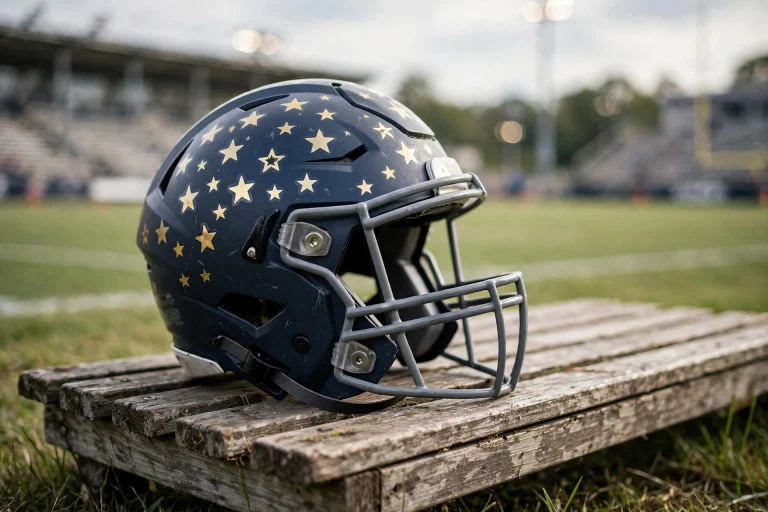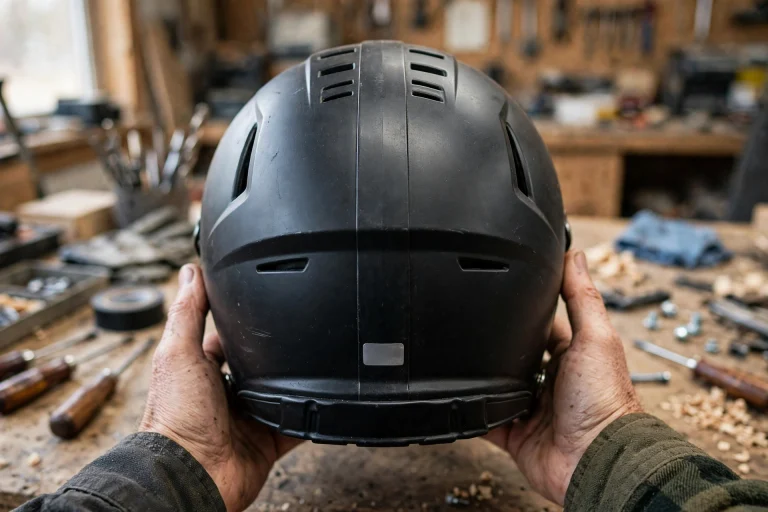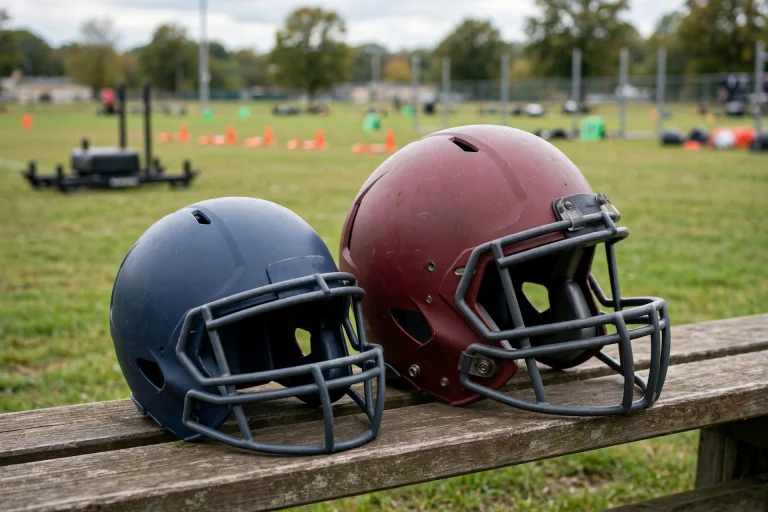
Football helmet ear pads cushion the ears, hold the helmet steady, and help players hear on the field — but they cannot make hearing perfect in a noisy, high-contact game. Ear pads are the soft pads that sit inside the helmet over each ear, between the shell and the player’s head. They protect the ears from direct knocks, keep the helmet from shifting, and shape how much crowd noise, whistles, and voices reach the player. For a sport that depends on hearing the snap count, the quarterback’s call, and a coach shouting from the sideline, how those pads are made and fitted matters more than most players realise.
Players often notice ear pads only when something goes wrong: a helmet that feels loose, ears that ache after a game, or a play call that gets lost in the noise. This guide explains what ear pads do, how they affect hearing, how to fit and look after them, and what to do when hearing on the field is a problem. The aim is practical: a helmet that protects the ears and still lets a player hear what matters.
What Are Football Helmet Ear Pads and What Do They Do?
Ear pads are the padded sections inside a football helmet that cover each ear. They are usually made of foam covered in a soft, wipe-clean material, and they sit inside the ear holes of the shell or in the ear flaps of the helmet’s lower sides. Together with the cheek pads and the crown padding, they hold the helmet in place on the head so that it does not slide forward, back, or sideways during a play.
Their first job is protection. A direct blow to the side of the head can press the shell against the ear, and the pad spreads that force and keeps the hard shell from digging in. The pads also protect against the smaller, repeated knocks that happen in the line, when helmets bump together on almost every snap. Without them, the ears would take a lot of punishment over a season, and the helmet would feel harsh and unstable.
How Do Ear Pads Affect Hearing on the Field?
Ear pads sit directly over the ears, so in general terms they will muffle sound a little — that is unavoidable. The foam and the covering absorb some of the sound that would otherwise reach the ear, and the shell around them blocks more. The effect is similar to wearing a snug hat with ear flaps: voices become slightly quieter and less sharp, especially from the sides. Most players adjust to this quickly, and the muffling is modest with a well-fitted helmet.
Crowd noise makes the problem harder. In a loud stadium, the pads muffle everything — the crowd and the play call alike — so the call can get lost even though the pads are doing their job. That is why teams use hand signals, wristbands with the play written down, and non-verbal cues alongside the spoken call. A player who cannot hear the quarterback is not necessarily wearing the wrong pads; they may simply be playing in noise that would defeat any helmet. If you want to understand how the inside of a modern helmet manages impacts as well as fit, reading about what MIPS is for helmets can help you see how the layers inside a helmet work together.

How Should Ear Pads Fit?
A good ear pad fit is snug without pressure. When the helmet is on and the chin strap is fastened, the pads should sit flat against the head, covering the ear fully, with no gaps at the edges and no pinching. The player should be able to hear a normal voice at close range without straining, and the helmet should not slide when the player shakes their head gently from side to side. If the helmet rocks, the pads are probably too thin or worn down.
Pressure is the sign of a pad that is too thick or wrongly placed. If a player feels a sore spot on the ear after a short practice, or the ear feels hot and squeezed, the fit needs adjusting. Equipment managers usually have pads in several thicknesses and can swap them in minutes. They may also trim or reposition a pad slightly, though this should be done carefully and only with pads made for that helmet model — cutting a pad to fit can damage its covering and let sweat soak into the foam.
How Do You Care for and Replace Ear Pads?
Ear pads take a lot of wear. They sit against the skin, soak up sweat, and get pressed on every play, so in general terms they are one of the first parts of a helmet to need attention. After each practice or game, they should be wiped down with a damp cloth and left to air dry — not left damp inside a kit bag, where they can smell and wear out faster. A mild soap can be used if the maker’s instructions allow it, but harsh cleaners and soaking should be avoided, because they can break down the foam and the covering.
When replacing pads, the old ones should be peeled out gently and the inside of the shell wiped clean before the new ones go in. The new pads should be pressed into place firmly and checked for gaps at the edges. It is also a good time to check the ear holes in the shell for dirt or damage, since a blocked hole affects hearing. A few minutes of care here can make a real difference to comfort over a whole season, and it is far cheaper than replacing a helmet that has been damaged by neglect.
What If a Player Struggles to Hear on the Field?
The first step is to check the fit, not the pads alone. A helmet that is too big, a chin strap that is loose, or pads that have gone flat can all make hearing worse by letting the helmet sit in the wrong place. A quick check by the equipment manager — shell size, pad thickness, ear hole alignment — often finds the problem. If the fit is right and hearing is still poor, the next step is to look at the pads themselves: a thick, dense pad can be swapped for a thinner one that still protects the ear but lets more sound through.
Frequently Asked Questions
Q: Do football helmet ear pads make it harder to hear?
A: In general terms, they muffle sound slightly, but a well-fitted pad with a clear ear hole should still let a player hear calls at close range. If hearing is badly affected, the fit or the pad thickness is worth checking.
Q: How often should football helmet ear pads be replaced?
A: They should be replaced when they feel flat, torn, or hard, or when the helmet no longer sits snug. Many teams replace them at least once a season, and more often for players who practise daily.
Q: Can I remove the ear pads to hear better?
A: No. Removing ear pads leaves the ears unprotected and makes the helmet fit badly. If hearing is a problem, check the fit, try a thinner approved pad, or improve the team’s signals instead.

Olivia
Writer at Helmet Today, covering helmet reviews, fit and riding safety.