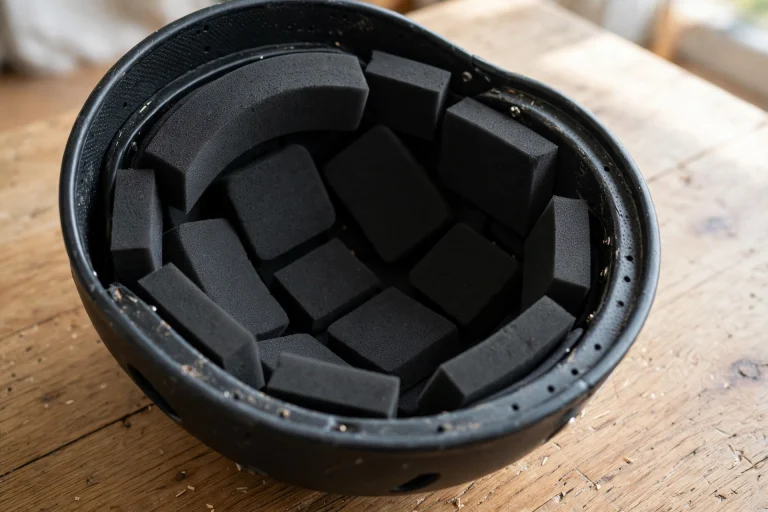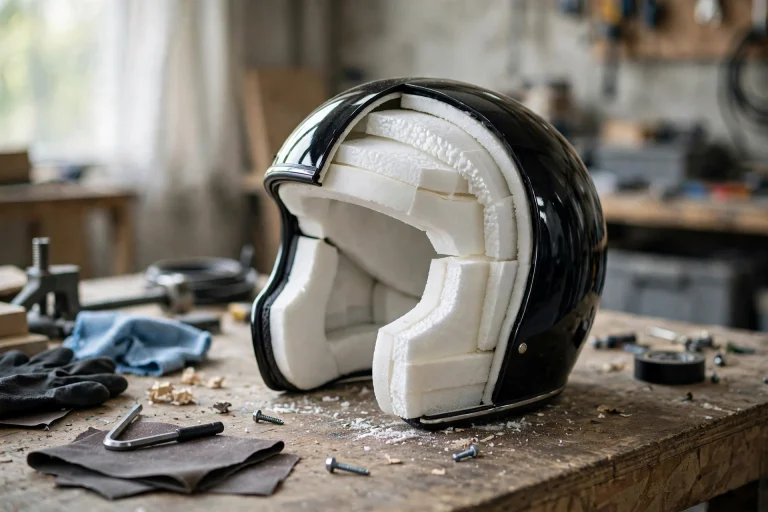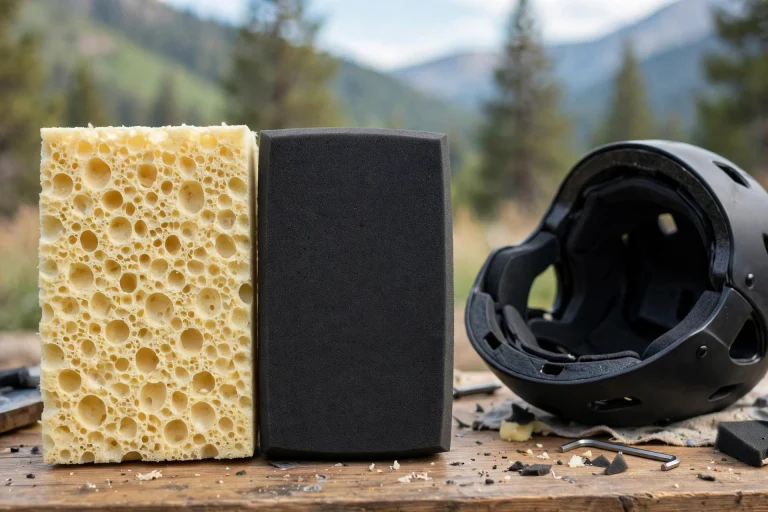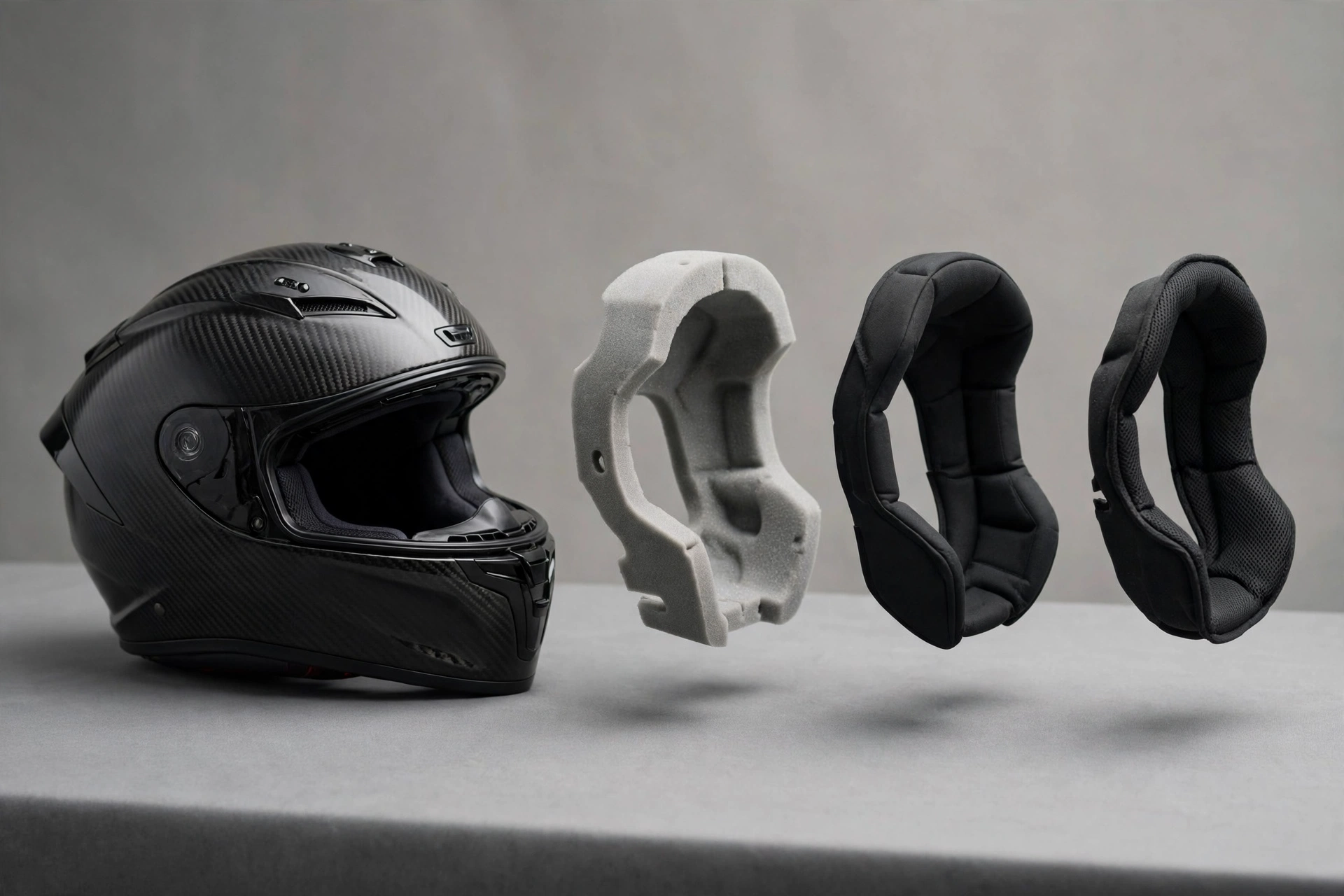
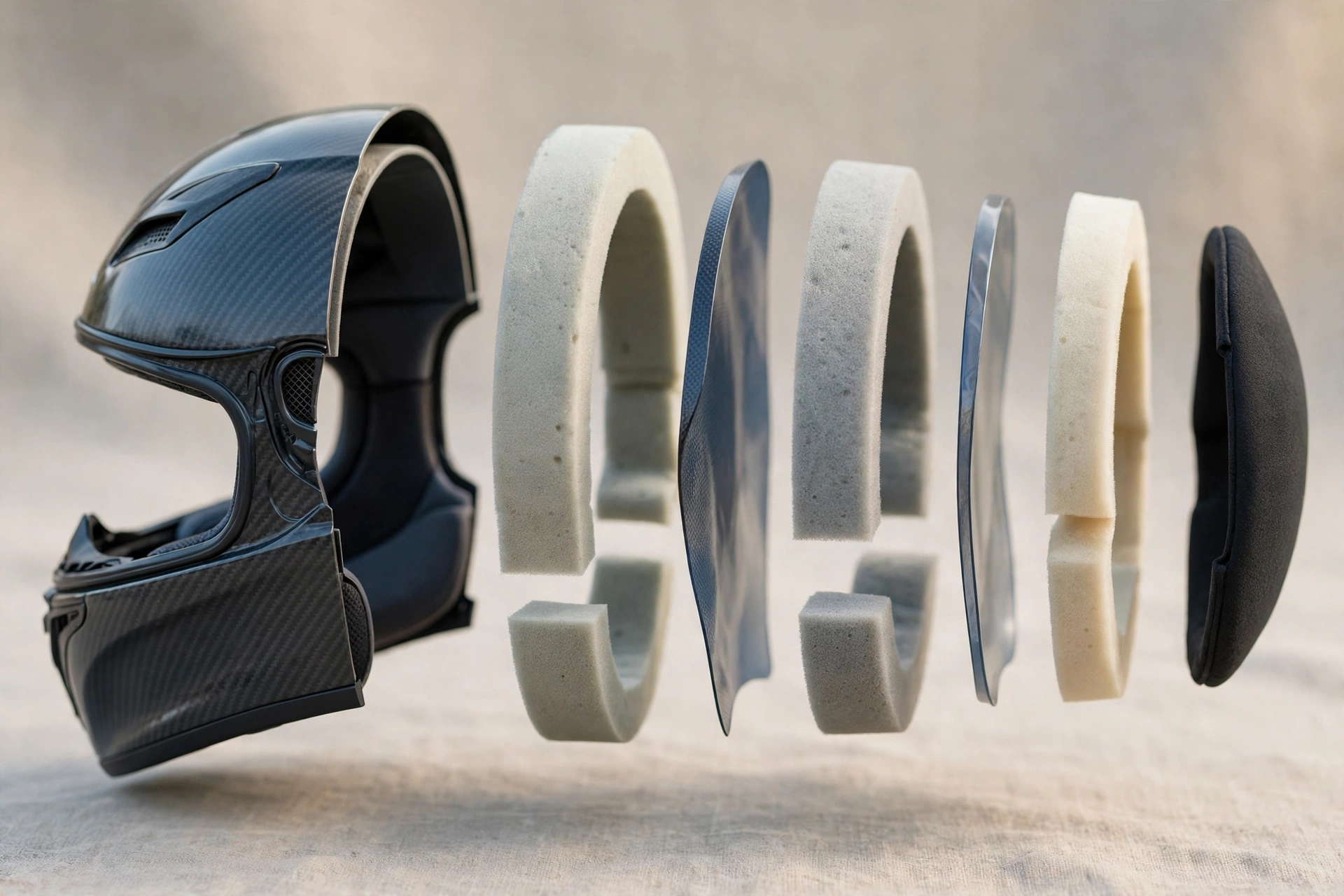
Bell Flex technology in a helmet is a three-layer impact management system developed by Bell Helmets that uses layers of foam with different densities, a flexible membrane, and a sliding layer to manage both direct and rotational forces in a crash. The name “Flex” comes from the way the layers work together: the system is designed to flex and move on impact, rather than behaving as a single rigid block of foam. In general terms, it is Bell’s answer to the problem of angled impacts, built into its higher-end motorcycle and bicycle helmets.
Bell has made helmets for decades, and Flex is one of its more recent technologies, appearing in models such as the Race Star and the Star series for motorcyclists. This guide explains what Bell Flex is in general terms, how its three layers work, how it compares with other rotational systems, and what to look for if you are considering a helmet that uses it.
What Are the Three Layers of Bell Flex?
The first layer is the one closest to the rider’s head, and it is made from a soft, low-density foam that is designed to deal with lower-speed impacts. The idea is that a gentle knock should meet a gentle response: the soft foam compresses easily and absorbs the energy of a minor impact without passing much of it on to the head. This layer is also the most comfortable against the head, since it is soft and flexible.
The second layer sits in the middle and is made from a firmer, medium-density foam. It takes over when the impact is harder than the first layer can handle on its own. As the force increases, the middle layer begins to compress, adding more energy absorption. The third layer, closest to the shell, is the firmest of the three, and it is designed for the hardest impacts. In general terms, the three densities work like a staircase: each step engages as the impact gets stronger, so the helmet responds in proportion to the force involved.
How Does Bell Flex Handle Rotational Forces?
When a helmet strikes the ground at an angle, the impact creates a twisting force that tries to rotate the head. Rotational forces are a concern because the brain is sensitive to twisting motion, and reducing that twist is one of the main aims of modern helmet design. Bell Flex handles it through the flexible membrane between its foam layers, which lets the inner part of the liner move a small amount relative to the outer part.
That small movement absorbs some of the rotational energy before it reaches the head. The effect is similar in aim to other rotational systems, but the mechanism is built into the foam stack itself rather than added as a separate layer. The membrane is designed to flex and slide in any direction, so it can respond to an impact from any angle, not only from one side.
How Is Bell Flex Different from MIPS?
Bell Flex and MIPS both aim to reduce the rotational forces that reach the head in an angled crash, but they are built in different ways. MIPS, which stands for Multi-directional Impact Protection System, uses a thin, low-friction layer inside the helmet that lets the shell slide a short distance relative to the head. The sliding motion absorbs some of the rotational energy. Bell Flex, by contrast, builds the sliding movement into a stack of three foam layers with a flexible membrane between them.
Another difference is scope. MIPS is a single, focused technology that deals with rotational forces, and it is fitted inside helmets that use a conventional foam liner for direct impacts. Bell Flex is a broader system that deals with both direct and rotational forces at once, using progressive foam densities for the direct part and the membrane for the rotational part. In general terms, Flex is a whole-liner design, while MIPS is an add-on layer inside a standard liner.
For the rider, the practical difference is small. Both systems sit inside helmets that also rely on a hard shell and foam for protection, and neither changes how the helmet fits or how it should be worn. If you are learning about how helmets handle different kinds of impact, reading about what MIPS is for helmets can help you compare the two approaches and understand which system a given helmet uses.
Which Bell Helmets Use Flex Technology?
Bell Flex appears mainly in Bell’s higher-end helmets, where the extra cost of the three-layer construction makes sense. For motorcyclists, it is found in models such as the Race Star and the Star series, which are aimed at track and fast road riding. For cyclists, versions of the technology have appeared in Bell’s premium road and mountain bike helmets, where the same principles apply on a smaller, lighter scale.
The technology is not fitted to every Bell helmet, and the product description should say clearly whether a particular model uses Flex. If a helmet is described as having a Flex liner, it uses the three-layer system; if it is not mentioned, the helmet uses a conventional liner instead. In general terms, a helmet that carries the Flex name has been designed around the system from the start, rather than having it added afterwards.
What Should You Look for When Buying a Helmet with Bell Flex?
The first thing to check is the fit. Try the helmet on, fasten the strap, and move your head from side to side. The helmet should sit level, feel snug without pressing painfully anywhere, and should not rock or slide around. A helmet with Flex fits in the same way as any other helmet, and the usual fitting checks still apply. If it does not fit, the three-layer liner will not make up for it.
Next, check which safety standard the helmet meets. Flex is an additional feature, not a standard in itself, so the helmet should still carry a recognised certification for the type of riding you do. Look at the label inside the helmet or the product description, and make sure the standard matches your needs, whether that is motorcycling, road cycling or mountain biking.
It is also worth paying attention to weight and ventilation. A three-layer liner can be slightly heavier than a single-density liner, and some riders notice the difference on long rides. Try the helmet on for a few minutes and think about how it will feel after an hour on the road. A helmet that is comfortable enough to wear every time is safer than one that is technically advanced but sits on a shelf because it is hot or heavy.
Frequently Asked Questions
Q: What is Bell Flex technology in a helmet?
A: In general terms, it is a three-layer impact system developed by Bell that uses foams of different densities with a flexible membrane between them, designed to manage both direct and rotational forces in a crash.
Q: Is Bell Flex the same as MIPS?
A: No. Both systems aim to reduce rotational forces, but MIPS uses a thin low-friction layer that lets the shell slide, while Bell Flex builds the sliding movement into a three-layer foam stack with a flexible membrane.
Q: Do I need a helmet with Bell Flex?
A: Not necessarily. It is a useful extra feature in Bell’s higher-end helmets, but fit, comfort and a recognised safety standard matter more. Choose a helmet that fits well first, and treat Flex as a bonus.

Olivia
Writer at Helmet Today, covering helmet reviews, fit and riding safety.