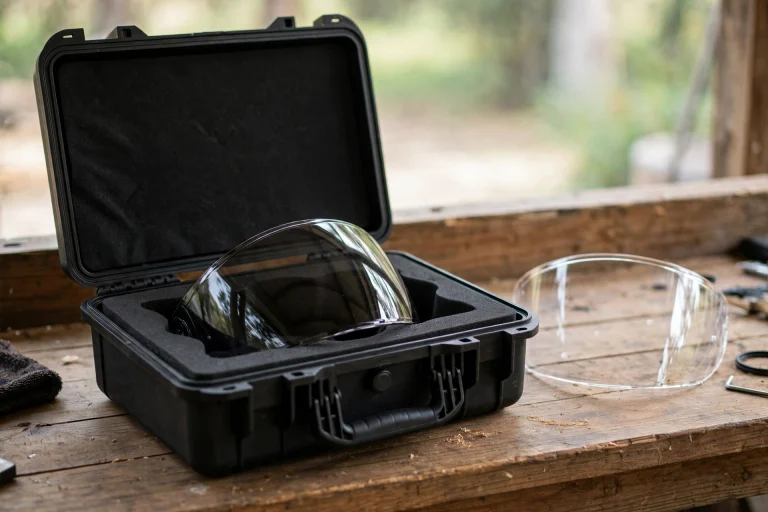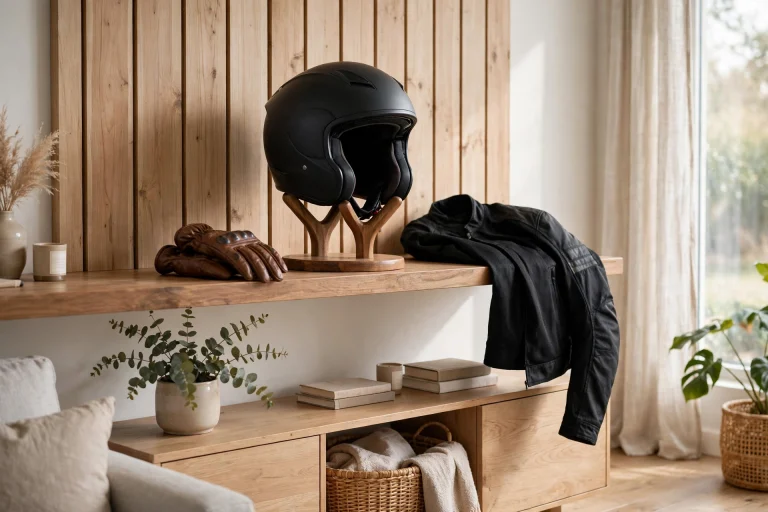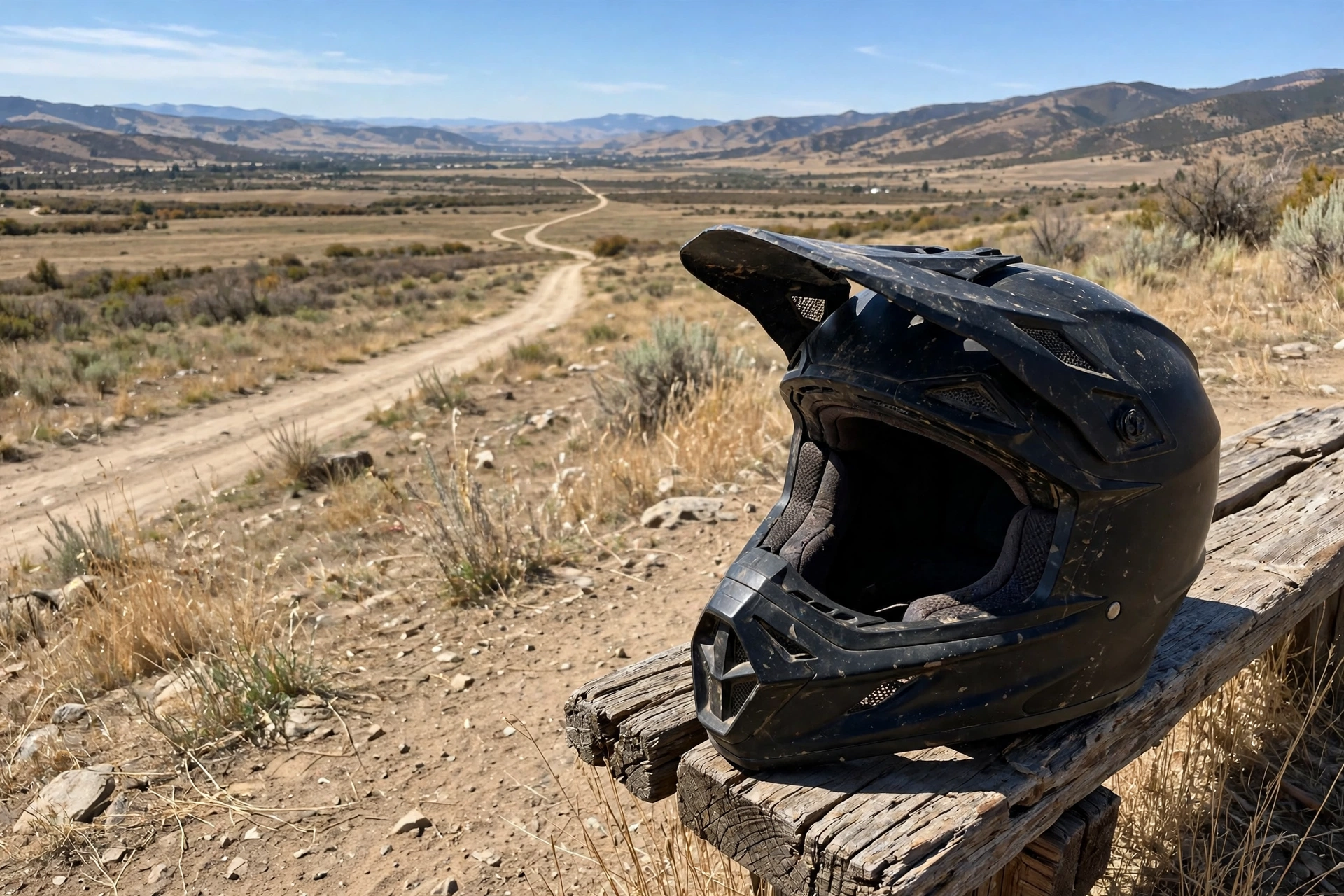
Aftermarket helmet sun peaks are clip-on or bolt-on peaks that attach to a helmet to shade the rider’s eyes from the sun, and they are sold separately from the helmet itself. They are most common on off-road and adventure helmets, where they also help deflect roost, branches, and rain. For riders whose helmet did not come with a peak, or whose original peak is damaged, an aftermarket peak is a practical way to add shade without buying a new helmet.
A sun peak works like the brim of a cap, casting a shadow over the eyes and the top of the visor or goggles. That shade can make a big difference on a bright day, reducing glare and eye strain on long rides. This guide explains what aftermarket sun peaks are in general terms, how they fit, and what to consider before buying one.
What Is an Aftermarket Helmet Sun Peak?
An aftermarket sun peak is a peak made by a company other than the maker of your helmet, designed to fit that helmet or a range of similar helmets. Peaks are usually made from moulded plastic, and they come in different lengths, shapes, and colours. Some are short and subtle, while others are long and wide for maximum shade.
The word “aftermarket” simply means the part was not supplied with the helmet when it was new. It does not mean the peak is low quality: many aftermarket peaks are well made and designed to fit specific helmet models closely. Others are universal peaks that can be adapted to fit several helmets, though these may need a little more care to fit well.
In general terms, a sun peak is different from the visor on a full-face helmet. The visor is the clear shield that covers the eyes, while the peak sits above it and blocks sunlight from above. On an off-road helmet, the peak is used with goggles, and it also helps to keep mud and stones from being thrown up into the rider’s face.
How Do Aftermarket Sun Peaks Fit?
Most aftermarket peaks attach to the helmet in one of two ways. Some bolt on using the same screws that hold the visor or the side pods, while others clip into existing mounting points on the shell. A model-specific peak will usually line up with the existing holes, making fitting a matter of removing a few screws, placing the peak, and tightening the screws again.
Universal peaks may need a little more work. They often come with a set of brackets or adapters, and you may need to adjust them to get the peak level and centred. It is worth taking your time with this, because a peak that sits at an angle looks wrong and can catch the wind unevenly. Always check the fitting instructions that come with the peak, since the exact method varies by brand.
Before you buy, check how your helmet is set up. Some helmets have a peak mounting system built in, while others have no mounting points at all, which makes fitting an aftermarket peak difficult or impossible. If your helmet has no mounting points, a peak that clamps or sticks on is unlikely to be secure, and you may be better off choosing a different helmet or a different form of sun protection.
What Are the Benefits of a Sun Peak?
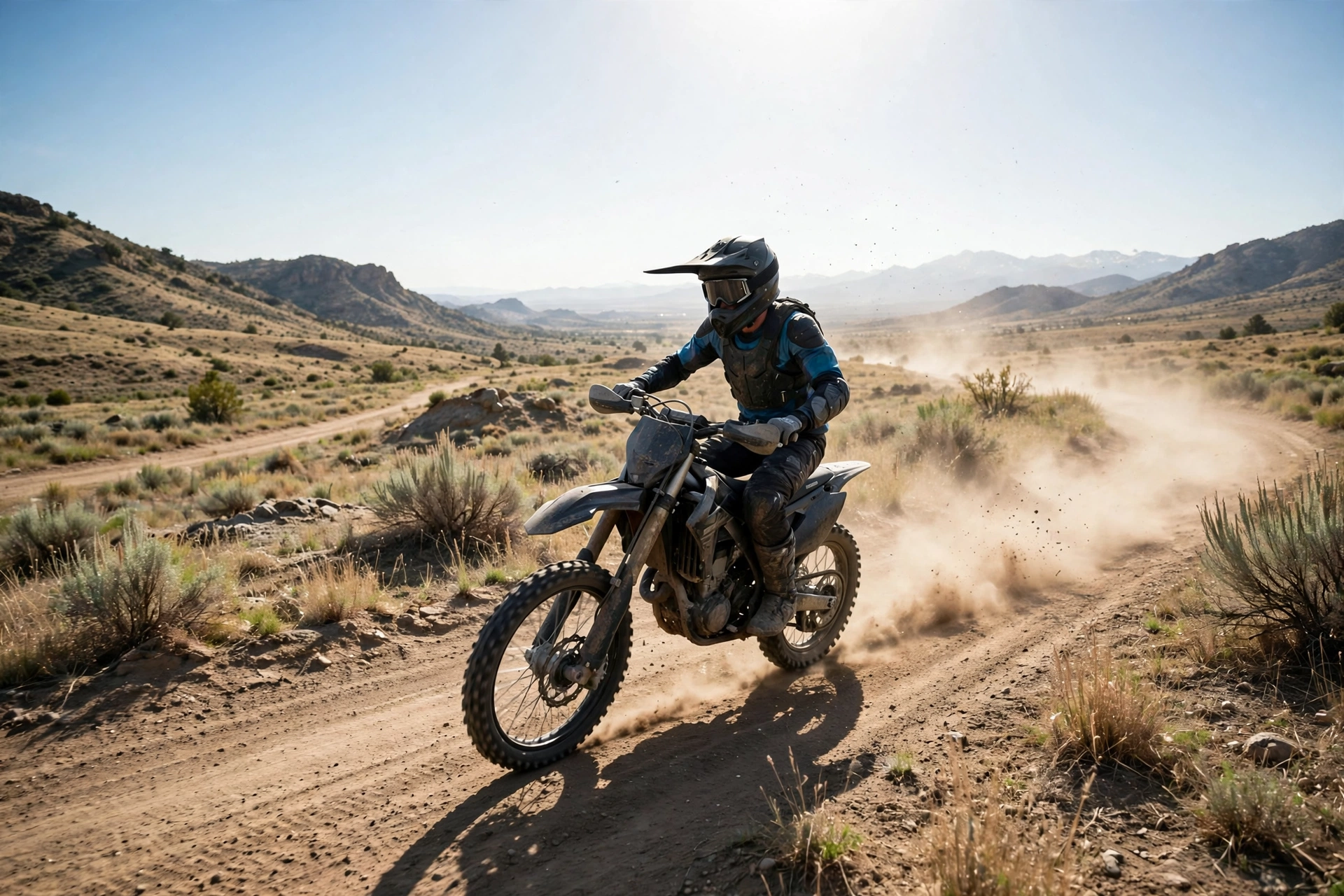
The main benefit is shade. A peak blocks sunlight coming from above, which reduces glare and makes it easier to see the road or trail ahead. This is especially helpful when the sun is low, such as in the early morning or late afternoon, when glare can be at its worst. A peak can also reduce eye strain on a long ride, since your eyes do not have to work as hard to cope with bright light.
On an off-road ride, a peak also offers a little physical protection. It can deflect small stones, mud, and branches that would otherwise hit the visor or the goggles, and it can keep rain off the top of the goggles so your vision stays clearer. For adventure riders, a peak can also help in dusty conditions by keeping some of the dust out of the rider’s line of sight.
Are There Any Downsides to a Sun Peak?
The main downside is wind resistance. At higher speeds, a peak can catch the wind and push the rider’s head back or cause buffeting, which can be tiring on a long ride. This is more of an issue with long peaks and at motorway speeds, and it is one reason many road riders prefer helmets without a peak. Some peaks are adjustable, so you can tilt them to reduce the wind effect when you do not need the shade.
A peak can also reduce your view slightly when you look up, for example when checking a steep hill on a trail or looking up at a road sign. In general terms, this is a small effect, but it is worth being aware of it, especially if you are new to riding with a peak. Taking a short test ride after fitting a peak will help you get used to how it changes your view.
Finally, a peak adds a part that can break. In a crash, a peak is designed to break away rather than catch on the ground, but a broken peak will need replacing. Check the peak regularly for cracks, especially around the mounting points, and replace it if it is damaged. A cracked peak can fail suddenly and may not stay in place when you need it.
How Do You Choose the Right Aftermarket Peak?
Start by checking compatibility. A peak made for your exact helmet model is almost always the best choice, because it will fit the mounting points and follow the shape of the shell. If no model-specific peak exists, a universal peak may work, but check the mounting system carefully and be ready to return it if it does not fit well.
Next, think about length. A longer peak gives more shade, but it also catches more wind. A shorter peak is more stable at speed but offers less protection from the sun. For mixed riding, a medium-length peak is often a good compromise, and an adjustable peak gives you the most flexibility.
Also consider the material and the finish. A peak made from a flexible plastic is less likely to crack than a rigid one, and a matt finish reduces reflections. Check that the peak has smooth edges and no sharp points, and that the colour matches your helmet or complements it. If you want a broader view of helmet safety technology, reading about what MIPS is for helmets is a useful background read.
Frequently Asked Questions
Q: Can I fit an aftermarket sun peak to any helmet?
A: Not always. Your helmet needs mounting points for a peak, and the peak needs to be made for your helmet model or be adaptable to it. Check the mounting system on your helmet before you buy.
Q: Does a sun peak replace a visor?
A: No. A peak shades your eyes from above, but it does not protect them from wind, rain, or insects. On a full-face helmet you still need the visor, and on an off-road helmet you still need goggles.
Q: Will a sun peak cause wind buffeting?
A: In general terms, a peak can catch the wind at higher speeds, especially a long one. An adjustable peak, or a shorter peak, can reduce this, and tilting the peak down when you do not need shade can help too.

Olivia
Writer at Helmet Today, covering helmet reviews, fit and riding safety.