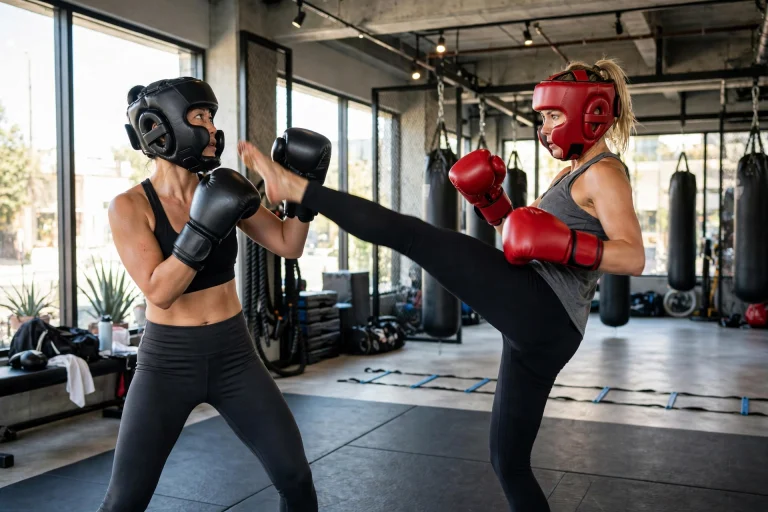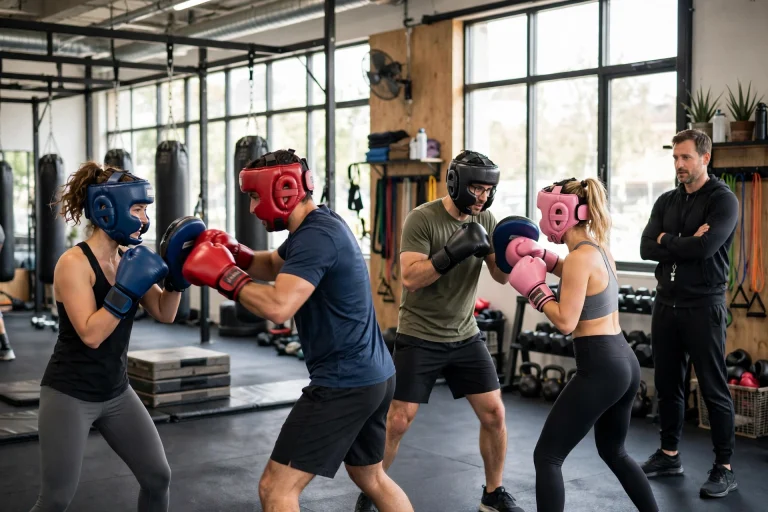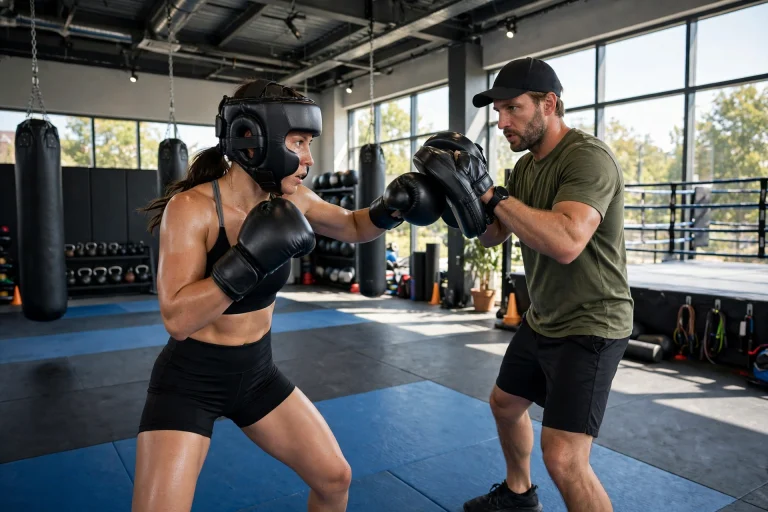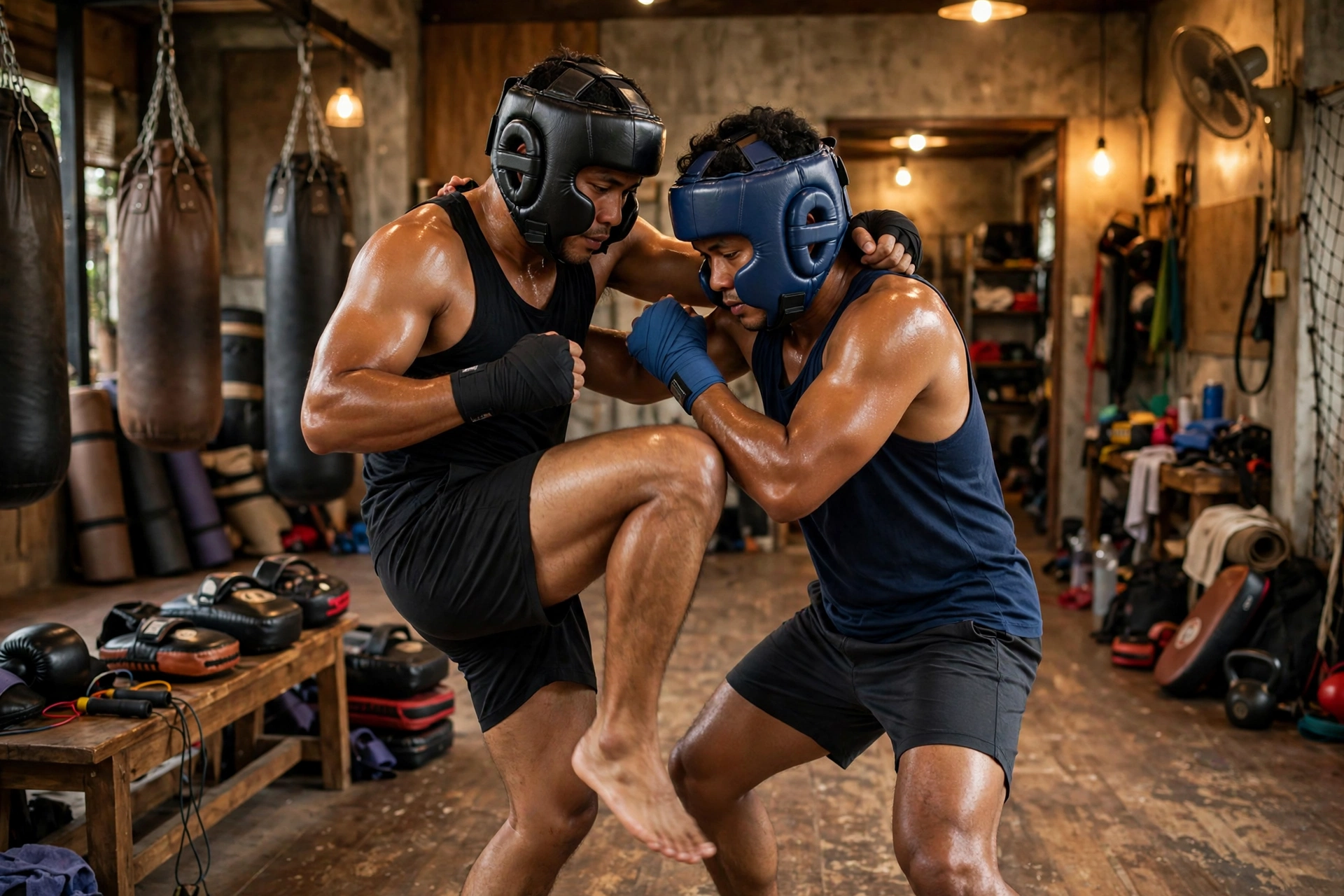
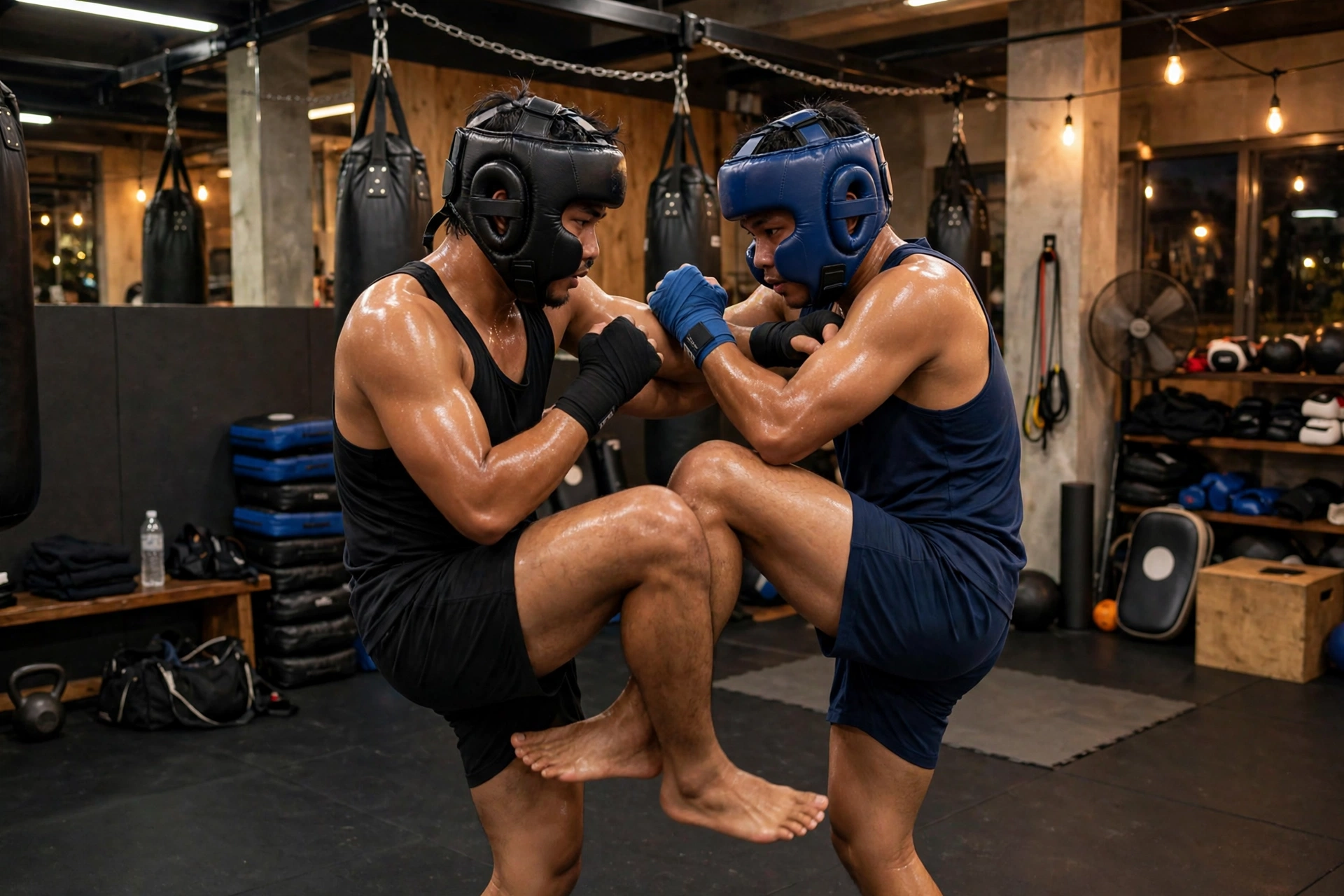
Lethwei headgear is padded protective headgear worn for training in lethwei, the bare-knuckle striking art from Myanmar, and in general terms it is used to soften punches, elbows, knees and headbutts during sparring, even though traditional lethwei bouts themselves are famously fought without gloves and usually without headgear. That contrast is the key to understanding it: the headgear belongs to the gym, not to the traditional ring. In training it protects the head while fighters practise the full range of lethwei techniques, including the clinch and the headbutt, at a level of contact they can repeat day after day.
What Is Lethwei?
Lethwei is a striking martial art from Myanmar, sometimes described as the art of nine limbs because it uses fists, elbows, knees, feet and the head. Fighters strike with bare knuckles wrapped only in cloth, and headbutts are a recognised part of the art, which sets it apart from most other striking sports. Traditional lethwei bouts have a reputation for toughness, and they are fought under rules that allow a wide range of strikes, including techniques that are banned in many other combat sports.
Modern lethwei has also developed organised competitions with referees, rounds and medical supervision, and the exact rules vary between promotions and between countries. In general terms, though, the traditional form of the sport does not use headgear in competition, and fighters accept a high level of risk as part of the art. That is precisely why headgear matters so much in training: a fighter cannot practise headbutts and elbows at full force every day without protection and expect to stay healthy enough to compete.
Why Is Headgear Used in Lethwei Training?
Headgear is used in lethwei training for a simple reason: it lets fighters practise realistic techniques without taking the same damage they would take in a bout. Sparring partners can throw punches, elbows and knees, work in the clinch, and even practise headbutt entries at controlled speed, while the padding takes some of the force out of each blow. That means more rounds of useful practice, more time learning timing and distance, and fewer cuts and bruises that would keep a fighter out of the gym.
It also helps beginners learn the art safely. A new student who is still learning to guard, move and clinch is more likely to take an accidental elbow or a mistimed knee, and headgear gives them a margin of safety while their reactions improve. Coaches often insist on headgear for all sparring, and they may pair it with shin guards, gloves or hand wraps and a mouthguard, depending on the drill. The aim is not to make training painless, but to make it sustainable, so a fighter can train hard for months and years rather than being stopped by avoidable injuries.
What Makes Lethwei Headgear Different?
Lethwei headgear has to deal with a wider range of attacks than most boxing headgear, and that shapes its design. In general terms, it needs padding that covers the forehead, temples, cheeks and the back of the head, because elbows and headbutts can land from angles that a straight punch rarely reaches. The padding is usually thicker around the forehead and the top of the head, where headbutts and elbows are most likely to make contact, and the fit needs to be very secure so the headgear does not shift during clinch work.
Vision and breathing matter just as much as padding. A lethwei fighter needs to see elbows and knees coming from close range, and needs to breathe hard through rounds of clinch fighting, so the headgear should leave the eyes and mouth clear. Some designs have a padded bar or extra cheek protection, while others keep the face more open for visibility. There is no single standard design, and different gyms favour different styles, so a fighter should choose headgear that suits the kind of sparring their gym actually does, and check that it is allowed if they plan to use it in any organised event.
How Should Lethwei Headgear Fit?
Fit is critical in lethwei headgear because the clinch involves a lot of pushing, pulling and head movement. The headgear should sit snugly all the way around, with the chin strap fastened firmly, and it should not slide forward over the eyes or twist to one side when a partner pulls on it. A good test is to move the head sharply in every direction and to practise a few clinch movements: if the headgear stays in place, the fit is probably right, and if it shifts, it needs adjusting or a different size. For background on how helmet technology manages impact forces, see what MIPS is for helmets.
Comfort is also part of fit. Padding that presses unevenly on the forehead or temples will become painful during a long session, and a chin strap that digs in will distract a fighter at exactly the wrong moment. The headgear should feel secure without feeling like a vice, and the wearer should still be able to open their mouth, breathe through a mouthguard and hear their coach. Trying headgear on before buying, and moving in it rather than just standing still, is the best way to judge whether it will work in real training.
How Do You Care for Lethwei Headgear?
Lethwei training is sweaty, close-contact work, so headgear needs regular cleaning. After each session, wipe the inside and outside with a clean damp cloth, and leave it open to the air until it is fully dry. Do not pack it away wet in a kit bag, because damp padding is a good place for odour and bacteria to build up. In general terms, mild soap and water are enough, and strong chemicals should be avoided because they can break down the foam and the outer cover.
Regular inspection is just as important as cleaning. Check the stitching, the straps and the fastenings, and look for padding that has gone flat, lumpy or thin in the places where blows land most often. Headgear that has lost its padding will not protect as well, and headgear with a broken strap is a hazard because it can slip at the wrong moment. Replace it when the fit loosens or the padding no longer springs back, and keep it out of direct heat and sunlight when it is not in use, since both can age the materials faster.
Is Headgear Enough for Safe Lethwei Sparring?
Safe lethwei sparring depends on control, supervision and honest communication as much as on equipment. Partners should agree on the level of contact before a round starts, and a coach should watch the pace and stop a round when it gets too heated. Beginners should start with light, technical sparring and build up gradually, and any fighter who feels unwell after a blow to the head should stop and get checked rather than carrying on. Headgear is a valuable layer of protection, but the habits around it are what make training sustainable.
Is headgear worn in traditional lethwei fights?
Usually not. Traditional lethwei bouts are fought bare-knuckle and generally without headgear. Headgear is mainly a training tool, used in sparring so fighters can practise the full art safely.
Does lethwei headgear protect against headbutts?
It can soften the force of a headbutt and reduce cuts and bruising, in general terms, but it cannot remove the risk of injury entirely. Controlled technique and a sensible level of contact matter just as much.
Can beginners train lethwei without headgear?
They can do non-contact drills without it, but most coaches require headgear for any sparring. Beginners are more likely to take an accidental blow, so headgear gives them useful protection while they learn.

Olivia
Writer at Helmet Today, covering helmet reviews, fit and riding safety.