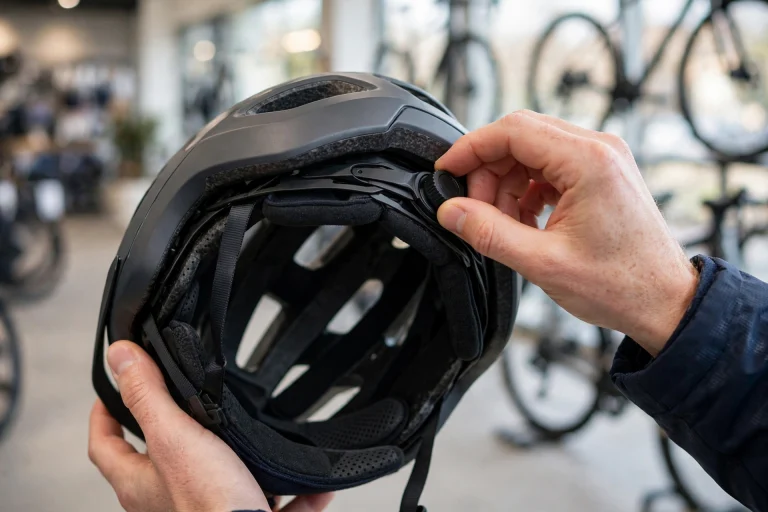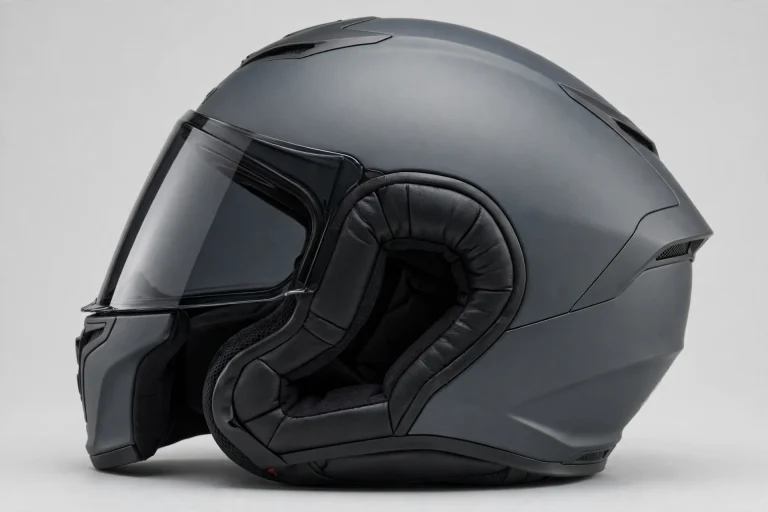
A helmet with temperature sensors is a smart helmet that measures the temperature inside the helmet, and in some designs the temperature outside it, then shows the rider that information on a phone or a small display. The idea is to warn the rider when it is getting too hot inside the helmet, so they can take a break, drink water, or improve ventilation before overheating becomes a problem. In general terms, it is a comfort and awareness feature rather than a piece of impact protection.
How Do Temperature Sensors in a Helmet Work?
Temperature sensors in a helmet work by using small electronic sensors placed inside the shell, usually near the top or the sides where they sit close to the rider’s head. The sensors measure the air temperature in that space and send the reading to a small module, which passes it to a phone app or a display by Bluetooth. Some designs use more than one sensor so they can compare the temperature at different points inside the helmet, while others add an outside sensor to show the difference between the air inside and the air outside.
The readings are usually shown as a simple number or a colour, such as green for comfortable, amber for warm, and red for hot. The sensors themselves need a battery, and they need to be kept clean and dry, since sweat and moisture can affect how well they read over time.
Why Would a Rider Want to Know the Temperature Inside a Helmet?
A rider may want to know the temperature inside a helmet because helmets trap heat, and a hot helmet can make a ride uncomfortable and tiring. On a warm day, in slow traffic, or on a long climb, the air inside a helmet can feel much hotter than the air outside, and the rider may not notice how hot it has become until they feel dizzy or unwell. A temperature reading gives an early warning, so the rider can stop, lift the visor, or open the vents before the heat becomes a real problem.
If you want to understand the safety technology that works alongside features like this, reading about what MIPS is for helmets is a good place to start, since temperature sensing adds information but does not change how the helmet protects the head in a crash. In general terms, knowing the temperature helps the rider manage heat, but it does not cool the helmet on its own.

Can a Helmet With Temperature Sensors Keep You Cool?
A helmet with temperature sensors cannot cool you on its own, because a sensor only measures heat; it does not remove it. What it can do is tell you when the heat inside the helmet has reached a level worth acting on, so you can open vents, slow down, find shade, or take a break. Some helmets pair the sensors with fans or improved ventilation, and in those designs the sensor reading can trigger a fan to switch on, but the sensor alone does not change the temperature.
Good ventilation matters more than the sensor itself when it comes to staying cool. A helmet with well-placed vents and air channels will move air across the head and carry heat away, while a helmet with poor ventilation will stay hot whatever the sensor says. In general terms, the sensor is a measuring tool, and the cooling comes from airflow, shade, and rest. Riders who expect the sensor to keep them cool on its own are likely to be disappointed.
Are Temperature Sensors Accurate Inside a Helmet?
Temperature sensors inside a helmet are accurate in general terms, but the reading depends on where the sensor sits and what it is measuring. A sensor placed close to the head will read warmer than one placed near a vent, because the head gives off heat and the vent lets in cooler air. Sweat, sunlight on the shell, and the speed of the ride can all change the reading, so the number on the screen is best treated as a guide rather than an exact measurement of body temperature.
In general terms, the sensor is useful for spotting trends, such as the temperature climbing steadily on a long ride, rather than for giving a precise medical reading. Riders who feel unwell should stop and rest, whatever the sensor says.
How Do You Look After a Helmet With Temperature Sensors?
Looking after a helmet with temperature sensors starts with keeping the electronics dry and charged. The sensors and the module that reads them usually run on a small battery, which needs charging before long rides, and the charging port should be kept clean and covered when not in use. The helmet should not be soaked in water to clean it, since water can damage the electronics, and the maker’s cleaning instructions should be followed rather than guessed at.
The app that shows the readings should be kept updated, because updates can fix bugs and improve how the readings are shown. It is also worth checking that the sensor is still paired with the phone before a ride, so the rider is not surprised by a missing reading halfway through. In general terms, a sensor helmet needs a little more care than a plain helmet, and the extra steps are small if they become part of the normal routine of checking the helmet before riding.
What Should You Look For When Choosing One?
When choosing a helmet with temperature sensors, the first thing to check is the fit and the safety certification, because the sensors matter far less if the helmet does not fit or is not certified for the kind of riding you do. Once the basics are right, look at how the temperature is shown: a clear number or colour on a phone app is more useful than a reading that is hard to find. Check whether the system shows both inside and outside temperatures, since the difference between the two can be more useful than either number alone.
Battery life is another practical point. A sensor that runs for a few hours may be fine for a commute but not for a full day’s ride, and a system that needs charging every day can become a chore. It is also worth asking whether the app charges a fee for its full features, and whether the sensors can be replaced if they stop working. In general terms, the best choice is a helmet that fits well, is certified, and shows the temperature in a way that is easy to read and act on while riding.
Do temperature sensors in a helmet measure body temperature?
No, they measure the temperature of the air inside the helmet, which is not the same as body temperature. The reading is a useful guide to how hot the helmet feels, but it is not a medical measurement.
Can I add temperature sensors to my existing helmet?
In general terms, some aftermarket sensor kits exist, but they may not fit every helmet or sit where they can read well. Check that any kit suits your helmet before buying it, and avoid anything that needs holes drilled in the shell.
Do temperature sensors make a helmet heavier?
Only slightly. The sensors and their module are small and light, so the extra weight is usually hard to notice. The battery and the module add a little bulk, but far less than a camera or a communication unit.

Olivia
Writer at Helmet Today, covering helmet reviews, fit and riding safety.