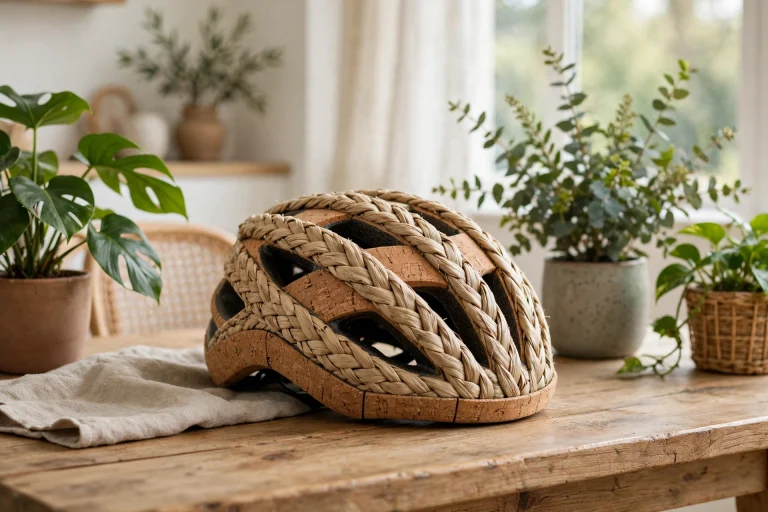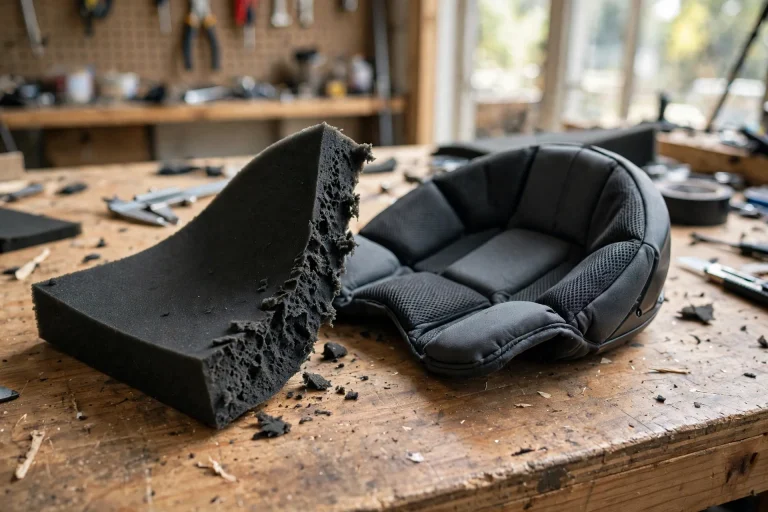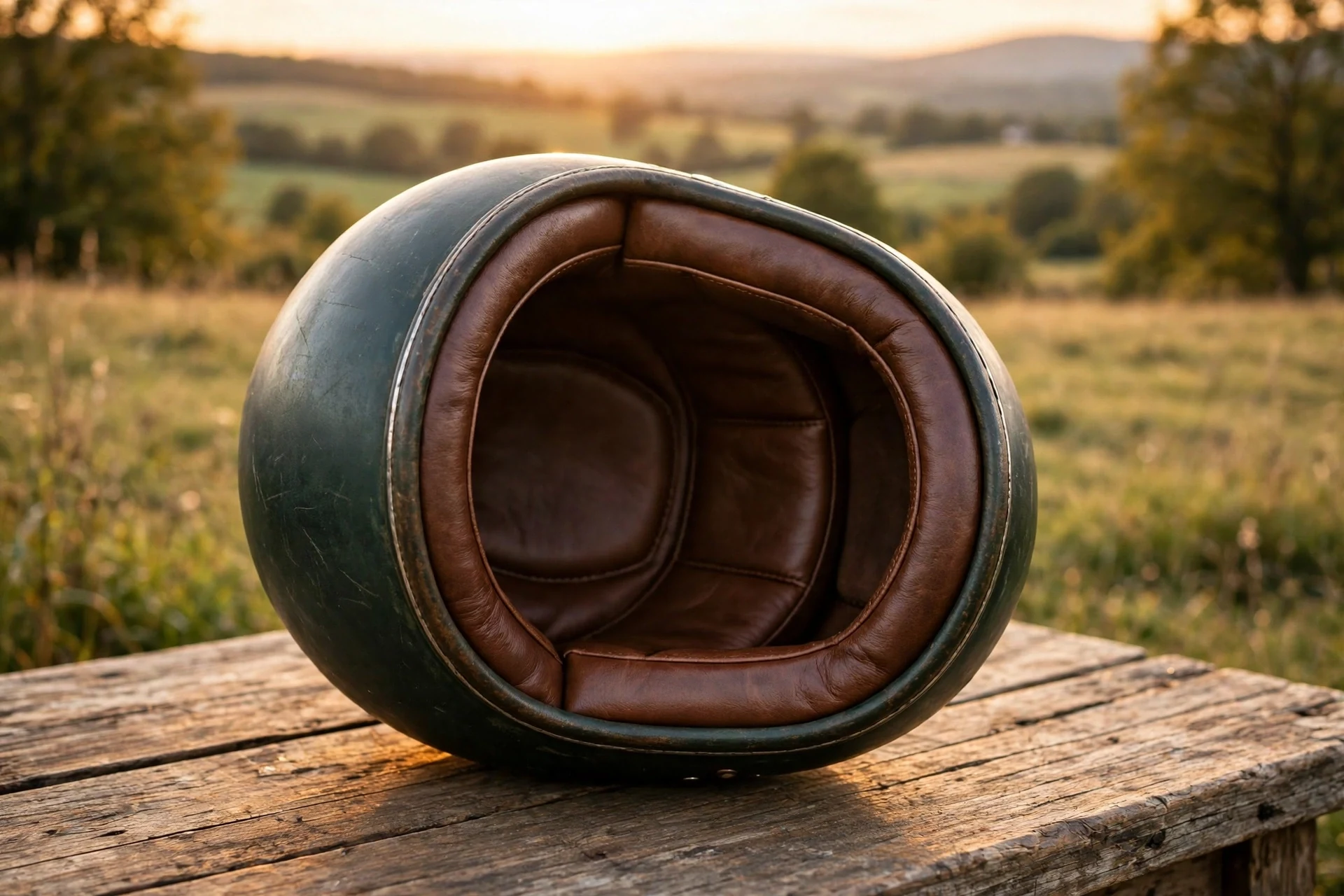
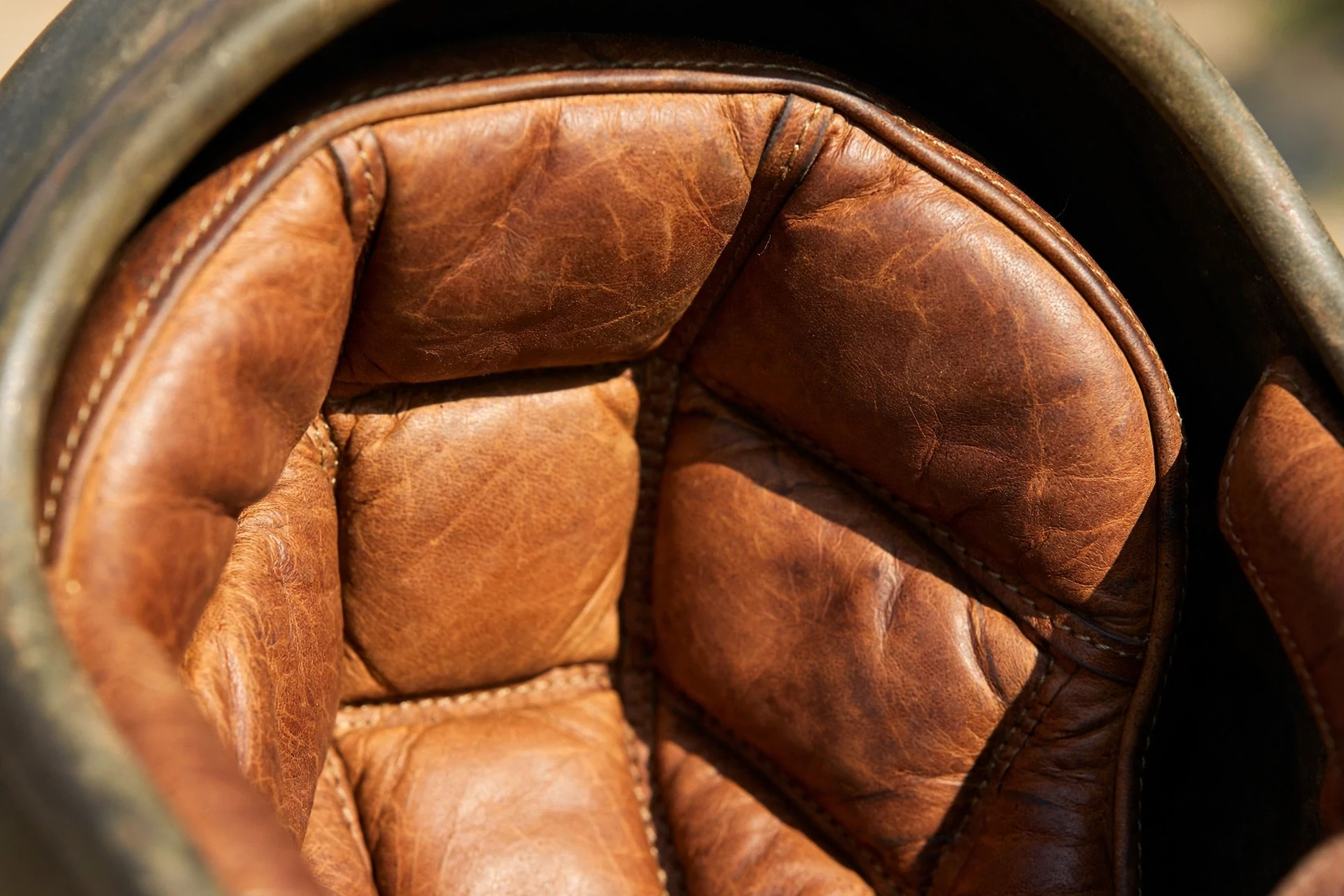
A leather helmet liner is a soft inner lining made from leather, or from a leather-like material, that sits inside a helmet shell to cushion the head, absorb sweat, and give the helmet a classic, durable finish. It is the layer that touches the rider’s head, and it is most often found in vintage-style motorcycle helmets, classic open-face helmets, and some work and equestrian helmets. Leather liners have been used in helmets for a very long time, and they are still chosen today for their look and feel.
What Is a Leather Helmet Liner Made Of?
A leather helmet liner is usually made from genuine animal leather, most often cowhide or sheepskin, cut into panels and stitched together to fit the inside of the helmet shell. The leather may be smooth on the outside and soft on the inside, or it may be lined with a thin layer of fabric or padding for extra comfort. Some liners use a leather outer with a foam backing, which gives the liner its shape while keeping the leather surface against the head.
Not every liner called “leather” is made from animal hide. Some modern helmets use synthetic leather, also called faux leather, which is made from plastic-based materials designed to look and feel like real leather. These synthetic liners are often cheaper and easier to clean, but they may not age or breathe in quite the same way as genuine leather. Checking the product description will tell you which type a particular helmet uses.
How Does a Leather Helmet Liner Work?
A leather helmet liner works by providing a smooth, firm surface between the head and the hard shell of the helmet. Leather is naturally strong and flexible, so it spreads pressure evenly across the head and holds its shape well over time. As it is worn, a leather liner gradually moulds itself to the shape of the wearer’s head, which is one reason riders often say a leather-lined helmet becomes more comfortable the more it is used.
Leather also absorbs a small amount of sweat, which helps keep the head reasonably dry during a ride. It is less absorbent than wool or thick fabric, so it does not soak up as much moisture, but it does take in some sweat and release it slowly as it dries. If you want to understand one of the safety technologies used in modern helmets, reading about what MIPS is for helmets is a good place to start, though the liner and the safety system are separate parts of the helmet.
What Are the Benefits of a Leather Helmet Liner?
One of the main benefits of a leather helmet liner is durability. Leather is a tough material that resists tearing and wearing thin, so a well-made leather liner can last for many years with basic care. It also ages in a way many riders like, developing a worn, lived-in look over time rather than simply looking old and tired, which suits the classic style of vintage helmets.
Comfort is another benefit, especially once the liner has broken in. Leather feels smooth against the skin, and because it moulds to the head it can give a snug, custom-like fit that feels secure without pressing hard in one place. Leather also has a natural resistance to wind, which can help keep the head a little warmer on a cold ride. In general terms, a leather liner is a good match for riders who value classic style and long-lasting materials.
Are There Any Downsides to Leather Helmet Liners?
Leather helmet liners have some downsides to weigh. One is ventilation: leather does not breathe as freely as mesh or thin fabric, so a leather-lined helmet can feel hot and sweaty in warm weather, especially on long rides. The liner can also feel stiff when new, and it may take a while to soften and mould to the head.
Care is another consideration. Leather needs more attention than synthetic fabric: it can dry out, crack, or stiffen if it is left wet or stored in a hot, dry place, and it can stain if it gets soaked in sweat or rain repeatedly. Genuine leather liners are also usually more expensive than fabric ones. In general terms, a leather liner suits riders who are willing to look after it and who ride mostly in mild or cool conditions.
How Do You Care for a Leather Helmet Liner?
Caring for a leather helmet liner starts with keeping it clean and dry. After a ride, it helps to wipe the leather with a soft, slightly damp cloth to remove sweat and dirt, then leave the helmet open in a ventilated place so the liner can dry naturally. The liner should never be dried with direct heat, such as a radiator or a hair dryer, because heat can make leather stiff and cracked.
From time to time, a leather conditioner made for the type of leather in the liner can keep it soft and stop it from drying out. A small amount rubbed in gently is usually enough, and any excess should be wiped away. It is best to avoid soaking the liner in water and to keep harsh soaps away from it. If the liner is removable, taking it out for cleaning makes the job much easier and helps it last longer.
How Do You Choose a Leather Helmet Liner?
Choosing a leather helmet liner starts with the helmet itself. Liners are shaped for specific helmet models, so the liner made for your helmet will fit best and will not change how the helmet sits on your head. A liner that is the wrong size can make the helmet too tight or too loose, which affects both comfort and how well the helmet protects you.
Think about the riding you do. A leather liner suits classic and vintage-style helmets and mild or cool weather, while a mesh or fabric liner may be a better choice for hot climates. Look at whether the liner is removable, since that makes cleaning much simpler. In general terms, a good leather liner should feel smooth, smell like leather rather than chemicals, and sit evenly inside the shell without bunching or pulling away at the edges.
Is a leather helmet liner comfortable?
Yes, in general terms a leather liner is comfortable once it has broken in, because the leather gradually moulds to the shape of the head. It can feel stiff at first, so it may need a few rides to soften.
Can I wash a leather helmet liner?
Leather should not be soaked or machine washed. Wipe it with a soft, slightly damp cloth, let it air dry, and use a leather conditioner from time to time to keep it soft.
Does a leather liner protect my head in a crash?
The liner is a comfort layer, and the main impact protection comes from the helmet shell and the foam inside it. A leather liner that fits correctly should not reduce protection, but it is not a substitute for the helmet’s impact-absorbing foam.

Olivia
Writer at Helmet Today, covering helmet reviews, fit and riding safety.