Biodegradable helmet materials are materials that can break down naturally over time, such as plant-based foams, natural fibres, and bioplastics made from renewable sources. They are used in some helmets as an alternative to conventional plastics and foams, with the aim of reducing waste when a helmet reaches the end of its life. In general terms, these materials are still a new and developing area, and a biodegradable helmet must meet the same safety standards as any other helmet before it can be sold.
What Are Biodegradable Helmet Materials Made From?
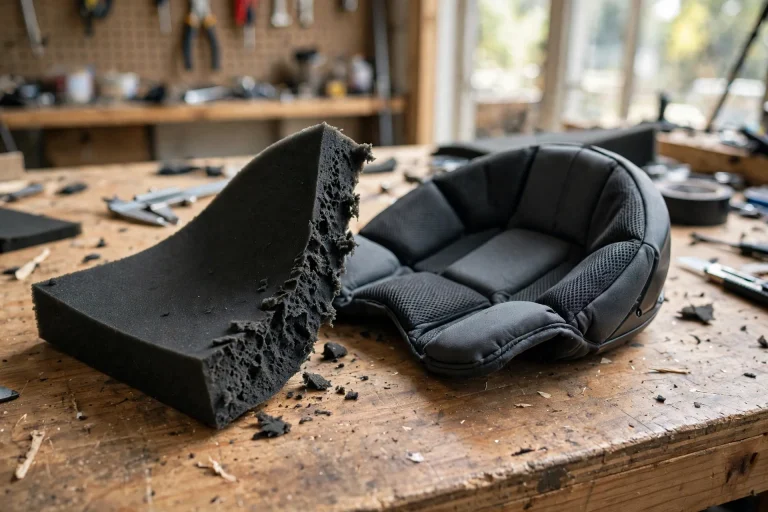
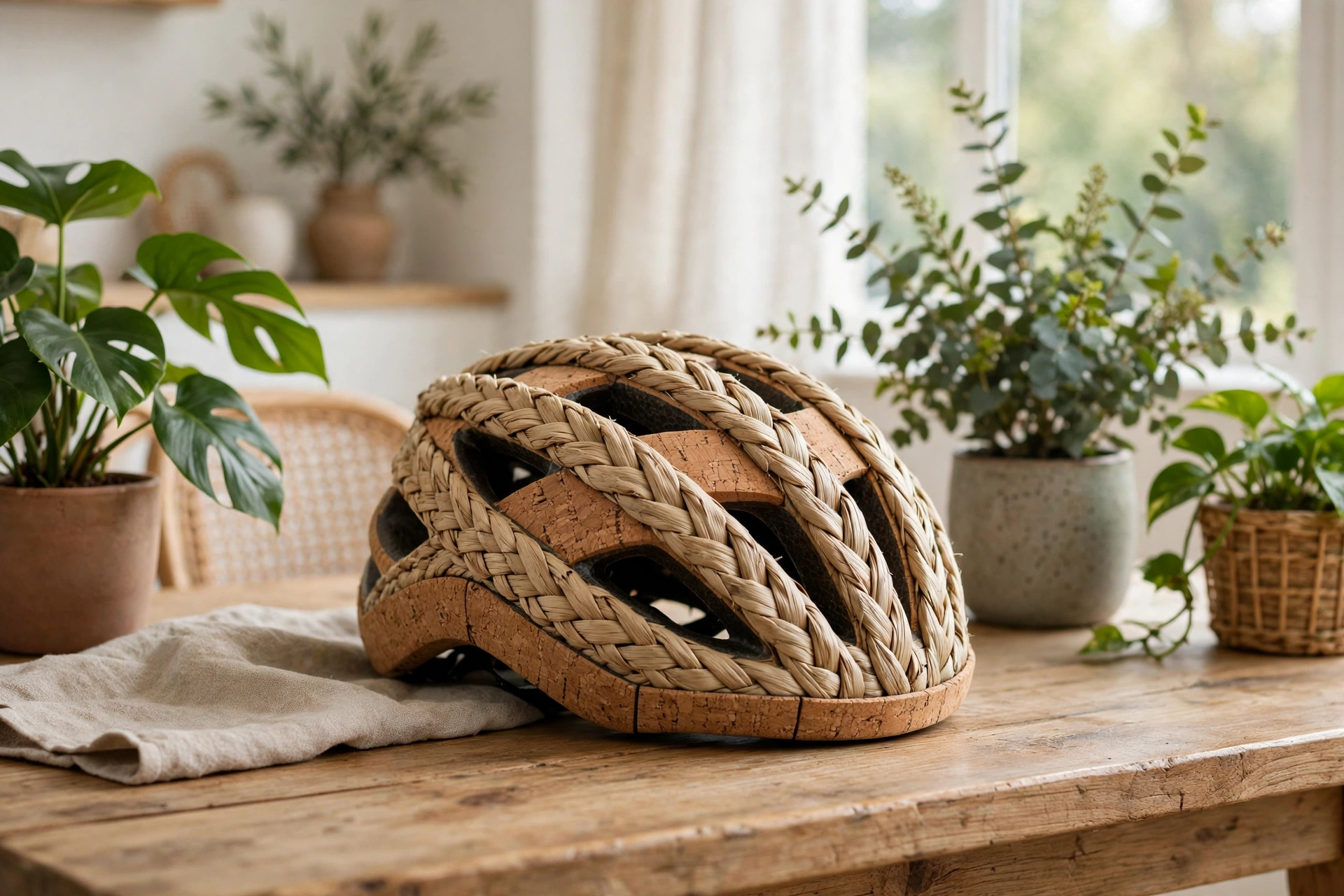
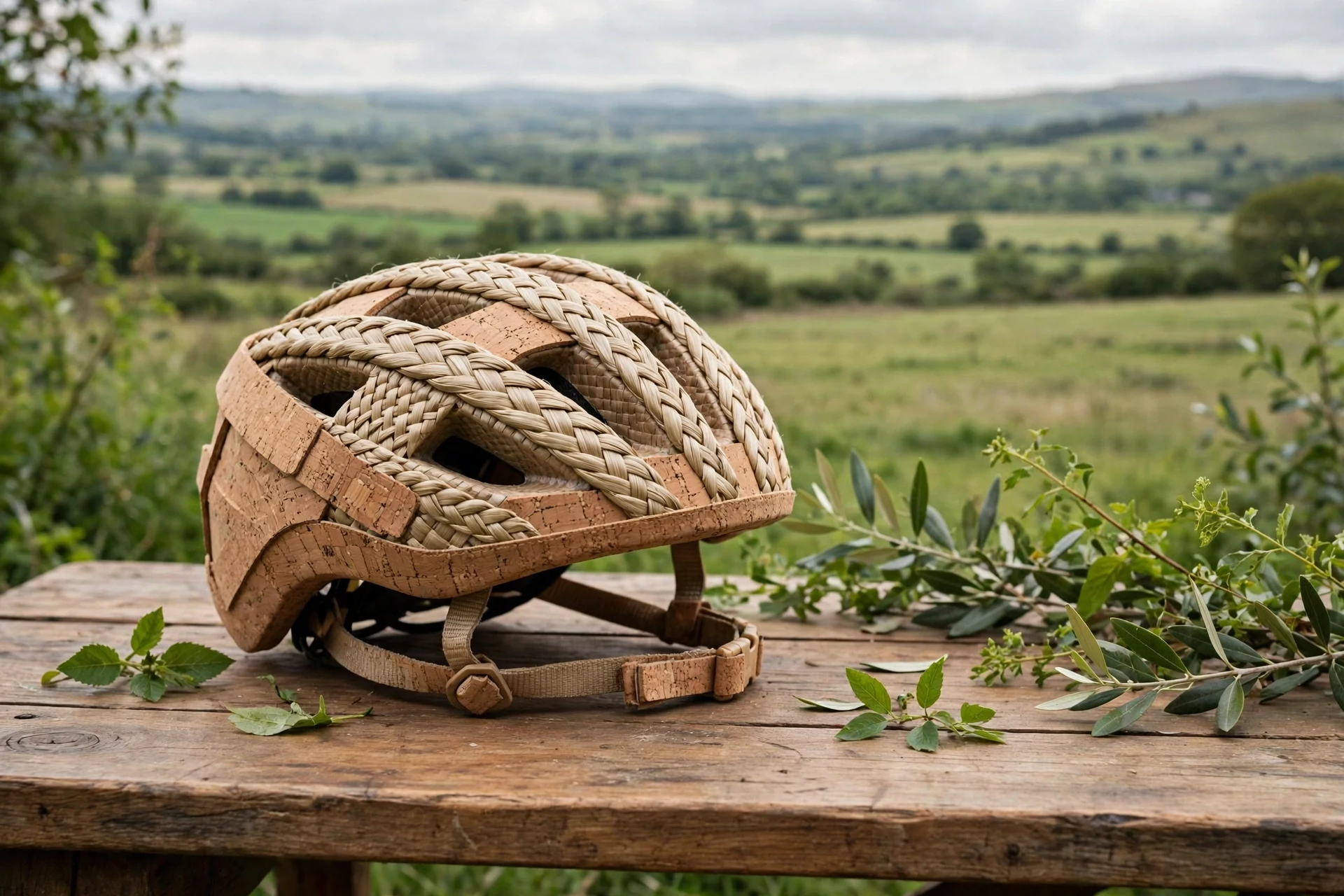
Biodegradable helmet materials come from a range of natural and renewable sources. Plant-based foams can be made from materials such as corn starch, sugar cane, or castor beans, and they are used in place of some conventional foams. Natural fibres such as flax, hemp, cork, and bamboo are used in shells and liners, sometimes mixed with a resin to hold them together. Mycelium, the root structure of mushrooms, is another material being tested for helmet liners, because it can be grown into a shape and is naturally light.
Bioplastics are also part of the picture. These are plastics made from plant starches or sugars rather than from oil, and they can be used for shells, vents, and fittings. Some bioplastics break down in industrial composting, while others need specific conditions to degrade. In general terms, the word biodegradable covers a wide range of materials, and how quickly each one breaks down depends on the material itself and on the conditions it is left in.
How Do Biodegradable Helmets Differ From Regular Helmets?
The main difference between a biodegradable helmet and a regular helmet is what it is made from, not how it looks or how it is worn. From the outside, a helmet with a flax fibre shell or a plant-based foam liner looks much like any other helmet, and it is worn, fitted, and fastened in the same way. The difference is in the materials inside, which are chosen so that they can break down more easily once the helmet is no longer needed.
There are practical differences too. Some biodegradable materials are more sensitive to damp, heat, or sunlight than conventional plastics, so the helmet may need more careful storage. The range of styles and sizes is also smaller at present, because the technology is still new and fewer makers use these materials. In general terms, a biodegradable helmet is a conventional helmet with greener materials, and it must still pass the same impact and safety tests before it can be sold.
Are Biodegradable Helmets as Safe as Regular Helmets?
A biodegradable helmet that is sold in shops must meet the same safety standards as a regular helmet, so in that sense it is just as safe. Helmets are tested for impact protection, strap strength, and coverage before they can carry a safety mark, and the material does not change the test. A helmet that passes the test is safe to wear, whether its foam comes from a plant or from oil. This is the key point: safety is decided by the test result, not by the material label.
That said, the long-term behaviour of newer materials is less well known. Plant-based foams and natural fibres have not been used in helmets for as long as conventional materials, so there is less evidence about how they age over many years. A biodegradable helmet should therefore be checked regularly and replaced if it shows signs of wear, just like any other helmet. If you want to understand one of the safety technologies used in modern helmets, reading about what MIPS is for helmets is a useful starting point. If a helmet’s protection is ever in doubt, replace it, whatever it is made from.
How Long Do Biodegradable Helmets Last?
A biodegradable helmet should last about as long as a regular helmet when it is used and stored normally, though the exact lifespan depends on the materials and the maker. Most helmet makers suggest replacing a helmet after several years of regular use, and the same advice applies here. Sun, sweat, and knocks wear down any helmet over time, and biodegradable materials are no exception. Some may be more sensitive to damp, so storing the helmet in a dry place matters even more.
It is important not to confuse a helmet’s usable life with the time it takes to break down. A biodegradable helmet is designed to break down after it is thrown away, not while it is being worn, and a good one will stay strong for its whole working life. If a helmet starts to feel soft, crumbly, or loose, or if the shell shows cracks, it is time to replace it, whatever it is made from. In general terms, treat a biodegradable helmet like any other helmet: use it, look after it, and retire it when it is worn out.
What Happens to a Biodegradable Helmet When It Is Thrown Away?
When a biodegradable helmet is thrown away, its materials should break down more easily than those of a conventional helmet, but the details matter. Some materials break down in a home compost heap, while others need the heat and microbes of an industrial composting facility. A few need to be sent to a specialist recycler rather than put in a compost bin. The maker’s instructions should say how to dispose of the helmet, and it is worth reading them before you throw it away.
It is also worth remembering that a helmet is made of several different materials, and not all of them may be biodegradable. The shell might break down while the straps, buckles, or vents do not, so the helmet may need to be taken apart before disposal. In general terms, a biodegradable helmet is a step towards less waste, but it is not a magic solution, and the best way to reduce waste is still to buy a helmet that lasts and to look after it well.
Should You Buy a Biodegradable Helmet?
Buying a biodegradable helmet makes sense if you want to reduce the waste from your sports gear and you can find one that fits well and meets the safety standards for your sport. Fit and safety should come first: a helmet that does not fit properly, or that is not certified for your activity, is a poor choice whatever it is made from. If a biodegradable helmet fits well, carries the right safety mark, and suits your budget, it is a reasonable and forward-looking choice.
There are still reasons to wait. The choice is limited, the price may be higher than a conventional helmet, and the long-term evidence is still building. For many riders, a well-made conventional helmet that is used for its full life and then recycled is also a responsible choice. In general terms, a biodegradable helmet is worth considering, but it should be judged like any other helmet: on fit, on safety, and on how long it will serve you.
What are biodegradable helmet materials?
They are materials such as plant-based foams, natural fibres like flax and cork, and bioplastics made from renewable sources, used in place of conventional plastics and foams.
Are biodegradable helmets safe?
Yes, in general terms, if they carry the right safety mark for your sport. A helmet must pass the same impact and safety tests whatever it is made from.
Do biodegradable helmets break down while you wear them?
No. They are designed to stay strong during their working life and to break down only after they are thrown away, under the right composting or recycling conditions.

Olivia
Writer at Helmet Today, covering helmet reviews, fit and riding safety.