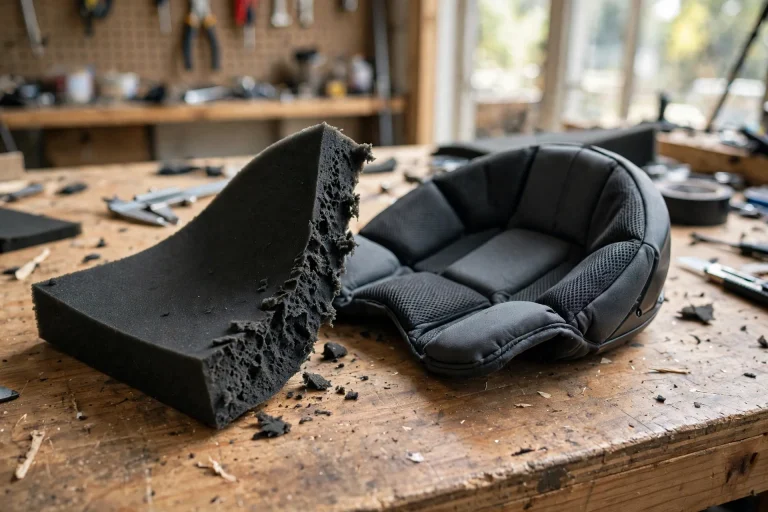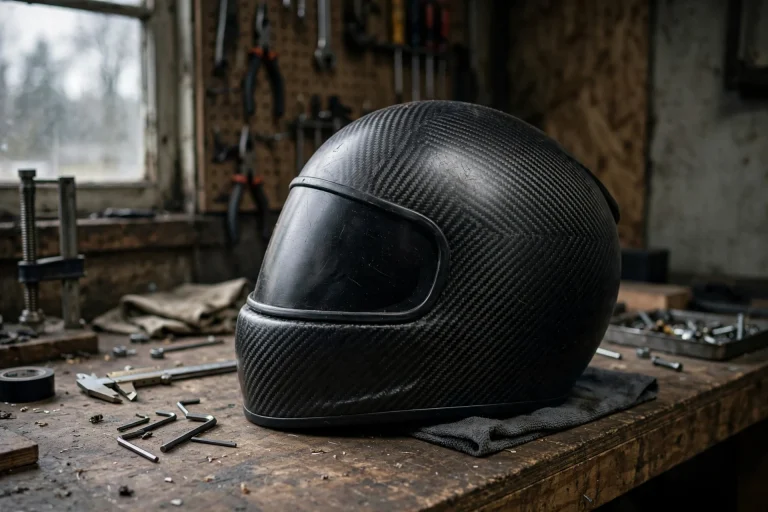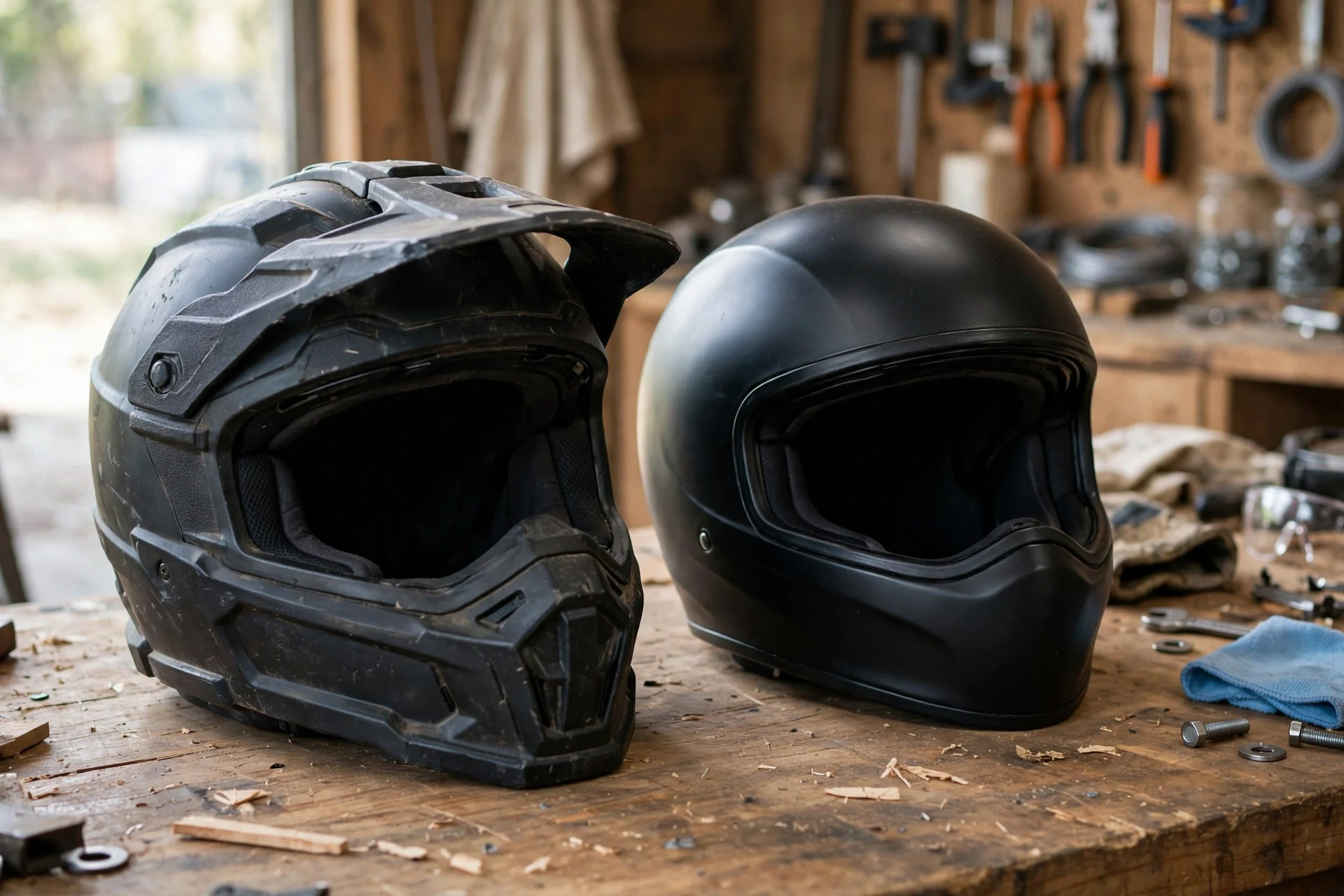
Helmet shell thickness affects protection because the shell is the hard outer layer that first meets an impact: a thicker shell is generally stiffer and spreads force over a wider area, while a thinner shell is lighter but relies more on the foam liner underneath to absorb the blow. In general terms, thickness is only one part of the picture, and the material of the shell, the quality of the foam liner, and the fit of the helmet matter just as much. A well-designed thin shell can protect better than a poorly made thick one.
What Does the Helmet Shell Do in an Impact?
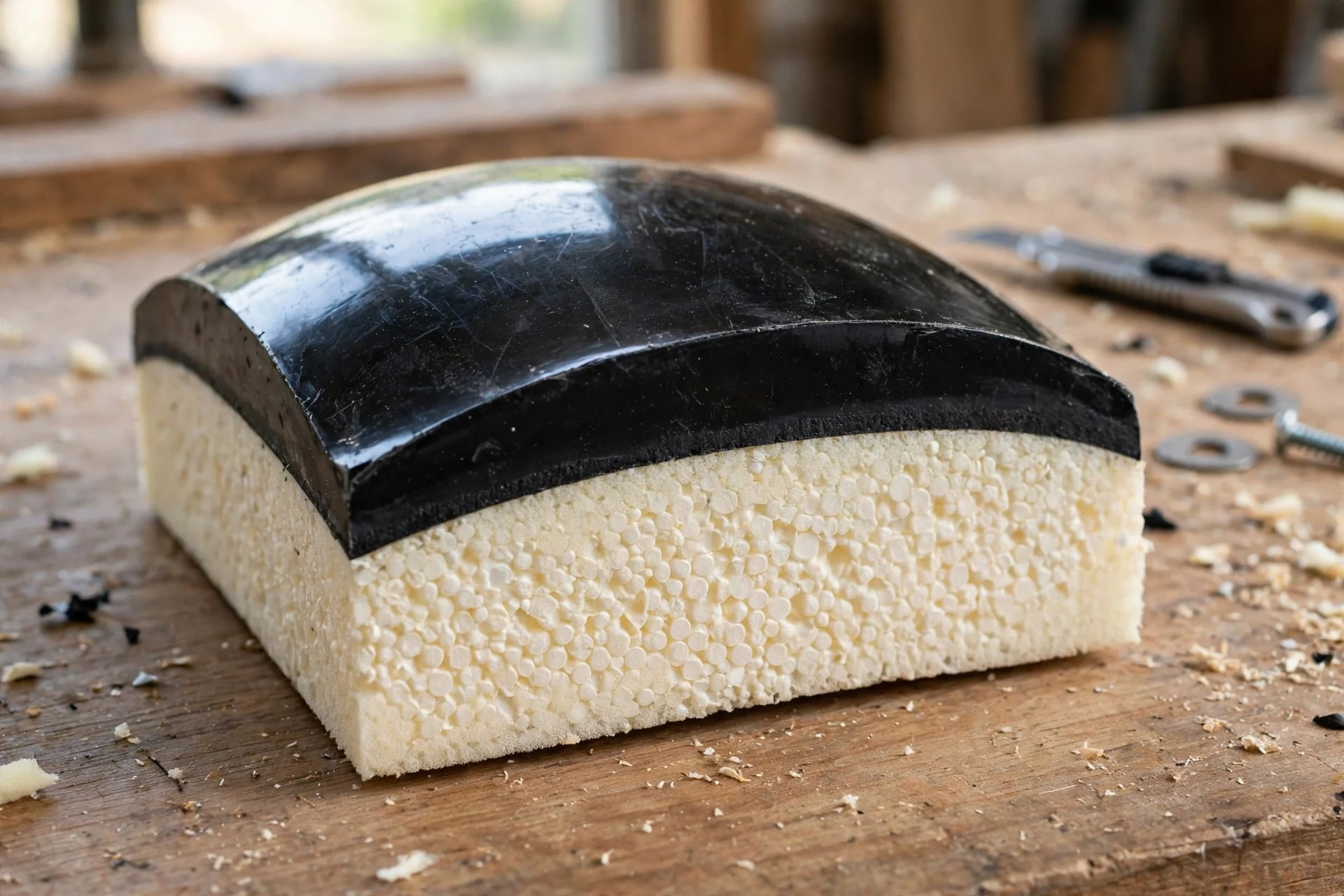
The helmet shell is the first line of defence when the head hits something hard. Its job is to take the force of the impact and spread it out over a larger area, so that the energy is not concentrated on one small spot on the skull. The shell also resists penetration, which means it stops sharp objects and rough surfaces from reaching the head, and it holds the impact-absorbing foam in place so the foam can do its work.
When a helmet hits the ground or another hard surface, the shell flexes and deforms very slightly, and in that moment it passes the remaining energy into the foam liner, which crushes and slows the head down more gradually. This two-stage process is how a helmet reduces the force that reaches the brain. A shell that is too weak may crack or deform too easily, while a shell that is too stiff may pass too much force straight through to the foam and the head.
How Does Shell Thickness Change Protection?
Shell thickness changes protection mainly by changing how stiff the shell is. A thicker shell is stiffer, so it spreads an impact over a wider area of foam and is better at resisting dents and penetration from sharp objects. This can be useful in helmets designed for rough use, such as some motorcycle and work helmets, where the shell may hit rocks, kerbs, or debris at speed.
A thinner shell, on the other hand, is lighter and can flex more on impact, which may let the foam liner absorb more of the energy. Many modern helmets use thin shells made from strong materials, such as fibre composites, which are stiff enough to spread force well despite being thin. If you want to understand one of the safety technologies used in modern helmets, reading about what MIPS is for helmets is a good place to start, though shell thickness and the safety system are separate parts of the helmet’s design.
Does a Thicker Shell Always Mean a Safer Helmet?
No, a thicker shell does not always mean a safer helmet. Protection depends on the whole helmet working together: the shell, the foam liner, and the fit. A very thick shell made from a weak material can still crack or pass too much force to the head, while a thinner shell made from a strong composite material can spread force well and work with the foam to absorb energy effectively.
There is also a balance to strike. A shell that is too stiff can be a problem, because it may not flex enough to let the foam liner crush and absorb energy, which means more force reaches the head. Helmet makers therefore test different shell thicknesses with different materials to find the balance that works best for each type of helmet. In general terms, a helmet that meets a recognised safety standard has been tested as a complete unit, and its shell thickness is part of that tested design.
What Shell Thickness Is Used in Different Helmets?
Shell thickness varies a lot between helmet types, because different activities face different risks. Motorcycle helmets often have thicker shells, since they may hit the road at high speed and need strong resistance to abrasion and penetration. Bicycle helmets, by contrast, usually have thin shells, because they are designed for lower-speed falls and need to stay light and well ventilated.
Ski and snowboard helmets sit somewhere in between, with shells thick enough to handle knocks against ice and hard snow but light enough to wear all day. Hard hats for construction use a different design again: a thick, rigid shell that stands off from the head on a suspension system, so that falling objects are stopped before they reach the skull. In general terms, the right thickness depends on what the helmet is meant to protect against.
How Does Shell Thickness Affect Weight and Comfort?
Shell thickness has a direct effect on weight. A thicker shell uses more material, so the helmet is heavier, and a heavier helmet can feel tiring to wear for long periods, especially on a motorcycle or on a long day outdoors. Weight also affects how the helmet feels when the head moves: a heavy helmet can pull on the neck during sudden movements or in a fall.
Comfort is affected too. A thinner shell leaves more room inside for foam and padding, and it usually allows for larger vents, which helps keep the head cool. A thick shell may mean less ventilation and a warmer helmet. Helmet makers therefore try to keep the shell as thin as they safely can for the material they use, so the helmet stays light and comfortable while still passing safety tests.
What Should You Look For When Buying a Helmet?
When buying a helmet, it is better to look at the whole helmet than to focus on shell thickness alone. Check that the helmet meets a recognised safety standard for its intended use, since that means it has been tested as a complete unit, including its shell and foam working together. Look at the material of the shell as well, because a strong composite shell can be both thin and protective.
Fit matters just as much as any measurement. A helmet should sit level on the head, feel snug all round without pressure points, and stay in place when the head is shaken gently. In general terms, a helmet that fits well and meets the right standard is a better choice than a helmet chosen only because its shell looks thick. Trying the helmet on before buying, if possible, is the best way to judge both fit and comfort.
Is a thicker helmet shell safer?
Not always. A thicker shell is stiffer and spreads force over a wider area, but a thin shell made from a strong material can protect just as well. Safety depends on the shell, foam, and fit working together.
Can I measure my helmet’s shell thickness?
It is hard to measure accurately without taking the helmet apart, which is not a good idea. The maker’s specifications and the safety standard the helmet meets are better guides than a home measurement.
Does shell thickness affect helmet weight?
Yes, a thicker shell uses more material and makes the helmet heavier. A heavier helmet can feel tiring over long periods, which is one reason makers try to keep shells as thin as they safely can.

Olivia
Writer at Helmet Today, covering helmet reviews, fit and riding safety.