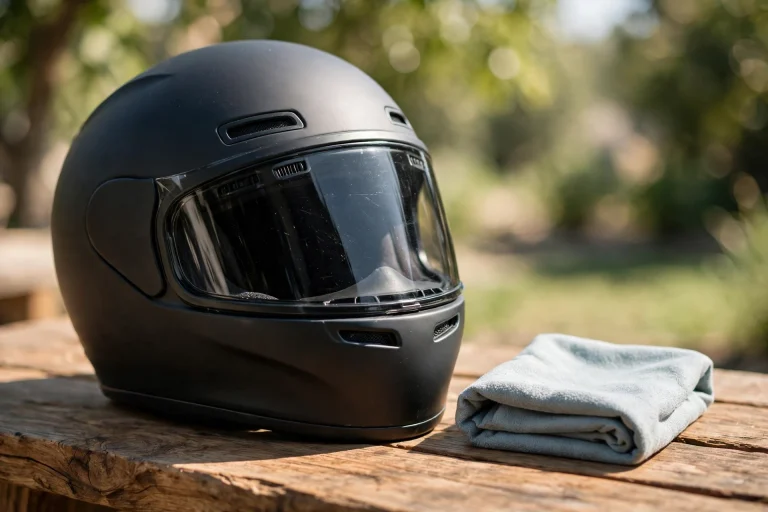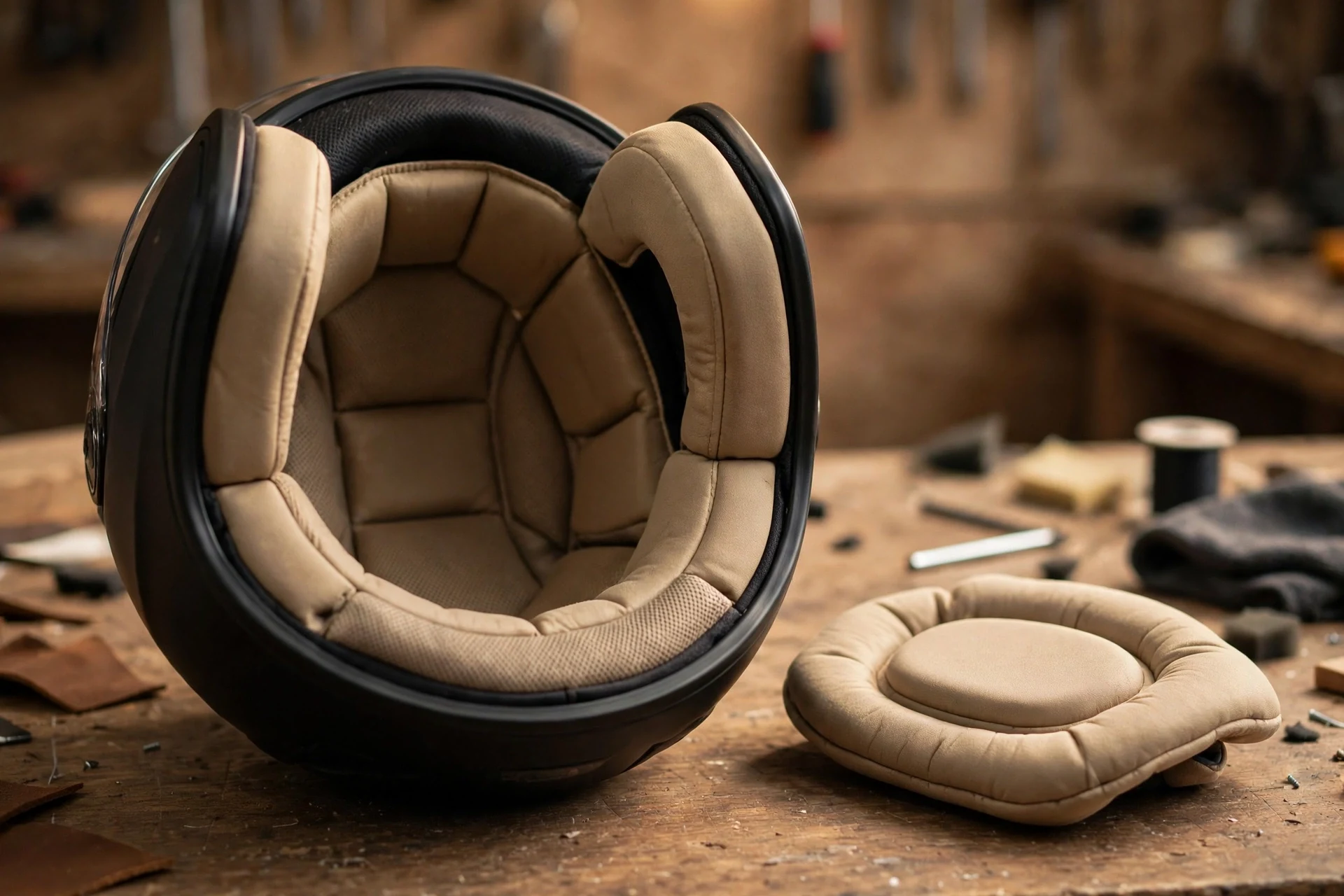
A replacement crown pad is a new pad that fits inside the top of your helmet, where the crown of your head sits. In general terms, it is the pad you buy when the original one is worn out, compressed, smelly, or damaged, and it restores the fit and comfort of the helmet without needing a whole new helmet. Crown pads are one of the most used parts of a helmet: they sit against your head on every ride, absorb sweat, and take the pressure of the helmet’s weight. Over time they wear out, and replacing them is a simple job that can make an old helmet feel new again.
What Is a Crown Pad?
The crown pad is the padding that sits inside the top of the helmet shell, directly above the crown of your head. It is usually a shaped piece of foam, often covered in a soft fabric, and it is held in place by press studs, hook-and-loop fasteners, or a combination of the two. Its job is to cushion your head, spread the weight of the helmet evenly, and hold the helmet in the right position on your head.
Most helmets have a set of interior pads: a crown pad at the top, cheek pads at the sides, and sometimes a rear pad at the back. The crown pad is the one that takes the most wear, because it carries the weight of the helmet and soaks up the most sweat. In many helmets, the crown pad is removable, which means you can take it out to wash it, and you can replace it when it is worn.
When Should You Replace a Crown Pad?
You should replace a crown pad when it no longer holds its shape, when it feels flat or lumpy, or when the helmet starts to feel loose or to move around on your head. A compressed pad no longer cushions properly, and a helmet that moves is a helmet that may not sit in the right place in a crash. If the pad smells bad even after washing, or the fabric is torn or the foam is crumbling, it is time for a new one.
Age matters too. Pads break down over time, even if the helmet has not been used heavily, because sweat, heat, and sunlight wear down foam and fabric. In general terms, if you ride regularly, it is worth checking the crown pad at least once a season. A pad that looks fine on the surface can still be compressed underneath, so press it with your fingers and compare it with a new pad if you can. Replacing a worn pad is far cheaper than replacing a helmet, and it can extend the life of a helmet you like.
How Do You Choose the Right Replacement Crown Pad?
Choosing the right replacement crown pad starts with your helmet. Pads are made to fit specific helmet models, and often specific sizes within a model, so the safest choice is the pad made by your helmet’s maker for your exact model and size. Check the model name and size on the label inside your helmet, and match it to the pad’s description before you order.
Thickness matters as well. Some helmets offer crown pads in different thicknesses, and changing the thickness changes the fit: a thicker pad makes the helmet fit tighter, a thinner pad makes it fit looser. If your helmet has always felt a little tight or a little loose, a different thickness can fix that, but it is best to change by one step at a time and to test the fit carefully. In general terms, a pad that is not made for your helmet may not sit correctly, and a pad that sits wrong can affect how the helmet protects you, so stick to the maker’s pad where you can.
How Do You Fit a Replacement Crown Pad?
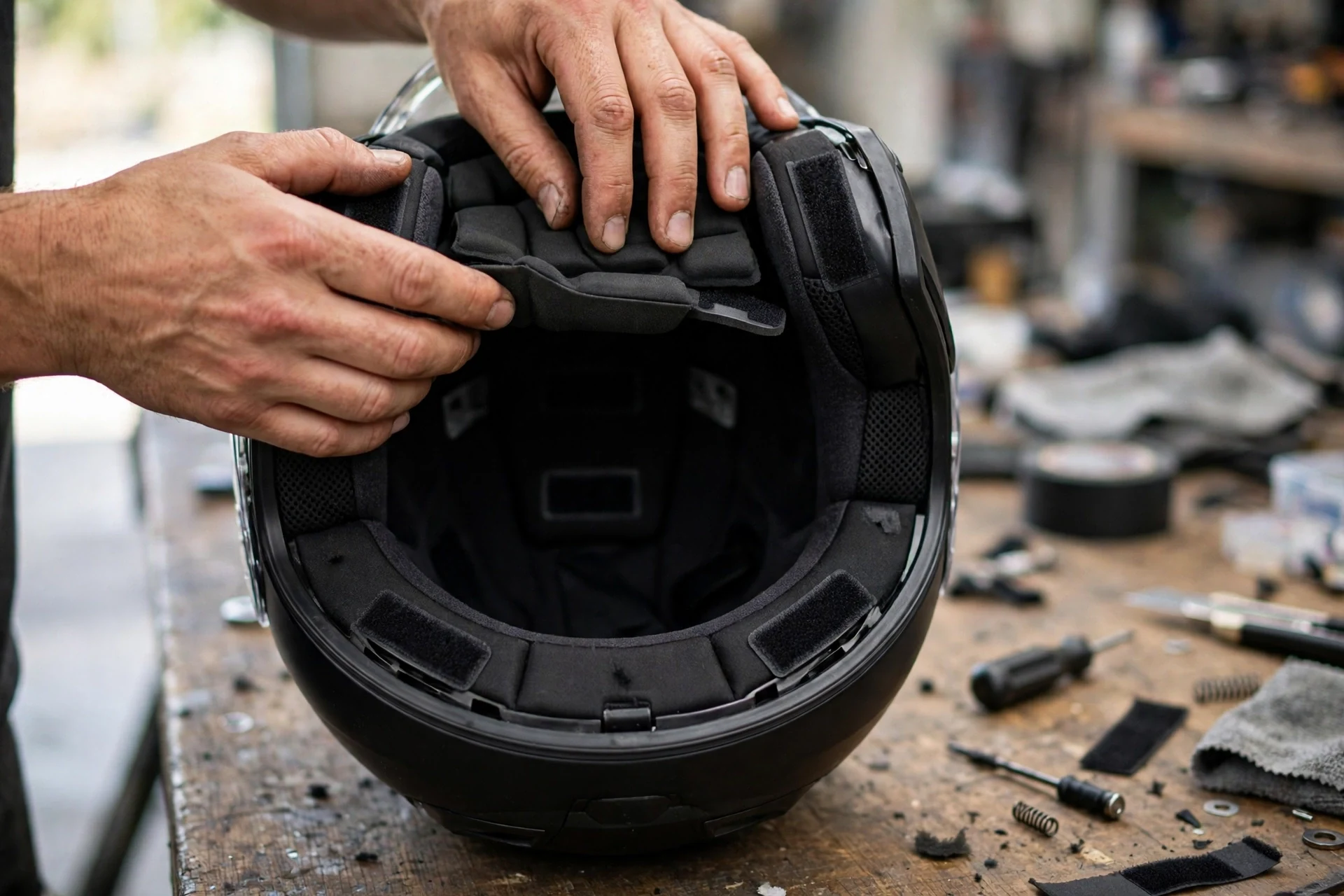
Fitting a replacement crown pad is usually a simple job that takes a few minutes. Start by removing the old pad: unclip its press studs or peel it away from its hook-and-loop fasteners, working gently so you do not damage the fixings inside the helmet. Note how the old pad was positioned, including which way round it went, because the new pad needs to sit in the same place.
Fit the new pad by lining it up with the fixings and pressing each stud or fastener into place, starting in the middle and working outwards. Check that the pad sits flat, with no folds or gaps, and that it does not cover any vents it should not cover. Put the helmet on and check the fit: it should feel snug and even, without pressure points, and the helmet should sit level. If you want to understand how helmets protect the head in a crash, reading about what MIPS is for helmets is a useful starting point, though a new pad on its own does not change the helmet’s safety rating.
Can You Wash a Crown Pad Instead of Replacing It?
Yes, in many cases you can wash a crown pad and keep using it. Most removable crown pads can be hand-washed in lukewarm water with a mild soap, then rinsed and left to dry naturally, away from direct heat. Washing removes sweat, salt, and bacteria, and it can freshen a pad that smells stale after a season of use.
Washing has its limits, though. It cannot restore foam that has compressed or crumbled, and it cannot repair torn fabric or broken studs. If a pad has been washed several times and still feels flat, or if it has lost its shape, washing will not bring it back. In general terms, wash a pad while it is still in good condition, and replace it when the foam itself is worn out. Always check the maker’s advice before washing, since some pads have care instructions of their own.
What Else Should You Check When You Replace a Crown Pad?
Replacing a crown pad is a good time to check the rest of the helmet’s interior. Look at the cheek pads, the chin strap, and the liner for the same signs of wear: compression, tears, loose stitching, or a smell that will not wash out. Check the press studs and fasteners inside the shell too, because a new pad will not sit properly if its fixings are damaged. If the cheek pads are also worn, replacing them at the same time can restore the whole fit.
It is also a good moment to check the shell and the vents for damage, and to give the inside of the helmet a clean. A new pad in a helmet with a damaged strap or a cracked shell does not make the helmet safe, so look at the whole helmet before you decide that a new pad is all it needs.
Are replacement crown pads universal?
No, in general terms they are made for specific helmet models and sizes. Always match the pad to your helmet’s maker, model, and size, since a pad made for another helmet may not fit or sit correctly.
How often should I replace my crown pad?
It depends on how much you ride, but checking it once a season is sensible. Replace it when it feels flat, smells bad after washing, or the helmet starts to feel loose.
Can a thicker crown pad fix a loose helmet?
It can help, if your helmet offers pads in different thicknesses. A thicker pad tightens the fit, but if the helmet is the wrong size, a new pad will not fix it, and a correctly sized helmet is the better answer.

Olivia
Writer at Helmet Today, covering helmet reviews, fit and riding safety.