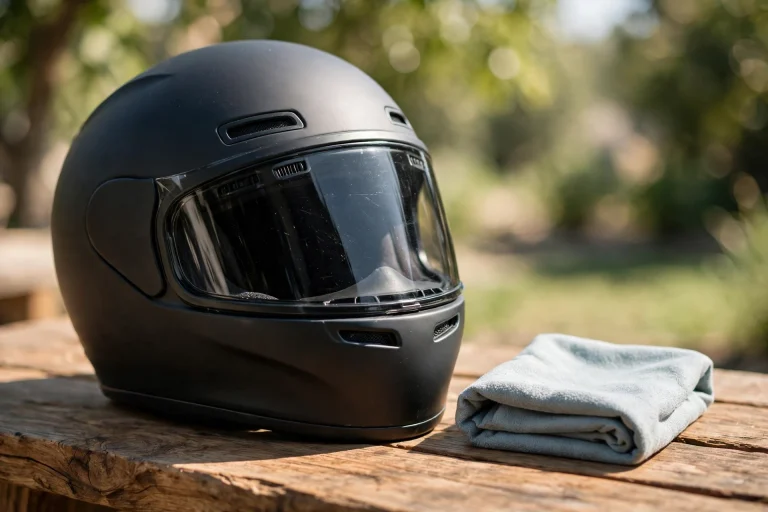
Helmet ear pads are soft pads that fit over or around the ears inside a helmet, keeping them warm and protected in cold weather. In general terms, they are an extra layer of insulation and padding for the ears, and they make winter riding far more comfortable by cutting the wind chill that can make bare ears ache in minutes. Many winter helmets come with ear pads built in, but they are also sold as separate accessories, and they can be added to a helmet that does not have them. For anyone who rides, skis, or cycles through a cold winter, ear pads are a small addition that makes a big difference.
What Are Helmet Ear Pads?
Helmet ear pads are shaped pads, usually made of foam covered in fleece or another soft fabric, that sit over the ears inside the helmet. In a ski or snowboard helmet, they are often part of the ear flaps that hang down from the sides of the helmet. In a motorcycle or cycling helmet, they may be pads that clip or stick inside the shell, over the ear area, or inserts that fit into the cheek pad area.
Their job is twofold. First, they insulate the ears, which are exposed and full of blood vessels close to the surface, so they lose heat quickly and feel the cold before most of the body. Second, they add a little extra cushioning around the ears, which can make the helmet more comfortable and reduce wind noise. Some ear pads are removable, so they can be taken out in warmer weather, while others are fixed in place as part of a winter helmet.
Why Do Ears Get So Cold When Riding?
Ears get cold quickly when riding because they stick out from the head, have a large surface area for their size, and have little fat or muscle to insulate them. At speed, wind chill makes the problem worse: moving air strips heat away from the skin far faster than still air, so an ear that feels fine at a standstill can start to ache within minutes of riding in cold wind. That ache is the body’s warning that the skin is getting too cold.
A helmet helps by covering the head, but many helmets leave the ears partly exposed, or have vents near the ears that let cold air in. In general terms, the faster you go and the colder the air, the more your ears need protection. Ear pads close that gap: they block the wind, trap a layer of warm air around the ear, and keep the ear at a comfortable temperature. Without them, a winter ride can be cut short by ear pain alone, even if the rest of the body is warm.

What Types of Ear Pad Are There?
There are several types of ear pad, and the right one depends on your helmet. Fleece ear pads are the most common for winter: they are soft, warm, and comfortable against the skin. Foam ear pads are thinner and firmer, and they are often used where space inside the helmet is tight. Some ear pads are part of a full ear flap that covers the ear and part of the cheek, while others are small inserts that sit directly over the ear.
Some helmets have ear pads made by the helmet maker for that model, which fit neatly and do not affect the fit. Universal ear pads are made to fit a range of helmets, and they usually attach with hook-and-loop fasteners or clips. In general terms, a model-specific pad will fit better and be more comfortable, but a good universal pad can work well if it is fitted carefully. It is worth checking that the pad does not press on the ear, since a pad that squeezes the ear will be uncomfortable on a long ride.
How Do You Fit Ear Pads?
Fitting ear pads is usually a simple job. For a pad made for your helmet, follow the maker’s instructions: it may clip into place, press onto hook-and-loop fasteners, or slide into a pocket in the liner. For a universal pad, position it over the ear area inside the helmet, and attach it with its fasteners, checking that it sits flat and does not bunch up. Put the helmet on and check the fit: the pad should cover the ear without pressing hard on it, and the helmet should still sit level.
It is worth testing the fit with any other kit you wear, such as a balaclava or a pair of glasses, because ear pads can change how the helmet sits. If you want to understand how helmets protect the head in a crash, reading about what MIPS is for helmets is a useful starting point, though ear pads themselves do not change how the helmet protects you. If the pads make the helmet feel tight, try a thinner pad, or check whether the helmet is the right size with the pads fitted.
Do Ear Pads Affect Hearing?
Ear pads can reduce hearing a little, because they cover the ears and muffle sound. How much they muffle depends on the pad: a thick fleece pad will block more sound than a thin foam one. For most winter riding, that is a fair trade for warmth, but it is worth being aware of it, especially in traffic, where hearing an approaching vehicle matters.
Some ear pads are designed with hearing in mind, using thinner material over the ear canal or a mesh panel that lets sound through. In general terms, it is sensible to test your hearing with the pads fitted before you ride in traffic, and to rely more on looking around and on mirrors where you have them. If you ski or ride in a group, let others know that your hearing is reduced, so they do not rely on shouting to get your attention.
How Do You Look After Ear Pads?
Ear pads need regular cleaning, because they sit against the skin and soak up sweat. Most removable ear pads can be hand-washed in lukewarm water with a mild soap, then rinsed and left to dry naturally, away from direct heat. Washing keeps them fresh and comfortable, and it helps them last longer. Fixed ear pads can be wiped with a damp cloth, and the helmet’s liner can be cleaned as the maker advises.
Check the pads from time to time for wear: flattened foam, torn fabric, or fasteners that no longer hold. A worn pad will not insulate as well, and it may sit oddly inside the helmet. In general terms, replace ear pads when they no longer feel warm and comfortable, or when they no longer stay in place. Store the helmet somewhere dry when you are not using it, so the pads do not pick up damp or a musty smell over the winter.
Do I need ear pads if my helmet already covers my ears?
Not always. If your helmet covers your ears fully and you stay warm, you may not need them. Ear pads help when the helmet leaves the ears exposed, or when you ride in very cold wind.
Can I add ear pads to any helmet?
In general terms, yes, if there is room inside the helmet and the pads attach securely. Model-specific pads fit best, but universal pads work in many helmets, provided they do not make the helmet too tight.
Will ear pads make my helmet too tight?
They can, if they are thick and the helmet is already a snug fit. Try a thinner pad, or check the fit with the pads in place before a long ride, and consider a larger helmet size if the fit is wrong.

Olivia
Writer at Helmet Today, covering helmet reviews, fit and riding safety.