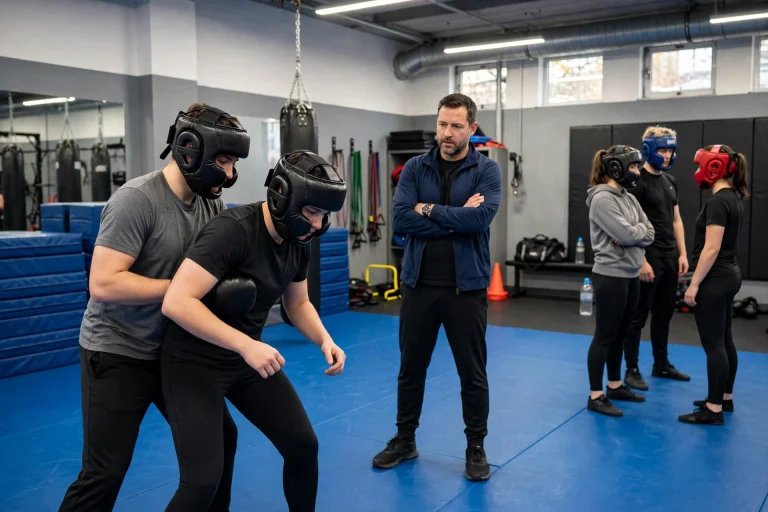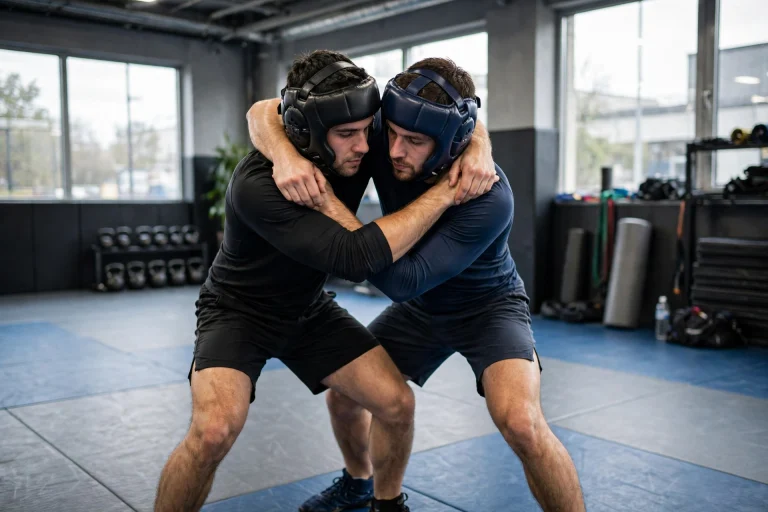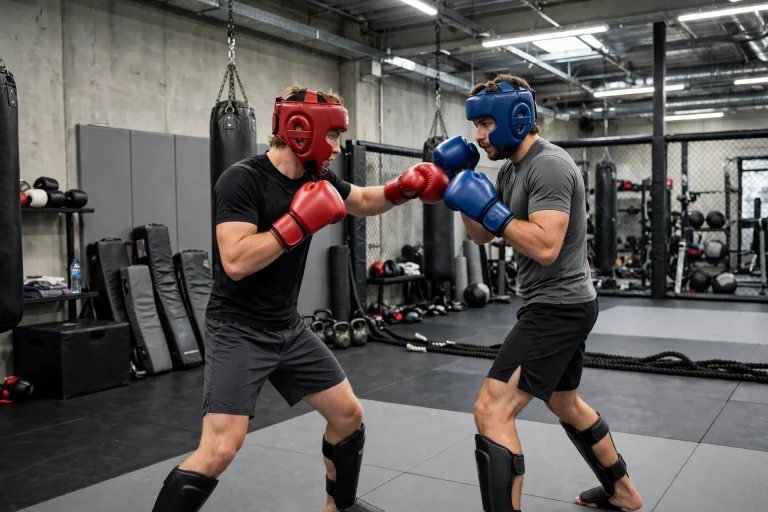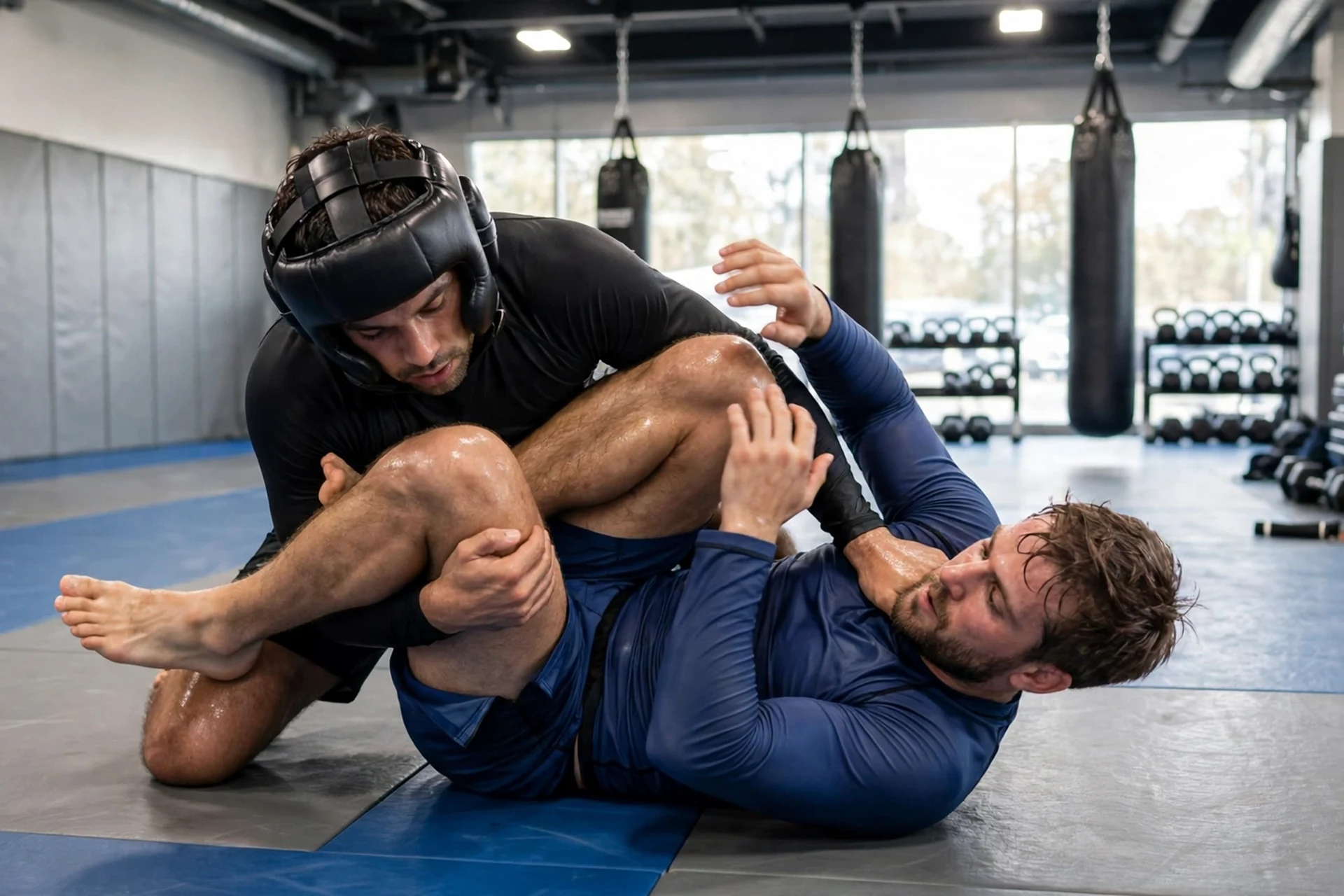
Headgear for BJJ is soft, close-fitting headgear worn during Brazilian jiu-jitsu training to protect the ears and the sides of the head. It uses padded ear cups held in place by straps, and it is designed to reduce the friction and pressure that can damage the ears during rolling on the mats. BJJ involves constant close contact, with heads pressed against partners, shoulders, and the mat, so the ears take a lot of wear over time. Headgear does not remove all risk from training, but in general terms it is one of the most practical ways to protect the ears, and many practitioners wear it for every roll.
What Is BJJ Headgear?
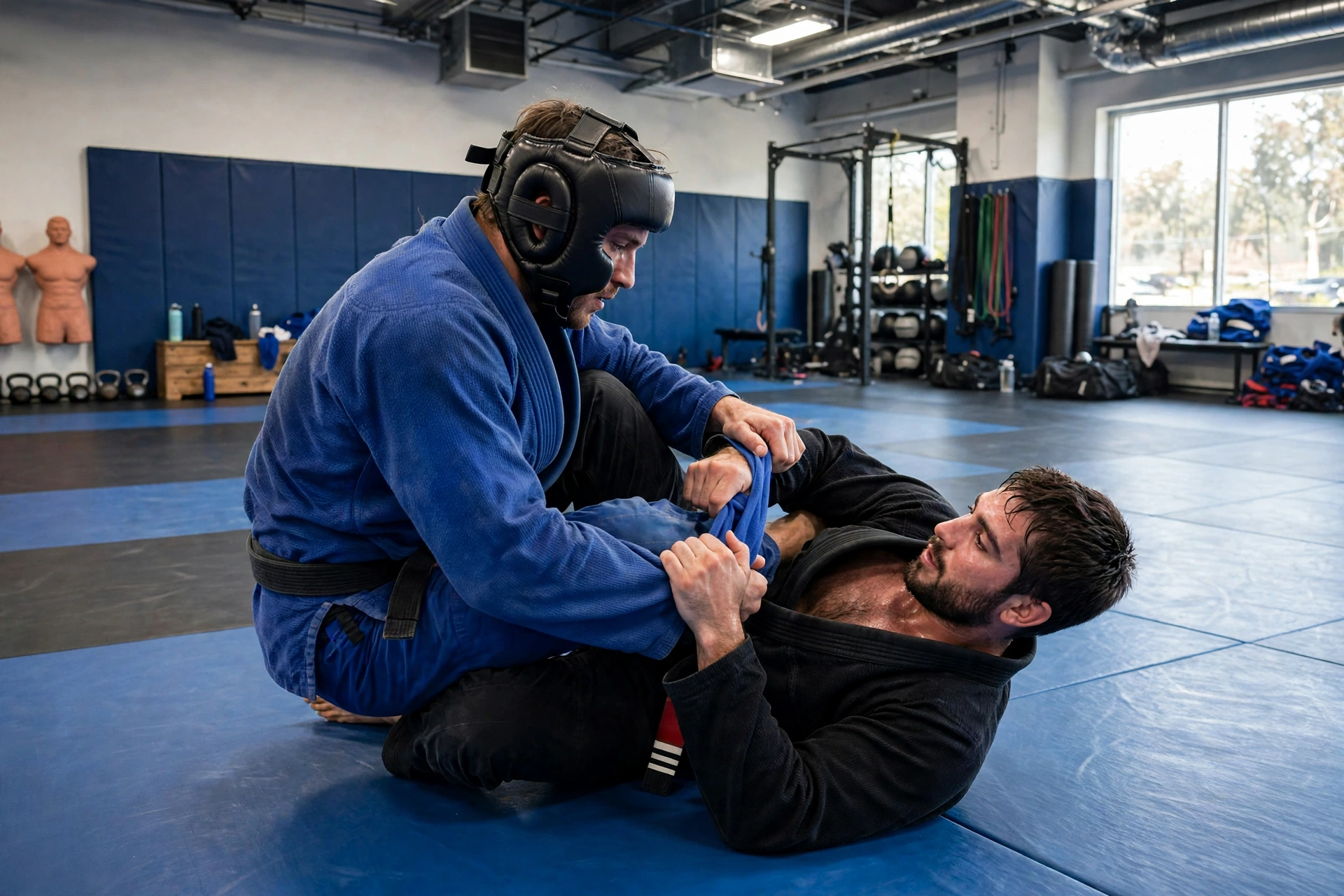
BJJ headgear is a lightweight piece of protective gear made from foam padding covered in smooth, durable fabric. It has two ear cups joined by straps that run over the top of the head and under the chin, keeping the cups in place during movement. It is soft and low profile, so it does not get in the way during guards, escapes, and transitions, which matters in a sport where the head is always in close contact.
Most BJJ headgear is based on classic wrestling headgear, but some designs are made specifically for jiu-jitsu, with thinner padding and a closer fit. The aim is the same in both cases: to keep a layer of padding between the ears and whatever is pressing against them. Unlike a hard helmet, BJJ headgear is flexible, so it moves with the head rather than restricting it.
Why Do BJJ Practitioners Wear Headgear?
The main reason BJJ practitioners wear headgear is to protect their ears. Repeated friction and squeezing during rolling can damage the cartilage in the ear, causing swelling that, over time, can harden into cauliflower ear. This is a common injury in grappling sports, and once it develops it is hard to reverse. Headgear reduces the rubbing that causes it, which is why many experienced practitioners wear it from early on.
Headgear also helps prevent cuts and scrapes to the scalp and ears, and it can soften the impact when heads clash during a scramble. If you want to understand one of the safety technologies used in modern helmets, reading about what MIPS is for helmets is a good place to start, though soft BJJ headgear does not usually use that system. In general terms, the protection is modest, but for the ears it makes a real difference over months and years of training.
How Should BJJ Headgear Fit?
BJJ headgear should fit snugly, with each ear cup centred directly over the ear and the straps tightened enough that the headgear does not slide around during a roll. It should feel secure without pressing painfully on the ears or digging into the top of the head. If an ear cup sits partly off the ear, it will not protect that ear properly, so adjusting the straps until both cups are centred is worth the effort.
Test the fit by shaking the head, nodding, and turning sharply: the headgear should stay in place through all of it. The chin strap should be snug but comfortable, and the headgear should not muffle hearing more than a little. Because head shapes vary, trying headgear on before buying is helpful when possible, and it is worth re-checking the fit after a few sessions as the padding settles.
What Types of BJJ Headgear Are There?
The most common type of BJJ headgear is the classic wrestling style, with firm ear cups and several adjustable straps. This style has been used in wrestling for decades and is widely available in many sizes. It gives firm ear protection and stays in place well during hard rolling, which is why it remains a popular choice on the mats.
There are also softer, low-profile designs made for jiu-jitsu, with thinner padding and a closer, more flexible fit. Some practitioners prefer these because they feel less bulky and interfere less with movement, especially in tight positions. In general terms, either style can work well, and the best choice is the one that fits your head, stays put during rolls, and is comfortable enough that you will actually wear it every session.
Can You Wear BJJ Headgear in Competition?
Whether you can wear headgear in a BJJ competition depends on the rules of the event. Many competitions allow soft headgear, while others restrict it or do not allow it at all, so the rules can differ from one organisation to another. It is always worth checking the rulebook or asking the organisers before competition day, rather than assuming headgear will be allowed.
Even where headgear is allowed in competition, some competitors choose not to wear it, while others wear it for the same ear protection they rely on in training. If you train with headgear every day but cannot wear it in a competition, it is sensible to do at least some training without it so the change in feel is not a surprise. In general terms, headgear is mainly a training tool, and competition rules are a separate question.
How Do You Look After BJJ Headgear?
BJJ headgear absorbs a lot of sweat, so cleaning it after each session is a good habit. Most headgear can be wiped with a damp cloth and mild soap, then left to air dry away from direct heat or sunlight. Letting it dry fully before putting it in a kit bag helps prevent odours and keeps the fabric and foam in better condition for longer.
It is also worth checking the straps, buckles, and stitching regularly, since these take a lot of strain during rolling. Frayed straps, cracked buckles, or torn seams can all make the headgear less secure, and a headgear that shifts during a roll protects the ears less well. Replacing worn headgear promptly is a small cost compared with the ear problems it helps to prevent, so a quick check now and then is time well spent.
Do I need headgear for BJJ?
It is not always required, but in general terms headgear is a sensible choice for BJJ training. It protects the ears from the friction and pressure that can cause cauliflower ear, and it also helps prevent cuts and scrapes to the head.
Does BJJ headgear stop cauliflower ear?
It greatly reduces the risk by cutting down friction and pressure on the ears, but it does not remove the risk entirely. Headgear that fits well and is worn for every roll gives the best protection.
Is BJJ headgear comfortable to roll in?
Most practitioners find it comfortable once they are used to it, especially a well-fitting, low-profile design. It may feel strange at first, but the fit usually settles after a few sessions.

Olivia
Writer at Helmet Today, covering helmet reviews, fit and riding safety.