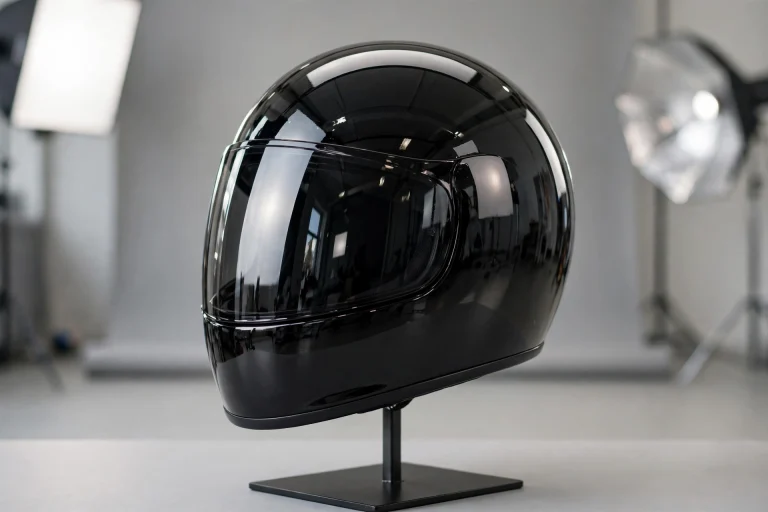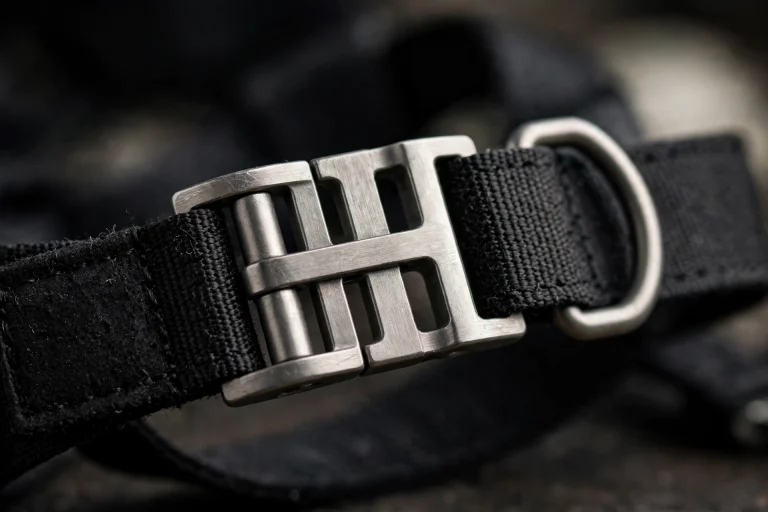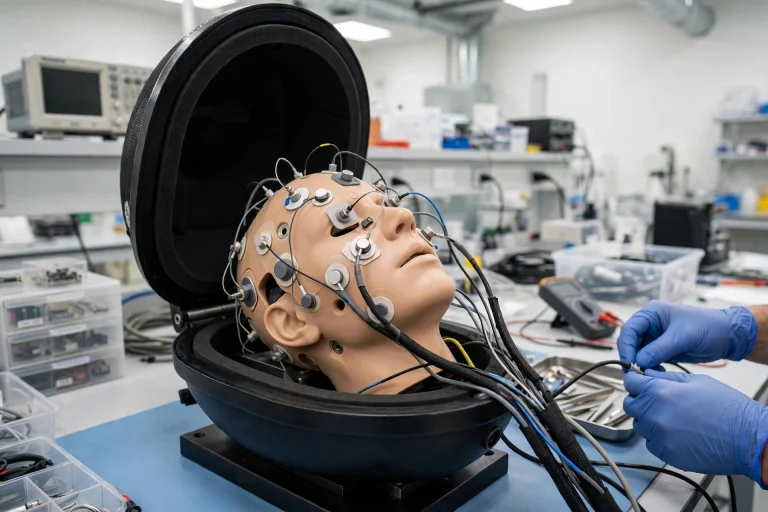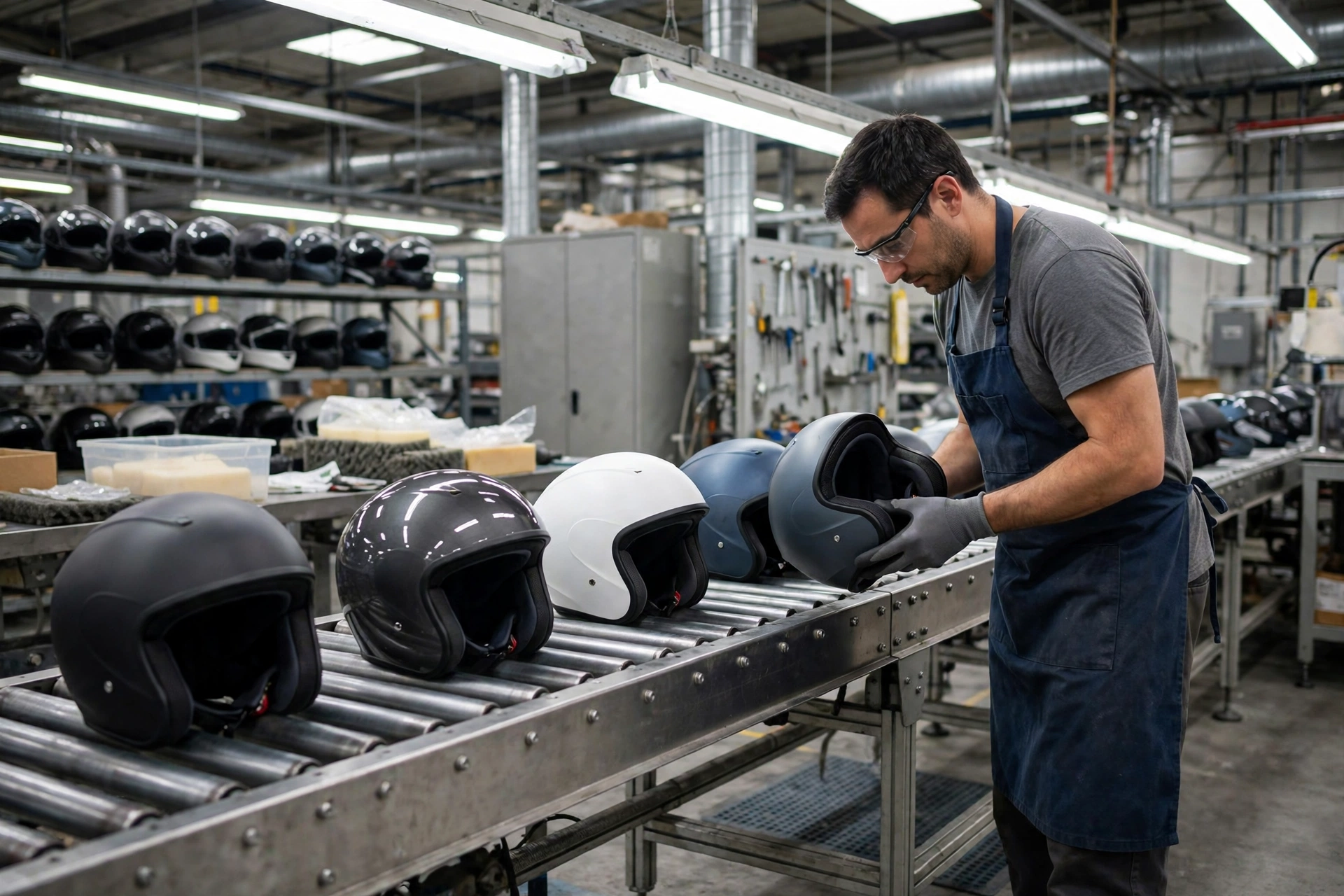
Helmets are quality checked in the factory through a mix of visual inspection, measurements, sample testing, and batch checks carried out at every stage from raw materials to the finished, boxed helmet. Workers and machines check the shell, the liner, the straps, and the fittings as the helmet moves down the line, and any helmet that fails a check is set aside for repair or scrapped. The goal is to catch faults before the helmet leaves the factory, not after it reaches a rider.
Factory quality checks matter because a helmet is a safety product, and a small fault can have serious consequences. A shell with a thin spot, a liner that does not fit, or a strap with weak stitching may look fine on a shelf, but it will not protect a rider in a crash. That is why helmet factories check far more carefully than factories making ordinary goods, and why they keep records of every check they carry out.
What happens when the materials arrive at the factory?
Quality checking starts before any helmet is made, with the raw materials. Shell materials, liner foam, webbing, buckles, and paints are all checked when they arrive, to make sure they match what the maker ordered. A batch of foam that is too soft, or a resin that has the wrong properties, would weaken every helmet made from it, so the factory tests samples from each delivery before the materials are used.
The factory also checks that the materials have been stored properly. Foam and resins can be damaged by heat, damp, or sunlight, and a material that has been stored badly may look normal but behave differently when it is moulded. Workers check the storage conditions and the age of each batch, and old or damaged materials are set aside rather than used.
How are shells checked during production?
Once the shell is moulded, it is inspected by eye and by hand. Workers look for cracks, bubbles, thin spots, and uneven edges, and they feel the surface for rough patches or weak areas. A shell with a visible fault is removed from the line at once, because a crack or a thin spot is a place where the shell could fail in a crash.
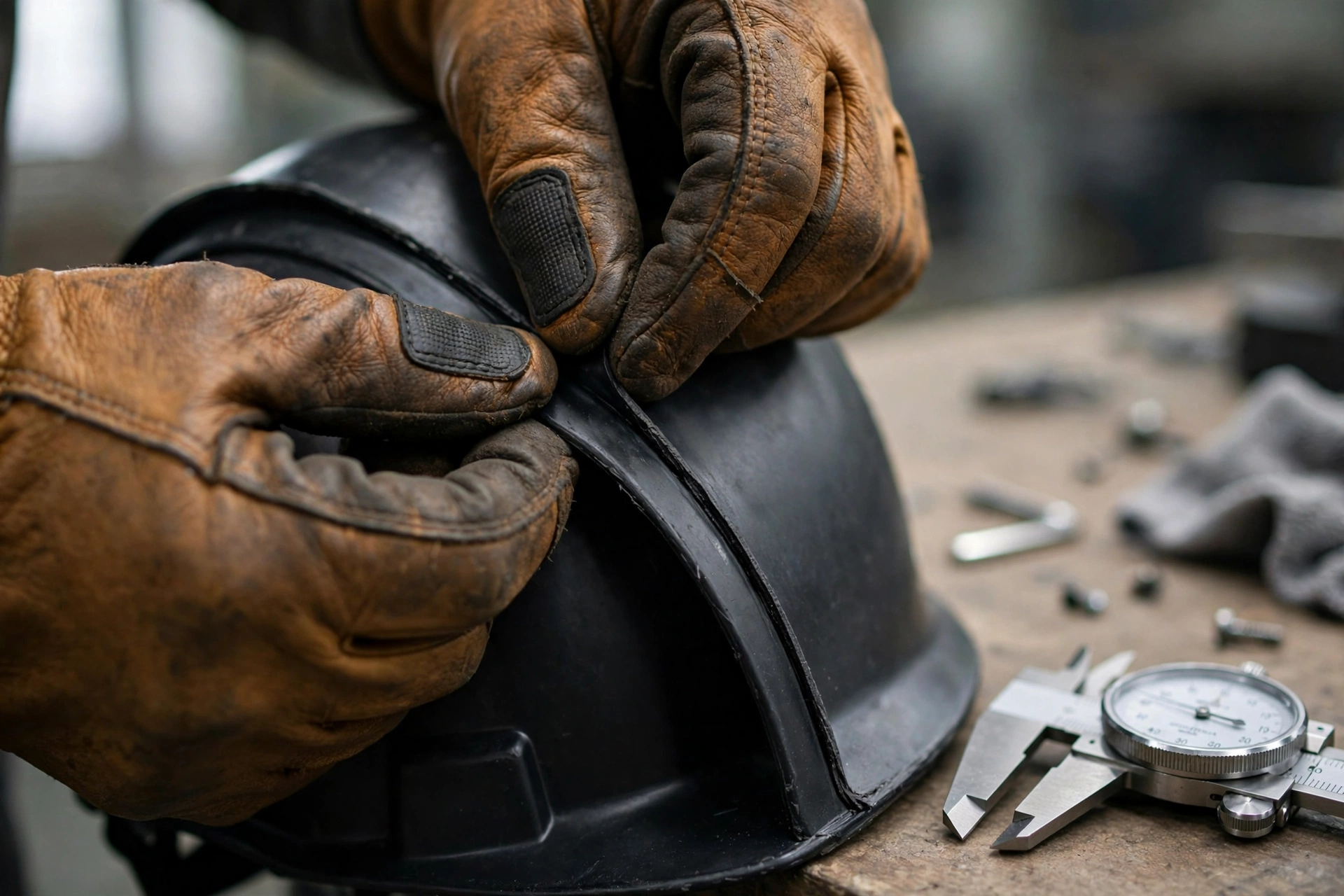
The shell is also measured, to make sure it matches the design. Workers check the thickness in several places, because a shell that is too thin in one spot will be weaker there, and a shell that is too thick may not fit the liner properly. Some factories use gauges or scanning tools to measure thickness quickly, while others rely on trained workers with callipers and a good eye.
How are liners and straps checked?
The liner is checked for fit, density, and finish. Workers make sure the liner sits snugly inside the shell, with no gaps or loose spots, because a liner that moves around will not absorb a blow evenly. They also check that the liner is the right thickness all round, and that it has no cracks, dents, or missing pieces from the moulding process.
The liner is often checked by hand, because a trained worker can feel a soft spot or a gap that a machine might miss. Some factories also weigh the liner, because a liner that is much lighter or heavier than it should be may have the wrong density, and density affects how well the foam absorbs a blow. Any liner that fails is set aside and replaced.
What is sample testing in a helmet factory?
As well as checking every helmet by eye, the factory takes samples from each batch and tests them more thoroughly. A sample helmet might be dropped in the factory’s own test rig, or have its strap pulled, or be cut open so the inside of the shell and liner can be inspected. These tests are not as full as the official certification tests, but they show whether the batch as a whole is up to standard.
Sample testing is important because it catches problems that a visual check cannot see. A shell that looks perfect may still be weak if the material was mixed wrongly, and only a physical test will show it. By testing a sample from every batch, the factory can spot a bad batch early and stop it from reaching the shops.
What checks happen before a helmet is boxed?
Before a helmet is packed, it goes through a final inspection. A worker checks the whole helmet once more, looking at the shell, the liner, the straps, the vents, and the visor, and making sure everything is fitted correctly. The helmet is tried on a headform to check the fit, and the strap is fastened and unfastened to make sure the buckle works smoothly.
The labels are checked too. The size label, the certification label, and the care instructions all have to be present and correct, because a helmet with the wrong label could be sold as a different size or a different standard. A missing certification label is a serious fault, and the helmet will not be shipped until it is fixed.
Finally, the helmet is packed with its accessories, such as a carry bag, a spare visor, or a manual, and the box is labelled with the model, the size, and the batch number. The batch number matters, because it lets the maker trace the helmet back to the day it was made and the materials it was made from, if a problem ever comes to light.
Why does factory quality checking matter to the rider?
Factory checks matter because a certification test only proves that the design is safe, not that every helmet made to that design is safe. A good design can still be ruined by bad materials, a worn mould, or a careless worker, and only factory checks can catch those problems. A maker that checks carefully is a maker whose helmets you can trust, batch after batch.
When you buy a helmet, you cannot see the factory checks, but you can look for the signs of a well-made product. A MIPS liner, a clear certification label, even stitching, and a smooth, even shell are all signs that the maker takes quality seriously. If a helmet looks rough, feels uneven, or has no labels at all, it may have come from a factory that does not check its work, and it is worth choosing a different helmet.
Are all helmets checked one by one in the factory?
In general terms, every helmet gets a visual check, while deeper tests such as drop tests and cut-open inspections are carried out on samples from each batch. This mix of checking every helmet and testing samples is how factories balance thoroughness with the speed of production.
What happens to a helmet that fails a factory check?
It is set aside for repair if the fault can be fixed safely, or scrapped if it cannot. A helmet that fails a structural check, such as a cracked shell or a weak strap, is never sold, because the fault could put a rider at risk.
Can I tell from the outside if a helmet was well checked?
You can look for signs of good workmanship, such as even stitching, a smooth shell, a liner that fits snugly, and clear labels. A helmet that looks rough or has missing labels may come from a factory with weak quality checks, so it is worth choosing a better-made helmet.

Olivia
Writer at Helmet Today, covering helmet reviews, fit and riding safety.