To check if a helmet standard is genuine, look for the certification label inside the helmet, read the standard it names, and compare the label and the maker’s details with official listings or the maker’s own information. A genuine standard means the helmet has been tested against a recognised set of safety checks, and the label is the maker’s way of showing that the helmet passed those checks.
Helmet standards exist so that buyers can tell, at a glance, whether a helmet has been made and tested to an agreed level of safety. In general terms, a standard sets out how a helmet should be built, how it should be tested, and what information should be shown on the label. Different countries and different sports use different standards, so the name on the label matters as much as the label itself. A fake label costs very little to print, so it is worth knowing how to check one properly, rather than simply trusting the sticker on the shell.
What does a genuine helmet standard mean?
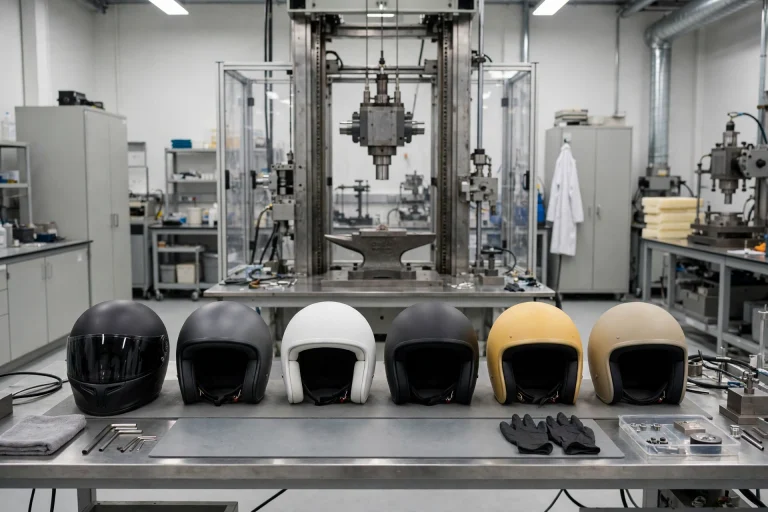
A helmet standard is a written set of rules that a helmet must meet before it can be sold for a particular use. In general terms, the rules cover things like how well the helmet absorbs the force of a knock, how strong the chin strap is, how far the helmet covers the head, and how clearly the helmet is marked. The tests are usually carried out by independent laboratories, not by the maker alone, and a helmet that passes can carry the mark of the standard.
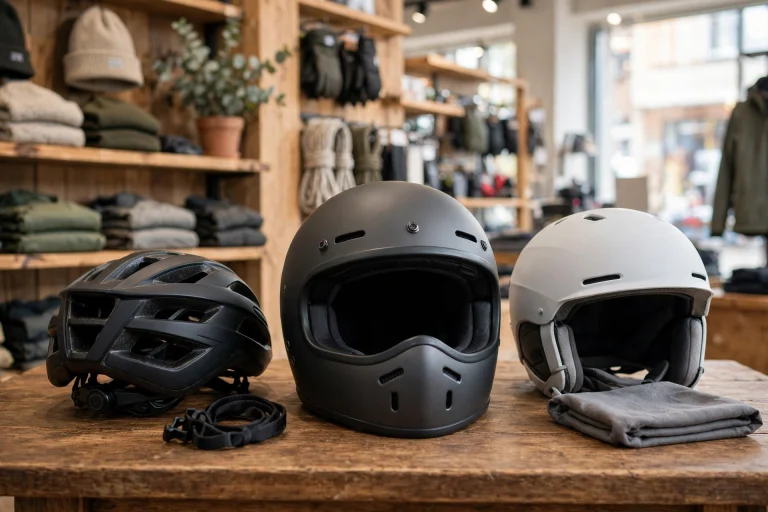
Different standards apply to different activities. A bicycle helmet, a motorcycle helmet, a ski helmet, and a horse riding helmet are all tested in different ways, because the falls and knocks they are meant to deal with are different. That is why the standard named on the label should match the activity you plan to use the helmet for. A helmet that meets a standard for one sport is not automatically suitable for another.
Where do you find the standard on a helmet?
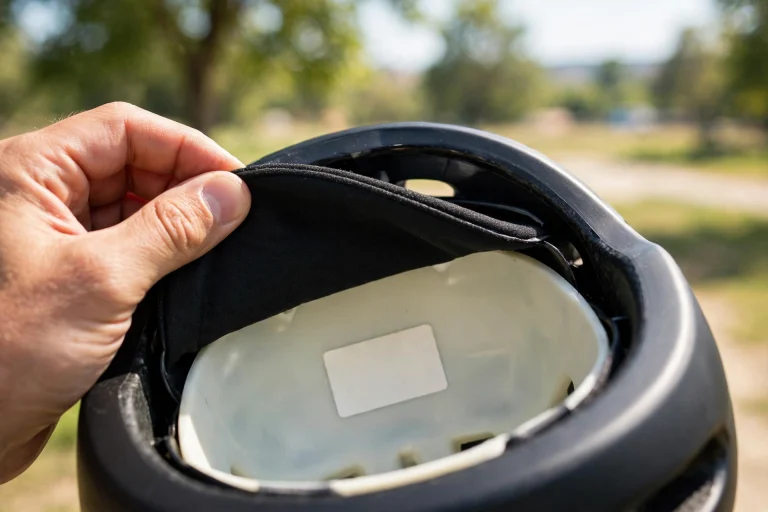
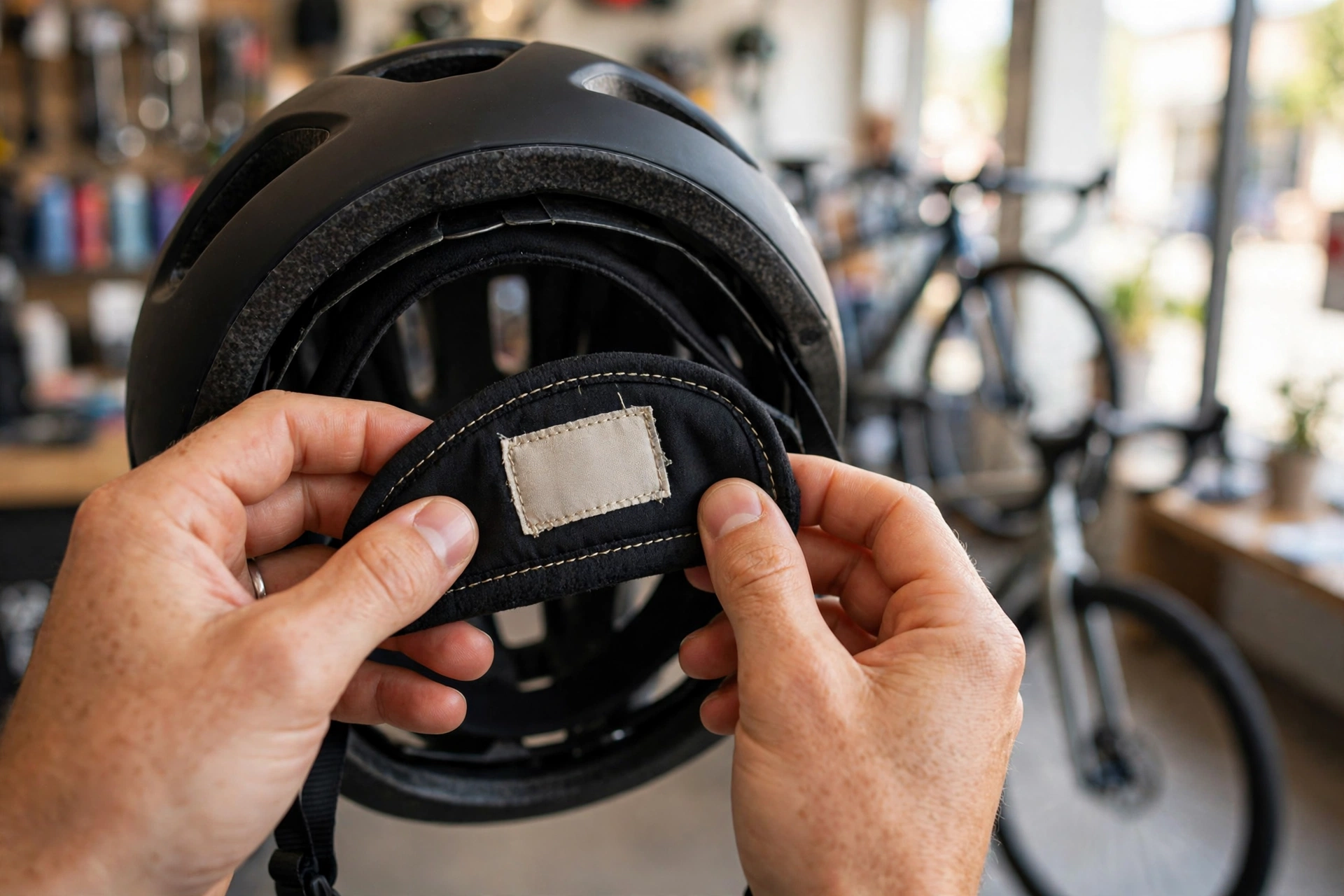
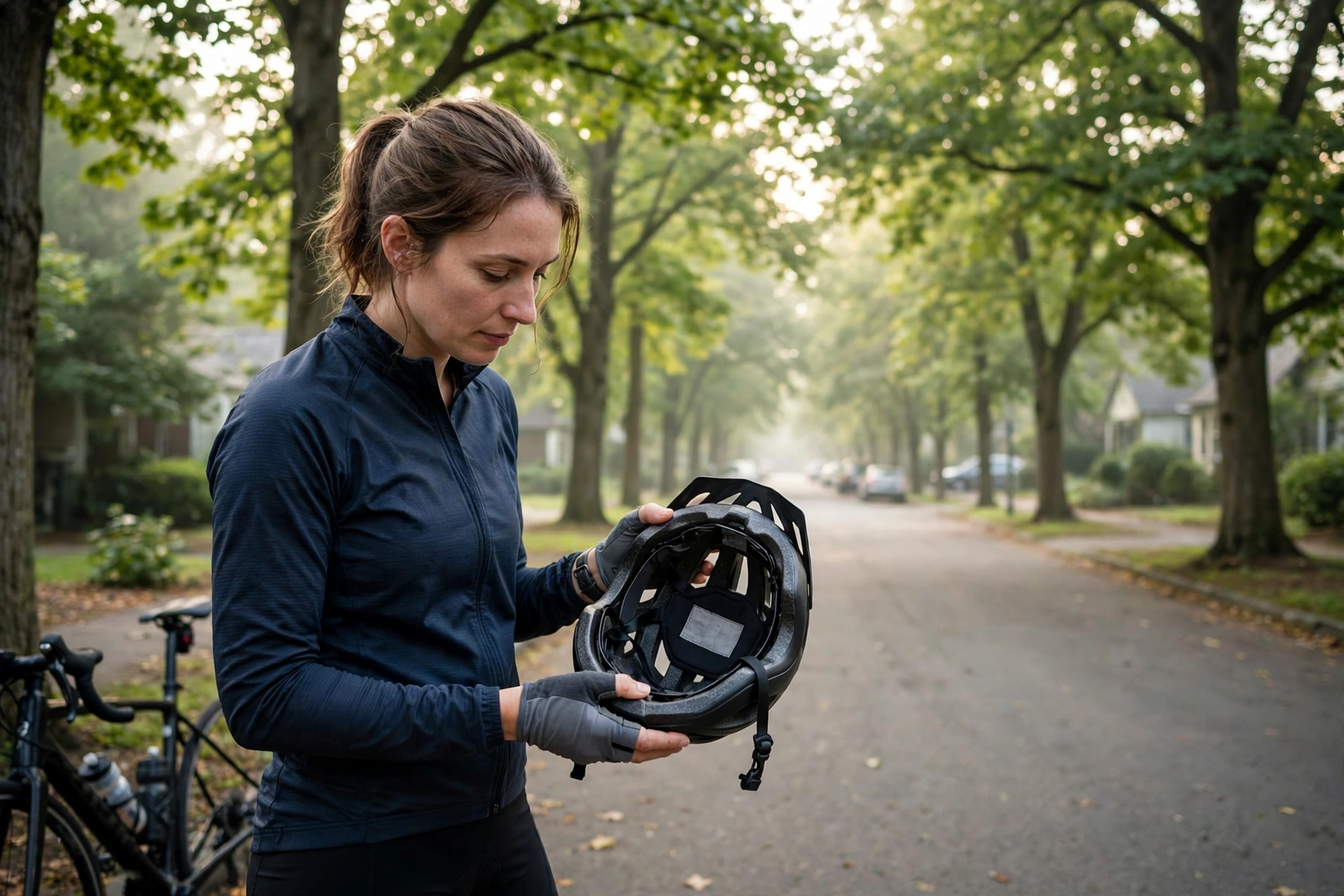
On most helmets, the standard is named on a label or sticker fixed inside the shell, often under the padding or on the lining. It may also be printed on the outside of the shell, on the box, or in the booklet that comes with the helmet. In general terms, a proper label should show the name of the standard, the name of the testing or certification body, and the maker’s name or brand, along with the size and the date the helmet was made.
Take the time to read the label carefully. A genuine label is usually printed clearly, with straight text, correct spelling, and a professional finish. Look for the standard’s full name rather than a vague claim such as “safety approved” or “meets safety standards” with no standard named at all. A claim like that, on its own, tells you very little, and it is not the same as a named standard with a certification mark.
How do you check the certification label?
Start by writing down exactly what the label says: the name of the standard, any numbers or codes beside it, the name of the certification body, and the maker’s name and model. Then search for the standard by name to confirm that it exists and that it applies to the type of helmet you are looking at. Official bodies and standards organisations publish lists of their standards, and in general terms these are the most reliable sources to check against.
Next, look for the helmet on the maker’s own website. A genuine model should appear there, with the same name, the same look, and the same standard listed in its details. If the model does not appear at all, or if the details do not match the label, that is a reason to ask questions. Some certification bodies keep public lists of helmets and makers they have certified, and checking the model against such a list is one of the strongest checks you can make.
What should you do if the label looks wrong?
If the label has spelling mistakes, uneven printing, or a standard name that does not match any real standard, treat the helmet with caution. The same applies if the label is a loose sticker that peels away easily, if the maker’s name is missing, or if the helmet feels unusually light or flimsy for its type. None of these things proves on its own that a helmet is fake, but together they are a warning sign.
In general terms, price can be a clue as well. A well-known helmet sold at a small fraction of its usual price, especially from an unfamiliar seller, is worth a closer look. Where you buy matters too. Buying from a reputable shop or the maker’s own store gives you more protection than buying from an unknown seller with no clear return policy.
How can you check a helmet before you buy it?
Before you buy, compare the helmet with the same model from other sellers. The pictures, the label, the box, and the price should be broadly the same. If one seller’s helmet looks different from every other seller’s version of the same model, something may be wrong. Read reviews of the seller as well as the helmet, and be wary of listings that use only stock photos and give very little detail about the standard.
It also helps to know which standard applies to your activity and your country before you start shopping, so you can check the label the moment you pick the helmet up. Some helmets include a system designed to reduce rotational forces in a fall, such as MIPS, and that is a separate feature from the standard itself, so check both. If you are buying online, look for clear photos of the label and the box in the listing, and check the seller’s returns policy before you order.
What if you already bought a helmet you doubt?
If you already own a helmet and you now doubt its label, start by doing the same checks: read the label, look the standard up, and check the model on the maker’s website. If the label turns out to be wrong, stop using the helmet for the activity it was bought for, and contact the seller to ask for a refund or a replacement.
Most importantly, do not keep using a helmet you do not trust. A helmet’s job is to protect your head, and if you are not sure it was properly tested, it is not worth the risk. A replacement helmet that carries a genuine, checkable standard is a better choice than a doubtful one, however good it looks on the outside.
How can I tell if a helmet standard is genuine?
Read the label inside the helmet, note the full name of the standard and the certification body, then check that the standard exists, that it fits your activity, and that the model appears on the maker’s own website.
Is a helmet safe if it has no certification label?
In general terms, a helmet without a named standard or certification mark is hard to trust, because there is no independent check behind it. Choose a helmet that clearly names the standard it meets.
What should I do if I suspect my helmet is fake?
Stop using it for that activity, contact the seller for a refund or replacement, and report the problem to the maker or your local consumer protection office.

Olivia
Writer at Helmet Today, covering helmet reviews, fit and riding safety.