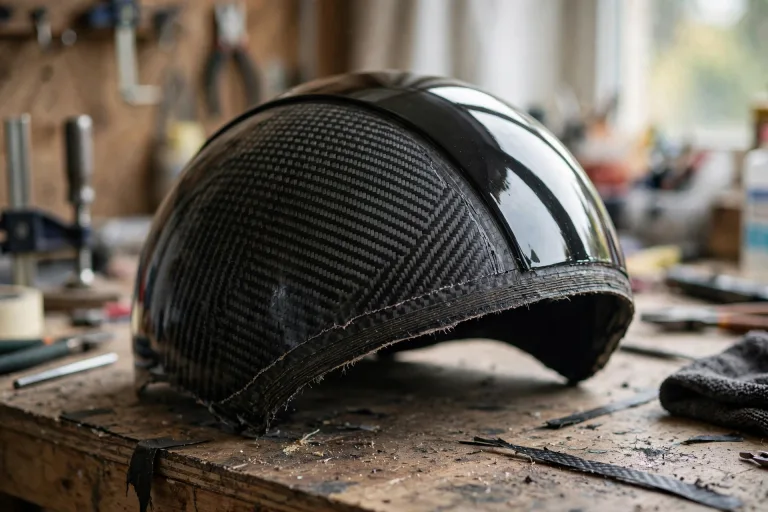
Hemp fibre in a helmet is a natural plant fibre, taken from the hemp plant, that some helmet makers use in the shell or the lining as an alternative to synthetic materials. In general terms, it is used in the same way as other fibres: woven into a fabric or mixed into a composite, where it adds strength and structure to the helmet.
Hemp has been used for centuries to make rope, cloth, and paper, because its fibres are long, tough, and hard-wearing. In recent years, some makers have started using it in helmets too, often as part of a move toward more natural or lower-impact materials. A helmet that contains hemp fibre still has to do the same job as any other helmet: protect your head in a fall, fit well, and stay comfortable to wear. The fibre itself is only one part of how the helmet is made.
What is hemp fibre?
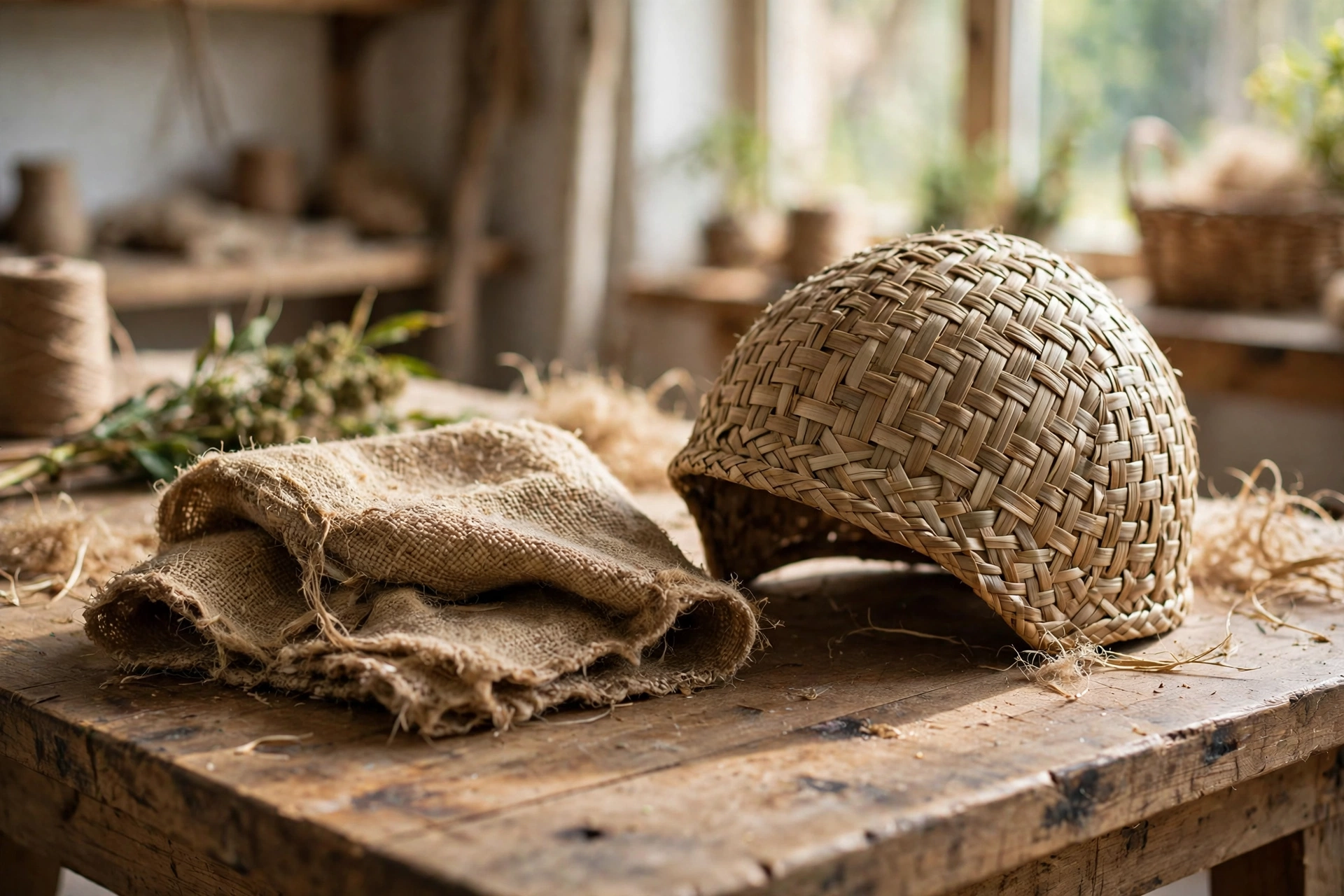
Hemp fibre comes from the stem of the hemp plant, which is grown for its long, strong fibres. After the plant is harvested, the stems are soaked or left in the field so that the fibres can be separated from the woody core. The fibres are then cleaned, combed, and spun into yarn, or left loose to be mixed into other materials. In general terms, the result is a fibre that is stiff, strong for its weight, and able to take a fair amount of wear.
It is worth knowing that the hemp plant grown for fibre is not the same crop that is grown for other uses, and in many countries its farming is controlled by law. The fibre itself contains no active compounds of the kind people sometimes associate with the plant, and a finished helmet made with hemp fibre is an ordinary piece of safety gear. Hemp fibre is also used in clothing, bags, car panels, and building boards, valued in each case for the same reasons: it is strong, light, and renewable, since the plant grows quickly.
How is hemp fibre used in a helmet?
In a helmet, hemp fibre is most often found in the outer shell or in a composite layer under the shell. In general terms, the fibres are woven into a fabric, or mixed with a resin that hardens around them, to form a stiff layer that helps spread the force of a knock across the helmet. The inner lining, which absorbs the force of an impact, is usually made from a foam, and the hemp fibre layer works alongside it rather than replacing it.
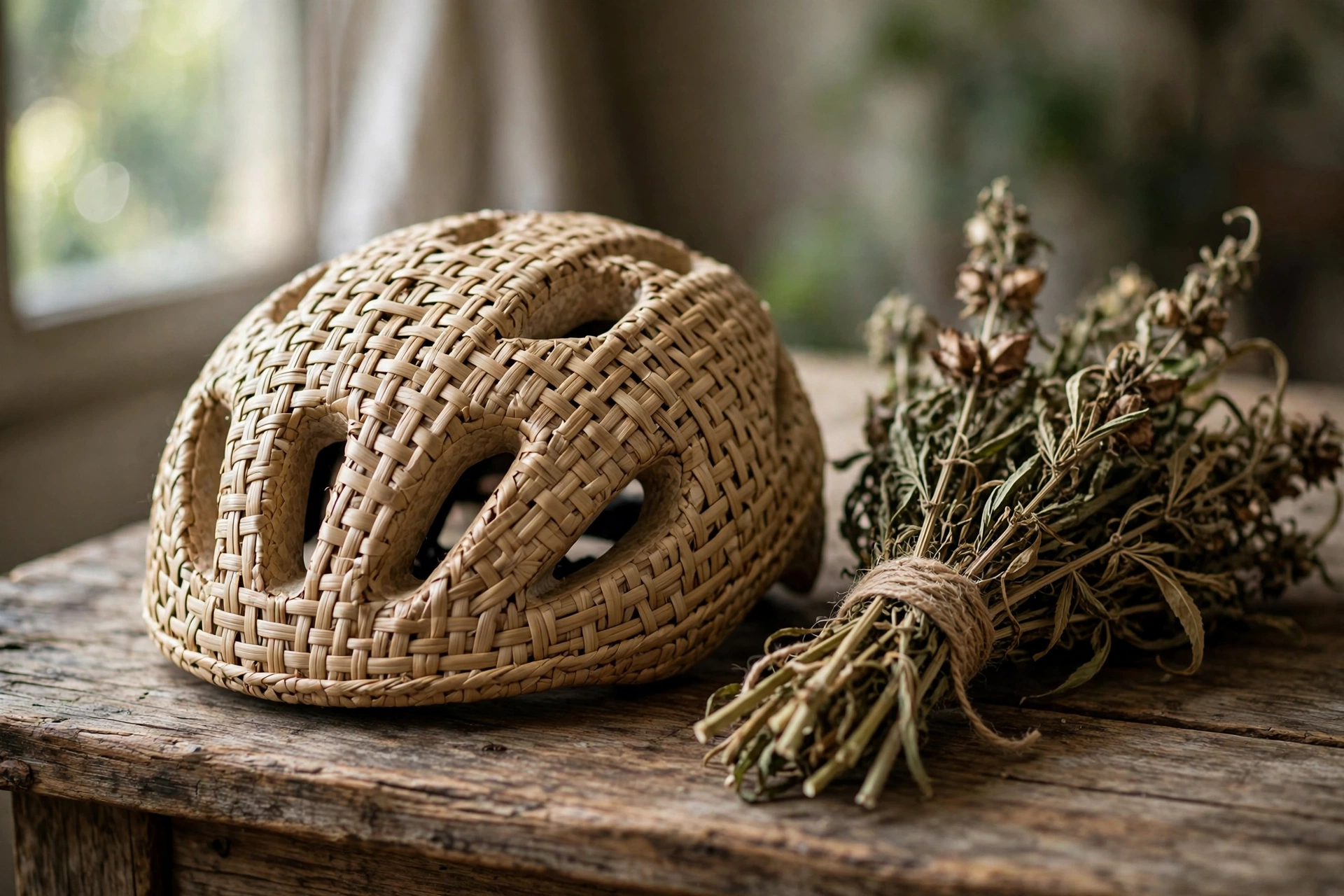
Some makers also use hemp fibre in the comfort lining or the straps, where its natural feel against the skin is the main attraction. A lining made with natural fibres can feel softer and breathe better than a fully synthetic one, which some riders prefer on long rides. Because hemp fibre is a natural material, the way it looks can vary a little from one helmet to the next. A shell that shows the fibre may have a visible woven pattern, with slight changes in colour and texture, and makers who leave the fibre visible usually do so on purpose, as a sign of the material used.
Why do some makers use hemp fibre?
The main reason makers give for using hemp fibre is that it is a renewable, plant-based material. Hemp grows quickly, and in general terms it needs less water and fewer added chemicals than some other fibre crops. For makers who want to reduce their use of plastics and synthetic fibres, hemp is an obvious choice to try, and some riders like the idea of a helmet made with natural materials.
There are practical reasons too. Hemp fibre is strong for its weight, and when it is woven and set in resin it forms a stiff, hard-wearing layer. That makes it useful in a shell, where stiffness helps spread the force of a knock. Another reason is feel. A lining or strap that contains natural fibre can be softer against the skin and less likely to cause irritation than a purely synthetic one. For riders who wear a helmet for hours at a time, that small difference in comfort can matter.
Is a hemp fibre helmet as strong as other helmets?
A helmet’s strength does not come from one material alone, but from the whole design: the shell, the foam lining, the fit, and the way the parts are put together. In general terms, a hemp fibre helmet that meets a recognised safety standard has been tested in the same way as any other helmet, and it has passed the same checks. The standard is what tells you the helmet is up to the job, whatever fibre it is made from.
That said, hemp fibre helmets are still new, and the designs vary more than the long-established materials do. Some makers use hemp as the main fibre in the shell, while others use it as one fibre among several. Because of that, it is worth reading the maker’s description carefully to understand how much hemp is actually in the helmet and where it sits. When you compare helmets, look at the certification label first, then at the fit and the weight. Some helmets include a system designed to reduce rotational forces in a fall, such as MIPS, and that is a separate feature from the fibre used in the shell.
How do you look after a helmet with hemp fibre?
Care for a hemp fibre helmet in much the same way as any other helmet, but pay attention to the maker’s instructions, because natural fibres can react to water and heat differently from synthetic ones. In general terms, wipe the shell clean with a damp cloth and mild soap, and let the helmet dry naturally, away from direct heat or strong sunlight. Do not leave it in a hot car or next to a radiator, as heat can damage the materials inside over time.
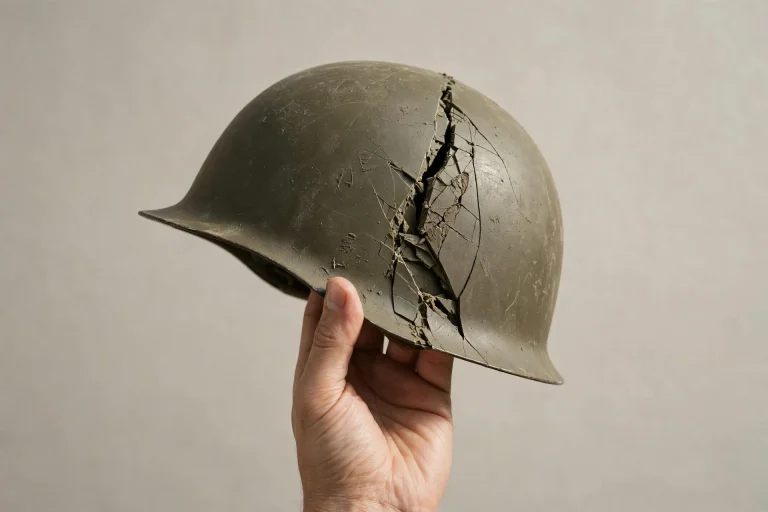
If the lining is removable, take it out and wash it following the maker’s instructions, and let it dry fully before you put it back. A natural fibre lining may take longer to dry than a synthetic one, so give it time. Avoid harsh cleaners and solvents on any part of the helmet, since these can weaken both natural and synthetic materials. Check the helmet regularly for cracks, dents, or loose parts. In general terms, a helmet that has taken a hard knock in a fall should be replaced, even if it looks fine on the outside, because the inner lining may have been compressed.
What is hemp fibre in a helmet?
Hemp fibre in a helmet is a natural plant fibre used in the shell or lining, woven into a fabric or set in resin to add strength and structure, as an alternative to synthetic fibres.
Is a hemp fibre helmet safe?
In general terms, a hemp fibre helmet that meets a recognised safety standard has passed the same tests as any other helmet. Check the certification label first, whatever the helmet is made from.
Does hemp fibre make a helmet better for the environment?
Hemp is a fast-growing, renewable crop, and makers who use it usually do so to reduce their use of synthetic materials. How much difference it makes depends on how much hemp the helmet contains and how it is made.

Olivia
Writer at Helmet Today, covering helmet reviews, fit and riding safety.