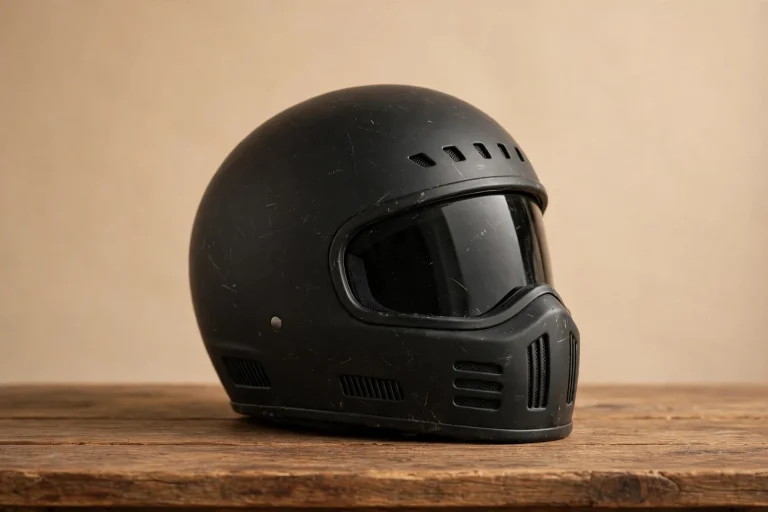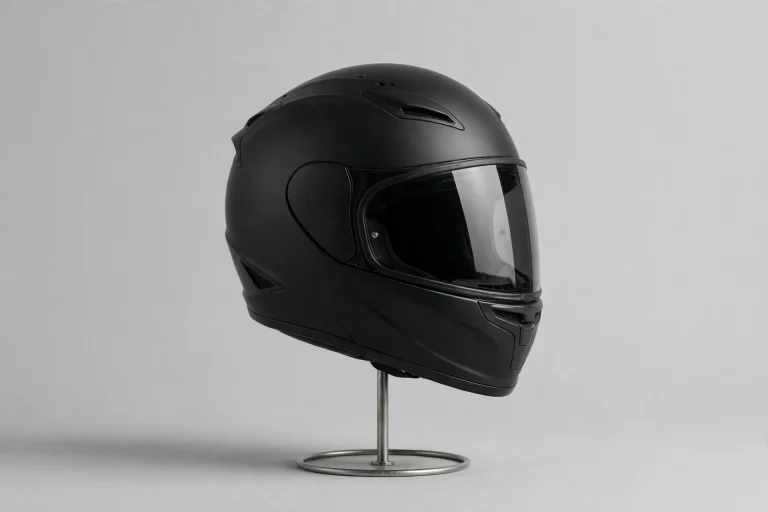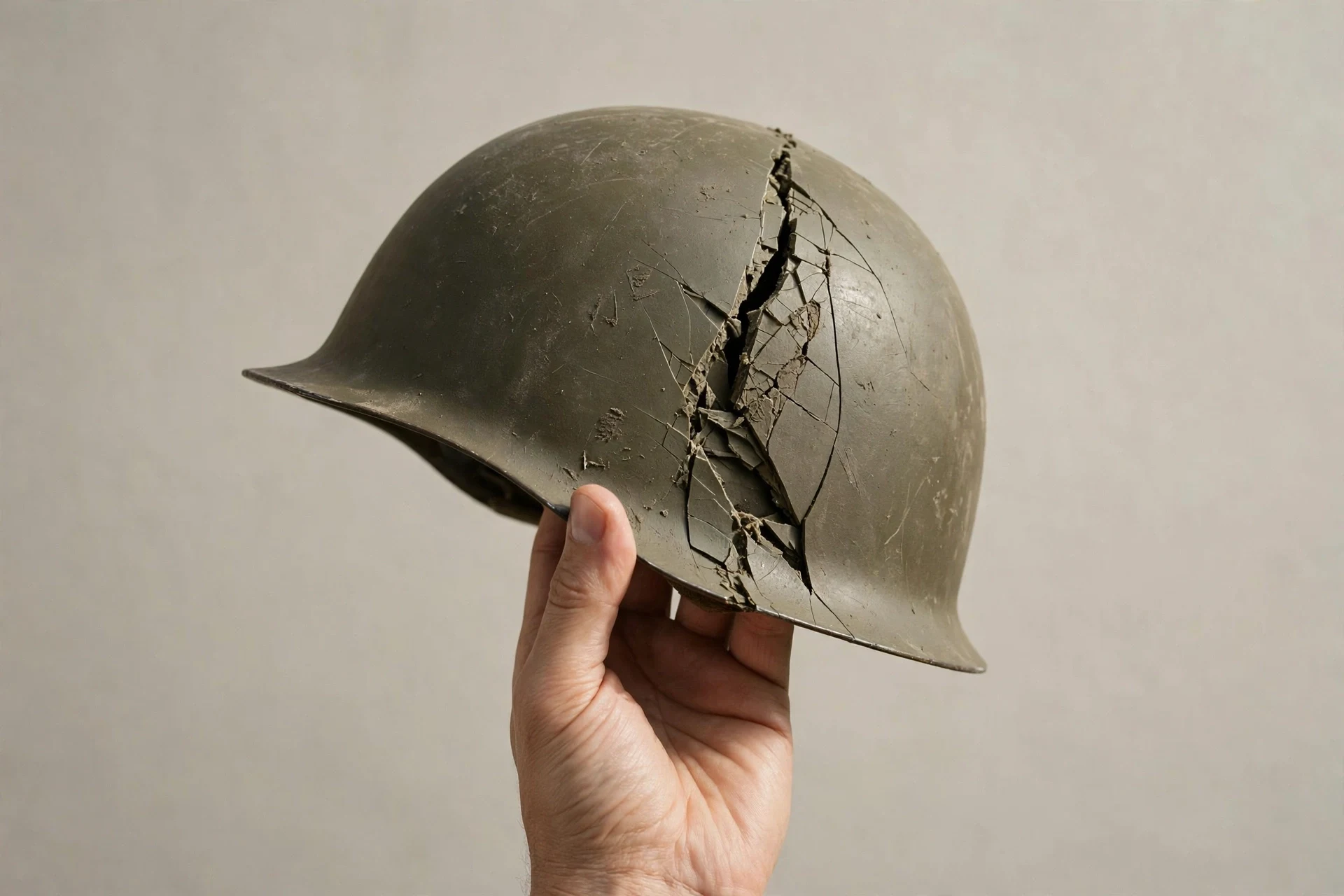
You can tell if a helmet shell is damaged by looking for cracks, dents, deep scuffs, and soft spots, and by feeling the shell for changes in shape or stiffness. The shell is the hard outer layer of the helmet, and it is the first part to meet an impact. A damaged shell may not spread the force of a crash properly, so it is worth checking carefully, especially after any fall or knock.
The shell works together with the foam liner inside it. In a crash, the shell spreads the force over a wide area, and the foam underneath absorbs it. If the shell is cracked or weakened, it may split instead of spreading the force, and the foam may have to do more than it was made for. That is why a shell check is a key part of looking after any helmet.
What does a damaged helmet shell look like?
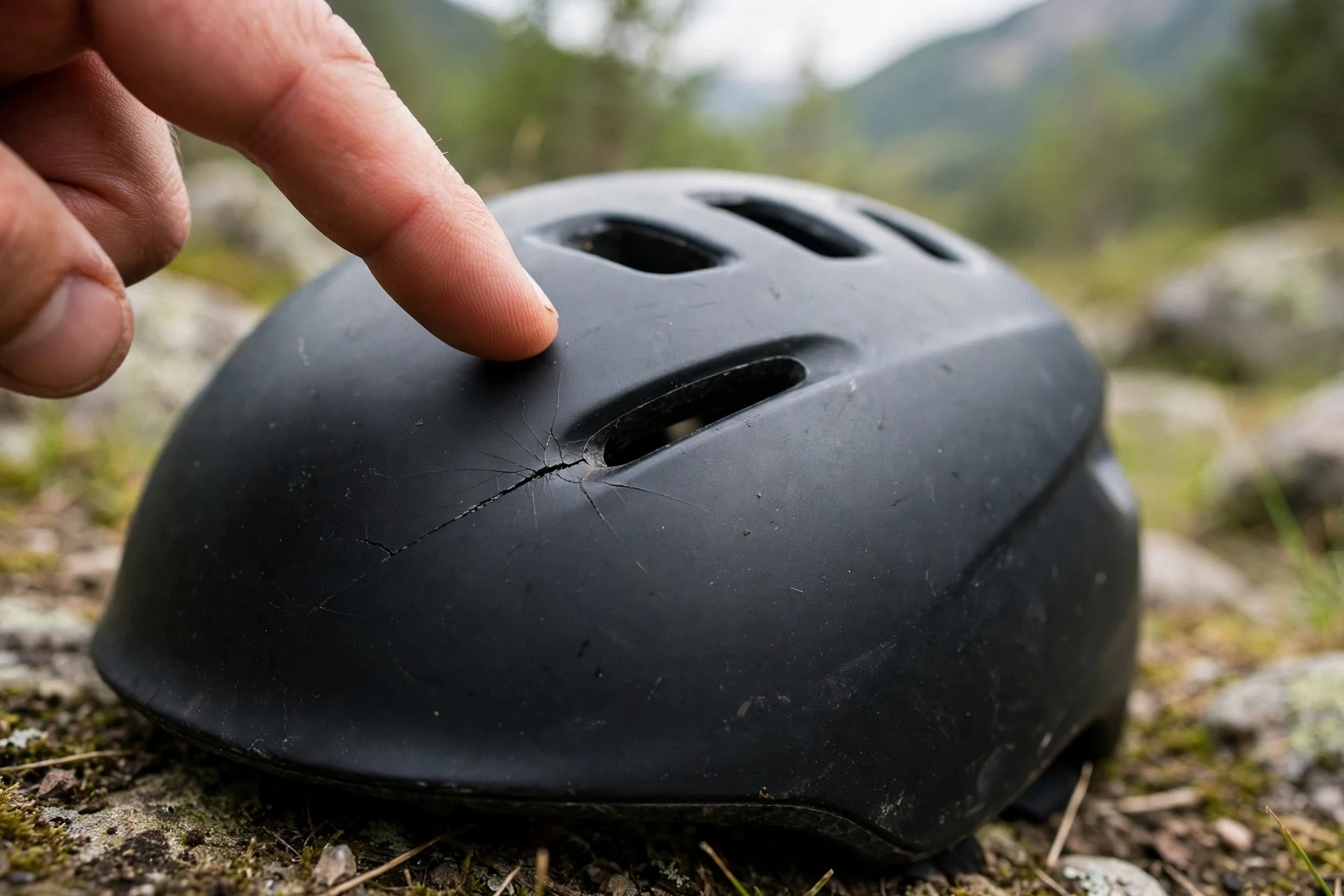
A damaged shell often shows a crack, and cracks can be obvious or very fine. Look for lines running across the shell, especially around the vents, the edges, and the base, where the shell is thinner and cracks tend to start. A crack may look like a hairline at first, so check in good light and run a fingertip over the surface to feel for a split that your eyes might miss.
Other visible signs include dents, where the shell has been pushed in, and deep scuffs that have cut through the outer surface. Look for chips, flaking paint or coating, and any area where the shell has gone soft or flexible when you press it. Also look at the edges and the rim: a shell that has been bent, warped, or pulled away from the foam liner at the edge is damaged, even if the middle still looks fine. Check the vents and any fittings, such as visor mounts, for cracks around the holes.
How do you check a helmet shell by hand?
Hold the helmet in both hands and press the shell gently in several places. A sound shell feels firm and springs back evenly, with the same stiffness all round. A damaged shell may feel soft or flexible in one spot, or it may creak or give more than the rest of the shell when you press it. Compare one side with the other, as a difference between the two sides can point to damage on one side.
Also try flexing the shell very gently, without forcing it. Listen for cracking or creaking sounds, and watch for any line or split that opens up as you press. Check the inside of the shell too, by looking through the vents and under the comfort padding, for cracks or dents that do not show on the outside. If you find anything that feels wrong, do not rely on the helmet until a specialist or the maker has checked it.
Can a small crack in the shell be ignored?
No, a crack in the shell should never be ignored, even if it looks small. A crack means the shell has already failed at that point, and it can spread further in another impact. A cracked shell may split open instead of spreading the force, and that leaves the foam underneath to take a force it was not made to handle alone.
A small crack can also point to hidden damage. The foam liner under a cracked shell may be crushed or split as well, and you cannot always see that from the outside. Some helmets include a system designed to reduce rotational forces in a fall, such as MIPS, and damage to the shell can affect how that system and the liner work together. If you find any crack, replace the helmet rather than trying to use it a little longer.
What causes shell damage?
Falls and knocks are the main cause of shell damage. Dropping a helmet onto a hard floor, knocking it against a wall, or hitting it in a crash can crack or dent the shell. Even a drop from waist height onto concrete can be enough, which is why helmets should be handled with care and never thrown into a bag with heavy tools.
Heat and sunlight can also weaken a shell over time. A helmet left on a car dashboard in summer, in a hot loft, or in strong sun can become brittle, and a brittle shell cracks more easily. Chemicals are another risk: petrol, solvents, and strong cleaning sprays can attack the shell material, so clean a helmet only with mild soap and water. Age plays a part too, as the materials in a shell slowly change with years of use and exposure, so check the maker’s guidance on how long a helmet should be used.
Can a damaged shell be repaired?
No, a damaged helmet shell cannot be repaired safely, and it should not be patched up and kept in use. Glue, tape, filler, or paint will not restore the strength of the shell, and a repair that looks tidy on the outside can hide a crack that is still there underneath. The shell is a single structural part, and once it is cracked or dented, its ability to spread the force of an impact is gone.
Small cosmetic marks, such as light surface scuffs that have not cut into the shell, are a different matter, and a helmet with only light scuffing can often still be used if the rest of it is sound. But if you are unsure whether a mark is cosmetic or structural, treat it as damage and have it checked. When in doubt, replace the helmet: a new shell is the only way to be sure the protection is back to full strength.
When should you replace a helmet with shell damage?
Replace a helmet as soon as you find any crack, dent, soft spot, or bent edge in the shell, and replace it straight after any hard knock or fall, even if you cannot see damage. The shell and the foam inside work as a pair, and a knock strong enough to damage one may have damaged the other as well. Check the maker’s guidance for your helmet, as different makers give different advice on inspection and replacement.
Make shell checks a regular habit, for example every few months, and always after a fall or a drop. Look at the shell in good light, feel it all round, and check the vents, edges, and fittings. Keeping a note of when you bought the helmet and any knocks it has taken helps you judge its condition. A helmet with a sound shell is a helmet you can trust, and a damaged shell is a clear sign to replace it.
Can a helmet shell be cracked without any visible damage?
Yes, a shell can have a fine hairline crack that is hard to see, and the foam underneath can be damaged without any mark on the outside. That is why you should feel the shell, check it in good light, and replace a helmet after any hard knock.
Do light scuffs mean the shell is damaged?
Not always. Light surface scuffs that have not cut into the shell are usually cosmetic. Deep scuffs, dents, cracks, or soft spots mean the shell is damaged and the helmet should be replaced.
Should I keep using a helmet if only the paint is chipped?
A small paint chip on its own is usually cosmetic, but check the area closely for any crack or dent underneath. If the shell itself is sound and the rest of the helmet is in good condition, it can often still be used.

Olivia
Writer at Helmet Today, covering helmet reviews, fit and riding safety.