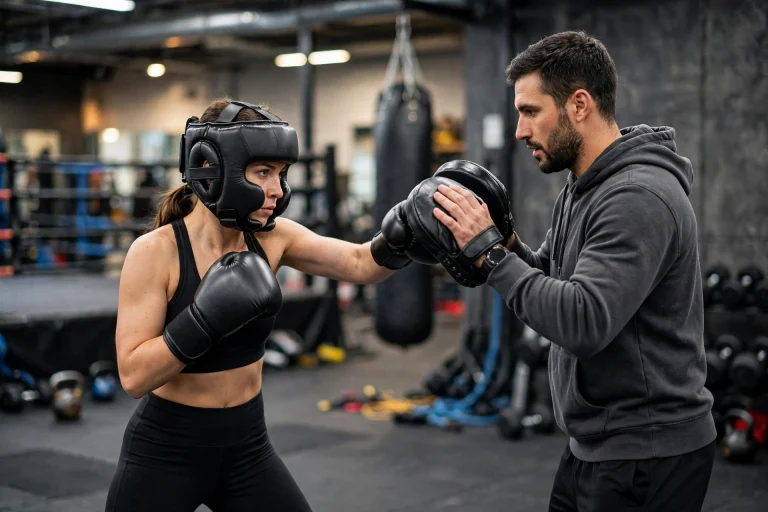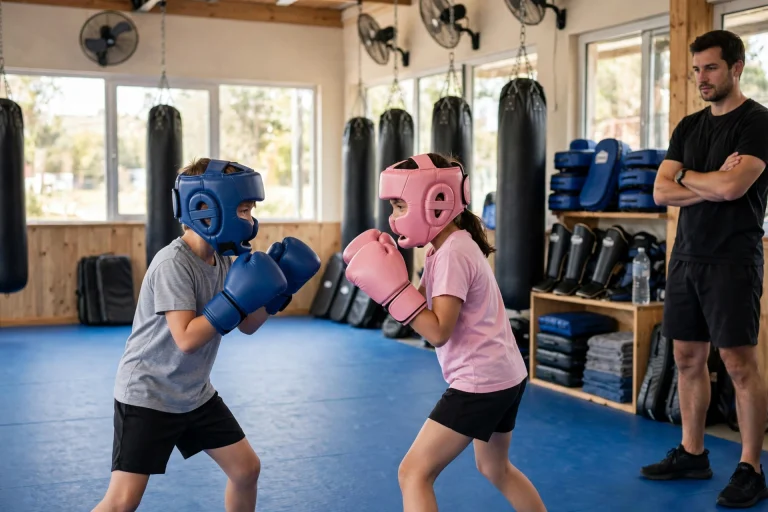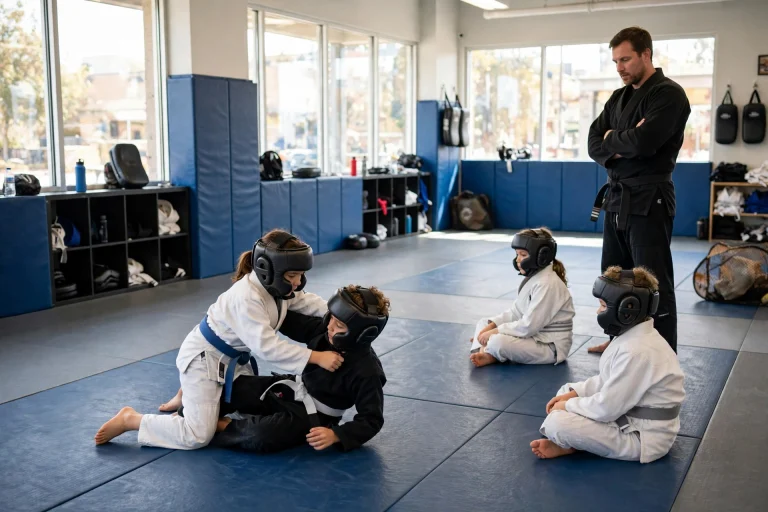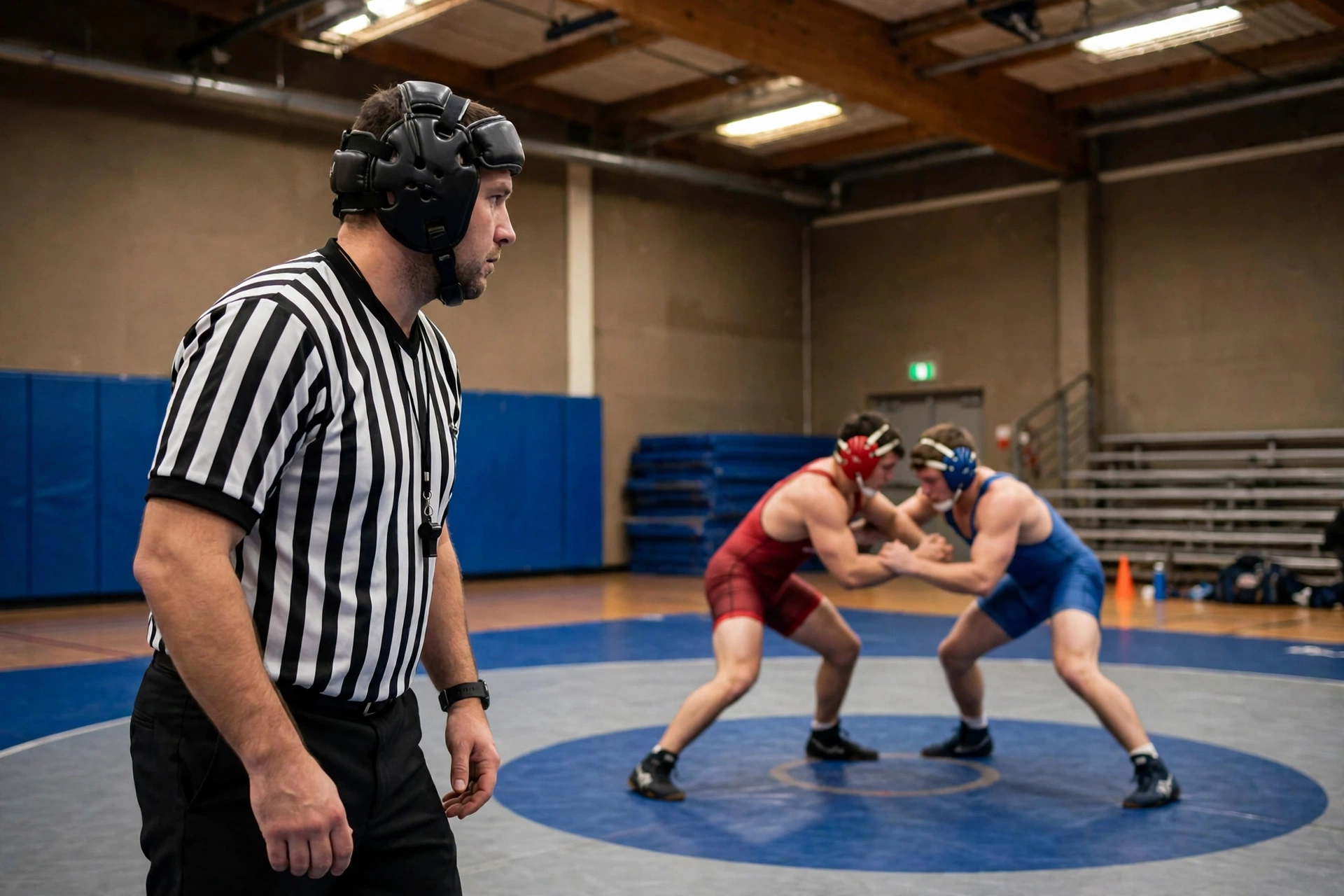
A helmet for wrestling referees is a light protective helmet worn to guard the referee’s head while officiating a wrestling match, and in general terms a soft, padded headgear-style helmet is what most referees use. A wrestling referee works close to the action, kneeling and moving around the mat, and a stray kick, elbow, or flying wrestler can catch the head without warning.
Unlike the wrestlers, who wear their own ear guards, the referee is not expecting contact, which is what makes the risk real. A wrestler rolling out of a hold can kick backwards, a body can be thrown toward the edge of the mat, and a referee leaning in to check a pin can find a flailing limb coming their way. A helmet will not stop that contact from happening, but it can reduce the force of a knock to the head. In general terms, that is the main reason referees wear one.
What does a wrestling referee do?
A wrestling referee controls the match, watching for legal holds, scoring points, and calling pins, escapes, and penalties. The referee moves constantly around the mat, staying close to the wrestlers so they can see every hold and every move. They kneel, crouch, and lean in, often with their head only a short distance from the wrestlers’ bodies.
Referees work at all levels, from school and club matches to college and international events. A match can be fast and physical, with both wrestlers rolling, twisting, and changing position in a split second. The referee has to stay focused on the action, which means they cannot always watch out for their own safety, and that is where a helmet helps.
What kind of helmet do wrestling referees wear?
In general terms, wrestling referees wear a soft, padded helmet, similar in style to the headgear worn by wrestlers themselves, but made to protect the whole head rather than just the ears. It is usually made of soft foam covered in a smooth, wipe-clean material, with no hard shell, so that it cannot hurt a wrestler if the referee’s head makes contact with them.
The helmet should be light and comfortable, so that the referee can wear it for a whole session of matches without it becoming a distraction. It should fit snugly and fasten securely under the chin, so that it stays in place when the referee moves quickly or kneels down. Some referees choose a helmet with a little extra padding at the back and sides, where knocks are most likely.

Why would a referee need a helmet?
A referee needs a helmet because they work inside the danger zone of a wrestling match without expecting to be hit. A wrestler’s foot can swing out during a roll, an elbow can fly up during a scramble, and a wrestler thrown from a hold can land close to the referee. The referee is also close to the mat, and a sudden movement can send their own head down toward the floor.
The risk is higher in matches with younger or less experienced wrestlers, who have less control over their movements, and in fast-paced bouts where the action moves quickly around the mat. A helmet will not make the referee invulnerable, but it can soften a knock that might otherwise cause a cut, a bruise, or worse. For referees who work many matches in a day, that protection adds up.
How should a helmet for wrestling referees fit?
A helmet for wrestling refereeing should sit level on your head, low enough at the front to cover your forehead, and snug all round without pressing painfully on your temples. It should not tip forward over your eyes or slide back when you nod, and it should stay in place when you shake your head gently from side to side.
The chin strap should be snug enough that you can fit only a finger or two between the strap and your chin. Try the helmet on and move as you would on the mat: kneel, crouch, and turn quickly, and check that the helmet stays put and does not block your view. Make sure you can still hear the wrestlers and the coach clearly, since a referee needs to hear calls and warnings.
What features matter in a wrestling referee helmet?
Comfort matters most, because a referee may wear the helmet for hours at a tournament. Look for soft padding that sits evenly around the head, a lining that breathes, and a strap that does not rub. A helmet that is too tight will give you a headache by the second match, while one that is too loose will shift when you move.
Coverage matters too. A helmet that protects the back and sides of the head, as well as the top, gives the best protection against the stray kicks and elbows a referee is most likely to meet. Some helmets include a system designed to reduce rotational forces in a fall, such as MIPS, though this is more common in hard-shell helmets, and it is worth asking about when you choose. A smooth, wipe-clean surface is useful, since the helmet will pick up sweat and mat dust over a long day.
How do you look after a wrestling referee helmet?
After a session, wipe the helmet clean with a damp cloth and let it dry naturally, away from direct heat. Do not leave it in a hot car or next to a radiator, as heat can damage the materials inside over time. If the padding is removable, take it out and wash it following the maker’s instructions, and let it dry fully before you put it back.
Check the helmet regularly for tears, flat spots in the padding, or loose parts, and check the chin strap and buckle for wear. In general terms, a helmet that has taken a hard knock should be replaced, even if it looks fine on the outside, because the inner padding may have been compressed. When in doubt, replace it.
Do wrestling referees need a helmet?
In general terms, yes, a helmet is sensible for wrestling referees. They work close to fast, physical action and can be caught by a stray kick or elbow without warning, so light head protection is a simple precaution.
Can a referee wear normal wrestling headgear?
In general terms, wrestlers’ ear guards protect the ears, not the whole head, so they are not the best choice for a referee. A soft padded helmet that covers the top, back, and sides of the head gives better protection.
When should a wrestling referee helmet be replaced?
Replace it if the padding is flattened or torn, if the shell or lining is damaged, or if the strap and buckle are worn. A helmet that has taken a hard knock has done its job and should not be relied on again.

Olivia
Writer at Helmet Today, covering helmet reviews, fit and riding safety.