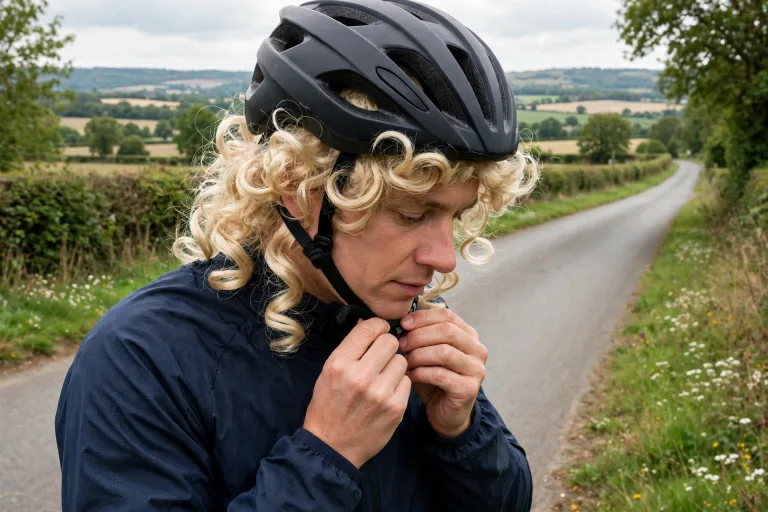
Helmet fit for bald riders is about choosing a helmet that sits snugly on a smooth head without slipping, and in general terms the right fit comes from the shape of the helmet, the lining, and the retention system, not from having hair to grip. Bald riders sometimes find that a helmet slides around more easily, or that the lining feels different against bare skin, but with the right choice these problems are easy to solve.
Hair adds a little grip and padding between the head and the helmet, so without it the fit can feel looser and the helmet can move more in use. The good news is that most modern helmets are designed to fit a bare head well, and a few small adjustments, such as the right pads or a thin skull cap, can make a big difference to comfort.
Why does helmet fit feel different for bald riders?
Hair creates friction between the scalp and the helmet lining, which helps hold the helmet in place. Without hair, the lining sits directly on smooth skin, so the helmet can slide more easily when you shake your head or lean into a turn. This does not mean the helmet is too big, only that the grip is different, and the fit needs to be checked more carefully.
Bare skin is also more sensitive to pressure and to the texture of the lining. A lining that feels fine through hair may feel scratchy or irritating on a bare scalp, and seams or stitching that you would never notice otherwise can become uncomfortable on a long ride. Sweat can also make a helmet slip more on a smooth head, which is another reason the fit deserves extra attention.
How should a helmet fit a bald rider?
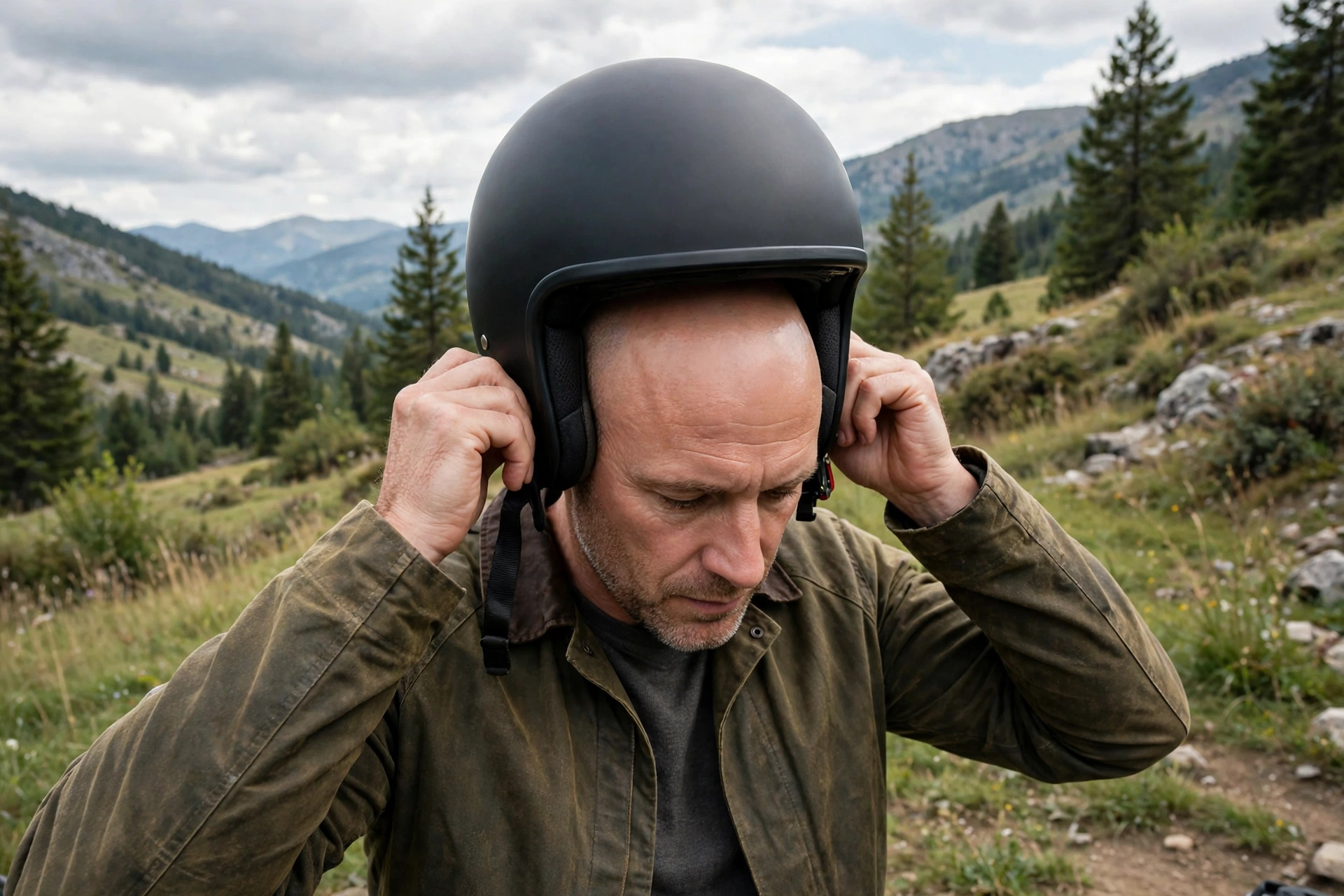
A helmet for a bald rider should sit level on the head, low enough at the front to cover the forehead, and snug all round without pressing painfully. It should not tip forward over the eyes or slide back when you nod, and it should stay in place when you shake your head gently from side to side. If the helmet moves easily, try a smaller size or a different shape.
Helmet shapes vary, and a round head, an oval head, and a long head all suit different models. Trying on several helmets is the best way to find the shape that matches your head, and it matters more for bald riders because there is no hair to hide a poor fit. The chin strap should be snug enough that you can fit only a finger or two between the strap and your chin.
What lining and padding works best for a bald head?
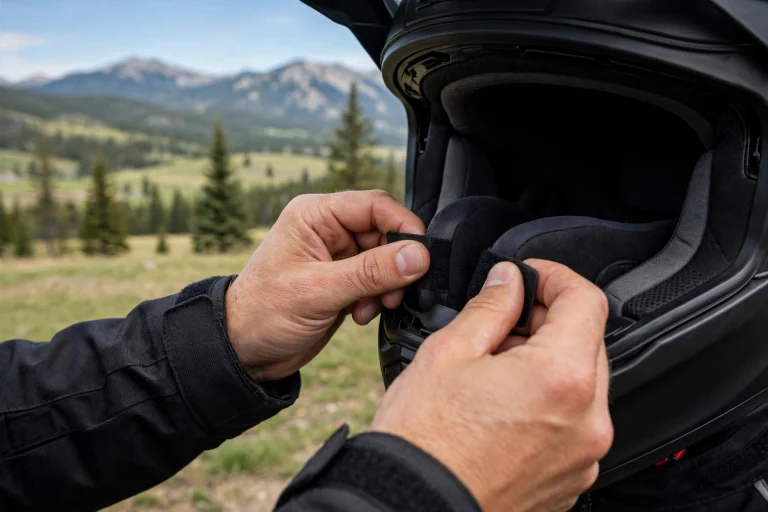
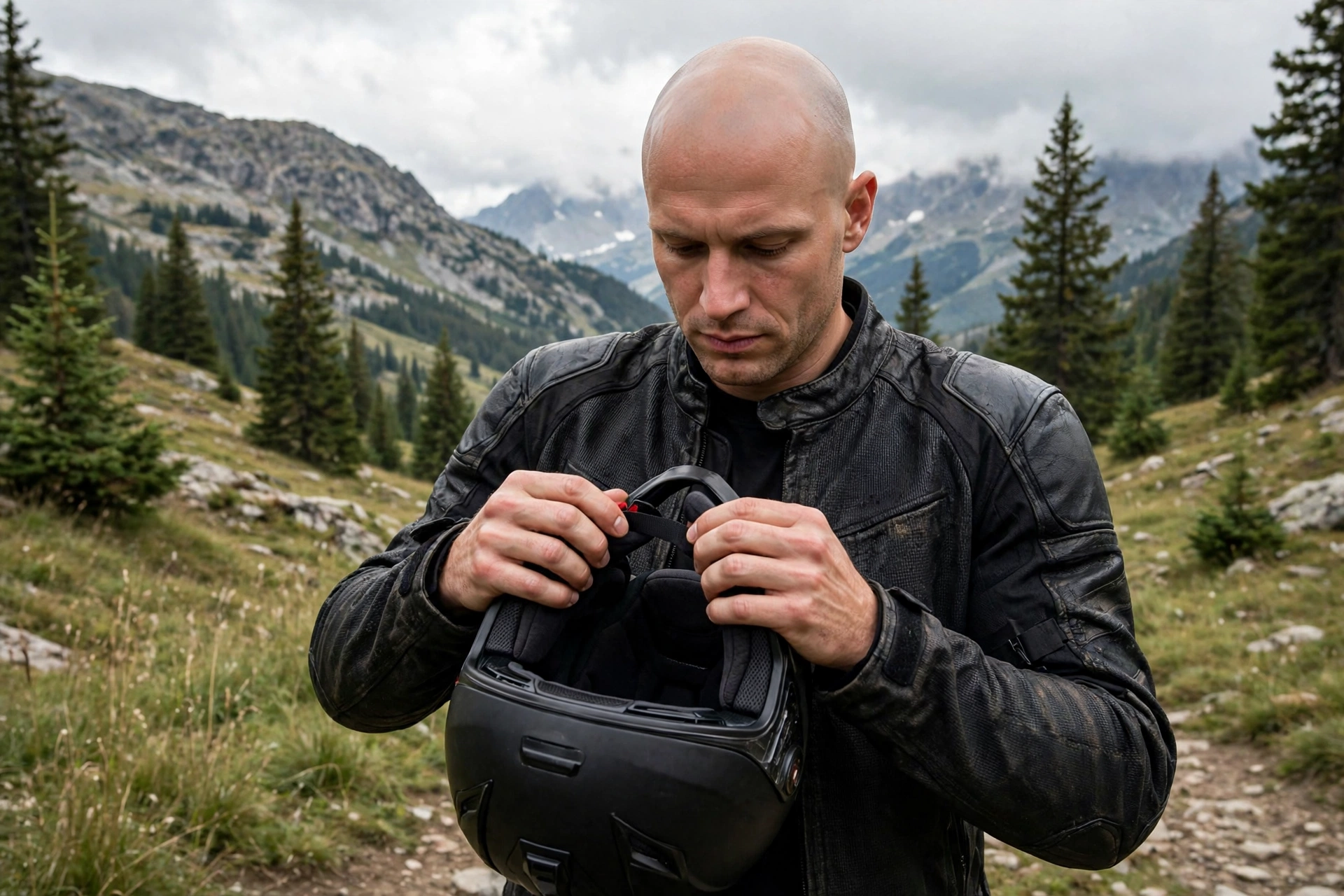
A soft, smooth lining works best on a bare scalp, because it is less likely to irritate the skin and it grips better than a rough or coarse fabric. Many helmets have a removable lining that can be washed, which is useful for bald riders because sweat and skin oils build up directly on the pads. A clean lining also grips better than a dirty one, so keeping it fresh helps the fit as well as the comfort.
Some riders add a thin skull cap or a bandana under the helmet. A skull cap adds a little grip, absorbs sweat, and protects the scalp from seams and stitching. Choose a thin one made from a soft, breathable fabric, and try the helmet on with the cap in place, because even a thin layer can change the fit. Avoid thick caps, which can make the helmet feel tight and may push it out of position.
How do you stop a helmet slipping on a smooth head?
The first step is the fit itself: a helmet that is the right size and shape for your head will slip less than one that is too large. Use the retention system at the back of the helmet to tighten it evenly, and check that the pads press gently against the sides of your head without leaving sore spots. The helmet should feel snug when you first put it on, because the lining will soften slightly with use. Take a few minutes to walk around and shake your head before you ride, so you know the helmet will stay put once you are moving.
If the helmet still slips, try different cheek pads or a thicker comfort lining, if your model offers them. Many helmets come with spare pads in different thicknesses, and swapping them can change the fit without buying a new helmet. Some helmets include a liner designed to reduce rotational forces in a fall, such as MIPS, which sits between the shell and the head and is worth asking about when you choose.
How should bald riders look after their scalp and helmet?
A bare scalp is more exposed to the sun, so it is worth applying sunscreen before a ride if the helmet leaves any skin uncovered, and taking care on hot days. Sweat can irritate the skin and build up in the lining, so wipe the inside of the helmet after a ride and wash the removable lining regularly following the maker’s instructions.
Check the helmet regularly for wear, especially where the lining presses against the scalp, and replace worn pads so the fit stays good and comfortable over time. In general terms, a helmet that has taken a hard knock in a fall should be replaced, even if it looks fine on the outside, because the liner inside may have been compressed. The same applies to a helmet that has been dropped hard onto a hard surface.
Does a helmet fit differently if you are bald?
Yes, in general terms a helmet can feel looser and slip more on a smooth head, because hair normally adds grip, so bald riders should check the fit and the helmet shape more carefully.
Should bald riders wear a skull cap under a helmet?
A thin, soft skull cap can help: it adds grip, absorbs sweat, and protects the scalp from seams, but try the helmet on with the cap in place, because even a thin layer can change the fit.
What is the best helmet lining for a bald rider?
A soft, smooth, removable lining works best, because it is gentle on bare skin, grips well, and can be washed regularly to keep the fit and comfort good.

Olivia
Writer at Helmet Today, covering helmet reviews, fit and riding safety.