Does travel insurance cover helmets? In general terms, it depends on your policy, because some travel insurance plans cover a helmet as sports equipment or as a personal item, while others exclude it or only cover it under a specific add-on. A helmet is not always listed by name in a policy, so the answer usually comes down to how your insurer classes it and which level of cover you bought. Checking the wording before you travel is the only way to know for sure.
This matters most if you are travelling with an expensive helmet, for example for cycling, skiing, or motorcycling. A good helmet can cost a fair amount to replace, and losing one abroad, or having it stolen or damaged in transit, can be an unwelcome extra cost on top of a disrupted trip. Knowing what your policy covers before you pack is far easier than arguing about it after the event.
What does travel insurance usually cover?
Most travel insurance policies cover a few broad areas: medical costs, trip cancellation, and your belongings. The belongings section usually covers personal items against loss, theft, or damage, up to a limit set out in the policy. Some policies have a single-item limit, which caps how much you can claim for any one item, and that limit may be lower than the cost of a good helmet. There may also be an overall belongings limit for the whole trip, so a claim for a helmet sits alongside anything else you lost. Reading those two limits together gives you a realistic idea of what you would actually get back.
Sports equipment is often treated separately from ordinary luggage. Some policies include a basic amount of sports cover as standard, while others offer it as an optional extra you pay for. In general terms, if your helmet is not mentioned in the policy, it may still be covered under the general belongings section, but the single-item limit and any exclusions will still apply.
Is a helmet covered as sports equipment?
A helmet is often covered as sports equipment when it is part of a sport you are travelling to do, such as cycling or skiing. Some insurers list helmets alongside other gear, while others cover sports equipment as a group without naming each item. If your policy has a sports equipment section, read it to see whether helmets are named or whether the cover is general.
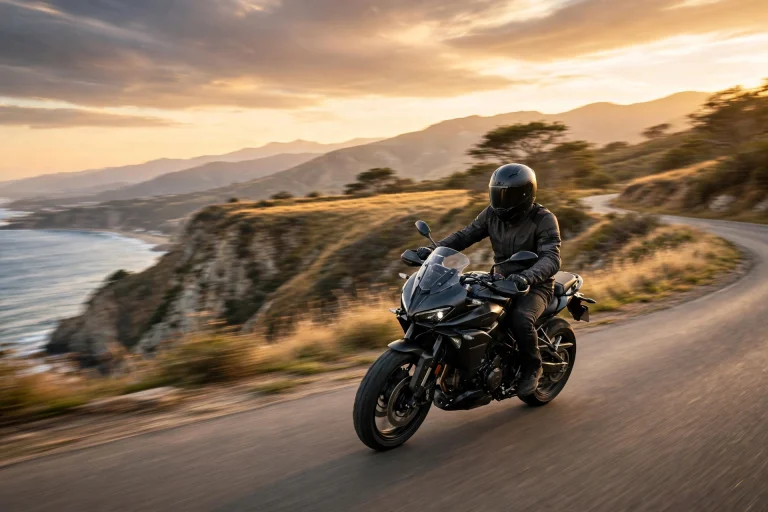
Motorcycle helmets can be treated differently from cycle or ski helmets, because riding a motorcycle abroad may need a separate activity or vehicle section in the policy. In general terms, if you plan to ride while you are away, tell the insurer what you will be doing and check that the activity is covered at all. A helmet claim may be refused if the activity itself was not covered by the policy in the first place.
What if your helmet is lost, stolen, or damaged on a trip?
If your helmet is lost or damaged by an airline or a transport company, report it to them straight away and get a written report, because your insurer will usually ask for one. If it is stolen, report it to the local police and keep a copy of the report. In general terms, a claim without some kind of report or receipt is much harder to make, so keep every document you are given.
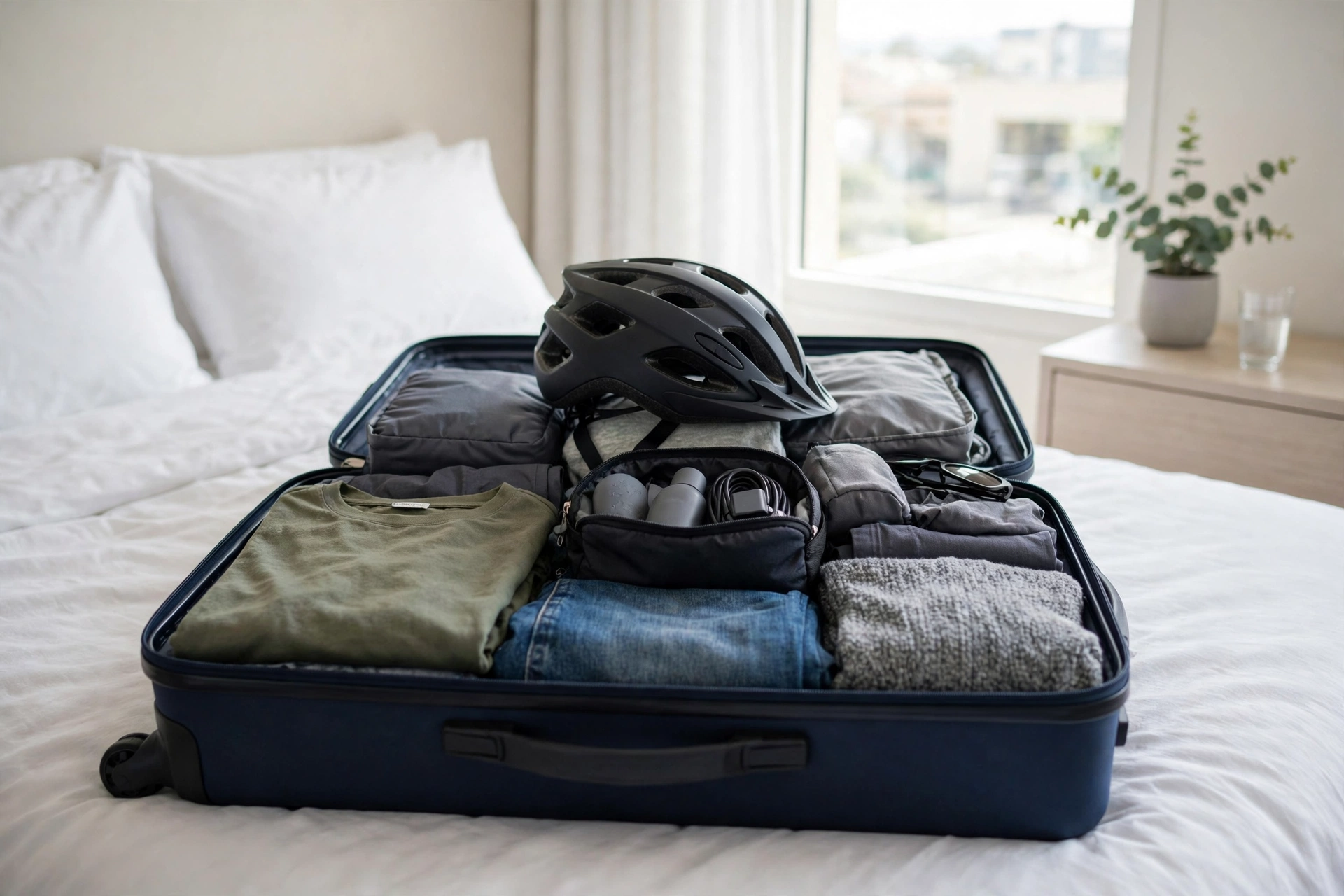
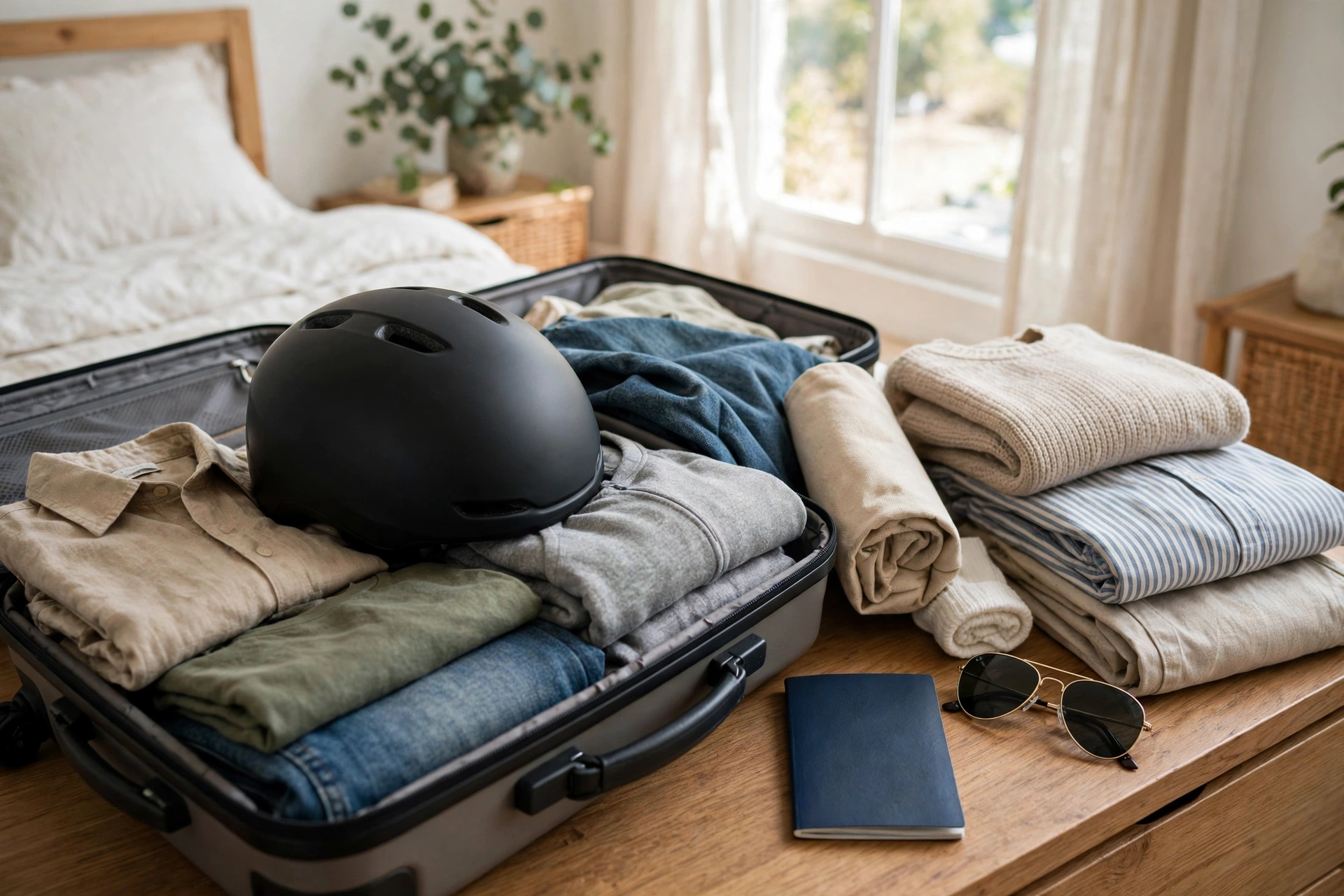
Damage in transit is a common problem, because helmets are bulky and can be crushed in a bag. Packing your helmet in a padded bag or a hard case helps, and carrying it as hand luggage avoids the worst of the handling. If you do need to claim, you will usually need proof of what the helmet cost, so keep the receipt or a record of the purchase before you travel.
How do you make a claim for a helmet?
To make a claim, contact your insurer as soon as you can and follow their claims process, which is usually set out in the policy documents or on their website. You will normally need to describe what happened, when it happened, and what the helmet was worth. Keep photos of the damage, any police or airline reports, and the original receipt if you have it.
The insurer may pay the cost of a replacement, or they may pay a reduced amount if the helmet was old. Some policies pay the current value rather than the price of a new one, which is known as wear and tear or depreciation. Keep a note of the claim number and the name of anyone you speak to, and keep copies of everything you send, in case the insurer asks for the same document twice. In general terms, reading the claims section of your policy before you travel will tell you what evidence you need and how long you have to make the claim.
What should you check before you travel?
Before you travel, check whether your policy covers helmets at all, what the single-item limit is, and whether sports equipment needs an add-on. Also check whether your helmet is covered while it is in transit, in a hotel room, or left in a vehicle, because some policies limit cover in those situations. If the limit is lower than the value of your helmet, you may want to raise it or add extra cover.
It is also worth thinking about the helmet itself. If you are buying a replacement before a trip, look for a helmet that fits well and suits the activity, and consider features such as a system designed to reduce rotational forces in a fall, like MIPS. Keep a photo of your helmet and a copy of the receipt on your phone, so you have the details to hand if you ever need to claim.
Is a helmet covered by standard travel insurance?
Sometimes. Some policies cover a helmet under personal belongings or sports equipment, while others do not. Check the policy wording and the single-item limit before you travel.
Does travel insurance cover a helmet damaged by an airline?
In general terms, it may do, but you will usually need a written report from the airline and proof of the helmet’s value. Report the damage to the airline straight away.
Should you add sports cover for a helmet?
If your helmet is expensive or you are travelling to ride, cycle, or ski, adding sports cover is often worth it. It usually raises the limit and covers gear that a basic policy may exclude.

Olivia
Writer at Helmet Today, covering helmet reviews, fit and riding safety.