We may earn a commission when you buy through links on this page, at no extra cost to you. Learn more
5 Best Ski Mountaineering Helmets
| Image | Title | Best For | Link |
|---|---|---|---|
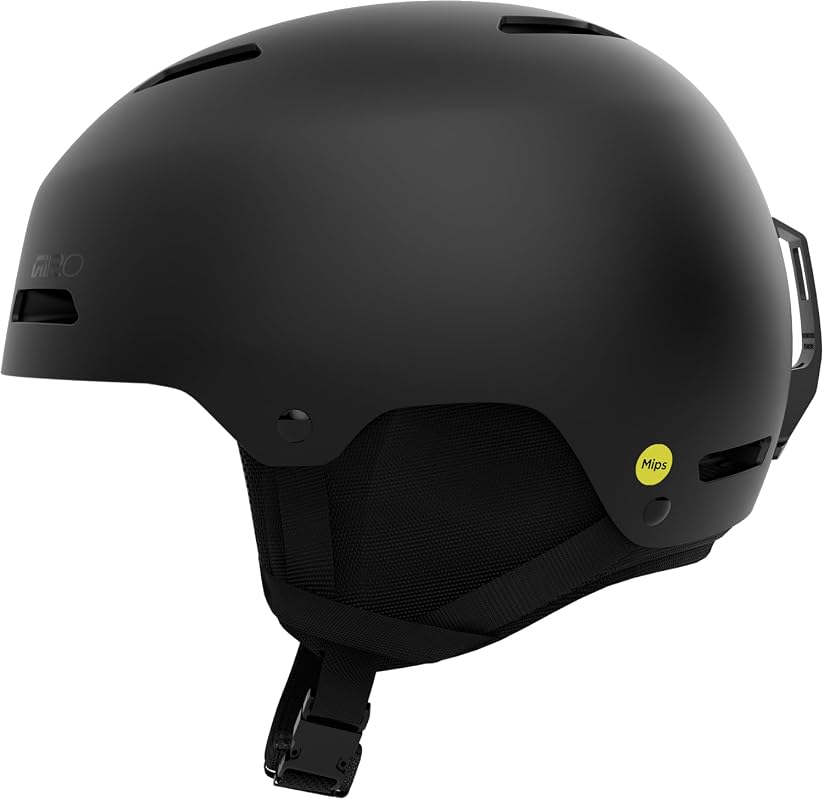 |
Giro Ledge MIPS Helmet | Maximum safety with MIPS technology and rugged construction for daily mountain use. | View on Amazon |
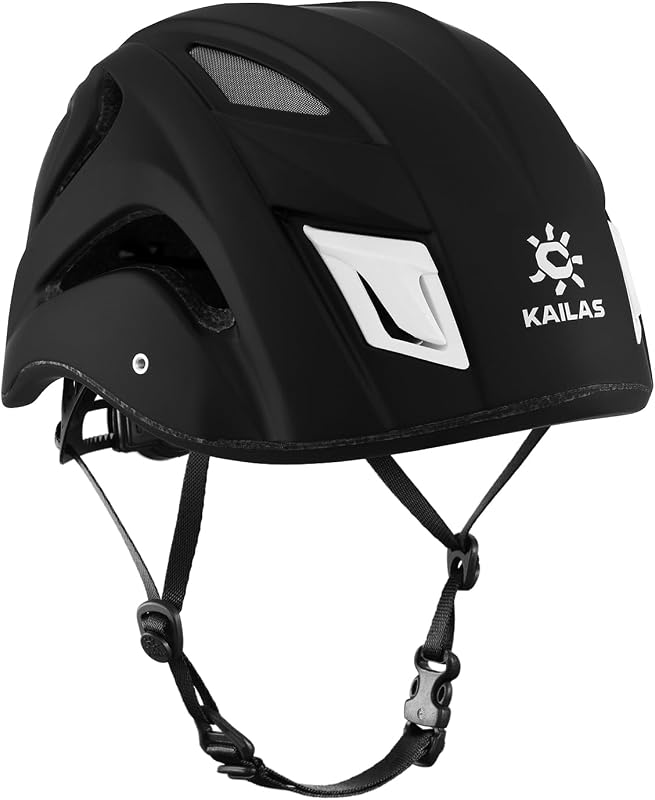 |
KAILAS Arborist Helmet | Versatile, lightweight protection suitable for mountaineering, rescue, and climbing. | View on Amazon |
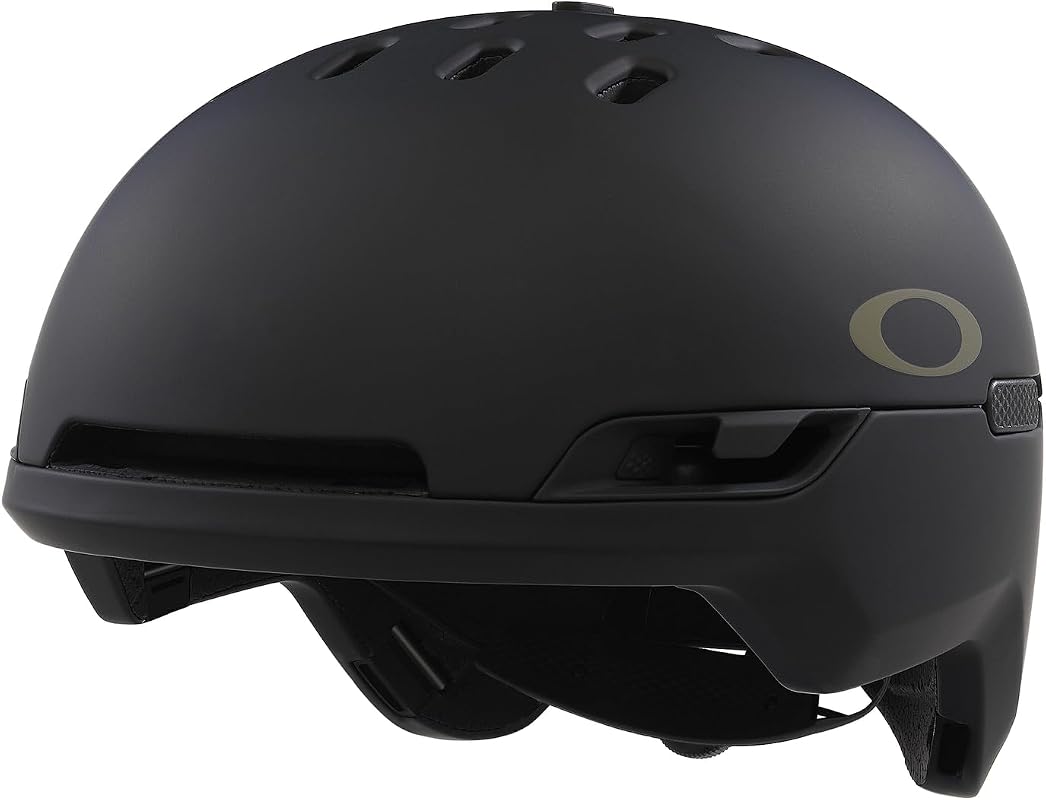 |
Oakley MOD Backcountry | Triple-certified protection that remains lightweight for long backcountry tours. | View on Amazon |
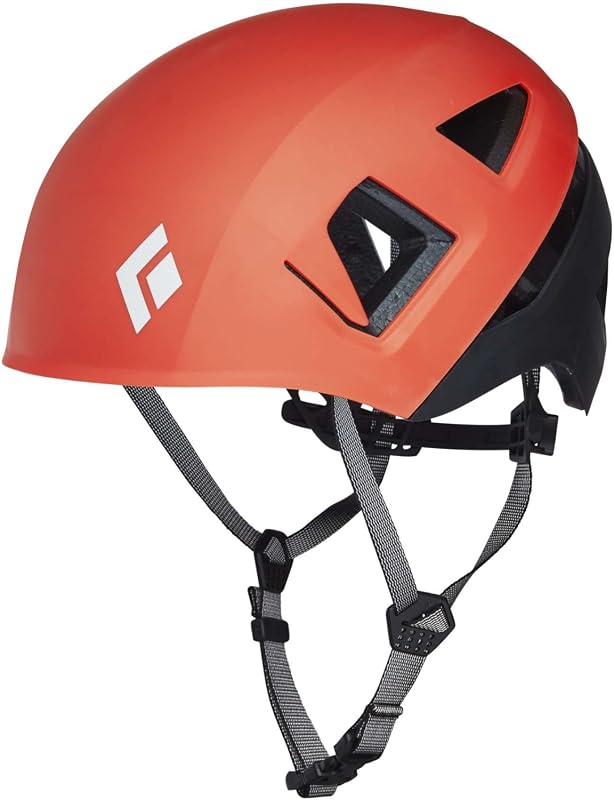 |
BLACK DIAMOND Capitan | Superior impact absorption with dual-density foam for technical alpine missions. | View on Amazon |
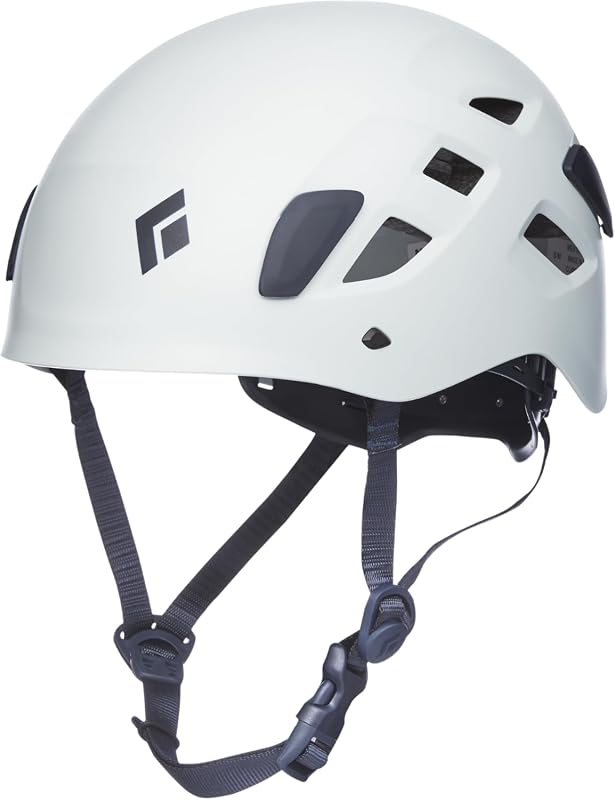 |
BLACK DIAMOND Half Dome | Proven, reliable performance for everything from cragging to alpine adventures. | View on Amazon |
Our Top 5 Best Ski Mountaineering Helmets Reviews – Expert Tested & Recommended
1. Giro Ledge MIPS Snow Helmet
The Giro Ledge MIPS is a standout choice for those prioritizing safety without sacrificing style. Its rugged construction and integration of MIPS technology make it a top contender for daily mountain use.
Key Features That Stand Out
- ✓ MIPS Multi-Directional Impact Protection for enhanced safety.
- ✓ Auto Loc 2 fit system for a reliable, self-adjusting fit.
- ✓ Stack Vent technology to keep your goggles clear and fog-free.
Why We Recommend It
We love the Ledge for its simple, durable design that doesn’t compromise on protective tech. It feels incredibly secure, and the ventilation system is genuinely effective during high-output moments.
Best For
Skiers looking for a dependable, everyday helmet that excels in both safety and comfort.
Pros and Cons at a Glance
2. KAILAS Arborist Climbing Helmet
The KAILAS Arborist helmet is a versatile powerhouse. Its robust design meets stringent UIAA standards, providing the confidence you need when tackling technical mountaineering or steep ski approaches.
Key Features That Stand Out
- ✓ Dual-density ABS shell for superior impact protection.
- ✓ One-handed adjustment knob for easy use even with gloves.
- ✓ Integrated headlamp clips perfect for alpine starts.
Why We Recommend It
This helmet is incredibly practical. We specifically appreciate how the visor maintains visibility during steep ascents, and the adjustability is top-tier for varying head shapes.
Best For
Mountaineers who need one helmet for climbing, skiing, and general alpine work.
Pros and Cons at a Glance
3. Oakley MOD Backcountry Helmet
The Oakley MOD Backcountry is an impressive piece of gear. It hits the “triple certification” mark, meaning you get high-level safety standards for both skiing and mountaineering at a great value.
Key Features That Stand Out
- ✓ Triple-certified (EN 1077, ASTM F2040, EN 12492).
- ✓ Ultralight polycarbonate shell weighing under 450 grams.
- ✓ Dedicated ports for easy eyewear storage during climbs.
Why We Recommend It
For those mindful of their budget but unwilling to compromise on safety, this is the perfect solution. It is remarkably light, making those long uphill grinds feel much easier.
Best For
Backcountry enthusiasts who want high-certified safety in a very lightweight package.
Pros and Cons at a Glance
4. BLACK DIAMOND Capitan Climbing Helmet
The Black Diamond Capitan is designed for those who put their gear through the ringer. It offers exceptional side and back coverage, which is vital when you are out in the high alpine.
Key Features That Stand Out
- ✓ Dual-density foam for max impact absorption.
- ✓ Extended side and back protection profile.
- ✓ Highly adjustable suspension system for a precise fit.
Why We Recommend It
We highly value the extra coverage this helmet provides. It feels extremely robust, and the adjustment dial makes it very easy to fit over a beanie or light headwear for cold weather.
Best For
Technical alpine climbing and ski mountaineering where extra head coverage is preferred.
Pros and Cons at a Glance
5. BLACK DIAMOND Half Dome Helmet
The Black Diamond Half Dome is a legendary piece of climbing equipment for a reason. It is durable, reliable, and perfectly suited for the varied needs of a mountaineer who also skis.
Key Features That Stand Out
- ✓ Proven, all-purpose design for various alpine missions.
- ✓ Tough outer shell with impact-absorbing foam liner.
- ✓ Low-profile, easy-to-use suspension system.
Why We Recommend It
You can’t go wrong with a classic. The Half Dome offers consistent performance, and its proven reliability gives you one less thing to worry about when you’re focusing on your line.
Best For
Mountaineers who value tried-and-true performance and durability above all else.
Pros and Cons at a Glance
Complete Buying Guide for Ski Mountaineering Helmets
Essential Factors We Consider
When selecting a ski mountaineering helmet, always look for certifications. A good helmet should meet both climbing standards and ski impact standards. Weight is also crucial; for long days in the mountains, every gram matters. Finally, consider ventilation and goggle compatibility to ensure comfort throughout the day.
Budget Planning
You do not need to break the bank to get a high-quality helmet. Entry-level models provide essential protection, while more expensive options often include extra features like MIPS rotational protection, better ventilation, or ultralight materials. Balance your specific needs—like how many days you spend in the mountains—with your available budget.
Final Thoughts
The right helmet is a piece of safety gear you should never skimp on. Choose a model that fits your head shape perfectly and aligns with your primary activities. By investing in a quality ski mountaineering helmet, you gain the confidence to explore higher and ski further.
Frequently Asked Questions
Q: Do I need a different helmet for climbing and skiing?
A: Many modern helmets are dual-certified. As long as the product meets both climbing (e.g., EN 12492) and ski (e.g., EN 1077) standards, one helmet will suffice for both activities.
Q: Why is MIPS important in a helmet?
A: MIPS (Multi-Directional Impact Protection System) is designed to reduce the rotational forces transmitted to your brain during an angled impact, significantly increasing overall safety in a crash.
Q: How should a ski mountaineering helmet fit?
A: It should feel snug without being tight. You should be able to shake your head side to side without the helmet moving, and the chin strap should be comfortable and secure.

Olivia
Writer at Helmet Today, covering helmet reviews, fit and riding safety.