We may earn a commission when you buy through links on this page, at no extra cost to you. Learn more
A good ski helmet can provide important head protection while keeping you comfortable during long days on the mountain. Modern ski helmets combine protective construction with useful features such as adjustable ventilation, removable ear pads, comfortable liners, and goggle compatibility. The right fit matters just as much as the helmet’s extra features.
Different ski helmets offer different protection systems, shell designs, ventilation options, and fit adjustments. Some models use technologies such as MIPS to help manage certain rotational forces during an angled impact, while others focus on a lightweight in-mold construction. Adjustable vents can also help regulate temperature as conditions change from cold mornings to warmer afternoons.
Fit should guide your choice. A ski helmet should sit securely on your head without creating painful pressure points or moving around when you shake your head. Check the helmet’s size range, safety certification, adjustment system, ventilation, liner, weight, goggle compatibility, and audio compatibility before buying. Make sure your goggles and helmet work together without leaving a large gap between them.
This guide covers six of the best ski helmets. We focus on protection, safety certification, fit, rotational-impact technology, ventilation, weight, comfort, liner quality, goggle compatibility, adjustment systems, durability, and overall value. These factors can help you choose a ski helmet that provides dependable protection and comfortable performance throughout your time on the slopes.
6 Best Ski Helmets
| Image | Title | Best For | Link |
|---|---|---|---|
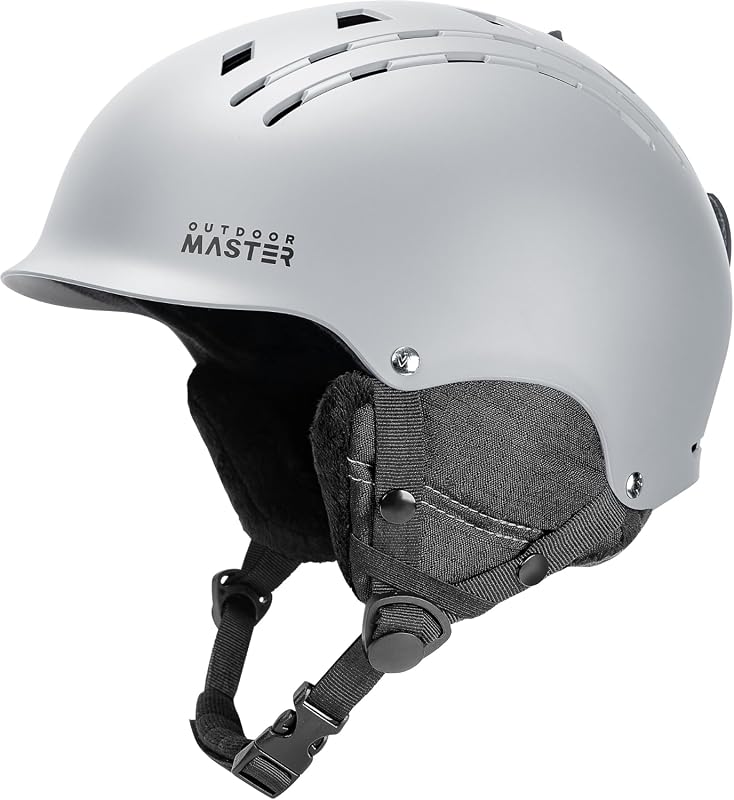 |
OutdoorMaster Takin Ski Helmet | Best overall value with an integrated visor system. | View on Amazon |
 |
Odoland Ski Helmet and Goggles | Best complete set for beginners and casual skiers. | View on Amazon |
 |
OutdoorMaster Kelvin II Ski Helmet | Best budget-friendly option for long days on the slopes. | View on Amazon |
 |
SMITH Descend MIPS Helmet | Best for high-performance impact protection. | View on Amazon |
 |
OutdoorMaster ELK MIPS Helmet | Best for advanced MIPS-rated safety. | View on Amazon |
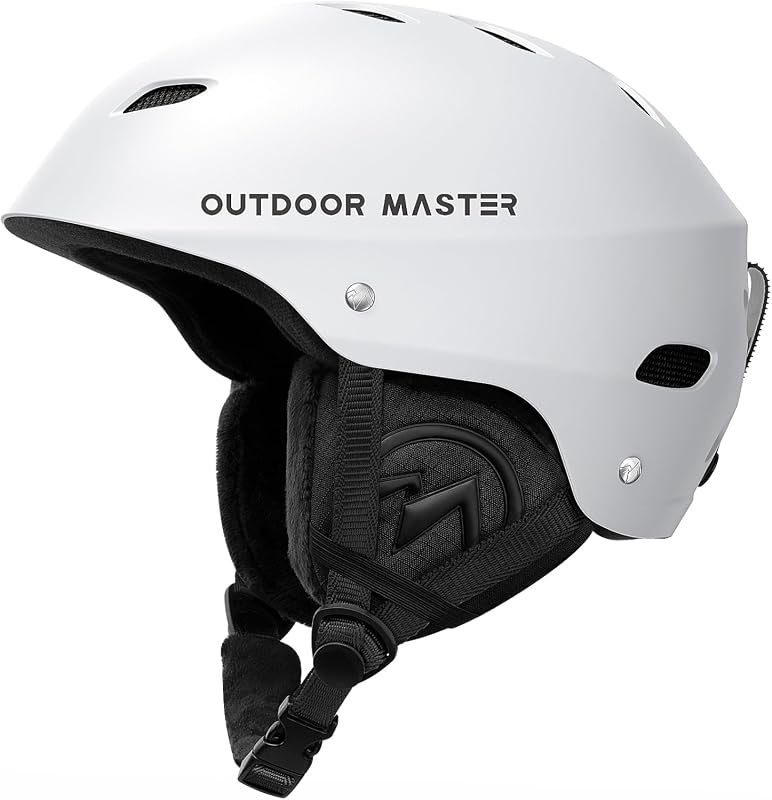 |
OutdoorMaster Kelvin Ski Helmet | Best lightweight and customizable fit. | View on Amazon |
Our Top 6 Best Ski Helmets Reviews – Expert Tested & Recommended
1. OutdoorMaster Takin Ski Helmet
The OutdoorMaster Takin is a standout for anyone looking for convenience and safety in one package. It features a high-quality integrated visor that eliminates the need to carry separate goggles while providing excellent field of vision.
Key Features That Stand Out
- ✓ Integrated visor for a seamless, fog-free experience
- ✓ Reinforced ABS shell with high-impact EPS foam
- ✓ Adjustable dial fit system for a custom feel
- ✓ 10-vent climate control to manage airflow
Why We Recommend It
This helmet is perfect for those who want a simplified gear setup without sacrificing protection. The durable construction feels incredibly secure, and the adjustable vents make it easy to adapt to changing mountain conditions.
Best For
Skiers and snowboarders who wear glasses or prefer the convenience of an all-in-one visor system.
Pros and Cons at a Glance
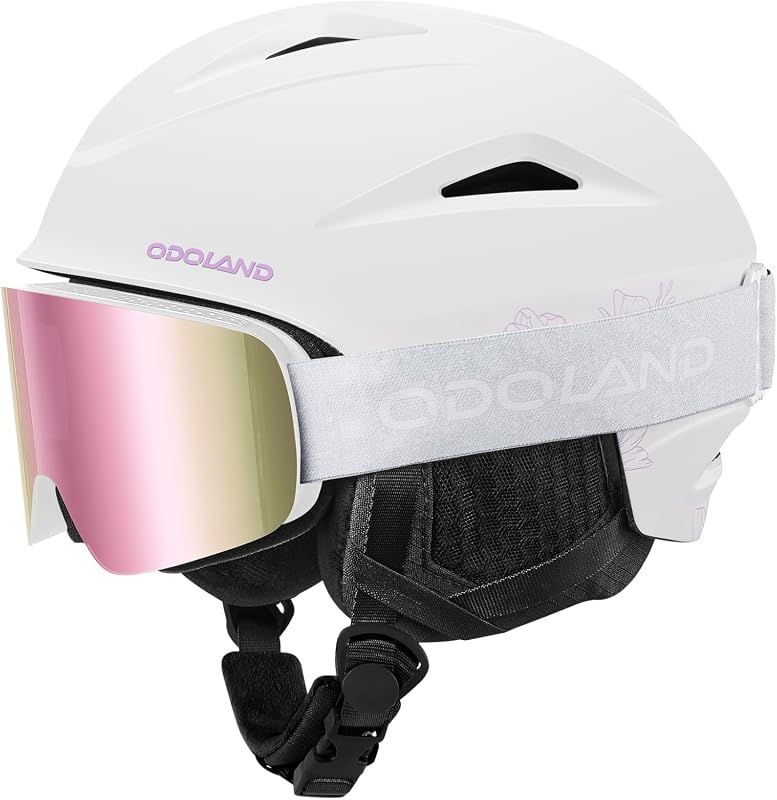
2. Odoland Ski Helmet and Goggles
The Odoland set is an excellent value-packed choice. By bundling the helmet and goggles together, it removes the headache of ensuring compatibility, making it a perfect starting point for new skiers.
Key Features That Stand Out
- ✓ Complete matching set (Helmet + Goggles)
- ✓ Audio compatible design for easy music listening
- ✓ Detachable lining and earmuffs for easy washing
- ✓ Shockproof and penetration-resistant construction
Why We Recommend It
We love this set because it takes the guesswork out of gear shopping. The materials feel premium, and the internal padding is soft and comfortable enough for all-day wear on the slopes.
Best For
Youth and adult beginners who want a reliable, ready-to-use set at an accessible price point.
Pros and Cons at a Glance
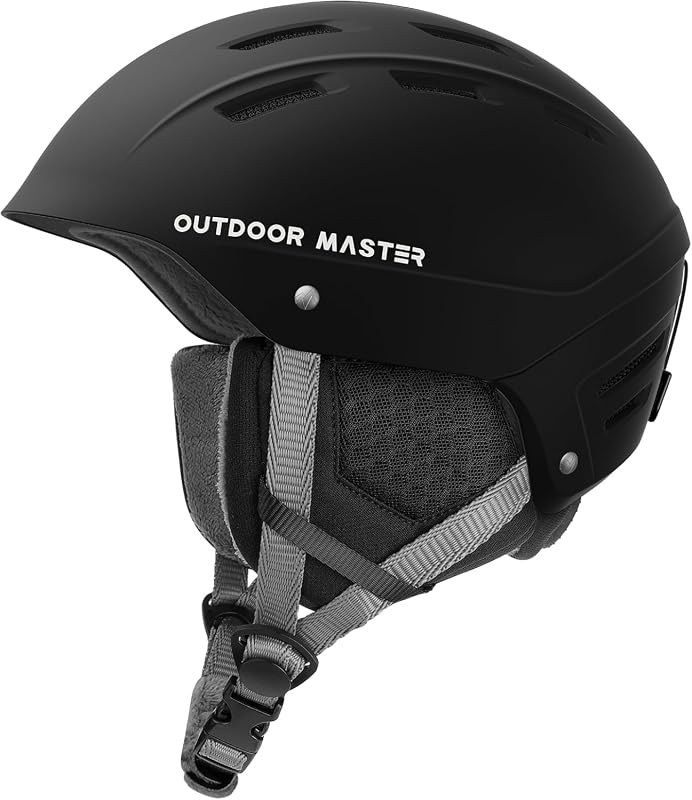
3. OutdoorMaster Kelvin II Ski Helmet
If you are looking for a reliable helmet that does not break the bank, the Kelvin II is a fantastic contender. It offers surprisingly advanced features like 14-vent airflow and a lightweight, durable ABS shell.
Key Features That Stand Out
- ✓ 14 strategic air vents for optimized airflow
- ✓ Lightweight construction for reduced neck fatigue
- ✓ Seamless integration with most popular goggle brands
- ✓ Tough ABS outer shell for long-term durability
Why We Recommend It
The Kelvin II performs like a high-end helmet at a fraction of the cost. Its breathability is excellent, which is vital for keeping cool during strenuous runs or sunny spring days on the hill.
Best For
Budget-conscious skiers who want reliable daily performance and solid safety features.
Pros and Cons at a Glance
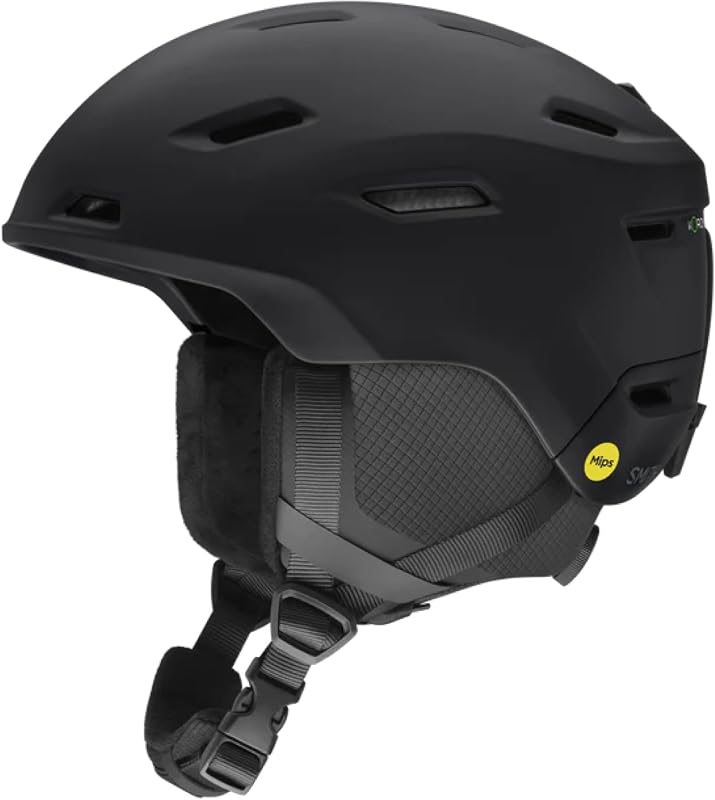
4. SMITH Descend MIPS Helmet
The Smith Descend MIPS is designed for those who prioritize safety above all else. Its MIPS technology is the gold standard for reducing rotational forces during an impact, providing peace of mind on technical terrain.
Key Features That Stand Out
- ✓ MIPS impact protection system included
- ✓ 16-vent dual regulator climate control
- ✓ AirEvac system for goggle fog prevention
- ✓ Lightweight in-mold construction
Why We Recommend It
The Smith Descend is incredibly well-engineered. The climate control system is intuitive, and the overall fit feels secure and professional, making it a favorite for aggressive riders.
Best For
Advanced skiers and freeriders who need the highest level of protection available.
Pros and Cons at a Glance
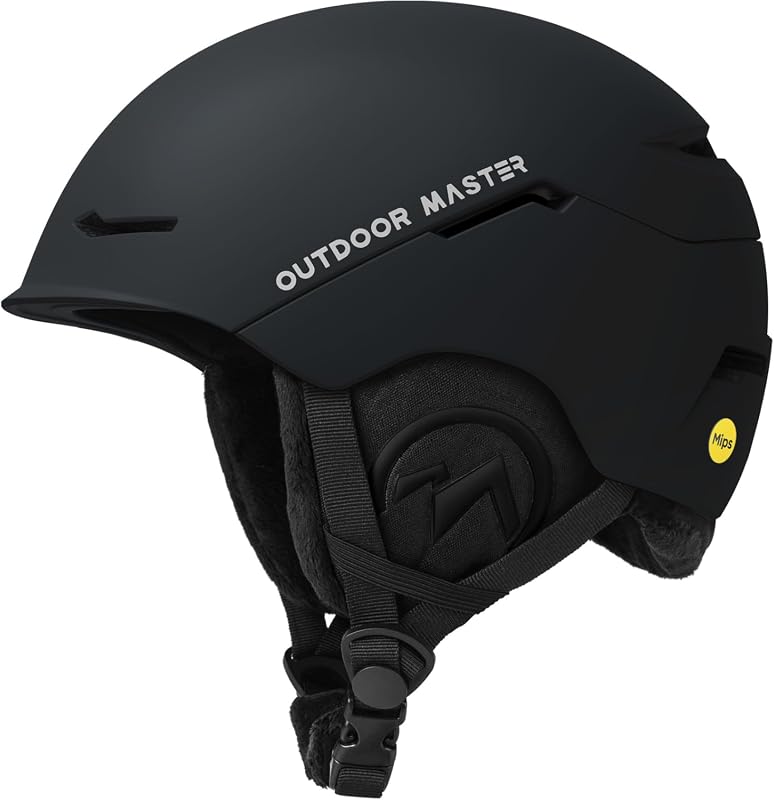
5. OutdoorMaster ELK MIPS Helmet
The ELK MIPS by OutdoorMaster brings high-end safety features to a more affordable category. It is a fantastic option for those who want that extra layer of MIPS protection without the premium price tag.
Key Features That Stand Out
- ✓ MIPS Multi-directional Impact Protection
- ✓ Reinforced PC shell with EPS foam core
- ✓ Removable liners and ear pads
- ✓ Easy-to-use ventilation vents
Why We Recommend It
The build quality is impressive, and having MIPS at this price is a massive win. It’s warm, safe, and fits comfortably, making it an easy recommendation for any level of skier.
Best For
Serious mountain riders looking for high-end protection on a sensible budget.
Pros and Cons at a Glance
6. OutdoorMaster Kelvin Ski Helmet
The Kelvin model is a tried and true classic. It offers a lightweight, highly customizable fit that has made it a favorite among casual skiers for years.
Key Features That Stand Out
- ✓ Massive range of 22 different color options
- ✓ Adjustable fit dial for custom sizing
- ✓ Removable fleece-lined ear pads for easy cleaning
- ✓ Durable shock-absorbing EPS core
Why We Recommend It
It is hard to go wrong with the Kelvin. It’s lightweight, looks great in a variety of styles, and the inner fleece liner is impressively soft against the skin, even after hours of use.
Best For
Anyone who wants a classic, reliable, and aesthetically pleasing helmet that won’t break the bank.
Pros and Cons at a Glance
Complete Buying Guide for Best Ski Helmets
Essential Factors We Consider
When shopping for the best ski helmets, always check the safety certifications like ASTM F2040. Look for ventilation options that allow you to adjust airflow based on your activity level, and ensure the fit system allows for a snug, non-wobbling position on your head. Compatibility with your current goggles is also vital to avoid cold gaps on your forehead.
Budget Planning
You do not need to spend a fortune to be safe. Most entry-level to mid-range helmets offer excellent protection that meets all necessary standards. However, if you are looking for advanced features like MIPS protection, lightweight carbon fiber, or integrated audio, you should expect to pay a bit more for that extra comfort and technology.
Final Thoughts
Ultimately, the best helmet is the one that you actually enjoy wearing. Comfort, ventilation, and fit will determine how often you reach for it. Whatever you choose, make sure it feels secure, is comfortable for long days on the mountain, and provides the protection you need for your level of riding.
Frequently Asked Questions
Q: How do I know if my ski helmet fits correctly?
A: A proper helmet should feel snug but not painful. When you shake your head, the helmet should not move independently. Ensure the front sits low enough to protect your forehead, just above your eyebrows, without pushing your goggles down.
Q: Can I use a bicycle helmet for skiing?
A: No. Ski helmets are specifically designed to withstand impacts in freezing temperatures and are built to accommodate goggles and provide ear protection. A bicycle helmet does not offer the same level of cold-weather protection or impact resistance for snow sports.
Q: Should I replace my helmet after a crash?
A: Yes. Helmets are designed for one-time impact protection. Even if there are no visible cracks on the outer shell, the internal EPS foam may have compressed or sustained damage that makes it ineffective for future impacts.

Olivia
Writer at Helmet Today, covering helmet reviews, fit and riding safety.