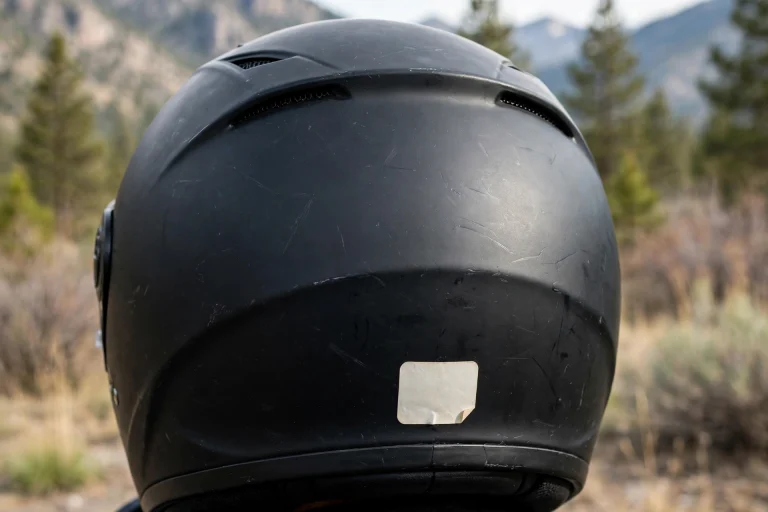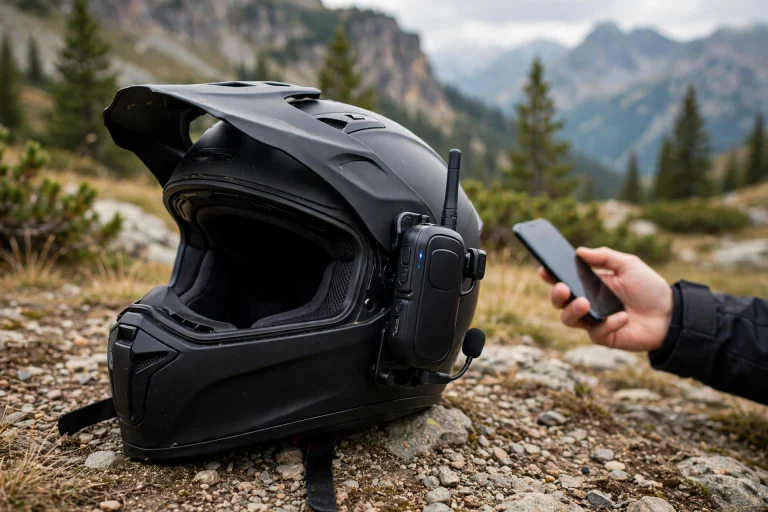
In general terms, aero helmets do run warmer than heavily vented road helmets, but most riders will not truly overheat in one — they will feel hotter, sweat more, and notice the difference most on slow climbs and in still, humid air, rather than at speed. Whether that warmth matters depends on how and where you ride.
Aero helmets promise speed: a smooth, closed shape that slips through the air with less drag. The trade-off is obvious the moment you look at one — fewer and smaller vents than a traditional climbing helmet. For a rider eyeing a summer of fast riding, the question is whether that trade-off turns into genuine overheating or just a warmer head.
Why Do Aero Helmets Feel Hotter?
Aero helmets feel hotter because they move less air across the head. A vented road helmet works like a scoop: large front vents channel air in, and rear exhausts pull it through, carrying heat and sweat away. An aero helmet closes off much of that airflow to keep the shape smooth, so heat builds up inside the shell instead of being carried off.
At speed, the difference shrinks. Fast-moving air still finds its way through an aero helmet’s vents and over its surface, and the cooling effect of speed is powerful. That is why time trial riders and racers can wear aero helmets in warm conditions without disaster — they are usually moving quickly, and their efforts are relatively short.
The problem arrives when speed drops. On a long, steep climb at low speed, or stopped at traffic lights, there is little airflow to remove heat. That is when an aero helmet feels noticeably warmer than a vented helmet, and when sweat starts pooling instead of evaporating. The helmet has not changed — the cooling airflow has gone.
Do Aero Helmets Actually Overheat in Summer?
For most riders, the honest answer is that they feel hot rather than dangerously overheating. Overheating of the rider — heat exhaustion or heatstroke — is driven by overall exertion, hydration, and ambient temperature far more than by helmet choice alone. A helmet can add discomfort, but it is rarely the sole cause of a heat problem.
Still, discomfort matters. A hot head affects concentration, increases perceived effort, and can tempt a rider to loosen straps or remove the helmet at stops. In very hot, humid conditions, especially for riders who are not acclimatised, that discomfort can contribute to a miserable ride and poorer decisions. Taking heat seriously means considering the helmet as one factor among several.
Some riders are more affected than others. Riders who sweat heavily, ride long climbs in summer, or live in humid climates will notice the warmth most. Riders in cooler climates, or those who ride mostly flat and fast, may barely notice a difference. Your local conditions and riding style decide how much the aero penalty matters to you.

How Can You Stay Cool in an Aero Helmet?
Choose an aero helmet with real ventilation, not just an aero shape. Modern aero helmets vary widely: some have generous internal channelling that moves air even with small vents, while older or cheaper aero designs are closer to a sealed shell. Reviews and hands-on checks of vent size and internal airflow are worth more than marketing claims.
Manage sweat and hair. A thin, moisture-wicking skull cap or headband keeps sweat out of your eyes and helps evaporation, and it also keeps sunscreen and hair products off the helmet pads. Wetting your head and helmet at water stops can help too, since evaporation from a wet helmet cools the head as you ride.
Plan around the heat. On the hottest days, save the aero helmet for flatter, faster rides and use a vented helmet for long climbs. Drink before you feel thirsty, and take shade breaks on climbs when you can. These habits matter more than any helmet feature, but they pair well with a helmet choice that suits the day.
When Is an Aero Helmet the Wrong Choice?
An aero helmet is the wrong choice for slow, hilly summer riding in hot climates. If your typical ride is long climbs at low speed in heat and humidity, a vented helmet will keep you noticeably more comfortable, and the small aerodynamic gain of an aero helmet is worth little when you are crawling uphill.
It is also the wrong choice for riders who struggle with heat. If you have a medical condition affected by heat, or you know from experience that you overheat easily, comfort and cooling should outrank aerodynamics. The fastest helmet is the one you can ride hard in without your head becoming a distraction.
Long summer events deserve a thought too. In a multi-hour ride or race in heat, the cumulative effect of a warmer helmet grows over time. Many experienced riders switch to their most ventilated helmet for summer events, keeping the aero helmet for cooler days, shorter efforts, or flat courses where speed stays high.
How Do You Choose Between Aero and Vented?
Match the helmet to the ride, not to the marketing. If most of your riding is fast, flat, and in moderate temperatures, an aero helmet’s warmth penalty is small and its speed gain is real. If most of your riding is hilly, slow, or in summer heat, a vented helmet is the better everyday choice.
Consider owning both if you ride a lot. Many regular cyclists keep a vented helmet for summer climbing and an aero helmet for racing and fast days, switching with the conditions. That sounds extravagant, but helmets last for years, and the right helmet for the day is worth more than one helmet that is a compromise everywhere.
Whatever you choose, the basics do not change: the helmet must fit, be certified for cycling, and be replaced after a crash or when it shows wear. Aerodynamics and ventilation are refinements on top of protection, including systems that reduce rotational forces, as explained in this guide to what MIPS means for helmets. The best summer helmet is the one that protects you and that you can comfortably wear for the whole ride.
Frequently Asked Questions
Q: Are aero helmets hotter than normal road helmets?
A: In general terms, yes — aero helmets move less air across the head, so they feel warmer, especially at low speed. At high speed the difference is smaller, since fast-moving air still cools the head.
Q: Can an aero helmet cause heatstroke?
A: Heat illness is driven mainly by exertion, hydration, and ambient temperature, not by helmet choice alone. A hot helmet can add discomfort, but it is rarely the sole cause — drink, rest in shade, and watch for warning signs in heat.
Q: Should I wear an aero helmet for a summer race?
A: It depends on the course and conditions. For flat, fast races in moderate heat, aero helmets are a reasonable choice. For hilly, slow, or very hot races, a well-vented helmet is usually more comfortable and may help you ride better.

Olivia
Writer at Helmet Today, covering helmet reviews, fit and riding safety.