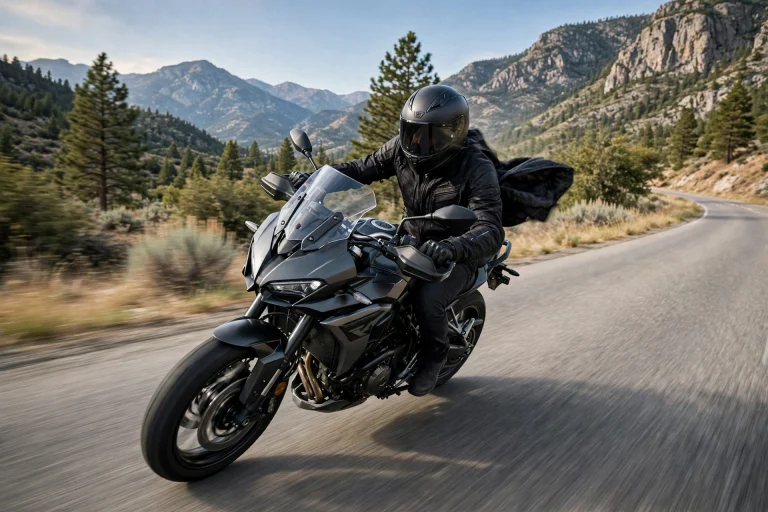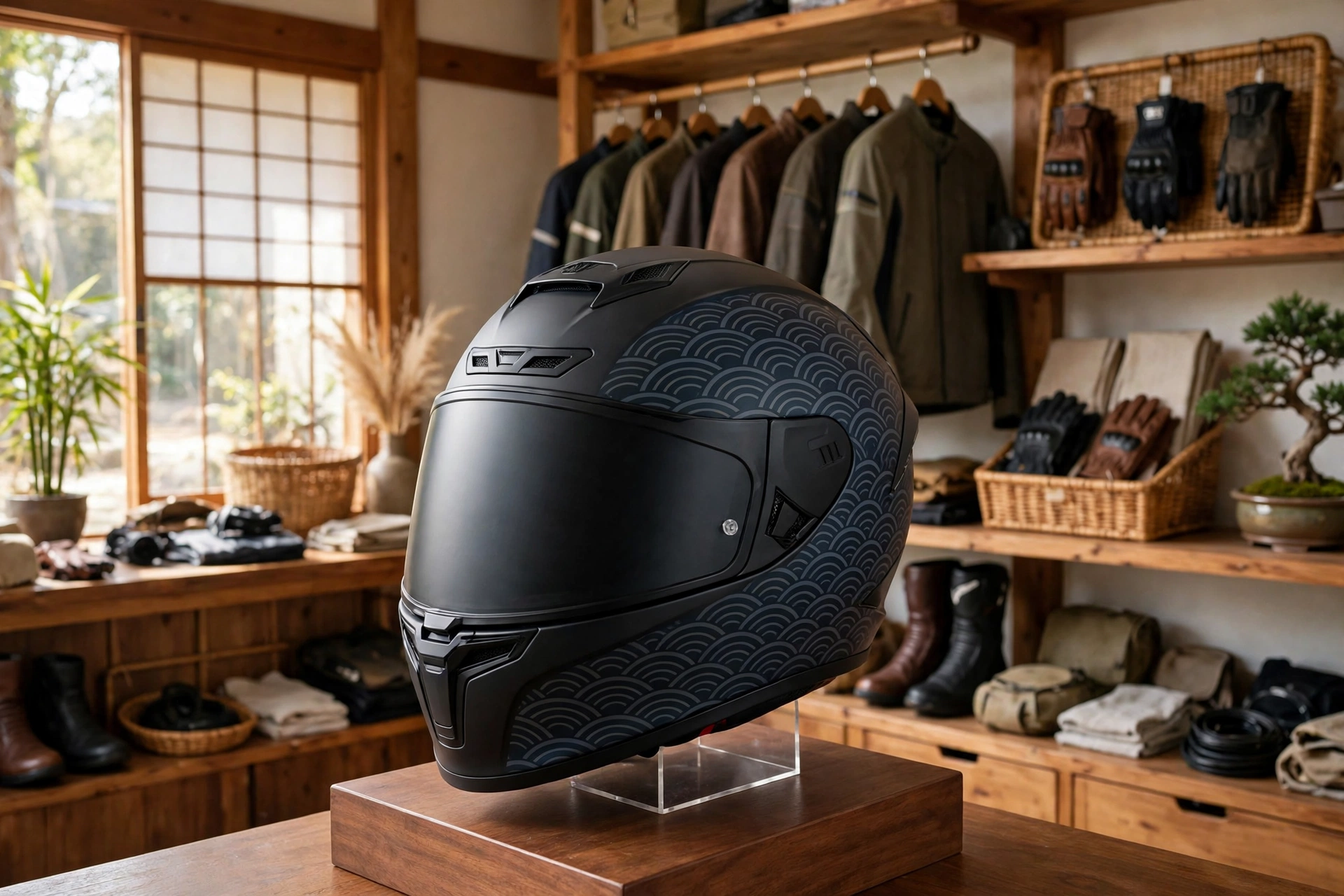
Yes — OGK Kabuto helmets are genuinely good, especially for riders who value a light, quiet, well-finished helmet and who get a good fit from one. The Japanese brand builds its reputation on careful shell construction, wind-tunnel-tested aerodynamics, and tidy interior quality rather than flashy marketing. The main catches are fit and availability: sizing is shaped around Japanese head forms, stock outside Asia can be patchy, and certification depends on the market a model was sold for.
What is OGK Kabuto and where does it come from?
OGK Kabuto is a helmet maker based in Osaka, Japan, with roots going back to the middle of the last century. In its home market it is one of the established names alongside the better-known Japanese giants, and it sells a full range: full-face road helmets, sport and race models, open-face city helmets, and commuter helmets. Many riders outside Japan first meet the brand through imported race-style models, which can give the impression it only makes high-end lids; in reality the range is broad, with straightforward everyday helmets as well as premium flagships.
That background matters for expectations. Kabuto is not a budget no-name label or a fashion brand; it is an engineering-led company that spends its effort on shell shape, ventilation, and interior materials. Cross-shop it against European, American, or value-focused brands such as those in our look at whether LS2 helmets are good, and Kabuto usually sits at the more refined, slightly pricier end, particularly once import costs are added outside Japan.
What are OGK Kabuto helmets best known for?
Three things stand out consistently in owner feedback. The first is weight. Many Kabuto models are noticeably light for their category, which reduces neck strain on longer rides and makes the helmet feel less top-heavy at low speed. The second is aerodynamics. The company uses wind-tunnel testing in its development and shapes shells and rear spoilers to cut lift and buffeting, so the helmets tend to feel stable when you turn your head at highway speed rather than being dragged by the wind. The third is finish: paint quality, visor mechanisms, and liner materials usually feel a step above what the same money buys elsewhere in the home market.
Quietness follows from that aerodynamic work. A shell that moves through the air cleanly, with a well-sealed visor and a snug neck roll, generates less turbulence noise. No helmet is silent — wind noise depends heavily on your bike, screen, and riding position — but Kabuto models are generally on the quieter side of average for their type. Ventilation is also taken seriously, with intake and exhaust ports designed to work together, and visor systems deserve a mention: shield changes on many models are tool-free, detents feel positive, and Pinlock-ready shields are offered on a number of road models. None of this is revolutionary; the appeal is that the basics are all executed carefully in the same helmet.
How does the fit run, and who might struggle with it?
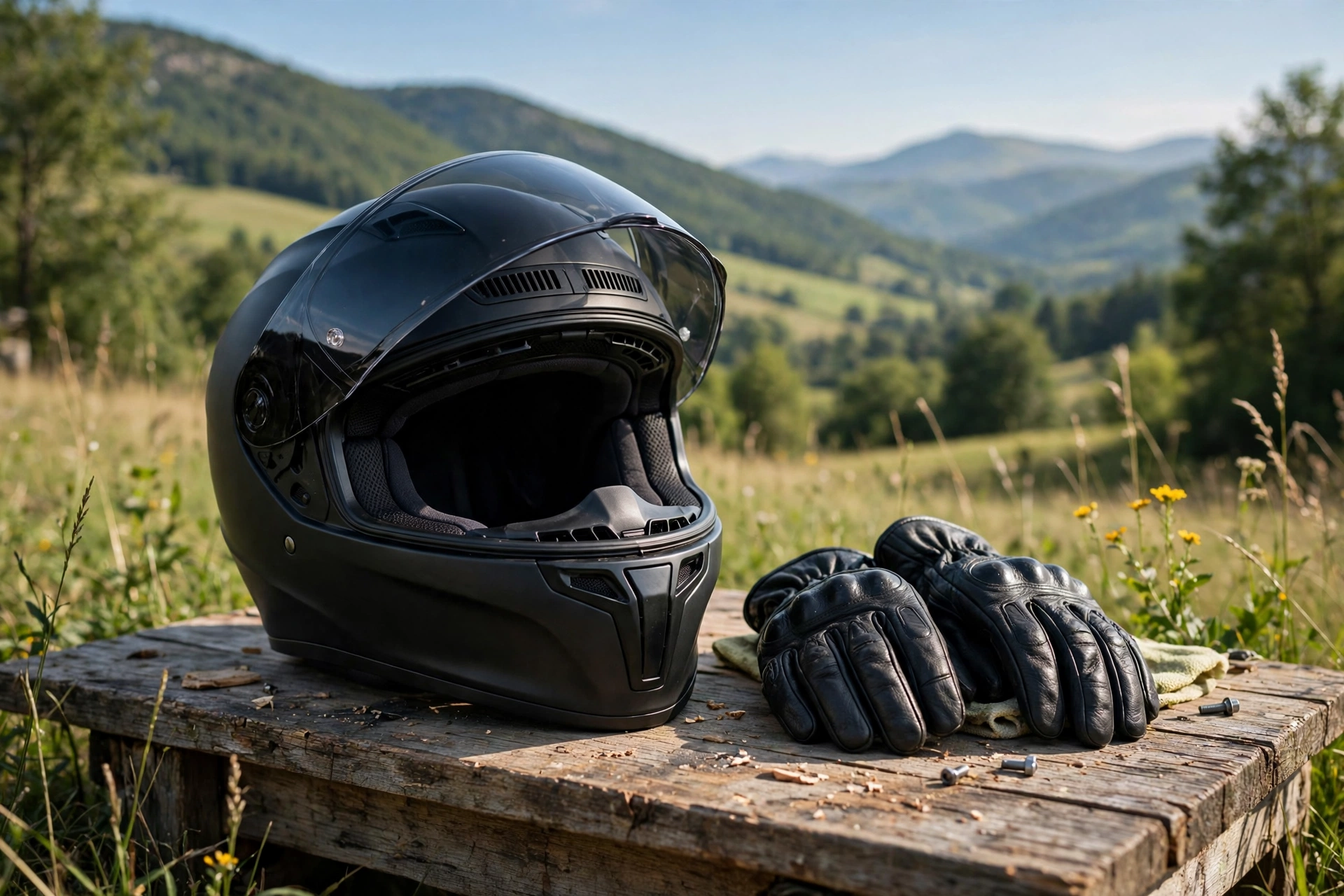
Fit is the most important thing to get right with this brand. Kabuto designs around Japanese head forms, which many riders experience as a slightly rounder, shorter front-to-back shape compared with typical Western-market helmets. If you have a long, narrow head, some models may feel tight at the forehead while loose at the sides. If your head is on the rounder side, a Kabuto may fit you better than brands you have struggled with before.
Practical advice follows from that. Try before you buy whenever possible, wear the helmet for at least fifteen to twenty minutes in the shop, and look for even pressure with no forehead hotspot. Check that cheek pads come in different thicknesses if you are between sizes, because swapping pads is the normal way to fine-tune fit. Size labeling and shell sizes vary by model, so do not assume your usual size in another brand transfers directly.
If you are buying from overseas without trying on, measure your head circumference carefully, follow the brand’s size chart for that specific model, and buy from a seller with a workable returns policy. A helmet that almost fits is one you will not enjoy wearing, and no build quality compensates for the wrong shape.
Are OGK Kabuto helmets safe and properly certified?
Kabuto helmets sold through official channels meet the standards of the markets they are sold in. In Japan that means the domestic SG/JIS standards; models officially exported to Europe carry ECE approval, and US riders should look for the DOT certification required for legal road use there. The critical point is that certification belongs to the specific model and market version, not the brand as a whole. A personal import from Japan may be perfectly well made but may not carry the label your country requires for legal road use or that an insurer expects after a crash.
So the buying rule is simple: purchase the version officially sold in your market, confirm the certification label on the helmet itself, and be wary of unusually cheap imports with unclear paperwork. Construction quality is not the concern here — legal compliance and traceability are. If in doubt, ask the seller which standard the exact unit carries before paying.
What are the downsides to know before buying?
Availability is the biggest one outside Asia. Dealer networks in North America and Europe are thinner than for the major Western brands, which affects everything from trying helmets on to buying replacement visors and pads later. Check spare-part availability for the model you want before committing; a helmet you cannot refresh with new pads loses value quickly. Pricing can also shift with import costs, so a model that is good value in Japan may not undercut rivals by the time it reaches you.
There are smaller trade-offs too. The rounder internal shape will simply not suit some riders. Vent controls and visor tabs can feel small on some city models. And because the brand is less common in Western markets, owner communities and how-to information in English are thinner than for bigger-selling names — not a dealbreaker, but worth knowing.
Who are OGK Kabuto helmets best for?
They suit riders who prioritize low weight, quiet airflow, and finish quality, and who get on with the rounder internal fit — daily commuters, touring riders spending hours in the saddle, and sport riders who notice buffeting. They make less sense if your head is notably long and narrow and you cannot try one on, if you need guaranteed next-day spares locally, or if you shop strictly on lowest price, where high-volume brands usually win.
Overall verdict: OGK Kabuto helmets are good — well-made, thoughtfully designed, and often lighter and quieter than rivals at similar money in their home market. Buy the officially certified version for your country, confirm the fit in person if you can, and check parts support first. Do those things and a Kabuto is easy to recommend.
Frequently Asked Questions
Are OGK Kabuto helmets worth the money?
For riders they fit, yes. You are paying for light weight, careful aerodynamics, and good finish rather than a famous badge. Imported pricing varies, so compare total cost locally.
Do OGK Kabuto helmets run small?
They tend to fit rounder head shapes and can feel snug front-to-back on long, narrow heads. Follow the size chart for the specific model and try one on if possible.
Can I legally ride in the US or Europe with a Japanese-market Kabuto?
Only if that exact helmet carries the certification required where you ride — DOT in the US or ECE in Europe. A Japan-only version may lack the label, so buy the official market version.

Olivia
Writer at Helmet Today, covering helmet reviews, fit and riding safety.