Helmet Materials & Construction
6 min read
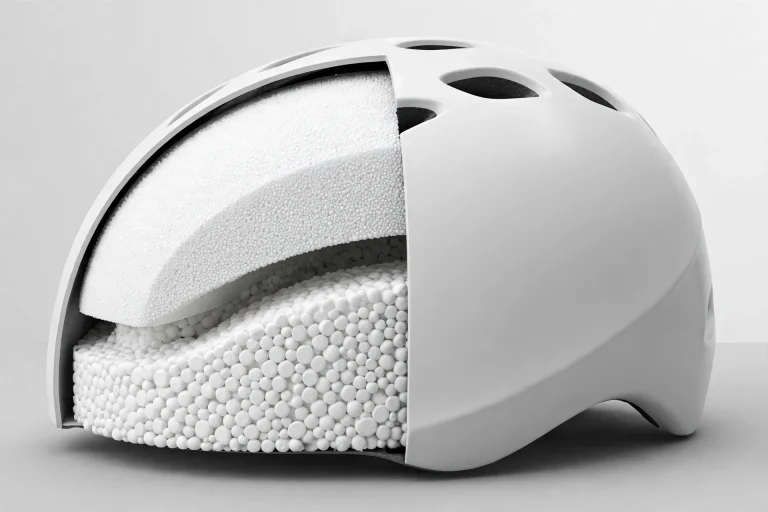
Dual-density EPS is a helmet liner made from expanded polystyrene in two different firmness levels, arranged so the softer foam handles light…
Helmet Materials & Construction
6 min read
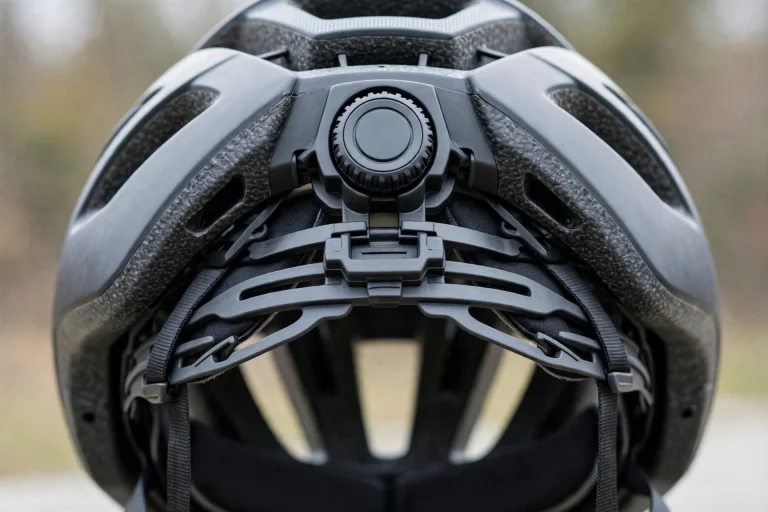
A helmet’s retention system is the set of parts that holds the helmet on your head: the chin strap, the buckle, the…
Helmet Materials & Construction
6 min read
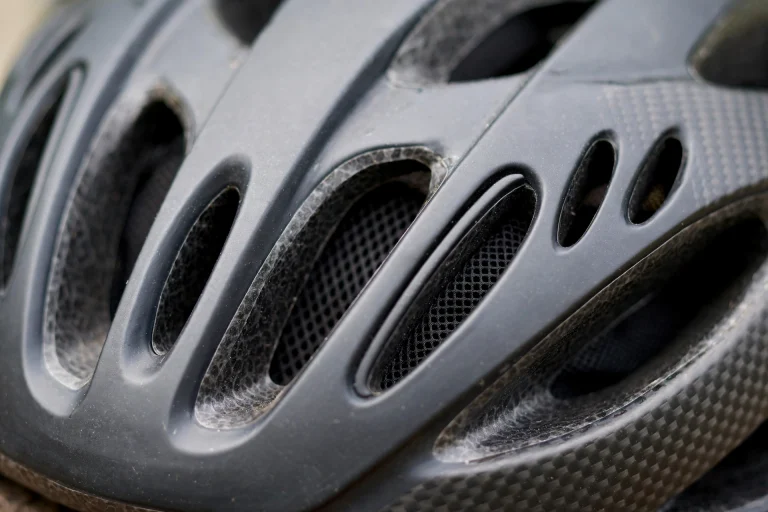
Helmet vents are designed without weakening the shell by placing the openings where the shell is least loaded, reinforcing the edges around…

Helmet Materials & Construction
6 min read
The three main buckle types on helmets are the micrometric buckle, the D-ring, and the magnetic buckle, and they differ in how…
Helmet Materials & Construction
6 min read
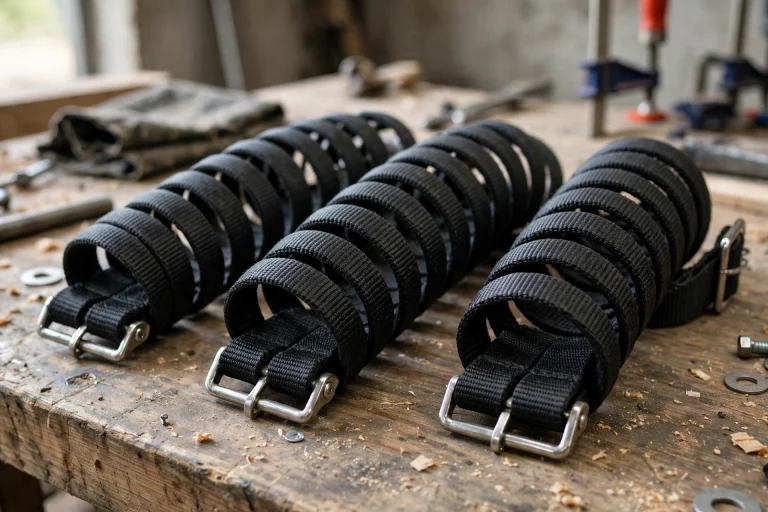
Helmet straps are usually made from nylon webbing, but other materials such as polyester, polypropylene and, in some work helmets, cotton blends…
Helmet Materials & Construction
6 min read
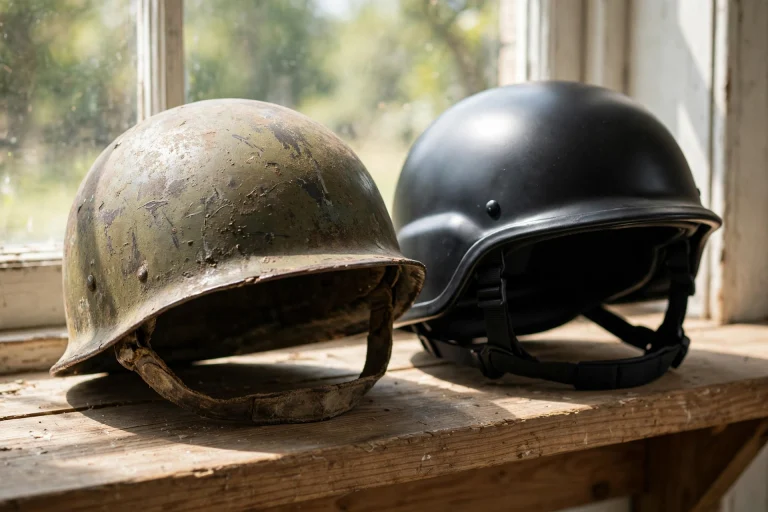
Helmet shells can weaken with UV exposure over time, in general terms, because the ultraviolet light in sunlight can slowly break down…
Helmet Materials & Construction
6 min read
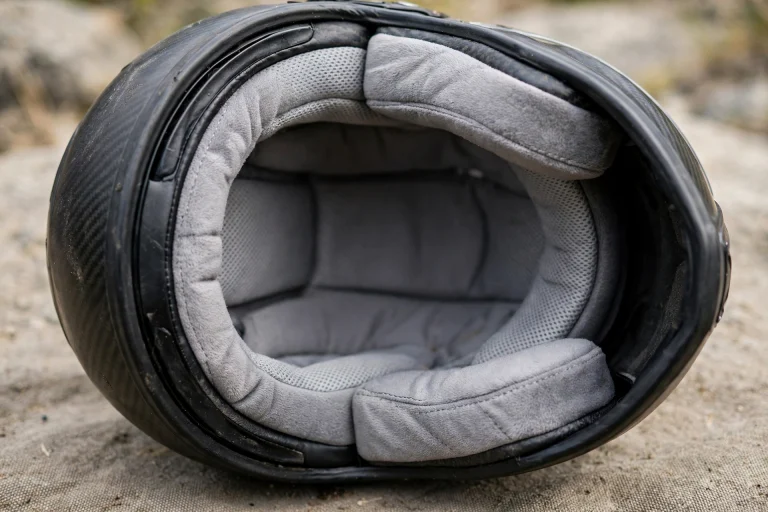
A helmet’s comfort liner is usually made from soft, breathable fabrics over a thin layer of foam, and its job is to…
Helmet Materials & Construction
6 min read
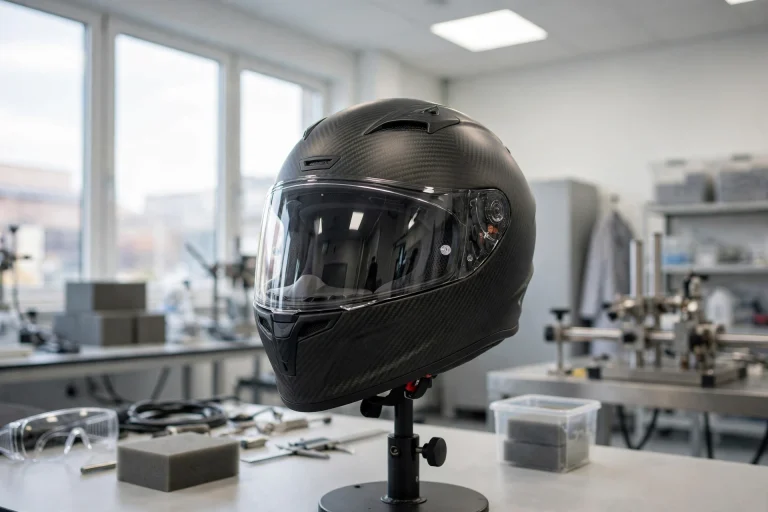
Helmet shells are tested before sale by being put through a series of controlled impact, penetration and strap-strength checks in a laboratory,…
Helmet Materials & Construction
6 min read
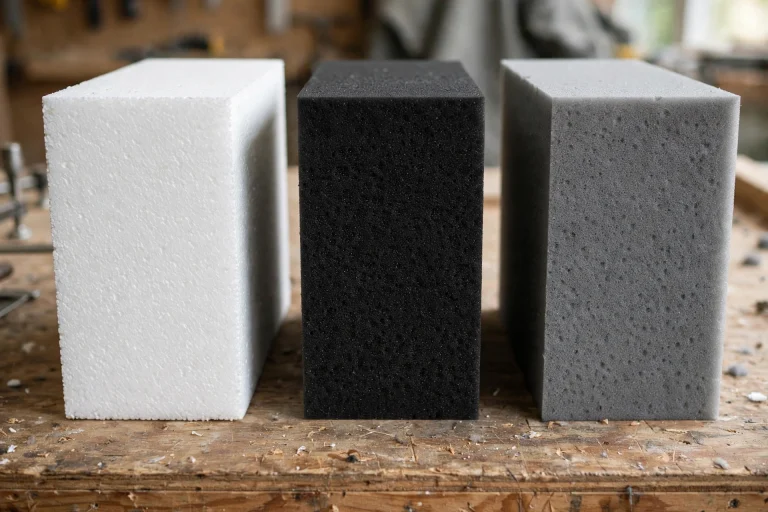
EPS, EPP and EPO are the three main foam materials used in helmet liners, and they differ in how they handle impacts:…