We may earn a commission when you buy through links on this page, at no extra cost to you. Learn more
A climbing helmet plays an important role in protecting your head from falling rocks, ice, equipment, and accidental impacts. It can also provide extra protection if you fall and hit your head against the rock or other surfaces. A good helmet should feel secure without becoming uncomfortable during long climbs.
Different climbing helmets use different shell materials, suspension systems, ventilation layouts, and adjustment mechanisms. Hardshell helmets can offer strong durability, while hybrid and in-mold designs can reduce weight. Large vents can improve airflow during warm-weather climbing, while a simple adjustment system can help you get a secure fit quickly.
Your climbing style should guide your choice. Sport climbing, traditional climbing, mountaineering, ice climbing, and alpine routes can place different demands on a helmet. Check the helmet’s applicable safety certification, size range, weight, fit system, ventilation, headlamp compatibility, and protection design before buying. A properly fitted helmet should sit securely on your head without excessive movement.
This guide covers five of the best climbing helmets. We focus on safety certification, impact protection, weight, fit, adjustment system, ventilation, durability, comfort, headlamp compatibility, coverage, climbing suitability, and overall value. These factors can help you choose a climbing helmet that provides dependable protection while remaining comfortable during long days on the wall or mountain.
5 Best Climbing Helmets
| Image | Title | Best For | Link |
|---|---|---|---|
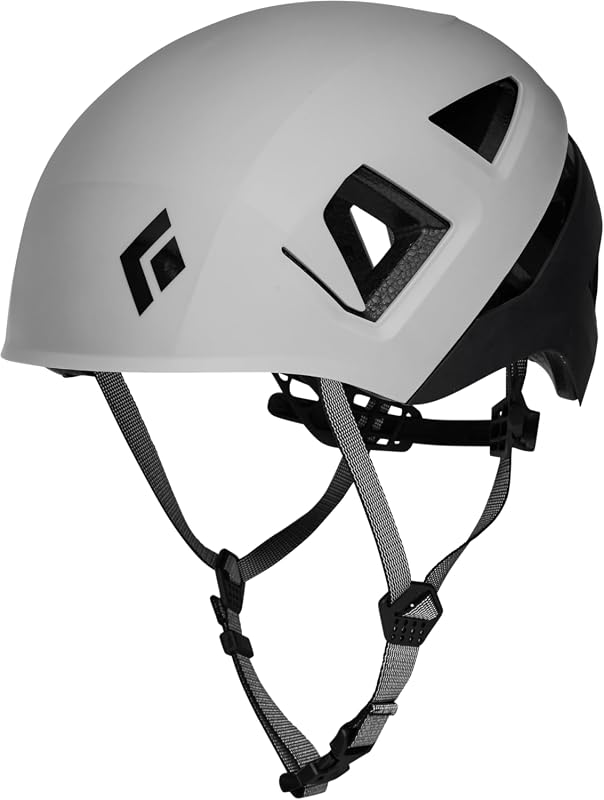 |
Black Diamond Capitan | All-around protection | View on Amazon |
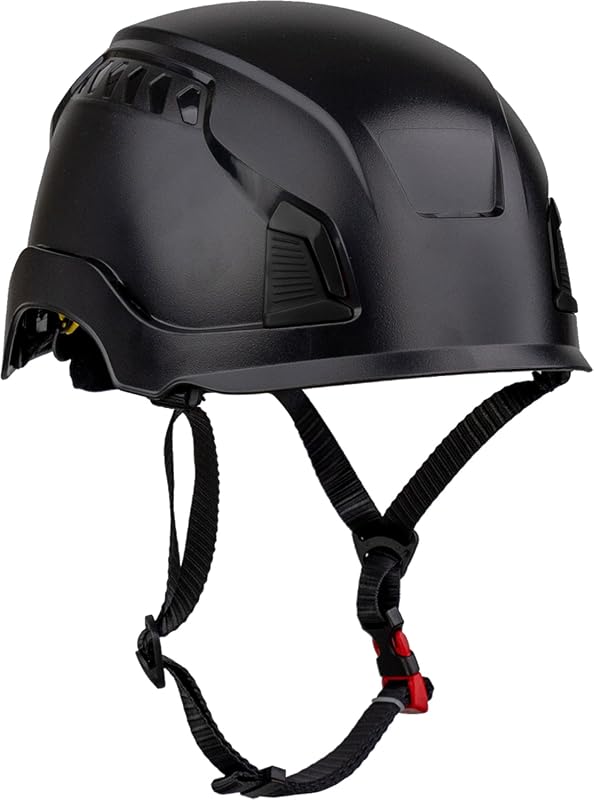 |
PIP Traverse Industrial | High-impact safety | View on Amazon |
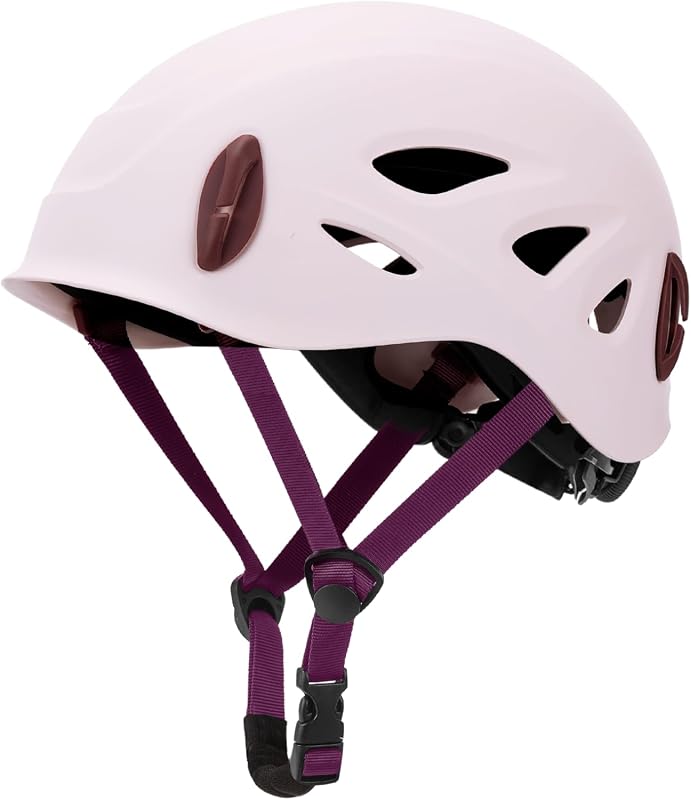 |
OutdoorMaster Adult | Budget-conscious climbers | View on Amazon |
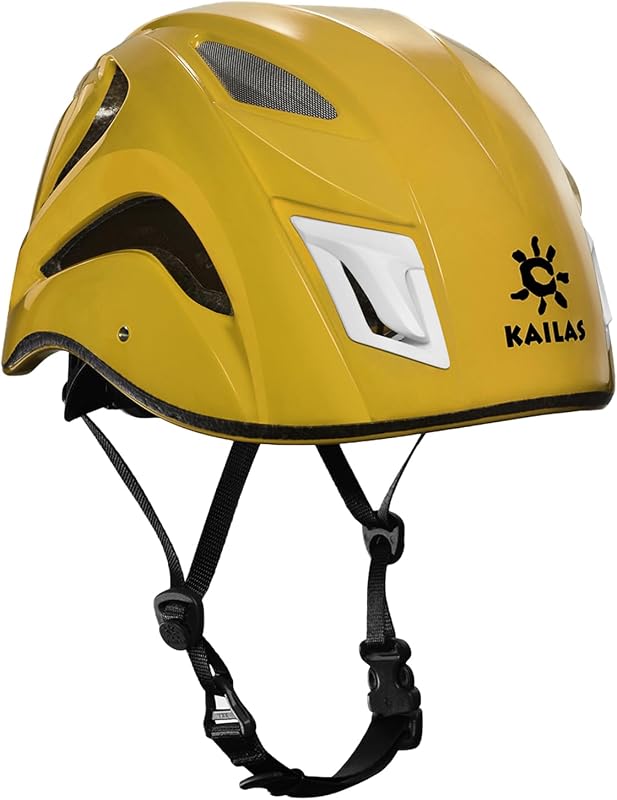 |
KAILAS Selma II | Lightweight performance | View on Amazon |
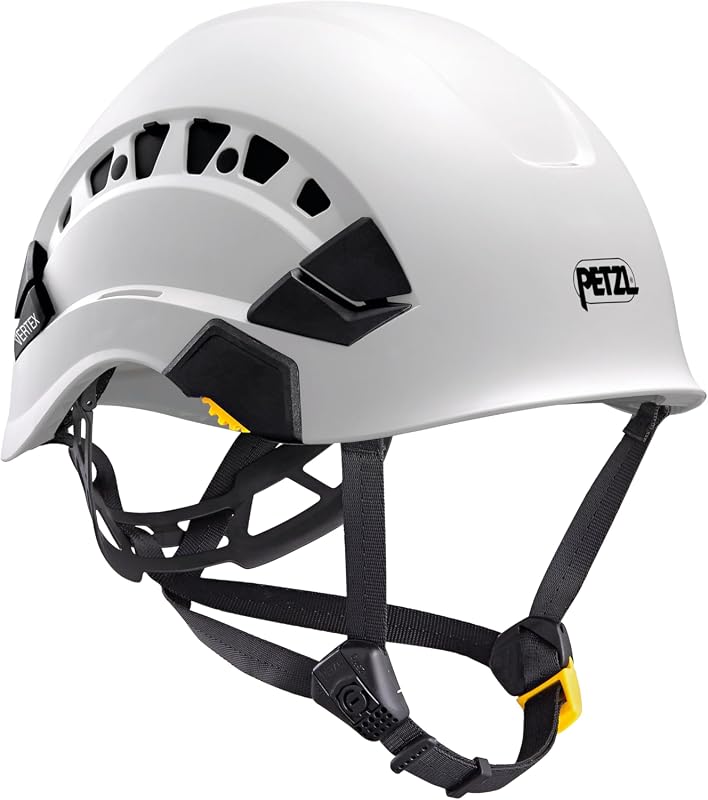 |
Petzl Vertex Vent | Professional/Industrial use | View on Amazon |
Our Top 5 Best Climbing Helmets Reviews – Expert Tested & Recommended
1. Black Diamond Capitan Climbing Helmet
The Black Diamond Capitan is a powerhouse in rock climbing safety. It uses a dual-density foam design to ensure that you are protected against both small bumps and major impacts on all sides of your head.
Key Features That Stand Out
✓ Dual-density foam for superior energy absorption
✓ Extended side and back coverage for maximum protection
✓ Highly adjustable suspension system for a personalized fit
✓ Integrated headlamp clips for low-light conditions
Why We Recommend It
We love the Capitan because it manages to be incredibly robust without feeling like a burden. The suspension system is intuitive, allowing you to dial in the perfect fit quickly, even if you are wearing a hat or head warmer underneath during colder months.
Best For
This is the best climbing helmet for multi-pitch climbers and daily users who want maximum coverage and durability without sacrificing comfort.
Pros and Cons at a Glance
2. PIP Traverse Industrial Climbing Helmet
The PIP Traverse Industrial helmet is an innovative choice that brings MIPS technology into the world of climbing. It is engineered to reduce the rotational forces that can be so dangerous during an angled fall.
Key Features That Stand Out
✓ Advanced MIPS technology for rotational force protection
✓ Durable ABS shell construction for superior toughness
✓ 4-point cross-over chin strap for a secure fit
✓ Quick-release buckle system for convenience
Why We Recommend It
If safety is your absolute priority, this helmet is a clear winner. The inclusion of MIPS technology is a significant step up in helmet safety, and the fit is incredibly secure, giving you confidence as you push your limits on the wall.
Best For
Climbers who prioritize advanced safety features and high-impact protection in a durable package.
Pros and Cons at a Glance
3. OutdoorMaster Adult Climbing Helmet
The OutdoorMaster Adult Climbing Helmet proves that you don’t need to break the bank to get reliable safety gear. It offers a perfect entry point for beginners who need a versatile helmet for various outdoor activities.
Key Features That Stand Out
✓ Rugged ABS shell combined with an EPS foam core
✓ Adjustable dial for a quick and snug fit
✓ 10 ventilation ports for maximum airflow
✓ Lightweight enough for all-day adventures
Why We Recommend It
This is easily the best value pick. It covers all the essential bases—protection, adjustment, and ventilation—at a price that makes it accessible for anyone just starting their climbing journey.
Best For
New climbers, students, or those who need a versatile helmet for occasional climbing, caving, or mountaineering.
Pros and Cons at a Glance
4. KAILAS Selma II Climbing Helmet
The KAILAS Selma II is all about lightweight performance. If you are aiming for high-intensity routes where weight is everything, this helmet provides top-tier protection without weighing you down.
Key Features That Stand Out
✓ UIAA-certified safety standards
✓ Large rear adjustment knob for one-handed operation
✓ Curved visor for improved peripheral vision
✓ Integrated headlamp clips for versatile use
Why We Recommend It
The adjustment system is a real highlight—you can easily dial it in with gloves on. The added vision advantage from the curved visor makes a noticeable difference when you’re looking for your next foothold.
Best For
Performance climbers and alpinists who want a lightweight, reliable helmet for fast-paced climbing.
Pros and Cons at a Glance
5. Petzl Vertex Vent Safety Helmet
The Petzl Vertex Vent is the gold standard for professionals. While often used for work-at-height, its incredible ventilation and comfort features make it a favorite for long, hot cragging days where comfort is king.
Key Features That Stand Out
✓ Adjustable ventilation with sliding shutters
✓ Dual-strength chin strap system
✓ 6-point textile suspension for a perfect fit
✓ Integrated FLIP&FIT headband system
Why We Recommend It
The ability to adjust your ventilation on the fly is a game-changer. Whether you’re in the sun or in a shady chimney, you can control the airflow with ease.
Best For
Professional use or recreational climbers who value maximum comfort and adjustable ventilation above all else.
Pros and Cons at a Glance
Complete Buying Guide for Best Climbing Helmets
Essential Factors We Consider
When selecting the best climbing helmet, look for a balance between weight, ventilation, and impact protection. A helmet that is too heavy will cause neck fatigue, while one without enough vents will make you miserable on hot days. Always check that the helmet meets UIAA or CE safety standards for mountaineering.
Budget Planning
You can find solid, safe options at a lower price point, but spending a bit more usually gets you advanced materials like MIPS, lower weight, and more refined adjustment systems. Decide how often you climb and whether you need features like adjustable vents or multi-impact foam.
Final Thoughts
Your helmet is a critical piece of gear. Don’t compromise on your safety by choosing based on looks alone. Take the time to ensure the fit is snug and comfortable, as a helmet you don’t like wearing is a helmet that stays in your bag.
Frequently Asked Questions
Q: How often should I replace my climbing helmet?
A: Most manufacturers recommend replacing your helmet every 5 to 10 years depending on use, or immediately after any significant impact, even if there is no visible damage.
Q: Are all climbing helmets rated for the same types of impact?
A: No. Look for UIAA or EN 12492 certifications, which specify that the helmet has been tested for both crown and side impacts.
Q: Can I use a bicycle helmet for climbing?
A: No. Climbing helmets are designed to protect against falling debris and side impacts specific to climbing; bicycle helmets are not rated for these specific hazards.

Olivia
Writer at Helmet Today, covering helmet reviews, fit and riding safety.