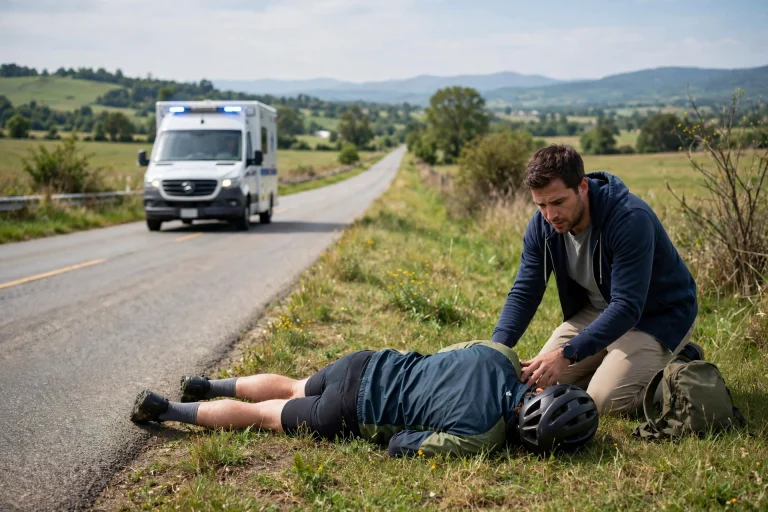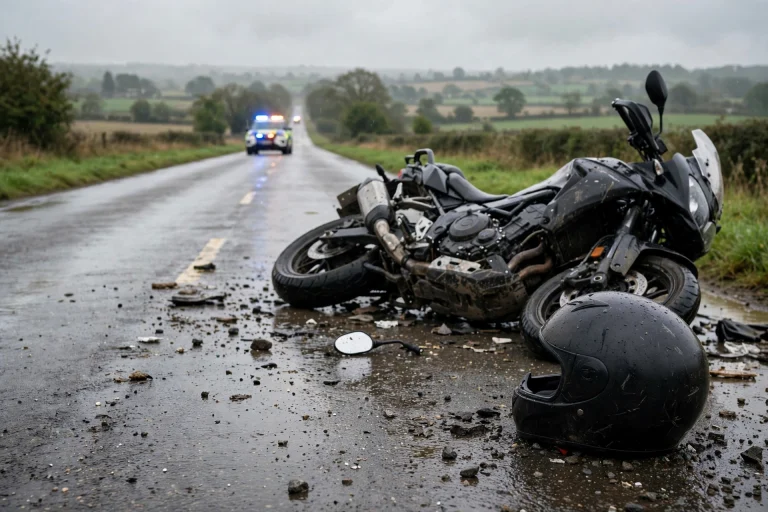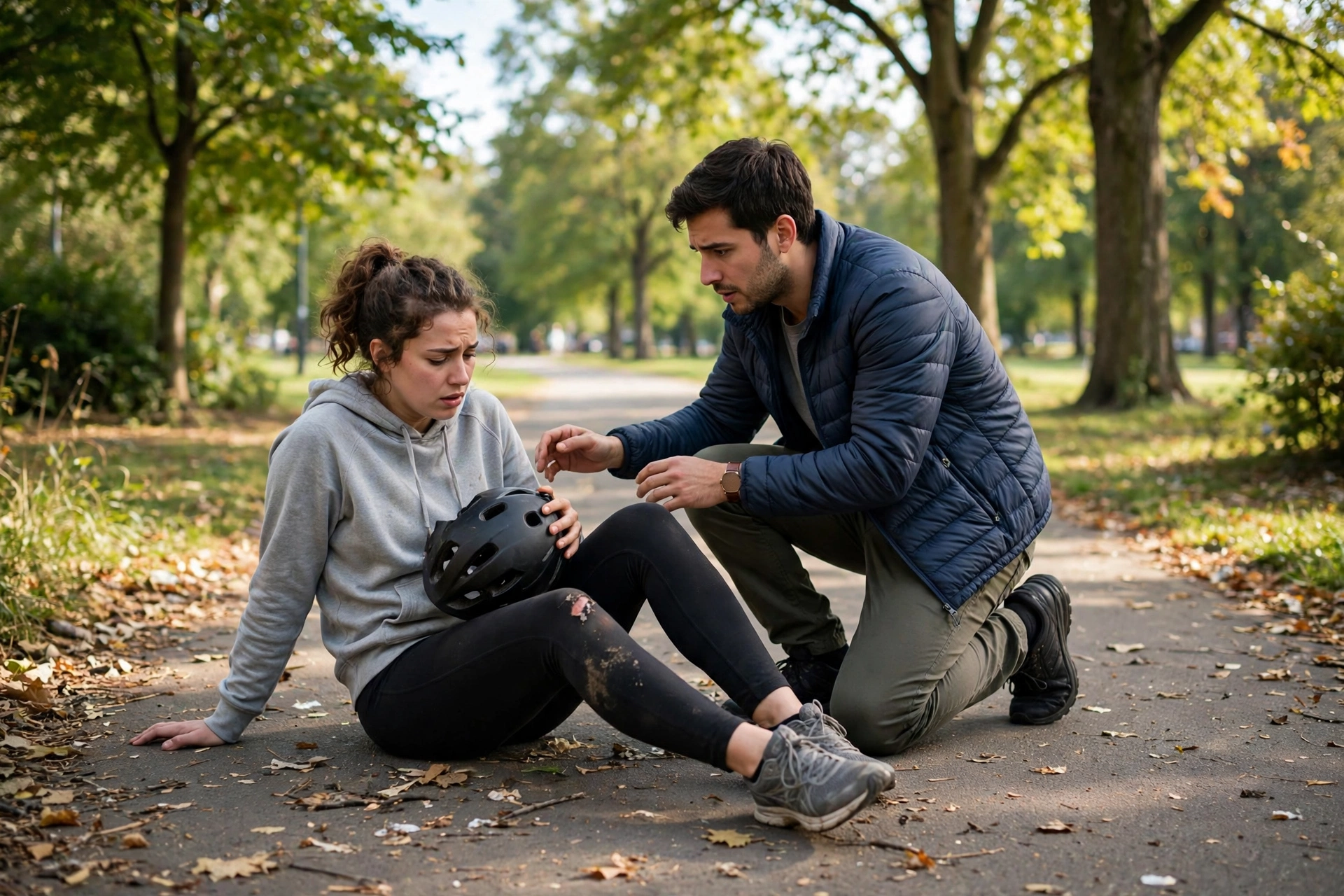
In general terms, checking for concussion after a helmet impact means watching for warning signs such as confusion, headache, dizziness, nausea, memory loss, or a change in behaviour, and seeking medical help promptly if any appear. A helmet can reduce the force of an impact, but it cannot guarantee that no concussion has happened, so anyone who has had a hard knock to the head should be checked by a medical professional. This article gives general information only and is not a diagnosis. If you are unsure, or if any warning sign is present, seek medical help or call emergency services straight away.
What Is a Concussion After a Helmet Impact?
A concussion is a mild brain injury that can happen when the head takes a sudden knock or jolt, even when a helmet is worn. The brain can move inside the skull on impact, and that movement can disturb how the brain works for a short time. Symptoms may appear straight away, or they may show up hours later, which is why watching the person for a while after the impact matters.
A helmet is designed to absorb much of the force of an impact, but no helmet can remove all of it. In general terms, a concussion is possible after any hard blow to the head, including a fall from a bike, a crash on a motorcycle, or a knock during sport. It is important to take every head impact seriously, even when the person feels fine at first, because symptoms can develop slowly.
What Are the Early Signs of Concussion to Watch For?
The early signs of concussion to watch for include headache, dizziness, feeling sick, confusion, and trouble remembering what happened just before or after the impact. The person may seem dazed, slow to answer questions, or unsteady on their feet. They may complain that the room is spinning, that sounds seem too loud, or that bright light hurts their eyes. Some people become unusually quiet, irritable, or emotional after a head knock.
Other signs include repeated vomiting, slurred speech, and a loss of balance. If you want to understand one of the safety systems used in modern helmets, reading about what MIPS is for helmets is a useful starting point, though no helmet system can prevent concussion entirely. If any of these signs appear, the person should stop what they are doing, rest, and be checked by a medical professional as soon as possible.
What Questions Can You Ask After a Head Impact?
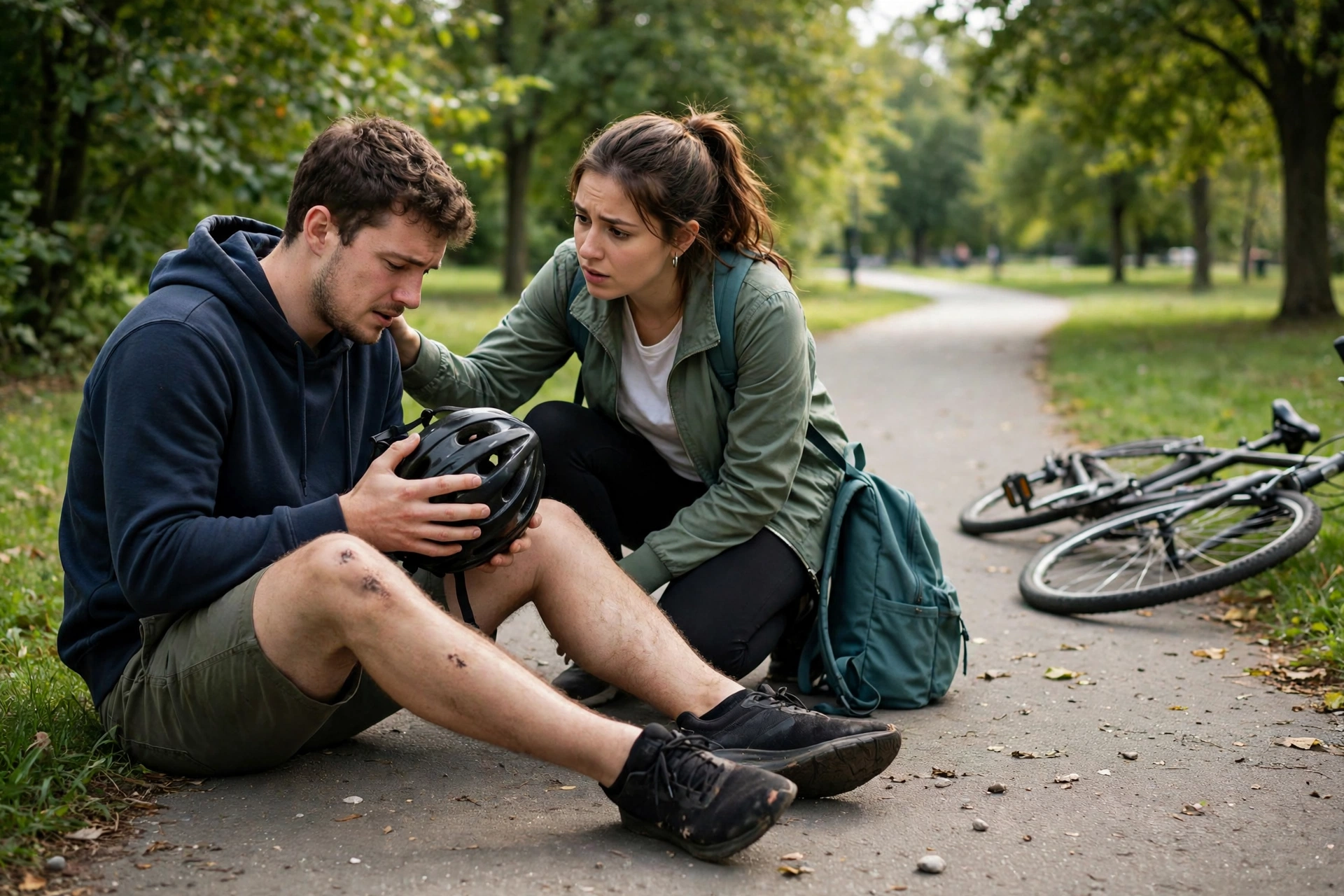
Simple questions can help you judge whether someone is thinking clearly after a head impact. Ask them their name, where they are, what day it is, and what happened just before the impact. Ask them to repeat a short list of words, or to count backwards from ten. A person with a concussion may answer slowly, give confused answers, or be unable to remember the event itself.
Keep the questions calm and simple, and do not rush the answers. If the person repeats questions, gives the same answer twice, or cannot remember what you just asked, that is a warning sign. Note what they say and when, because doctors will want to know how the person was behaving in the first minutes and hours after the impact. In general terms, confusion or memory loss after a head knock should always be treated seriously.
What Should You Do in the First Hours After a Helmet Impact?
In the first hours after a helmet impact, the person should stop riding or playing, rest, and be watched closely by someone else. They should not drive, ride, or return to sport until a medical professional has checked them. Keep them somewhere quiet and comfortable, offer water, and avoid bright lights and loud noise if those bother them. Do not give them alcohol or sleeping tablets, and do not leave them alone for the first few hours.
Watch for symptoms getting worse, such as a headache that keeps growing, repeated vomiting, or increasing drowsiness. If the person becomes hard to wake, vomits repeatedly, or develops weakness in an arm or leg, call emergency services immediately. In general terms, rest and close observation are the right first steps, but they are not a substitute for a medical check.
When Should You Seek Medical Help After a Helmet Impact?
You should seek medical help after a helmet impact if the person lost consciousness, even briefly, vomited more than once, has a worsening headache, or seems confused or unsteady. Help is also needed if the person has a seizure, clear fluid leaking from the nose or ear, weakness or numbness, or unequal pupil sizes. These are warning signs that need urgent medical attention, and emergency services should be called straight away.
Even without those signs, a medical check is wise after a hard impact, especially for a child or an older person, or if the person takes blood-thinning medicine. A doctor can examine the person, ask about symptoms, and decide whether further tests are needed. In general terms, it is always better to get checked and be told everything is fine than to ignore a head injury that turns out to be serious.
How Long Should You Watch Someone After a Concussion?
Someone who may have a concussion should be watched closely for at least the first day after the impact, and ideally for longer if symptoms continue. Symptoms can appear or worsen in the hours after the injury, so a responsible adult should stay with the person and check on them regularly, including waking them once or twice during the first night to make sure they respond normally. If anything changes, medical help should be sought at once.
Recovery usually means rest, limited screen time, and a gradual return to normal activities as symptoms settle. The person should not return to sport, riding, or other activities where another head knock is possible until a medical professional says it is safe. In general terms, most people recover with rest, but a second impact before the first has healed can be much more serious, so patience matters.
Can you have a concussion if your helmet is not cracked?
Yes. A helmet can look fine from the outside while the brain has still been shaken by the impact. A cracked helmet is a sign of a hard blow, but an undamaged helmet does not rule out a concussion.
Should someone with a suspected concussion sleep?
Rest and sleep are usually helpful, but the person should be checked by a medical professional first if there are warning signs, and someone should stay with them and check on them regularly during the first night.
Can a child be checked for concussion the same way as an adult?
The signs are similar, but children may show them differently, such as becoming unusually quiet, clumsy, or tearful. Any child who has had a hard head impact should be checked by a medical professional promptly.

Olivia
Writer at Helmet Today, covering helmet reviews, fit and riding safety.