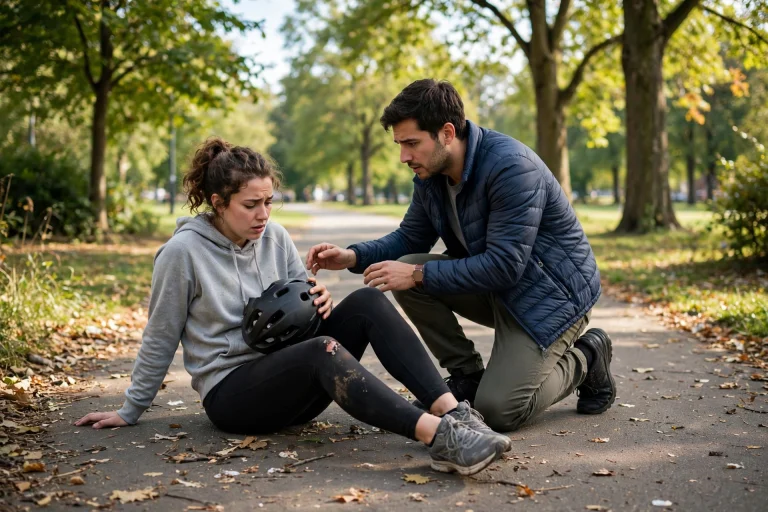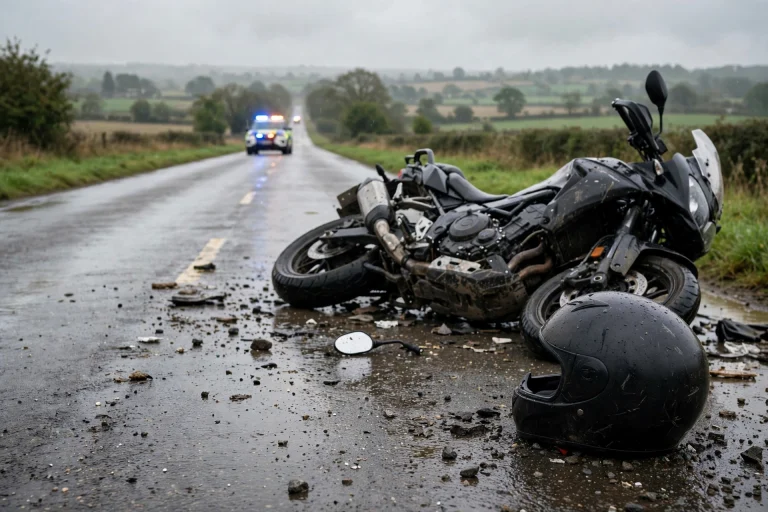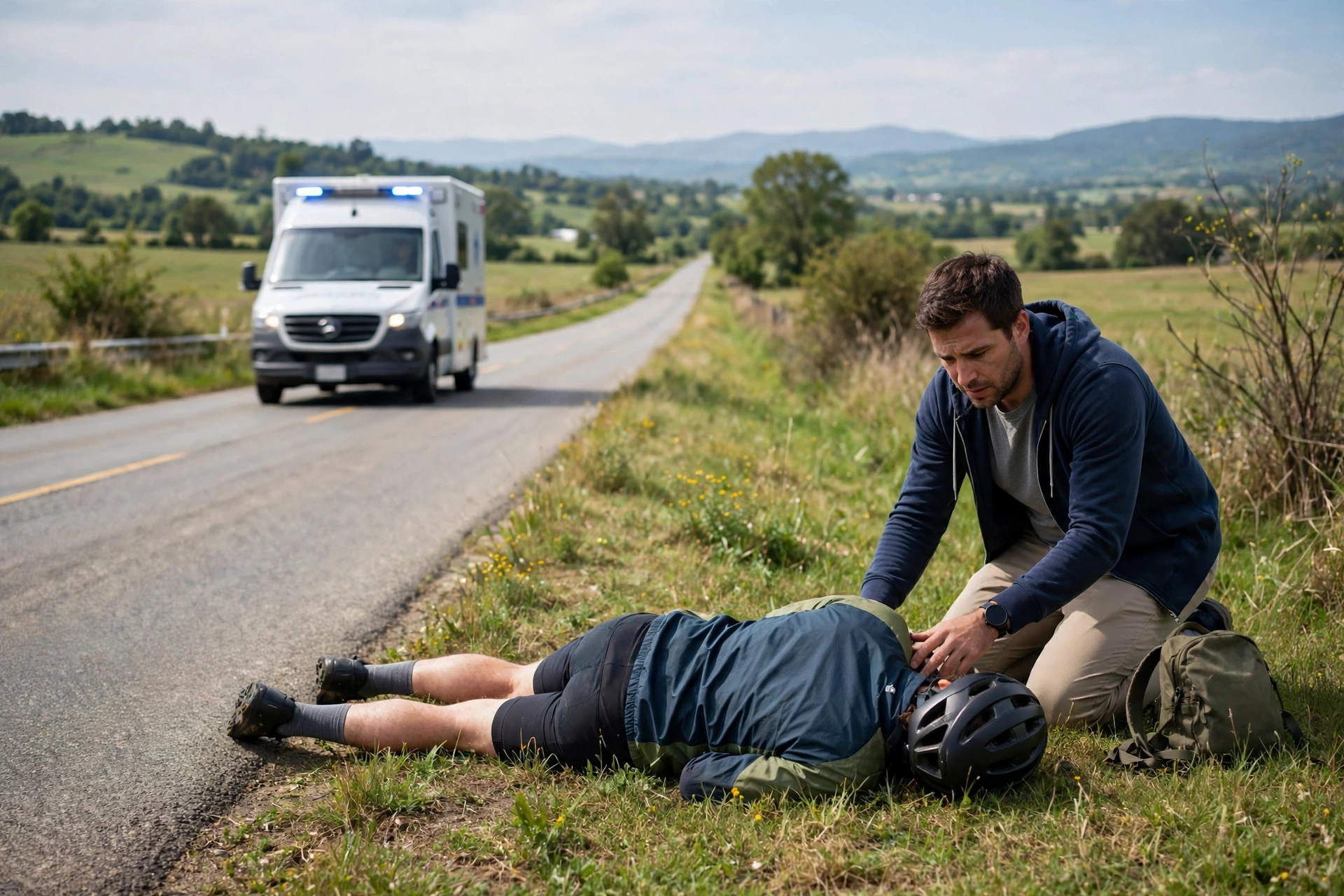
In general terms, you should call an ambulance after a helmet impact if the person lost consciousness, is confused, vomits repeatedly, has a worsening headache, or shows any sign of a serious head or neck injury. When in doubt, call emergency services straight away, because a head injury can get worse quickly and only trained responders can judge how serious it is. This article gives general information only and is not medical advice. If you are unsure whether help is needed, always err on the side of calling for it, since a call that turns out to be unnecessary is far better than a delay that matters.
What Are the Urgent Warning Signs After a Helmet Impact?
The urgent warning signs after a helmet impact include loss of consciousness, even for a few seconds, repeated vomiting, a headache that keeps getting worse, and clear fluid leaking from the nose or ear. Other signs are seizures, slurred speech, weakness or numbness in an arm or leg, unequal pupil sizes, and a person who becomes very drowsy or hard to wake. Any of these signs means emergency help is needed immediately.
Signs of a possible neck or spinal injury are also urgent, such as severe neck or back pain, numbness or tingling in the hands or feet, or an inability to move an arm or leg. A person who cannot remember what happened, keeps repeating questions, or seems unusually confused should also be checked urgently. In general terms, if something about the person seems wrong after a head impact, treat it as urgent and call for help.
When Is an Ambulance Needed Right Away?
An ambulance is needed right away when the person is unconscious, not breathing normally, having a seizure, or bleeding heavily from the head. It is also needed when the person has lost consciousness at any point, vomited more than once, or has a headache that is getting worse by the minute. A fall from height, a high-speed crash, or a heavy blow to the head are also reasons to call immediately, even if the person seems alert at first.
Children and older people should be treated with extra care, as should anyone taking blood-thinning medicine, since they can develop serious problems from a head impact more easily. If you want to understand one of the safety systems used in modern helmets, reading about what MIPS is for helmets is a useful starting point, though no helmet system removes the need for urgent help after a serious impact. Do not wait to see if things improve when urgent signs are present.
What Should You Do While Waiting for the Ambulance?
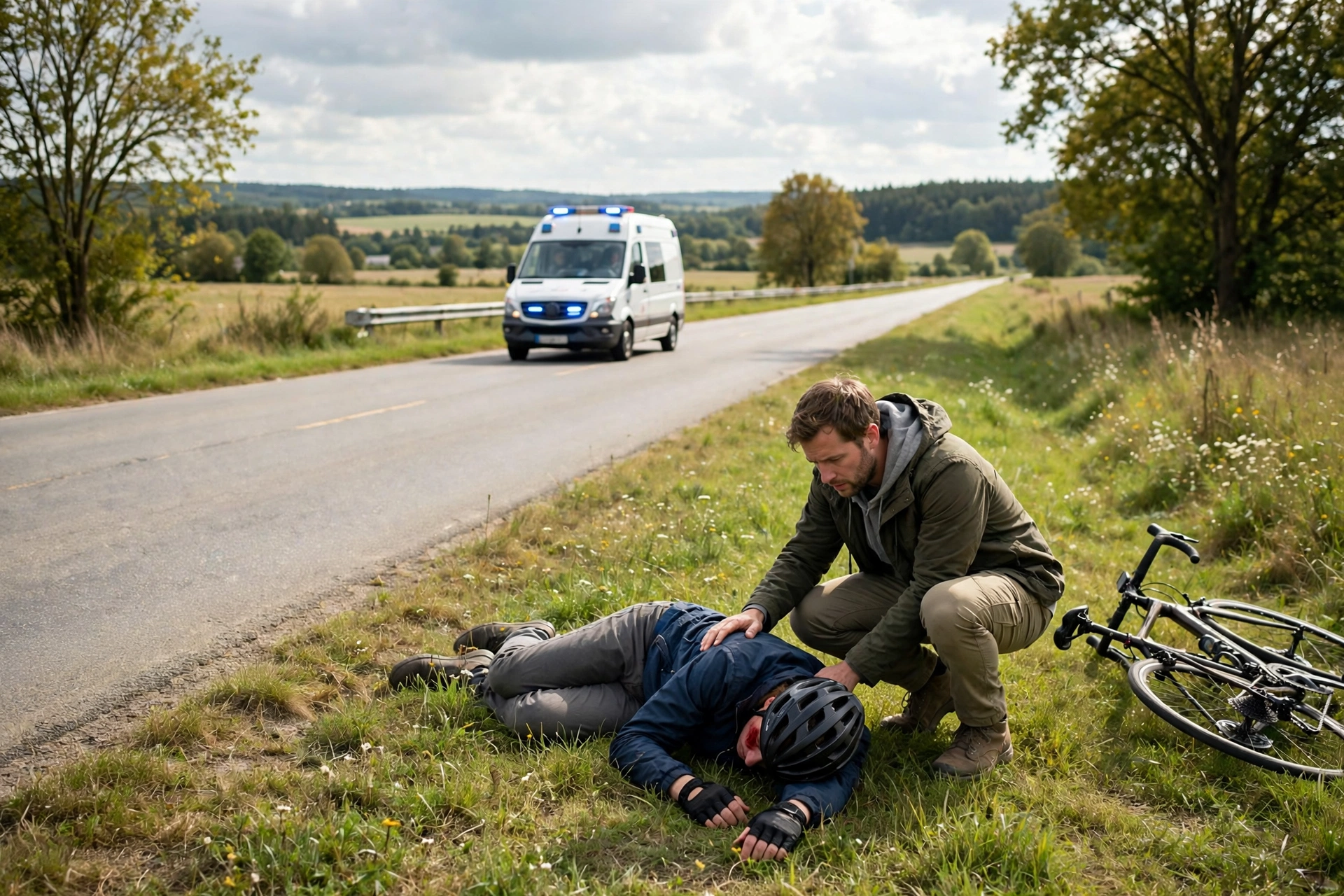
While waiting for the ambulance, keep the person still and calm, and stay with them. Make the scene safe by warning other traffic and switching off vehicle engines if it is safe to do so. Keep the helmet on unless the person is not breathing or their airway is blocked, and do not move them unless they are in danger. Talk to them calmly so they stay still and reassured.
Check whether the person is breathing by watching the chest rise and fall, without moving the head. If they are bleeding, press a clean cloth gently against the wound without moving the head. Cover them with a blanket or jacket to keep them warm, and note the time of the impact and any symptoms you have seen, since the paramedics will ask about these. In general terms, keeping the person still, warm, and reassured is the most helpful thing you can do.
What Information Should You Give the Emergency Operator?
When you call emergency services, give your location as clearly as you can, including a road name, a landmark, or a nearby building. Describe what happened, how the person was hurt, and whether they are conscious and breathing. Mention any warning signs you have seen, such as vomiting, confusion, or loss of consciousness, and tell the operator if the person is a child or an older person.
Stay on the phone and follow the operator’s instructions, since they may talk you through what to do next. Tell them how many people are injured and whether anyone else needs help. If the location is hard to find, send someone to meet the ambulance at a clear meeting point. In general terms, clear and calm information helps the ambulance reach you faster and lets the crew prepare for what they will find.
When Can You Take Someone to Hospital Yourself Instead?
You can consider taking someone to hospital yourself only when the impact was mild, the person is fully alert, talking normally, and has no warning signs, and only if the journey is short and safe. Even then, a medical check is still wise, and the person should not drive themselves. If any doubt remains, or if symptoms appear during the journey, call an ambulance instead.
Driving an injured person yourself is not a good idea when the injury may be serious, because their condition can worsen suddenly in the car, and you cannot treat them while driving. An ambulance crew can monitor the person, give oxygen, and treat them on the way. In general terms, an ambulance is the safer choice whenever the impact was hard, the person lost consciousness, or any warning sign is present.
What Happens After the Ambulance Arrives?
When the ambulance arrives, the crew will assess the person, check their breathing, pulse, and level of consciousness, and ask you what happened. They may remove the helmet carefully as a team, fit a neck collar, and place the person on a stretcher with their head supported. They will also check for other injuries, such as broken bones or bleeding, and give treatment on the spot if it is needed.
The crew will then take the person to hospital if they need further care, and they will pass on everything you told them to the hospital team. It helps to keep the helmet nearby so the crew can see it, since the pattern of damage can give doctors useful clues about the force of the impact. In general terms, your job is done once the crew takes over, but the information you share can help them work faster.
Should I call an ambulance if the person seems fine after a hard impact?
Yes, in general terms you should still seek medical help after a hard impact, because symptoms of a serious head injury can appear hours later. If the person lost consciousness or the impact was severe, call an ambulance rather than waiting.
What if I am not sure whether the injury is serious?
Call emergency services and describe what you see. The operator can help you decide, and it is always better to call and be told help is not needed than to delay a call that turns out to matter.
Can I move the person before the ambulance arrives?
Only move them if they are in immediate danger, such as from fire or traffic. Otherwise keep them still, keep the helmet on if they are breathing, and wait for the ambulance crew to arrive.

Olivia
Writer at Helmet Today, covering helmet reviews, fit and riding safety.