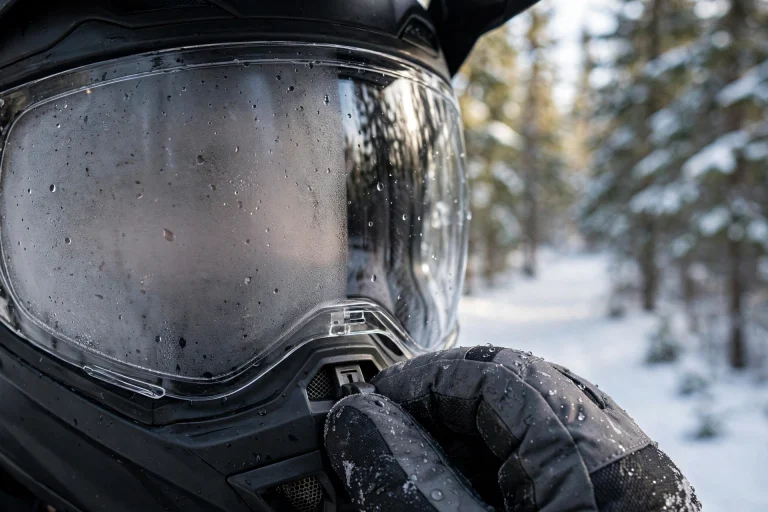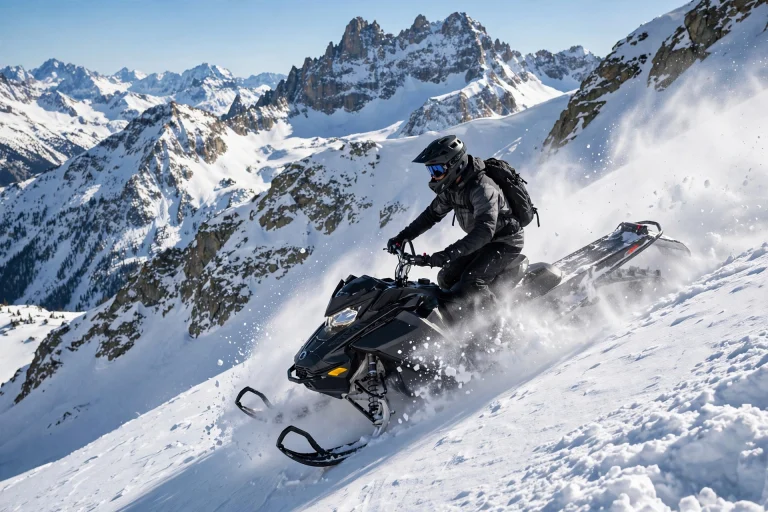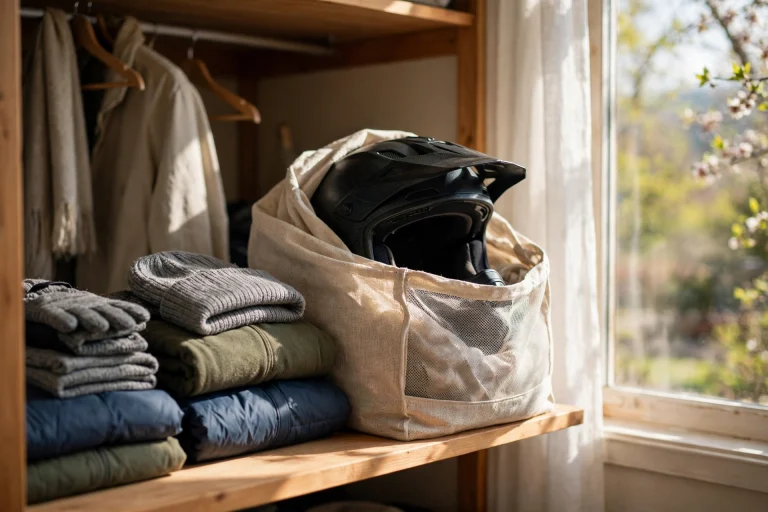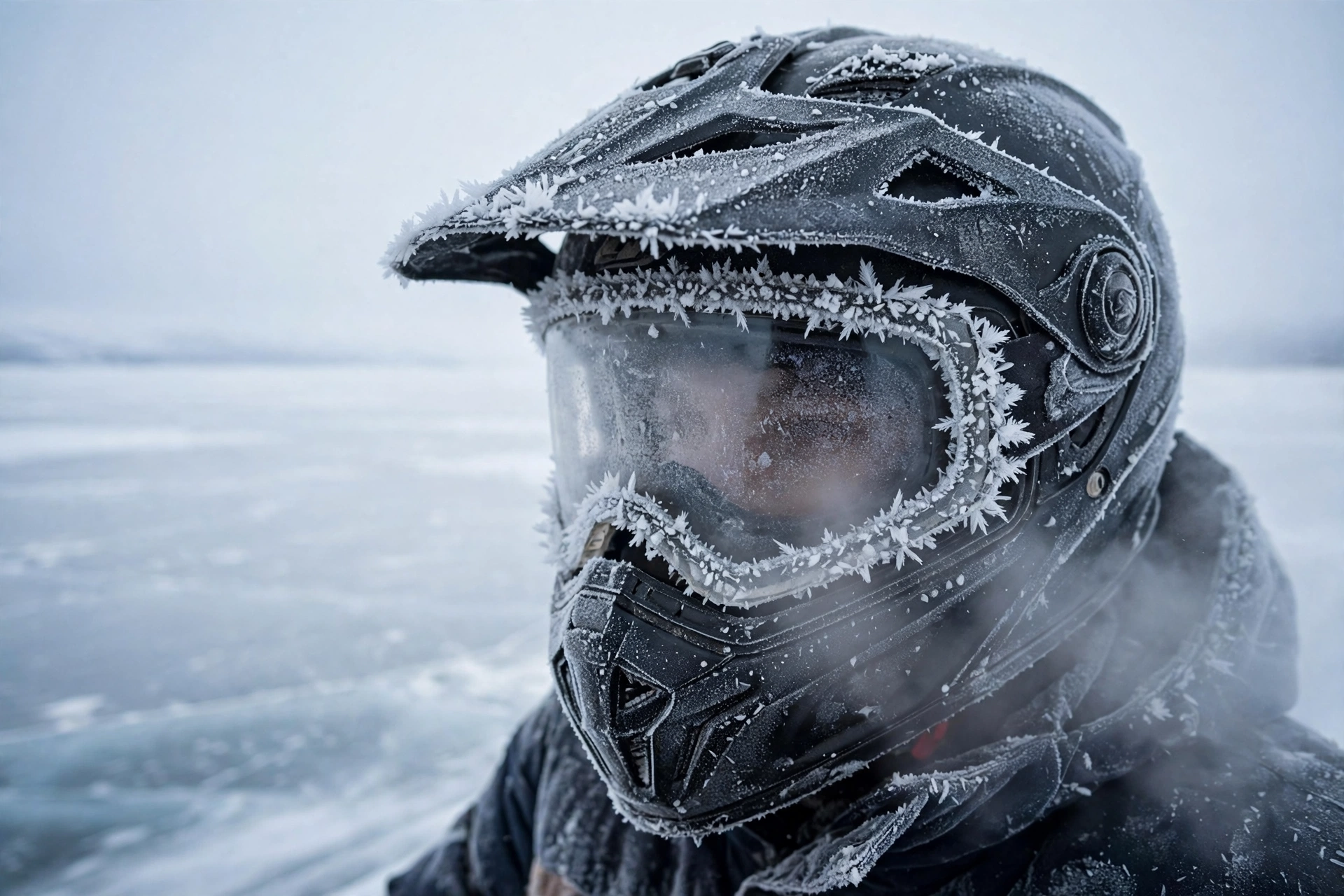
Yes — cold weather does change how a helmet fits. Padding foams stiffen as temperatures drop, so a helmet that feels plush in a warm shop can feel firmer and slightly tighter outdoors, while balaclavas, neck gaiters, and even your own circulation changing in the cold alter the fit further. The change is usually small, but it is real, and it is why cold-weather helmets should always be fit-checked wearing your full winter setup.
This guide explains what actually changes in the cold, how much it matters, and how to fit a helmet so it is right at trail temperature — not just at room temperature.
What Happens to Helmet Materials in the Cold?
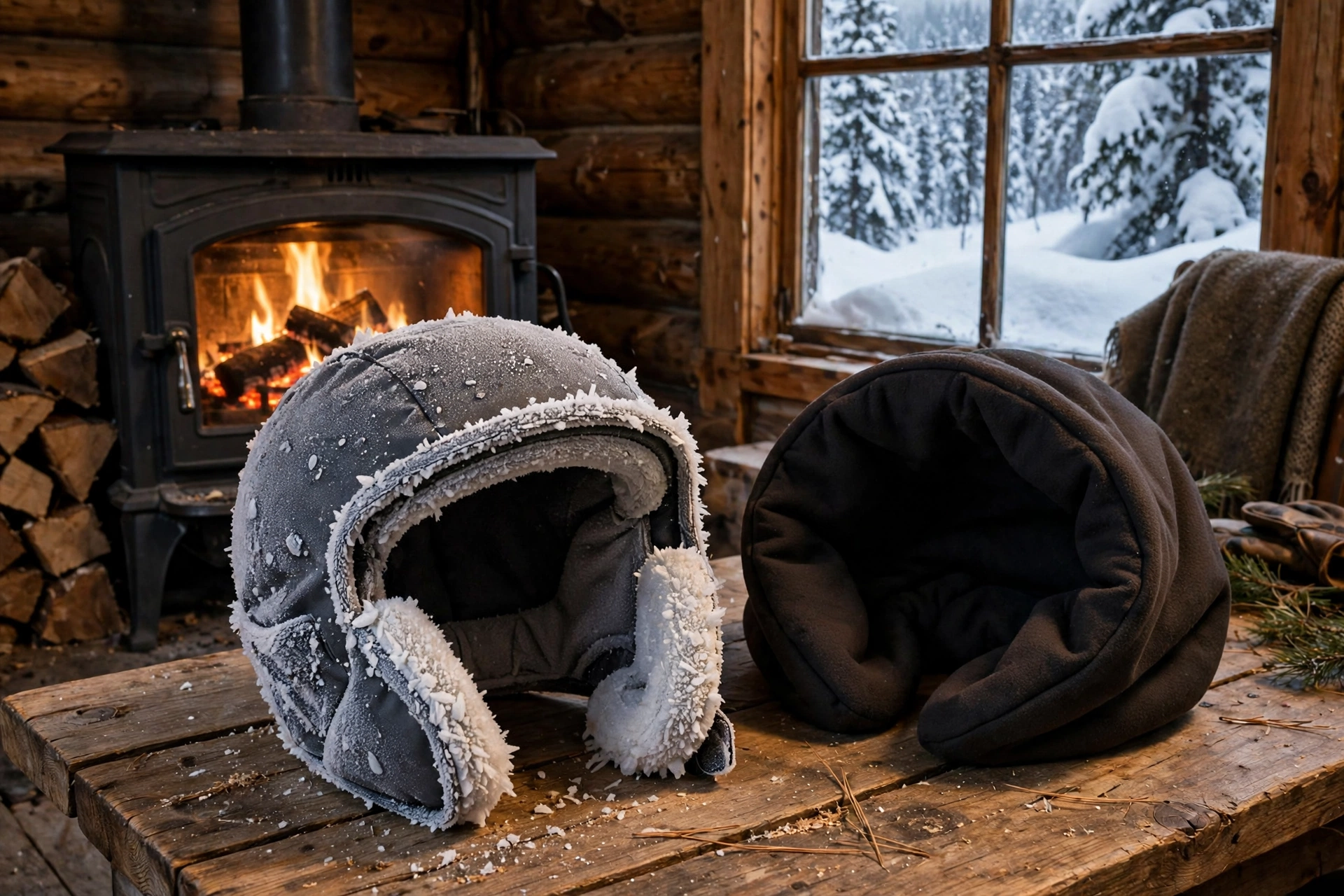
Comfort padding is mostly foam, and foam is temperature-sensitive. As it gets colder, the soft foam in cheek pads and crown liners becomes firmer and less willing to compress, so the same helmet presses a little harder and conforms a little less at minus twenty than it did on the shop floor. Riders notice this as a helmet that feels a touch smaller and less forgiving on a cold morning.
The energy-absorbing liner behaves differently too. The expanded foam that manages impacts is engineered to work across a temperature range, and certified helmets are tested with that in mind — but the comfort layer you feel is not the protection layer, and it is the comfort layer that changes character most noticeably in the cold.
Other parts react as well. Straps stiffen slightly, shield seals get less supple, and plastic vent sliders can feel notchy with gloved hands. None of this is a defect; it is what winter does to polymers, and a helmet designed for snowmobiling is built expecting it.
How Does Your Body Change the Fit in Cold Weather?
Your head is not a constant either. In cold air, blood flow to the skin reduces and soft tissue is slightly less full than when you are warm, which can make a helmet feel a fraction looser after hours outside even as its padding feels firmer. Riders experience this as a helmet that starts the day strict and feels merely snug by afternoon — the opposite of the usual break-in story.
What you wear matters more. A balaclava adds thickness everywhere; a neck gaiter or high jacket collar pushes up under the helmet’s rear edge and can tilt it forward; long hair arranged differently for winter changes crown fit. Each layer is thin, but together they can change how the helmet sits as surely as a size step.
Sweat plays a part too, paradoxically. Hard riding in cold air still makes you sweat, the balaclava and liner absorb moisture, and damp padding compresses and behaves differently from dry padding — another reason fit at the end of a hard ride is not quite fit at the start.
Does a Helmet Fitted Indoors Fit the Same on the Trail?
Close, but not identical — and the differences concentrate exactly where riders complain. A helmet fitted warm tends to feel firmer at the forehead and cheeks in deep cold, seals can feel less compliant, and any marginal pressure point announces itself sooner because cold-stiffened padding does not mould around it.
The practical conclusion is not that indoor fitting is useless — it is how everyone buys helmets — but that borderline decisions should be made with winter in mind. A helmet that is merely acceptable indoors, with one slight hotspot, is a candidate for real discomfort at temperature. A helmet that is evenly snug indoors, with no single point of pressure, generally stays honest in the cold.
If you can, do a cold check before committing: leave the helmet in an unheated garage or porch to chill, then wear it with your balaclava for ten minutes. It is a simple test that tells you more about winter fit than another hour in a heated shop.
How Should You Fit a Helmet for Cold Riding?
Fit the whole system together. Wear the balaclava you actually ride in — at its real thickness — plus your jacket done up, because the collar is part of the fit whether you plan it or not. Then run the standard checks: the helmet should not rock or roll, should move your scalp when you push the chin bar, and should feel snug and even rather than tight at one point.
Aim for the snug side of comfortable. Cold-stiffened padding plus a thin balaclava is the firmest the combination will ever feel, and padding relaxes slightly with use, so a fit that is just-firm in the shop, evenly spread, is usually right. A fit that is loose in the shop will be loose and cold-leaky on the trail.
Bear in mind that fit is also a safety specification, not just comfort. The helmet’s liner and systems such as rotational-impact liners like MIPS are designed and tested around the helmet sitting in its intended position; a helmet that has crept, tilted, or been pushed up by a collar is no longer quite the helmet that was tested. Keeping it seated properly is part of using the protection you paid for.
What Fit Problems Show Up Only in the Cold?
The classic is the forehead pressure point that appears after an hour: fine in the shop, aching on the trail, because stiff padding stopped spreading the load. The second is the lifted rear — a thick collar and gaiter slowly jacking the helmet up until the shield line sits wrong and cold air pours under the chin.
Fog-related fit problems are cold-only too. A breath box that sealed at room temperature may sit differently once the balaclava underneath it is cold and damp, leaking breath up to the shield. Seals and interfaces, again, are where winter fit succeeds or fails.
If a problem appears only in the cold, treat it as real, not as something to endure. Adjust the layer combination first — thinner balaclava, different collar arrangement, breath box repositioned — then pad changes if your helmet offers them, and only then conclude the helmet itself is the wrong shape. Most cold-only fit problems are system problems wearing a helmet costume.
Frequently Asked Questions
Q: Should I buy a snowmobile helmet one size bigger for winter?
A: No. Buy your correct size and fit it with your balaclava on. A size up stays loose in the wrong places, shifts in a fall, and leaks cold air. A thin balaclava changes a correct fit only slightly, which is how it should be.
Q: Why does my helmet feel tighter on cold mornings than in the shop?
A: Cold stiffens comfort foam, so it compresses less and presses more firmly, and your balaclava adds a layer the shop fitting may not have included. Firm and even is fine; a single painful hotspot is the warning sign to act on.
Q: Does extreme cold make a helmet less safe?
A: Certified helmets are designed and tested to perform across a working temperature range, so normal winter cold is within their design brief. What cold does affect is fit and comfort — and keeping the helmet seated correctly is part of keeping its protection working as intended.

Olivia
Writer at Helmet Today, covering helmet reviews, fit and riding safety.