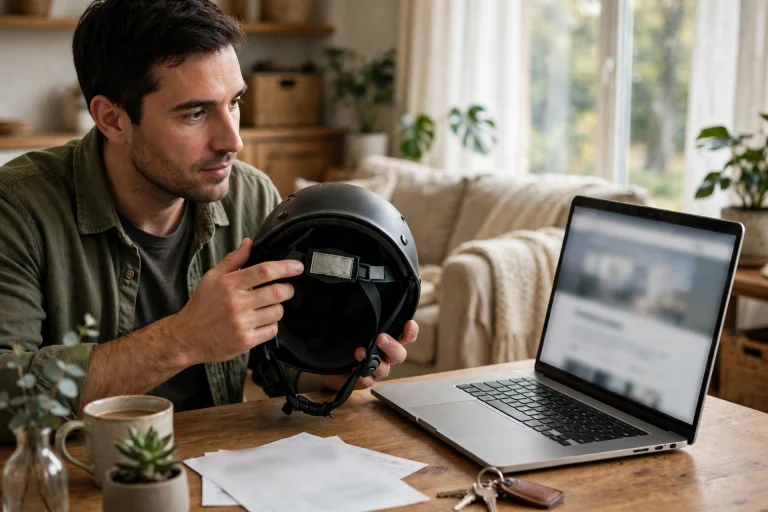
EN 1080 is a European helmet standard that covers helmets for young children, and in general terms it sets out the safety and design requirements that such helmets must meet before they can be sold as children’s helmets. It is different from the standards used for adult cycling helmets, because young children use helmets in different ways and face different risks. This guide explains, in general terms, what EN 1080 covers, who it is for, and what parents should look for when choosing a helmet for a young child.
What Is the EN 1080 Standard?
EN 1080 is a standard published by the European standards body that sets out requirements for protective helmets for young children. The letters EN stand for European Norm, and the number 1080 identifies this particular standard among the many that cover helmets and other safety equipment. When a helmet is marked as meeting EN 1080, it means the manufacturer has had the helmet tested against the requirements in that standard.
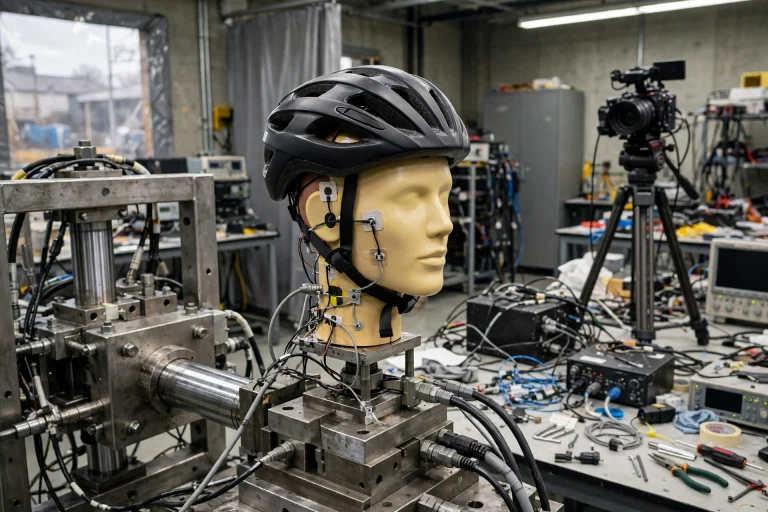
Like other helmet standards, EN 1080 sets requirements for how a helmet must perform in laboratory tests. In general terms, those tests check that the helmet can absorb an impact, stay in place on the head, and hold together under the forces of a fall. The standard also sets requirements for the helmet’s construction, such as the materials used and the way the strap and fastening work, so that the helmet is both protective and practical for a young child to wear.
Who Is EN 1080 Designed to Protect?
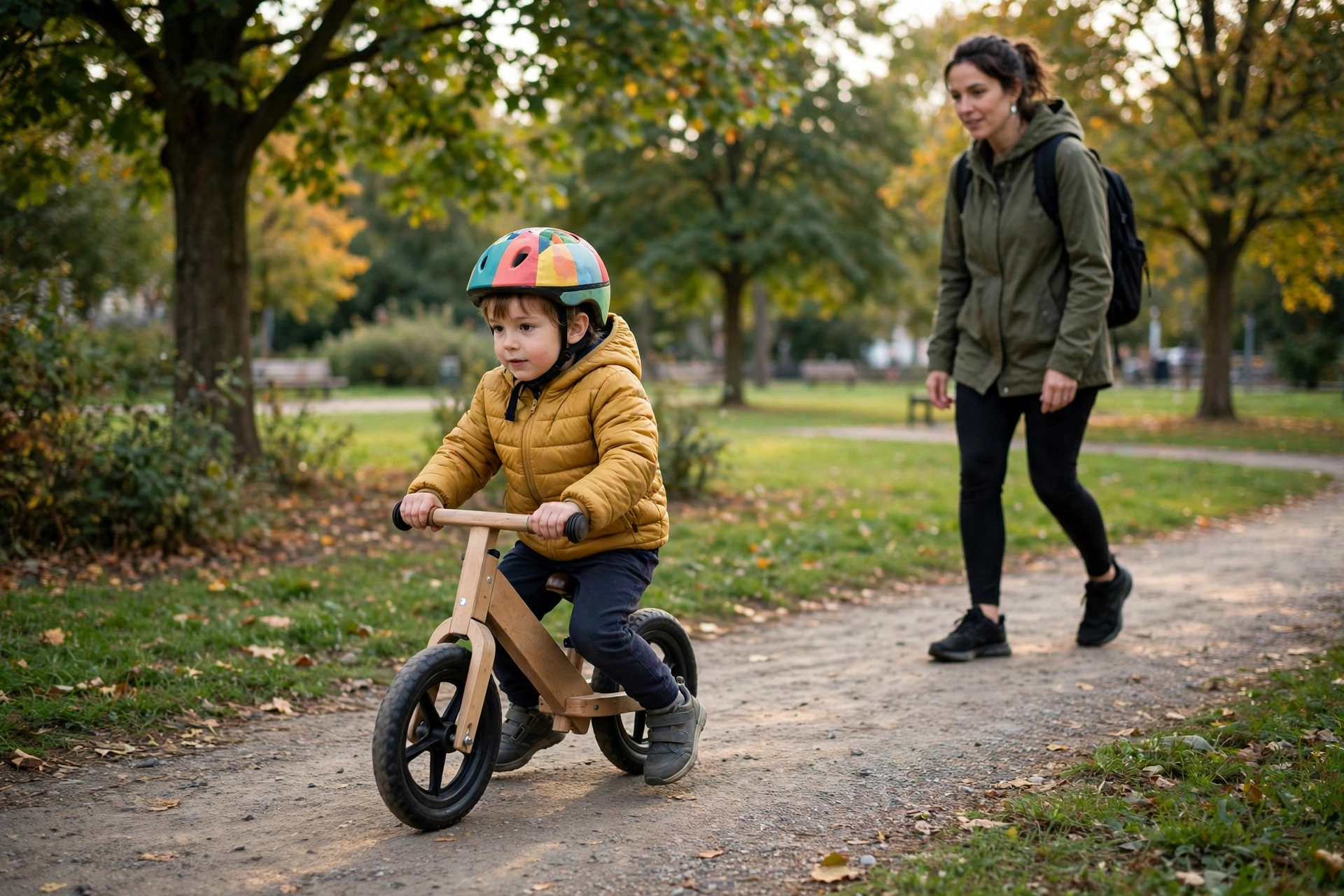
EN 1080 is designed to protect young children, in general terms those who are still small enough to need a helmet made specifically for their age and head size. Young children are not just small adults: their heads are proportionately larger, their necks are weaker, and they are still learning balance and coordination. A helmet made for them needs to take those differences into account, and EN 1080 was written with that in mind.
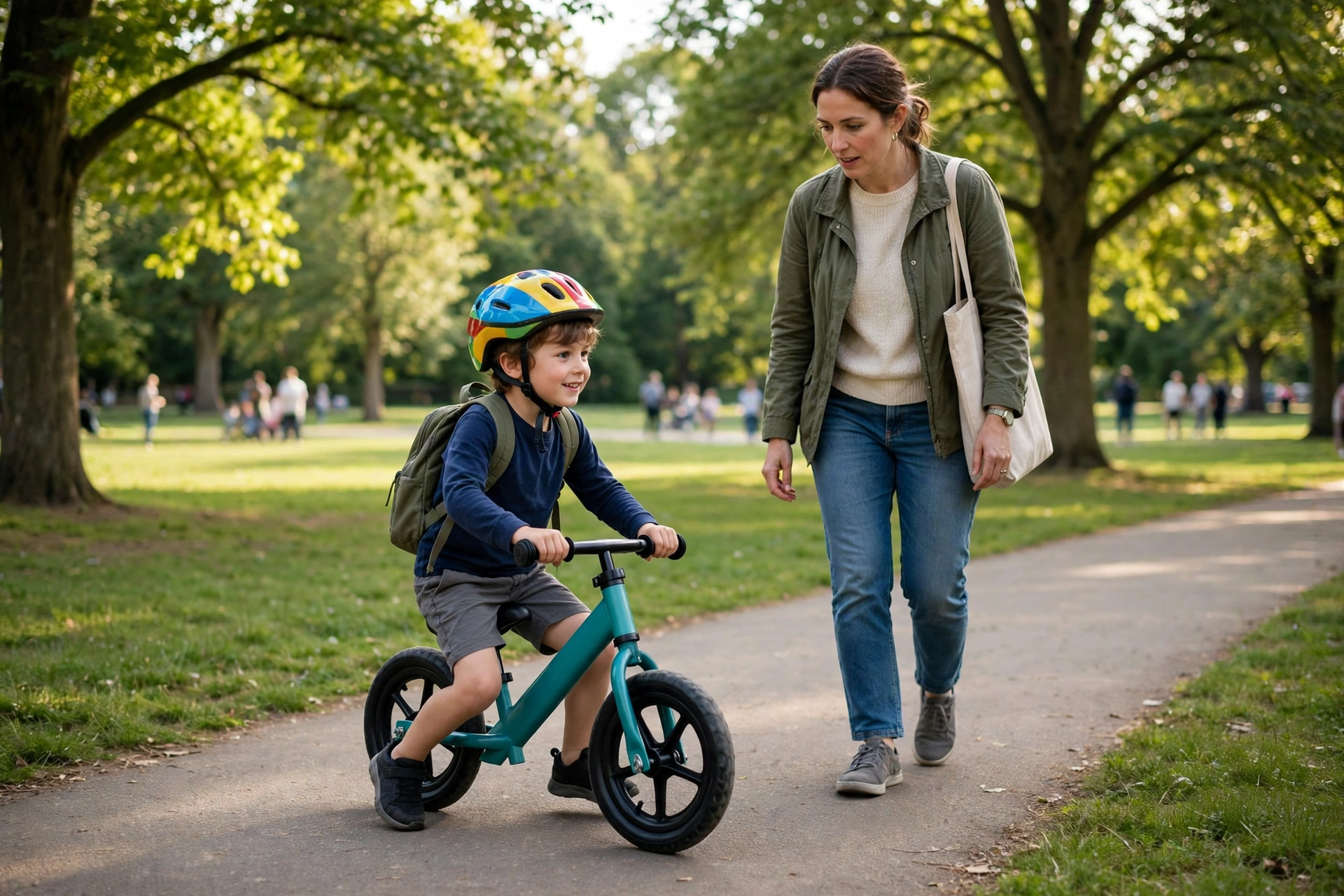
The standard is aimed at children who are using wheeled toys and small cycles, such as balance bikes, tricycles, and scooters, as well as children who are learning to ride a first bicycle. These activities involve low speeds, but falls are common because young children are still developing their balance. A helmet for this age group needs to protect against the kind of short falls that happen when a child topples sideways or forwards at low speed, rather than the higher-speed impacts an adult cyclist might face.
What Does EN 1080 Cover in General Terms?
In general terms, EN 1080 covers the impact protection of a young child’s helmet, the way the helmet stays on the head, and the safety of its strap and fastening. Impact protection is tested by dropping the helmet onto a hard surface and measuring the forces that reach the dummy head inside, in a similar way to other helmet standards. The aim is to check that the helmet can absorb the force of a fall and reduce the shock to the child’s head.
One feature that sets EN 1080 apart is its attention to the chin strap. Young children climb and play, and a strap that cannot release could catch on playground equipment or a branch and become a strangulation risk. EN 1080 therefore includes a requirement for the strap to release under a certain amount of force, so that it can come free if it gets caught. This is a deliberate trade-off: the strap must be strong enough to keep the helmet on in a fall, but able to release if it snags while the child is playing.
The standard also covers the helmet’s coverage and construction. It sets out how much of the head the helmet should protect, and it includes requirements for the materials and the finish, so that there are no sharp edges or small parts that could harm a child. If you are learning about how helmets handle different kinds of impact, reading about what MIPS is for helmets can help you understand one of the technologies used in modern helmet design. Together, these requirements aim to make a helmet that protects a child in a fall without creating new risks during play.
How Is EN 1080 Different from Adult Cycling Helmet Standards?
EN 1080 differs from adult cycling helmet standards mainly in what it is designed for. Adult cycling standards, such as the European standard for adult cycle helmets, are written for riders travelling at higher speeds on roads and cycle paths. They focus on impacts at those speeds and on helmets that will be worn only while cycling. EN 1080, by contrast, is written for young children who may wear the helmet while playing as well as riding, and who fall at lower speeds but in more varied ways.
Size and coverage also differ. Children’s helmets under EN 1080 are made in smaller sizes to fit young heads, and the shape is designed to cover the parts of the head most likely to be hit in a low-speed fall. An adult helmet, even in its smallest size, is unlikely to fit a young child properly, and a poor fit can leave the helmet loose, tilted, or likely to slip. The right standard matters, but so does the right size for the child wearing it.
What Should Parents Look for When Buying a Young Child’s Helmet?
Parents should start by checking that the helmet is marked as meeting EN 1080, or the standard that applies where they live, and that it is sized for their child’s age and head size. Measure the child’s head with a soft tape around the widest part, just above the eyebrows, and compare the measurement with the size range printed on the helmet or its packaging. A helmet that is too big will wobble, and one that is too small will be uncomfortable and may not cover enough of the head.
Fit is the next thing to check, and it matters more than the colour or the pattern. Put the helmet on the child, level on the head, with the front sitting just above the eyebrows. Fasten the strap so that it is snug but not tight, and check that the helmet does not rock forwards, backwards, or from side to side when you gently push it. Let the child wear it around the house for a few minutes to see whether it stays comfortable, because a helmet that hurts will soon be left at home.
Frequently Asked Questions
Q: Is EN 1080 only for children on bicycles?
A: In general terms, EN 1080 covers helmets for young children using balance bikes, tricycles, scooters, and first bicycles. It is written for young children rather than older riders, so check the age and activity the helmet is marked for before you buy.
Q: Why does an EN 1080 helmet strap release more easily?
A: The strap is designed to release under a certain force so it can come free if it catches on playground equipment or a branch while a child is playing. This reduces the risk of strangulation, while the strap is still strong enough to keep the helmet on in a fall.
Q: Can my child wear an adult cycling helmet instead?
A: It is not a good idea. Adult helmets are made for larger heads and higher speeds, and they are unlikely to fit a young child properly. A child’s helmet made to EN 1080 is shaped and sized for a young child and includes the strap release that adult helmets do not have.

Olivia
Writer at Helmet Today, covering helmet reviews, fit and riding safety.