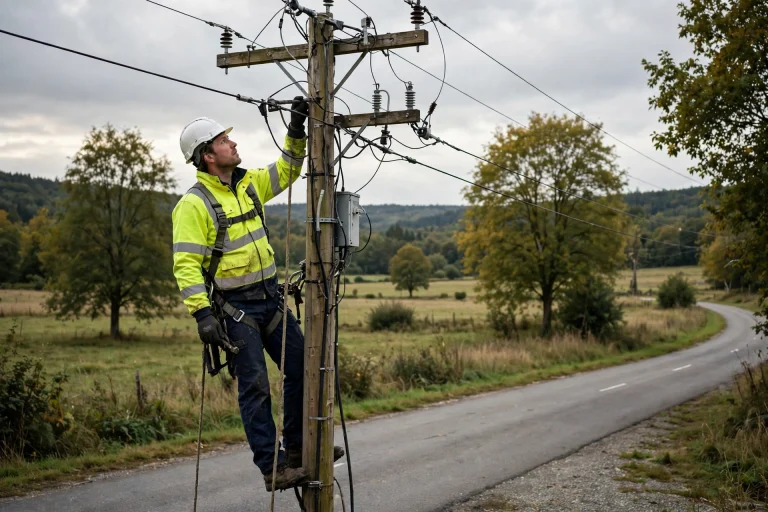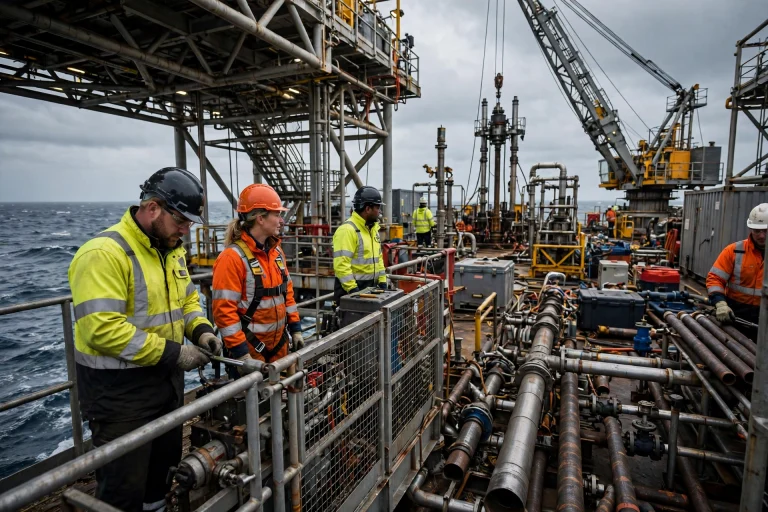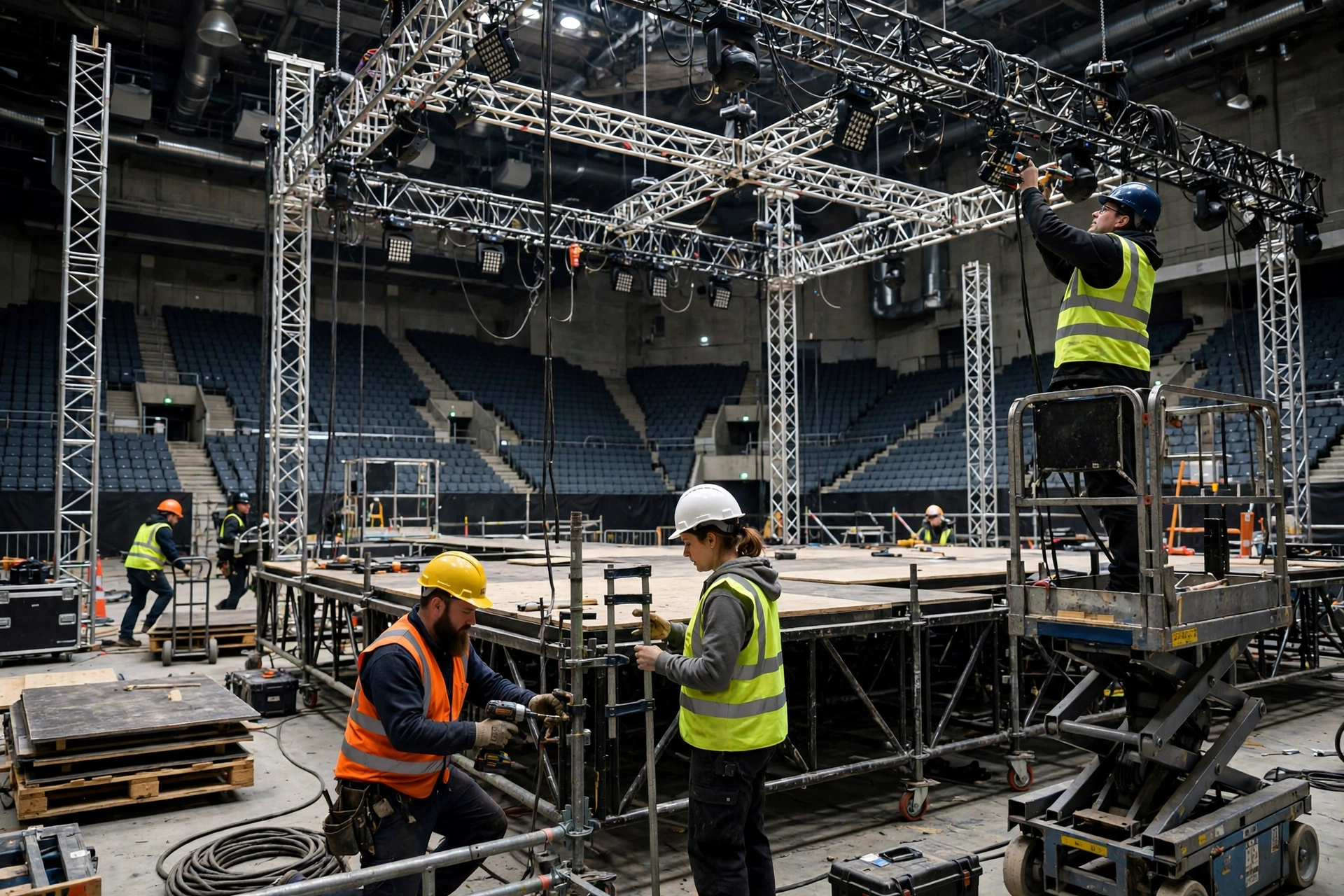
Yes, event and stage crew wear helmets — a hard hat is standard safety kit for the people who build, rig, and run live shows. Behind every concert, theatre production, festival, and corporate event is a crew working under lighting rigs, speaker stacks, and raised stages. Those structures are built overhead, often at height and under time pressure, and a helmet is the basic protection against falling objects and bumps in that environment.
Stage work looks very different from the finished show. Before the audience arrives, crews are lifting truss, hanging lights, running cables, and building sets. After the show, the same work happens in reverse, often late at night and against the clock. This guide explains what kind of helmet event and stage crew wear, when it is needed, and how it fits into the wider safety picture at live events.
What Kind of Helmet Do Event and Stage Crew Wear?
Event and stage crew usually wear an industrial hard hat, the same type used on construction sites. It has a hard outer shell and an internal suspension that holds the shell slightly away from the head, giving it room to absorb the force of a falling object. The design is simple, light, and proven over decades of use.
Many crew helmets are white, which is a common colour for supervisors and crew leads on site, though colours vary between companies and events. Some helmets include slots for accessories such as ear defenders, which matter at concerts and festivals where sound levels are high. A helmet that can carry ear protection without extra gear is a practical advantage on a loud stage.
A chin strap is also common for stage crew. Rigging work often involves leaning, reaching, and looking up, and a helmet without a strap can slip or fall off at the wrong moment. A strap keeps the helmet where it belongs, even when the wearer is working at height or moving quickly across a busy stage.
When Do Stage Crew Need to Wear a Helmet?
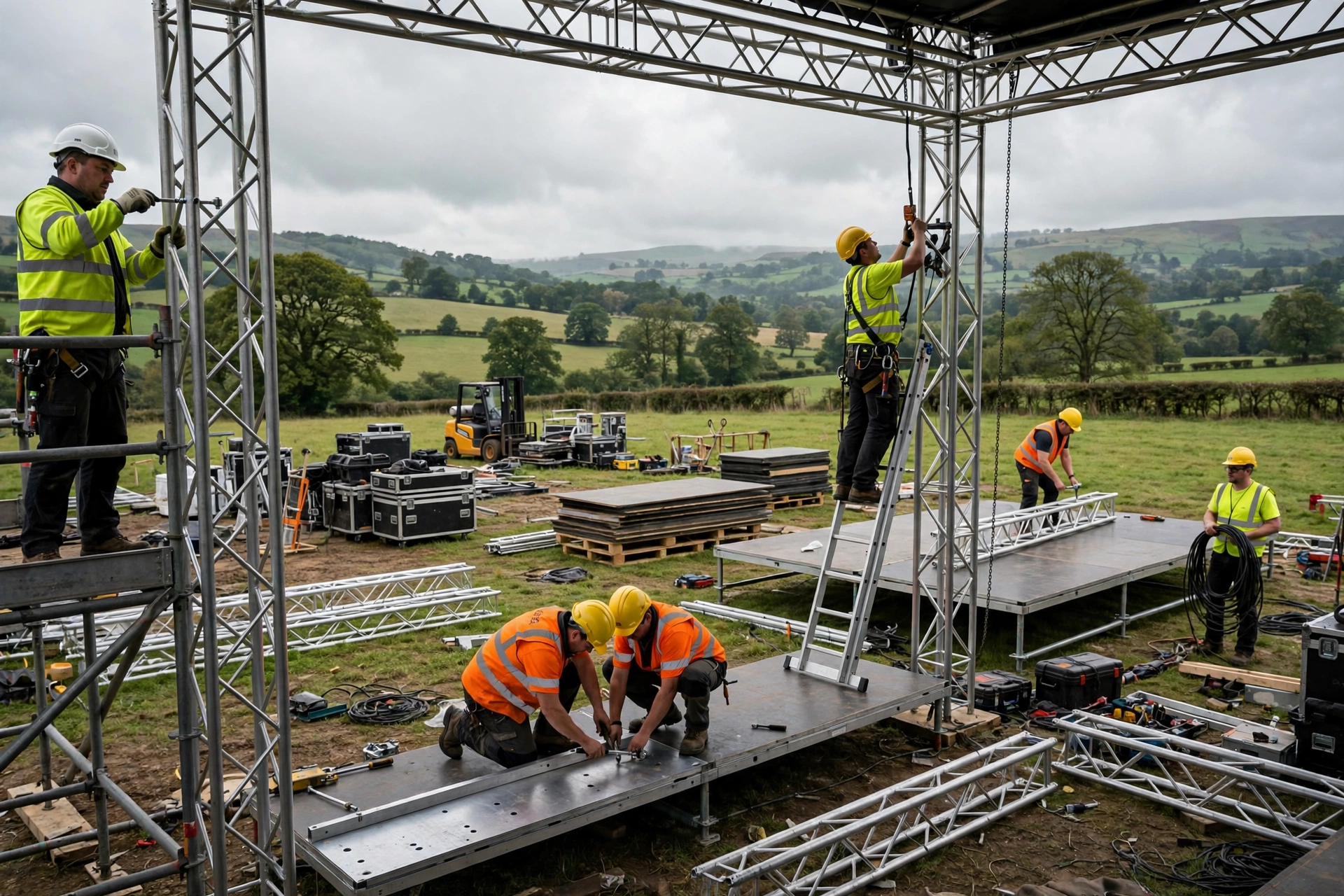
Stage crew need a helmet during the build and the breakdown of a show, which is when most of the overhead work happens. Lifting truss into place, hanging lighting fixtures, stacking speakers, and building a stage roof all involve loads above people’s heads. A dropped bolt, a slipping clamp, or a loose piece of scenery can fall from height without warning.
During the show itself, the need for a helmet depends on the event. Crew working backstage, in the roof, or near moving scenery usually keep their helmets on. Front-of-house staff and ushers, who work away from the stage structure, may not need one. The rule of thumb is simple: if there is anything overhead that could fall, a helmet should be worn.
Outdoor festivals bring extra reasons to wear a helmet. Wind can move loose items, rain can make surfaces slippery, and temporary structures behave differently from permanent buildings. A helmet is part of the standard kit for outdoor builds, along with high-visibility clothing and sturdy footwear.
What Risks Does a Stage Helmet Protect Against?
The main risk is falling objects. On a stage build, tools, bolts, clamps, and small pieces of equipment are handled at height all day. Even a small object falling from the top of a lighting rig can cause a serious head injury. A hard hat is designed for exactly this kind of impact, spreading the force across the shell.
A second risk is bumping the head on the structure itself. Stages are full of low beams, truss corners, and hanging fixtures. Crew move quickly in dim light, often carrying equipment, and it is easy to walk into something overhead. A helmet turns a painful knock into a minor one.
There is also the risk of a larger failure, such as a piece of scenery coming loose or a lighting fixture slipping from its mount. These events are rare on a well-run show, but they are the reason helmets are worn even when everything seems to be going smoothly. Safety kit is for the moment nobody expects.
How Is a Stage Helmet Different from a Construction Hard Hat?
In general terms, it is not very different. The same industrial hard hat is used in both settings, because the risks are similar: things fall, heads bump into structures, and people work at height. Some stage crew use helmets with a slightly lower profile or better ventilation, because stage work is physical and often done in warm, enclosed spaces.
One difference is that stage crew often wear their helmets alongside other kit, such as a harness when working at height, or a radio headset for communication during a show. A helmet that works well with a harness and a headset is more useful than one that gets in the way of them.
Another difference is the environment. A construction site is a long-term workplace, while a stage is built and taken down in days. That means crew helmets need to be easy to put on, comfortable for long shifts, and simple to store and transport between venues. A light, well-ventilated helmet with a chin strap usually fits that brief well.
If you are curious about how helmets manage the forces of an impact, reading about what MIPS is for helmets is a useful starting point. MIPS is a technology used in many sports helmets, and the basic idea — reducing the rotational forces that reach the head — is relevant to any helmet designed to protect against a knock or a fall.
How Should Stage Crew Look After Their Helmets?
A helmet only works if it is in good condition. Crew should check the shell for cracks, dents, and signs of wear before each job, and check that the suspension inside is intact and adjusted to fit. A helmet that has taken a hard knock should be taken out of use, even if the damage is not obvious, because the shell may be weakened in ways that cannot be seen.
Storage matters too. Helmets should be kept away from direct sunlight and heat between shows, because long exposure can make the shell brittle. They should be cleaned with mild soap and water, and harsh chemicals should be avoided because they can damage the material. A helmet left loose in the back of a van, rattling around with other kit, will not last as long as one kept in a bag or a box.
Finally, fit should be checked every time the helmet is put on. It should sit level, feel snug, and stay put when the wearer shakes their head. A helmet that slides around is a distraction and a hazard, while one that is too tight will be uncomfortable over a long shift. A few seconds of adjustment at the start of the day is time well spent.
Frequently Asked Questions
Q: Do stage crew wear helmets during the show itself?
A: In general terms, crew working backstage, in the roof, or near moving scenery usually keep their helmets on during the show. Front-of-house staff away from the stage structure may not need one.
Q: Can a stage crew member use a bike helmet instead of a hard hat?
A: In general terms, no. A bike helmet is built for a different kind of impact. A stage helmet needs to be an industrial hard hat designed to protect against falling objects from above.
Q: When should a stage helmet be replaced?
A: In general terms, a helmet should be replaced after any hard impact, if the shell shows cracks or wear, or when the manufacturer recommends it. Regular checks before each job help catch problems early.

Olivia
Writer at Helmet Today, covering helmet reviews, fit and riding safety.