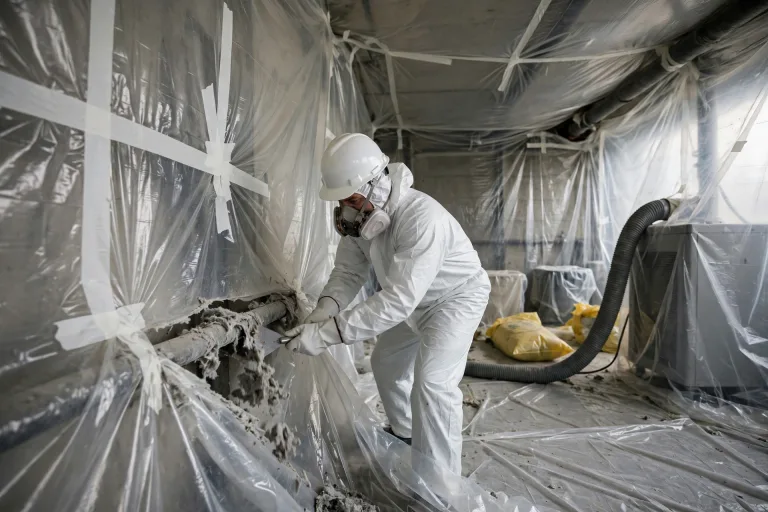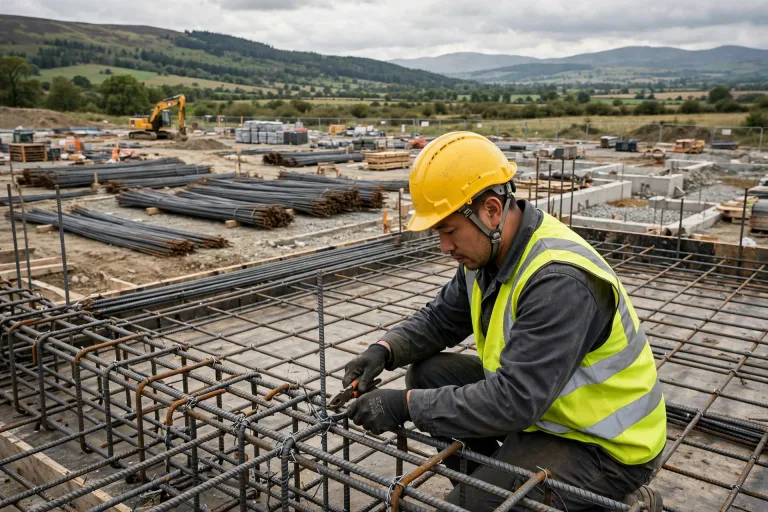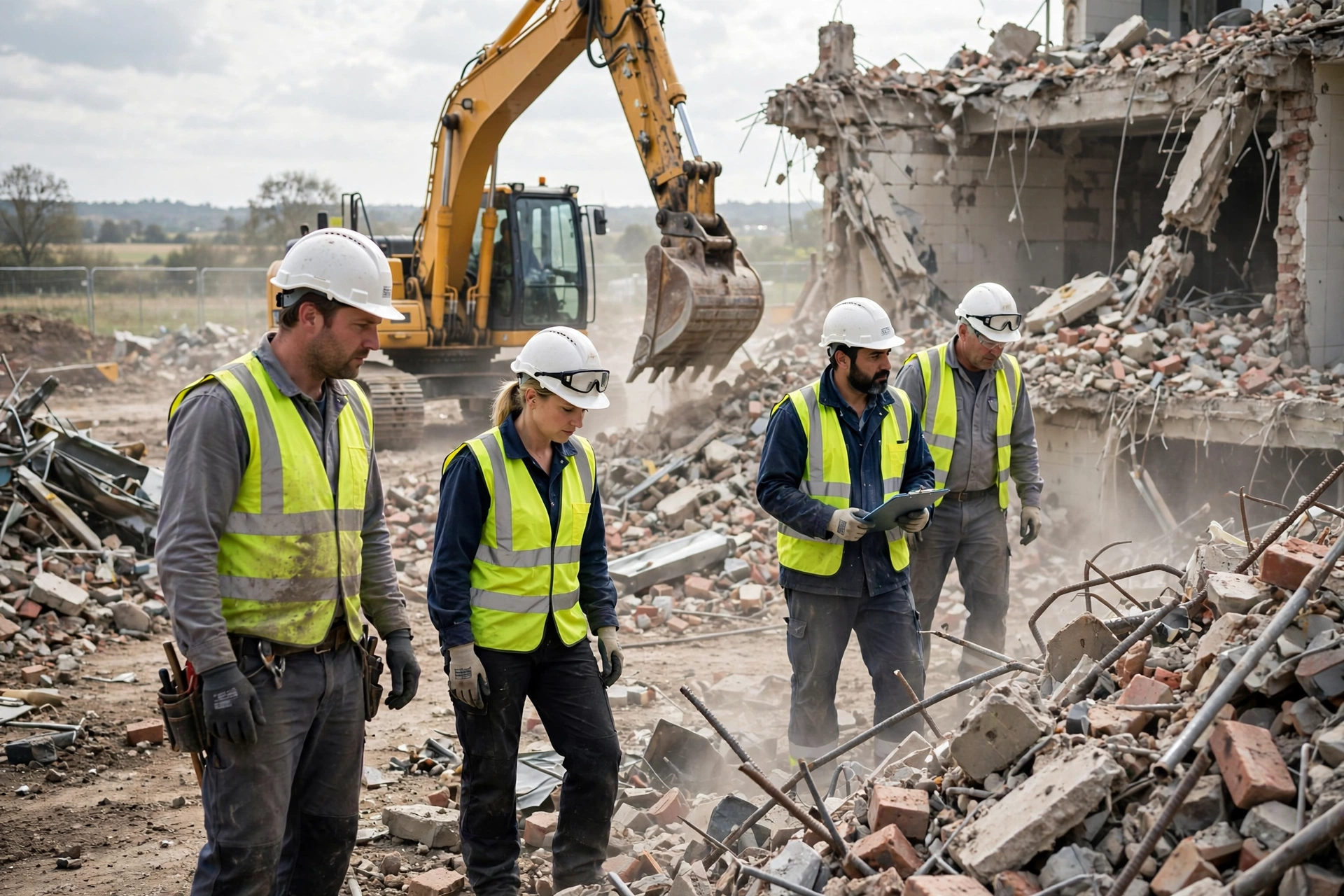
A helmet for demolition workers is a hard hat worn to protect the head on a demolition site, and in general terms a well-fitting industrial safety helmet with a chin strap is what most workers look for. Demolition work involves falling debris, collapsing structures, and knocks from tools and machinery, so head protection is a basic part of the kit on site.
Demolition is the work of taking down buildings and structures, either by hand, with hand tools, or with machines such as excavators. Walls, ceilings, and roofs are broken apart, and pieces of brick, concrete, timber, and metal can fall or be thrown without warning. Dust fills the air, and workers often move through tight spaces, under low beams, or close to moving plant. A helmet will not stop debris from falling, but it can reduce the force of a knock to the head if something strikes it. In general terms, that is the main reason demolition workers wear one, from the first day on site to the final clear-up.
What is demolition work?
Demolition work means pulling down a building or a structure, in whole or in part, so that the site can be cleared or rebuilt. Some jobs involve taking down a single wall or a roof, while others involve bringing down a whole building floor by floor. The work can be done by hand with hammers and pry bars, or with machines that break concrete and pull down steel, and it often goes on alongside sorting rubble for recycling or disposal.
What kind of helmet do demolition workers wear?
In general terms, demolition workers wear an industrial safety helmet, often called a hard hat, made from a tough outer shell with a suspension system or padding inside that spreads the force of a blow. These helmets are made for work sites rather than for sport, and they are designed to protect against falling objects, knocks against fixed objects, and, in some designs, glancing blows from the side as well as from above.
Many demolition helmets have a short peak at the front to shield the eyes from sun and rain, and a way to attach extras such as ear defenders, a visor, or a lamp for working in dark spaces. A chin strap is an important feature on a demolition site, because it keeps the helmet in place when the worker bends, looks up, or moves quickly, and it stops the helmet from falling off if the worker is knocked. The helmet should fit well, fasten securely, and be in good condition, with no cracks or damage to the shell or the fittings inside. In general terms, a helmet that has taken a heavy blow should be taken out of use, even if the damage is hard to see.
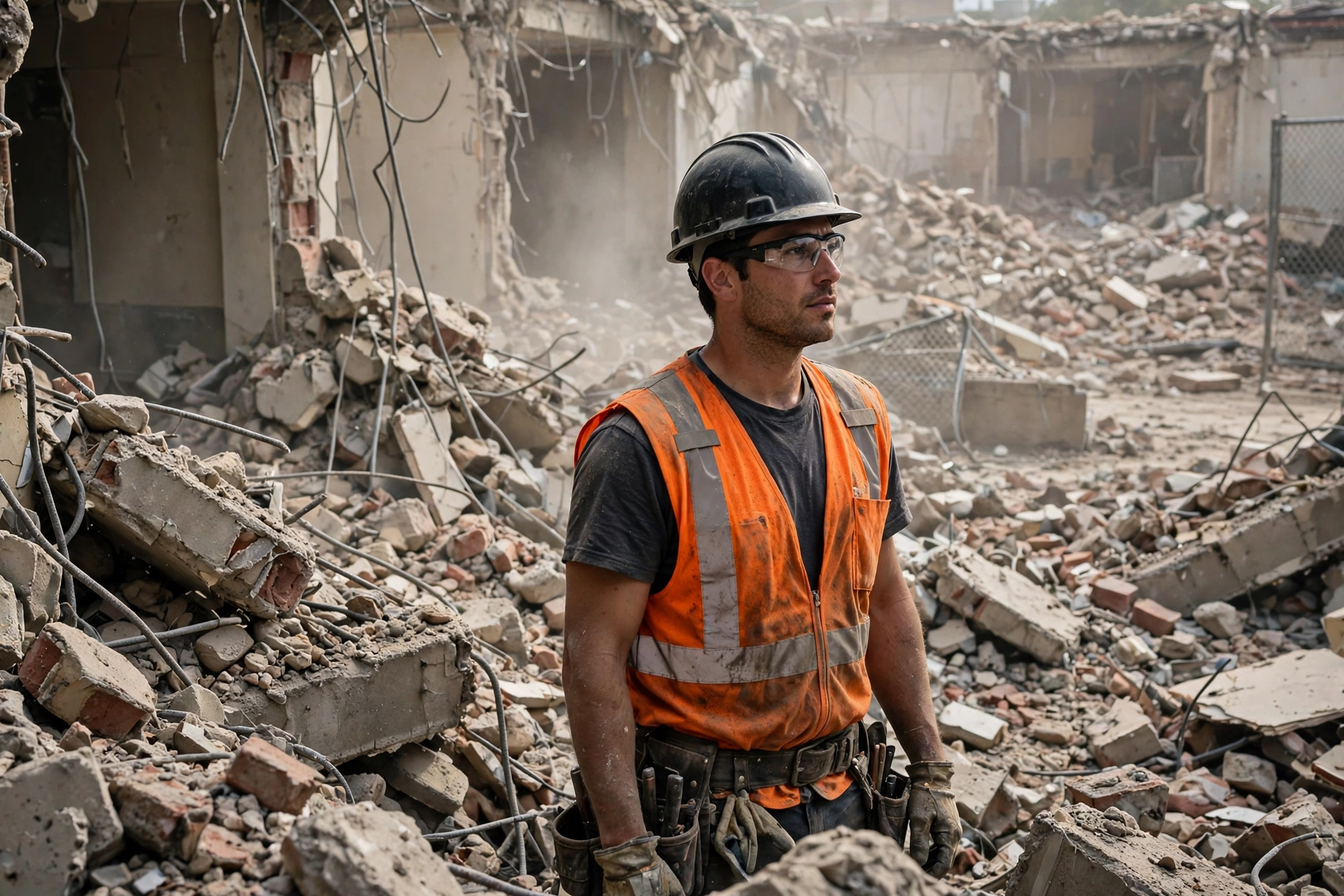
How should a helmet for demolition work fit?
A helmet for demolition work should sit level on the head, low enough at the front to cover the forehead, and snug all round without pressing painfully on the temples. It should not tip forward over the eyes or slide back when the worker nods, and it should stay in place when the head is shaken gently from side to side. The suspension or padding inside should be adjusted so that the shell sits clear of the head, because that gap is part of how the helmet absorbs a blow.
What features matter in a helmet for demolition workers?
Coverage matters, because a demolition helmet needs to protect the top of the head from falling debris and the sides from knocks against beams, scaffolding, and machinery. Some helmets are designed with extra side protection, and these can be worth considering for demolition work, where blows can come from more than one direction. Ventilation also matters, because demolition is physical work and sites can be hot and dusty; vents can help keep the worker cool, though they should be checked against the site rules, as some sites prefer helmets without vents for certain tasks.
Compatibility with other kit matters too. A good demolition helmet should work well with ear defenders, a visor or safety glasses, and a dust mask, without any of them pushing the helmet out of place. A lamp clip can be useful for dark interiors, and a light colour can help the worker stay visible to machine operators. Some helmets include a system designed to reduce rotational forces in a fall or a knock, such as MIPS, and it is worth asking about when choosing a helmet. Weight matters as well: a light helmet is easier to wear for a full shift, and a helmet that feels comfortable is one that will stay on the head where it belongs.
What else should demolition workers wear with a helmet?
A helmet is only one part of the protection a demolition worker needs. Safety glasses or a visor protect the eyes from dust and flying fragments, and ear defenders or ear plugs protect hearing from machines and breaking work. A dust mask or respirator helps with the dust that demolition creates, and gloves protect the hands from rough surfaces, sharp metal, and splinters.
How do you look after a demolition helmet?
After a shift, brush off dust and rubble and wipe the shell clean, then let the helmet dry naturally, away from direct heat. Do not leave it in a hot vehicle or next to a heater, as heat can damage the materials inside over time. If the lining or suspension is removable, take it out and clean it following the maker’s instructions, and let it dry fully before putting it back. Solvents and harsh cleaners should be avoided, as they can weaken the shell.
What is a helmet for demolition workers?
A helmet for demolition workers is an industrial safety helmet, or hard hat, worn to protect the head from falling debris, knocks, and blows on a demolition site.
Do demolition workers need a chin strap on their helmet?
In general terms, yes, a chin strap is important on a demolition site. It keeps the helmet in place when bending, looking up, or moving quickly, and stops it from falling off if the worker is knocked.
When should a demolition helmet be replaced?
Replace it after a heavy blow from falling debris, if the shell is cracked, dented, or brittle, or if the strap, buckle, or suspension is worn. A damaged helmet may no longer protect as it should.

Olivia
Writer at Helmet Today, covering helmet reviews, fit and riding safety.