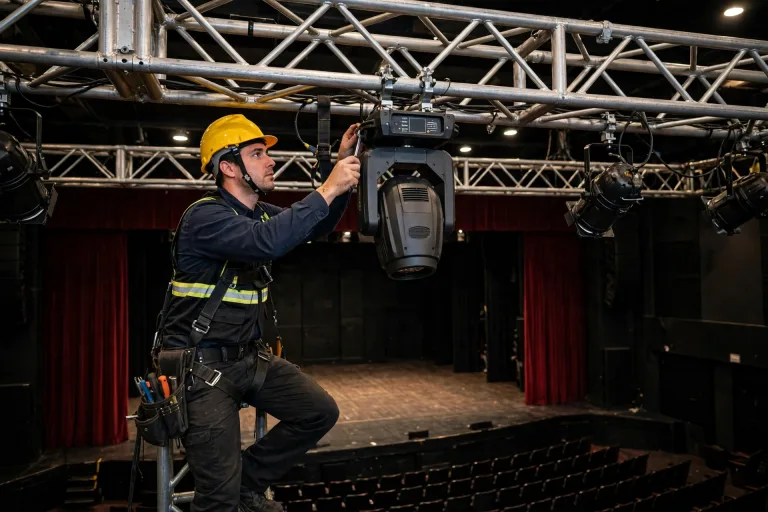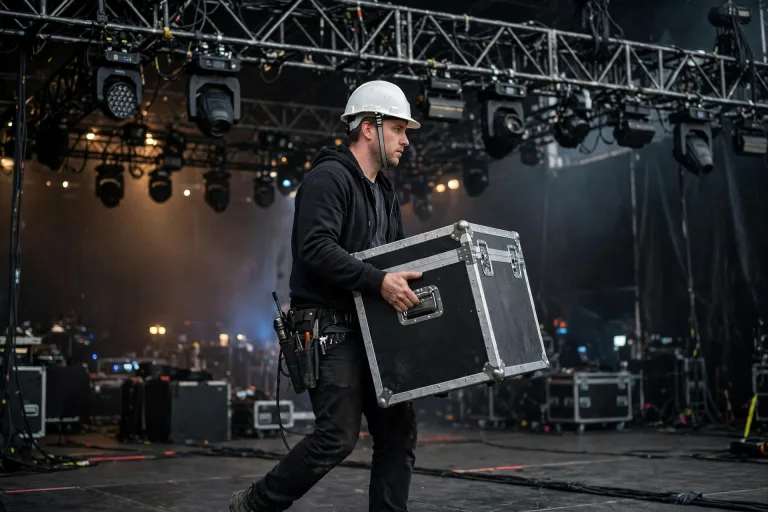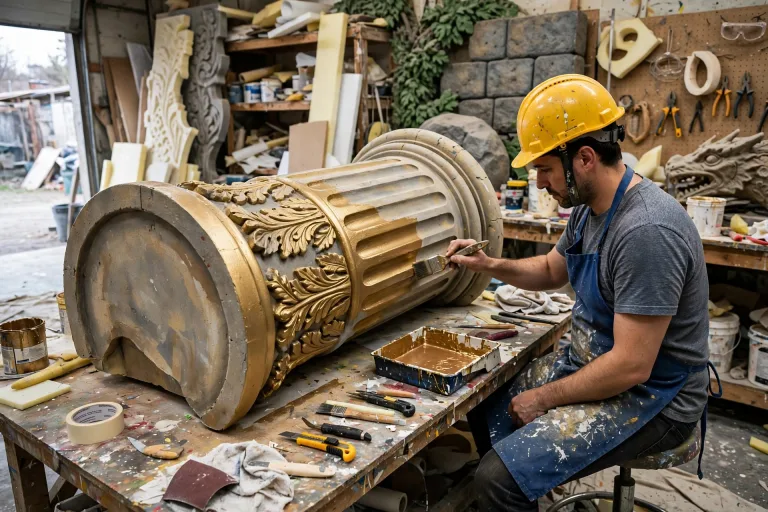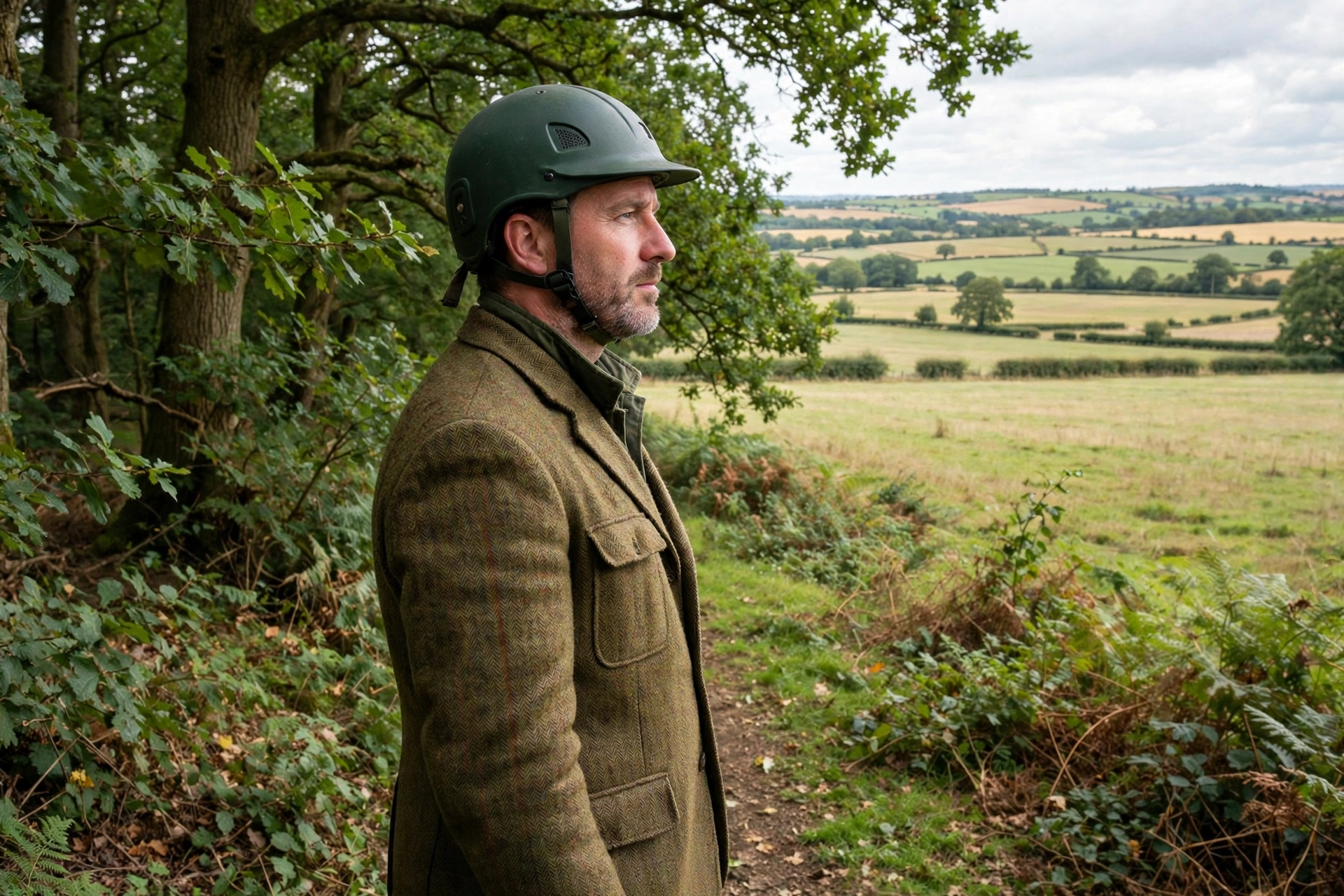
A helmet for gamekeepers is a helmet worn by a gamekeeper working on an estate or shoot, and in general terms it should protect the head from falling branches, bumps, and knocks while the keeper works outdoors. Gamekeepers look after game birds, woodland, and farmland, and their working day can take them from a rearing pen to a cover crop, a wood, or a shoot day. A helmet is part of the safety gear they wear whenever the job involves a risk to the head.
The right helmet for a gamekeeper needs to suit a varied outdoor job. One day may be spent cutting rides through a wood, the next may be spent feeding birds, mending fences, or helping on a shoot. A helmet that is light, fits well, and works with the keeper’s other gear is far more likely to be worn every time it is needed, and that everyday habit is what keeps a keeper safe.
Why do gamekeepers need a helmet?
Gamekeepers need a helmet because a wood, like a forest, has hazards above head height. Trees shed dead branches, especially in wind or after a storm, and a falling branch can cause a serious head injury even when it looks small. A helmet gives protection against that kind of impact, and it also protects the head if a keeper slips on wet ground or trips over a root while working.
There are other risks in gamekeeping too. A keeper may work with chainsaws, brush cutters, and tractors, where wood chips and debris fly through the air, and may help with fencing or building pens, where tools and materials are lifted overhead. A helmet with a visor helps to keep debris away from the face and eyes. In general terms, a helmet is a simple piece of gear that covers a wide range of risks, and it is worn alongside boots, gloves, and high-visibility clothing as part of a keeper’s everyday kit.
What kind of helmet is best for gamekeepers?
The best helmet for gamekeepers is, in general terms, a lightweight hard hat or forestry helmet that is comfortable for all-day wear and that suits the tasks of the day. Many gamekeepers choose a helmet that can be used with a visor and ear defenders when they are doing tree work, and worn on its own when they are feeding birds or walking the ground. A helmet with a built-in visor is handy, because the visor can be flipped up when it is not needed and pulled down in seconds when work starts.
The helmet should be chosen with the work in mind. A keeper who mostly walks the beat and checks pens may need only a simple hard hat, while a keeper who cuts trees and clears storm damage needs a full forestry helmet with face and ear protection. The helmet should also be light enough to wear for hours without causing neck strain, and it should have ventilation so the head does not overheat on a warm day.
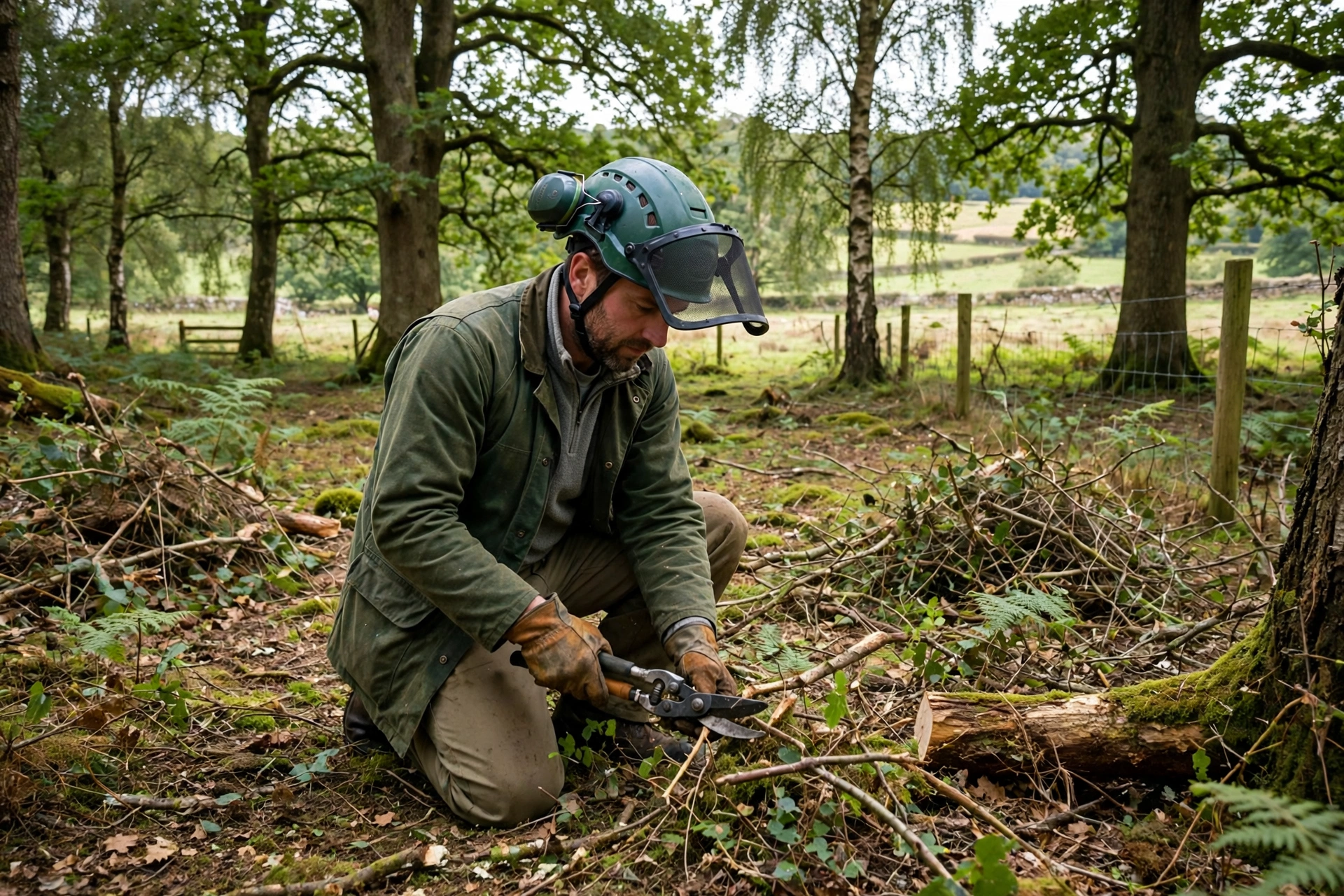
How should a helmet for gamekeepers fit?
A helmet for gamekeepers should fit snugly, sit level on the head, and stay in place when the keeper bends down, looks up into the trees, or walks over rough ground. The helmet should cover the top of the head and sit low enough over the forehead to give real protection, and the chin strap should be fastened whenever there is a risk of the helmet falling off. A strap left loose lets the helmet tip forward over the eyes or slide back, and a helmet that moves around is a distraction as well as a risk.
The fit should be checked with the other gear the keeper will wear, such as a visor, ear defenders, and a hat or balaclava in cold weather, because these can change how a helmet sits. The suspension inside the helmet should be adjusted so the weight is spread evenly, and the helmet should not press hard on any one spot. A keeper who wears glasses should check that the helmet and visor do not push the glasses out of place, because clear vision matters on rough ground just as much as head protection does.
What should a gamekeeper look for when buying a helmet?
When buying a helmet, a gamekeeper should look first at the protection it offers and the standard it meets, and then at comfort, weight, and ventilation. The shell should be tough enough to take a knock from a falling branch, and the inside should have a proper suspension system that spreads the force of an impact. A helmet that can take a clip-on visor and ear defenders is a flexible choice, because it can be set up for tree work and stripped back for a day of walking the beat.
Comfort is just as important as protection, because a keeper may wear the helmet for a whole shift. Ventilation slots help to keep the head cool, and a sweatband that can be removed and washed keeps the helmet fresh. The colour of the helmet matters too: a bright colour, such as orange or yellow, makes the keeper easy to see in the wood, which is useful when machinery is working nearby or when a team is spread out across the estate. A keeper should try the helmet on before buying if possible, and should check that spare parts, such as visors and sweatbands, are easy to find.
How should a gamekeeper’s helmet be looked after?
A gamekeeper’s helmet should be looked after with regular cleaning and sensible storage, in the same way as any work helmet. After a day outdoors, the keeper should brush off dirt and leaves, wipe the shell clean, and let the lining air out before the helmet is put away. A visor should be cleaned with a soft cloth so it does not get scratched, and ear defenders should be checked to make sure they still seal well against the head.
The helmet should also be checked for cracks, dents, or damage to the shell, and in general terms a helmet that has taken a hard impact should be replaced rather than used again. Sunlight, heat, and chemicals can wear a helmet out over time, so it should be stored in a cool, dry place, away from direct sun and away from fuel and solvents. Keepers who want to learn more about features that can help in a crash may also want to read about a system designed to reduce rotational forces, such as MIPS, which is found in some helmets. A well-kept helmet, worn every time, gives a gamekeeper the best chance of a safe day at work.
Can a gamekeeper use a normal hard hat?
Yes, in general terms a normal hard hat can be suitable for light estate work, such as walking the beat and checking pens. For tree work or chainsaw work, a full forestry helmet with a visor and ear defenders is usually the better choice.
Does a gamekeeper need a visor on the helmet?
A visor is very useful in gamekeeping, because it keeps wood chips, dust, and flying debris away from the face and eyes.
When should a gamekeeper replace a helmet?
A gamekeeper should replace a helmet after a hard impact, or when it no longer fits well, shows cracks or damage, or has become worn out from age and sun exposure. When in doubt, replace it rather than keep working in it.

Olivia
Writer at Helmet Today, covering helmet reviews, fit and riding safety.