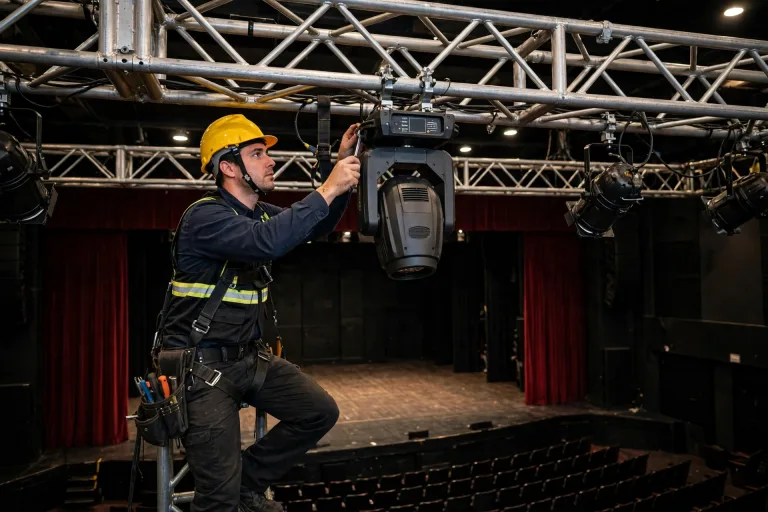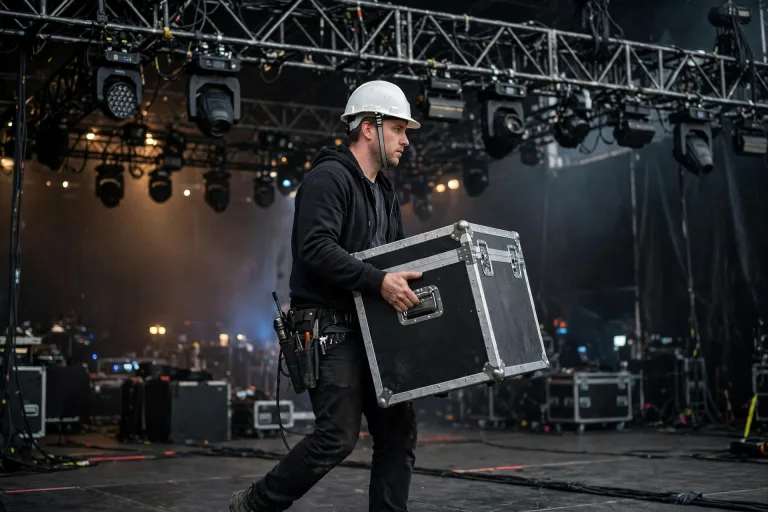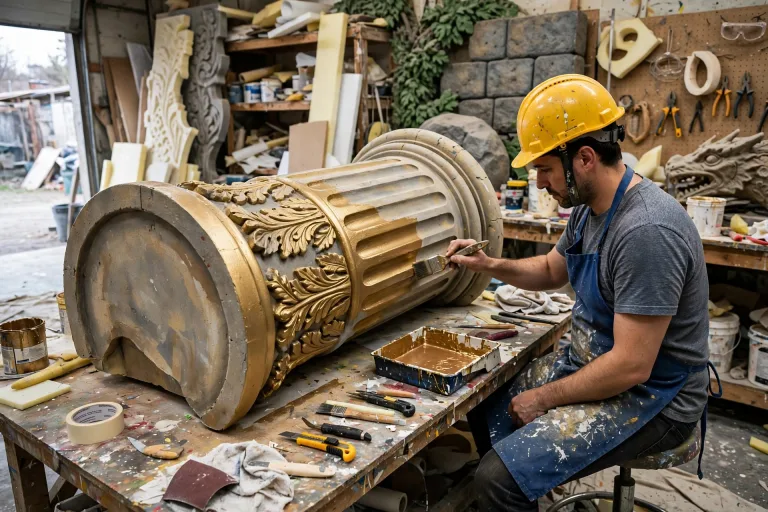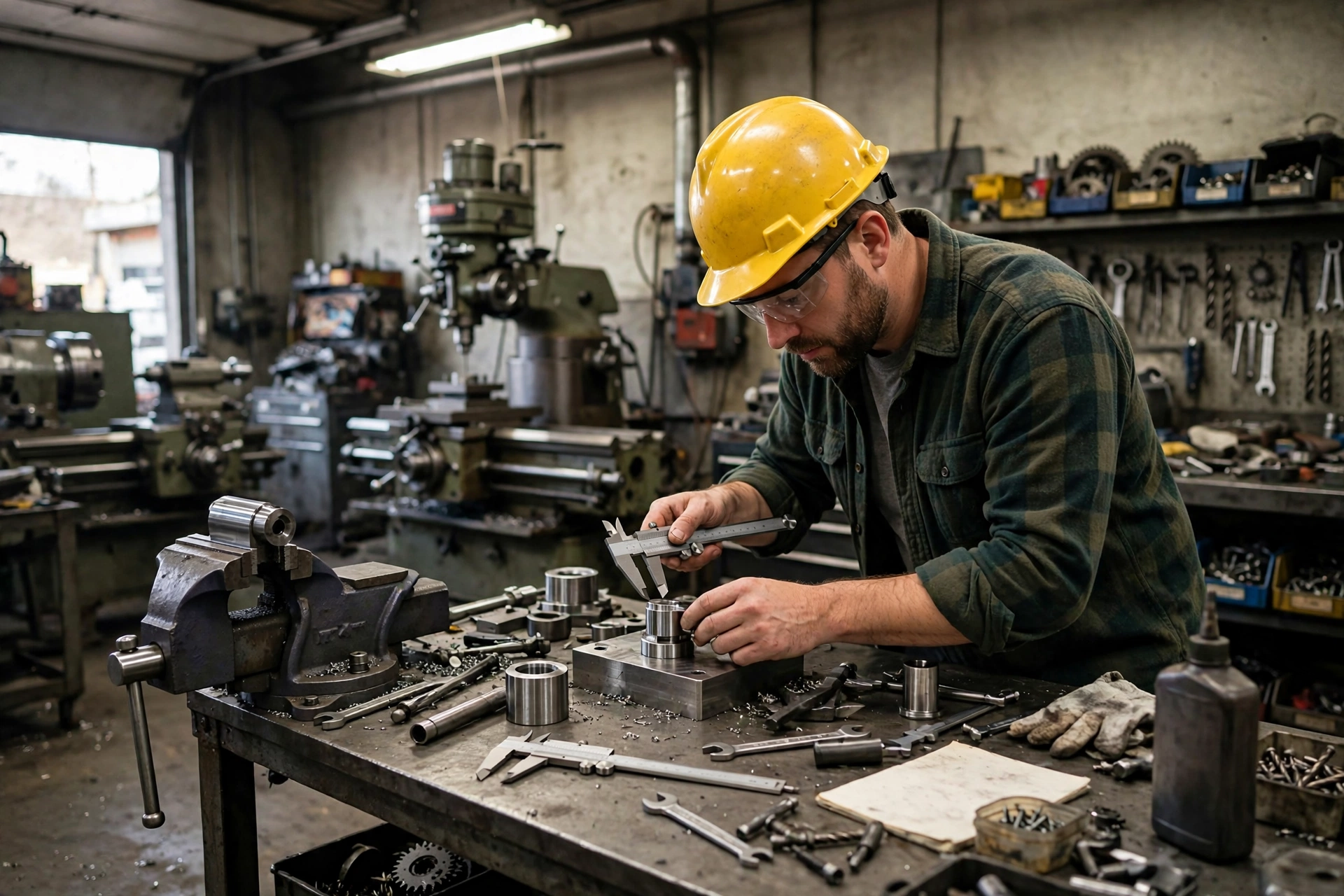
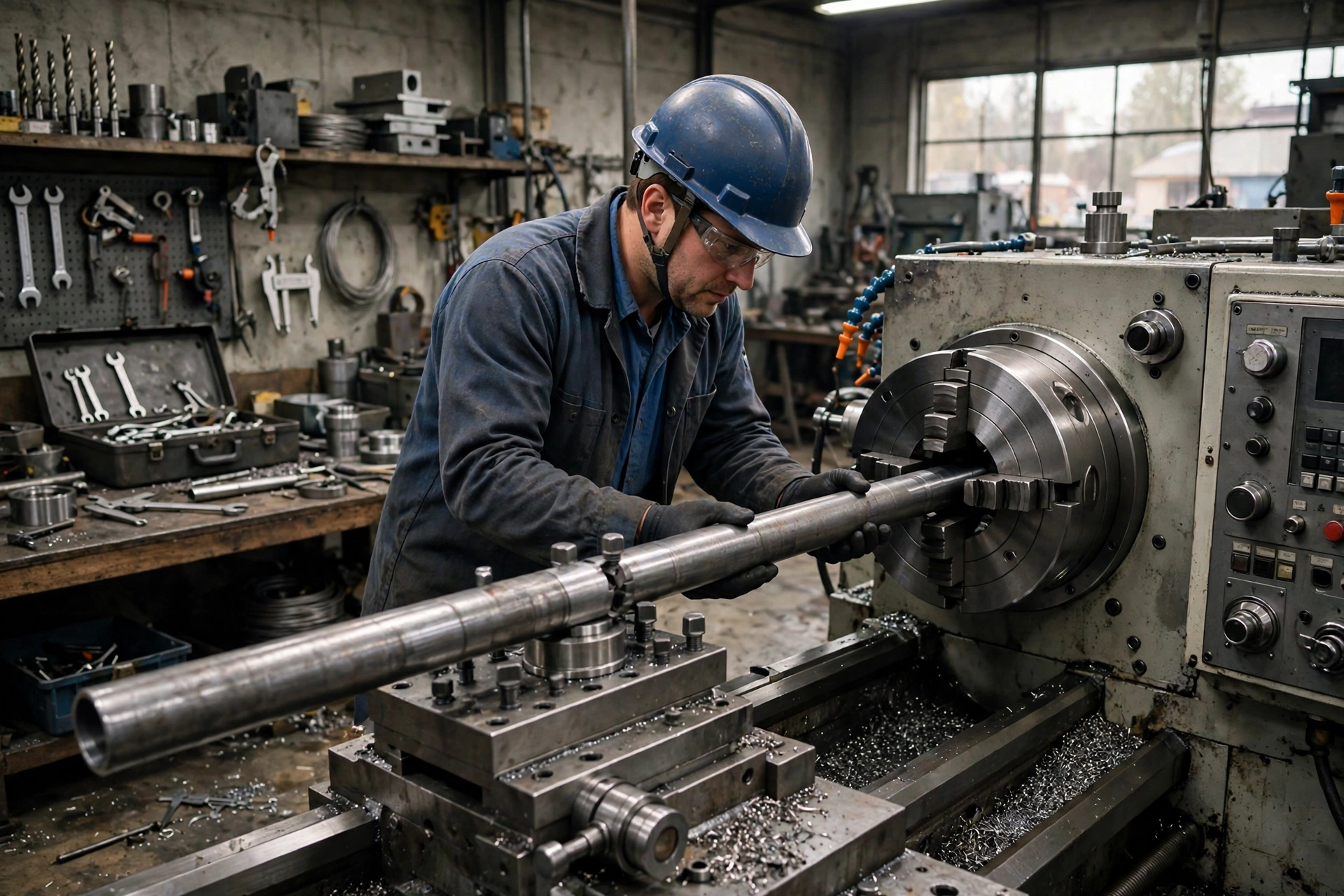
A helmet for machinists is a hard hat worn to protect the head from falling tools, moving stock, and knocks in a machine shop, and in general terms it should be worn whenever there is a risk of something striking the head. Machinists work with lathes, mills, and other machines that shape metal, and the shop around them is full of heavy stock, overhead cranes, and racks of bar and plate. A helmet is a basic piece of safety equipment in that setting, because a blow to the head from a falling bar or a dropped tool can cause a serious injury.
Many machinists move around the shop during a shift, fetching stock from the rack, loading a machine, or helping to move a finished part to the next bench. A helmet that is worn whenever the machinist is moving around the shop gives the best protection, because accidents often happen on a short walk between machines, not at the machine itself.
Why do machinists need a helmet?
Machinists need a helmet because heavy metal is lifted, moved, and stored around them all day, and even a small piece falling from a rack can do real harm. Bars, plates, and offcuts are stacked on shelves and in stillages, and a knock or a vibration can send one sliding off. Overhead cranes and forklifts move loads above head height, and a load that slips or swings can strike a worker before there is time to step aside.
There is also the risk from the machines themselves and the work around them. A tool left on top of a machine can be knocked off, a chuck key can slip from a hand, and a part being lifted into a machine can swing free. A helmet with a brim helps to keep falling objects and stray chips away from the head, and safety glasses worn with it protect the eyes. In general terms, a helmet is the first line of defence for a machinist’s head, and it should be treated as part of the job, not an optional extra.
What kind of helmet is best for machinists?
The best helmet for machinists is, in general terms, a hard hat that meets the safety standard used on the site and fits the worker well. Most machinists choose a standard hard hat with a suspension system inside, because it spreads the force of a blow across the head and keeps the shell away from the skull. A low-profile shell is often a good choice in a machine shop, because it is less likely to catch on a shelf or a machine guard when the worker bends down to load a part.
Some machinists also need their helmet to work with other gear, such as safety glasses, ear defenders, or a face shield, and many hard hats have slots on the sides for clipping these on. A worker at a grinding bench may choose a hard hat that a face shield can attach to. The helmet should be chosen for the real work being done, and the worker should check the site rules before buying, because some sites ask for a particular type or colour.
How should a helmet for machinists fit?
A helmet for machinists should fit snugly, sit level on the head, and stay in place when the worker bends down, looks up, or moves quickly between machines. The suspension should be adjusted so the shell sits a little above the head, with an even gap all round, and the chin strap, where one is fitted, should be fastened whenever the worker is moving loads or working under a crane. A strap left loose lets the helmet slide or fall off, and a helmet on the floor is no help at all.
The fit should be checked with the other gear the worker will wear, such as safety glasses, ear defenders, or a face shield, because these can change how a helmet sits. Glasses with thick arms can push the suspension out of place, and ear defenders that are too tight can press the helmet down at an angle. The worker should also check that the helmet does not block their hearing or their view, because a machinist needs to hear a crane warning, a forklift horn, or a shout from a colleague.
What risks should a machinist’s helmet protect against?
A machinist’s helmet should protect mainly against falling and flying objects, which are the most common head risks in a machine shop. Falling stock, tools knocked off a machine, and parts dropped during loading can all strike the head from above, and the hard shell and suspension of a helmet are made to take that kind of blow. A brim at the front helps to deflect objects and to keep chips and coolant spray away from the face.
The helmet should also protect against knocks and bumps when the worker is moving in tight spaces, such as ducking under a crane beam, reaching into a rack, or bending over a low machine. The helmet is there for the moment something goes wrong, and it should be in good condition and worn properly, because a damaged or loose helmet gives far less protection than a sound one.
How should a machinist look after their helmet?
A machinist’s helmet should be looked after with regular cleaning and sensible storage, in the same way as any work helmet. After a shift, the worker should wipe the shell clean of dust, oil, and metal chips, and let the suspension and lining air out before the next day. The shell should be checked for cracks, dents, or damage, and the suspension should be checked for fraying or stretched straps.
The helmet should be stored in a cool, dry place, away from direct heat, sunlight, and chemicals, and kept in a bag or on a hook when it is not in use. It should not be left on a machine, near a hot surface, or in a place where it can be knocked to the floor. In general terms a helmet that has taken a serious impact should be replaced rather than used again. Workers who want to learn more about features that can help in a blow to the head may also want to read about a system designed to reduce rotational forces, such as MIPS, which is found in some work and sport helmets. A well-kept helmet, worn every working day, gives a machinist the best chance of going home safe.
Do machinists have to wear a helmet at the machine?
Machinists should wear a helmet when moving around the shop, loading machines, or working where loads are lifted overhead, and in general terms most machine shops ask for one to be worn on the shop floor. A loose helmet should never be worn close to a spinning machine part.
Can a machinist wear a helmet with safety glasses?
Yes, in general terms a hard hat is made to be worn with safety glasses, and the two should be tried together to make sure the glasses sit well and do not push the suspension out of place.
When should a machinist’s helmet be replaced?
A machinist’s helmet should be replaced after a hard impact or a serious knock, or when it shows cracks, dents, or a worn-out suspension, or no longer fits well. When in doubt, replace it rather than keep working in it.

Olivia
Writer at Helmet Today, covering helmet reviews, fit and riding safety.